May 17, 2026 - 0 comments
The Latest Natural Winemakers Added to the Raisin Map - May 2026
From the alpine slopes of Savoie to the volcanic soils of Lazio, a new generation of natural winemakers is joining the Raisin map. France, Italy, Catalonia, Austria or California: these domaines share a common vision of living wine: organic farming, spontaneous fermentations, vibrant soils and minimal intervention in the cellar.
Here are the new natural winemakers added to Raisin this month, artisanal projects rooted in local grape varieties, thoughtful élevage and singular expressions of their terroirs.
🍇 Discover all natural winemakers on Raisin.
📍 Submit your winery on the Raisin map
Skomina Azienda Agricola
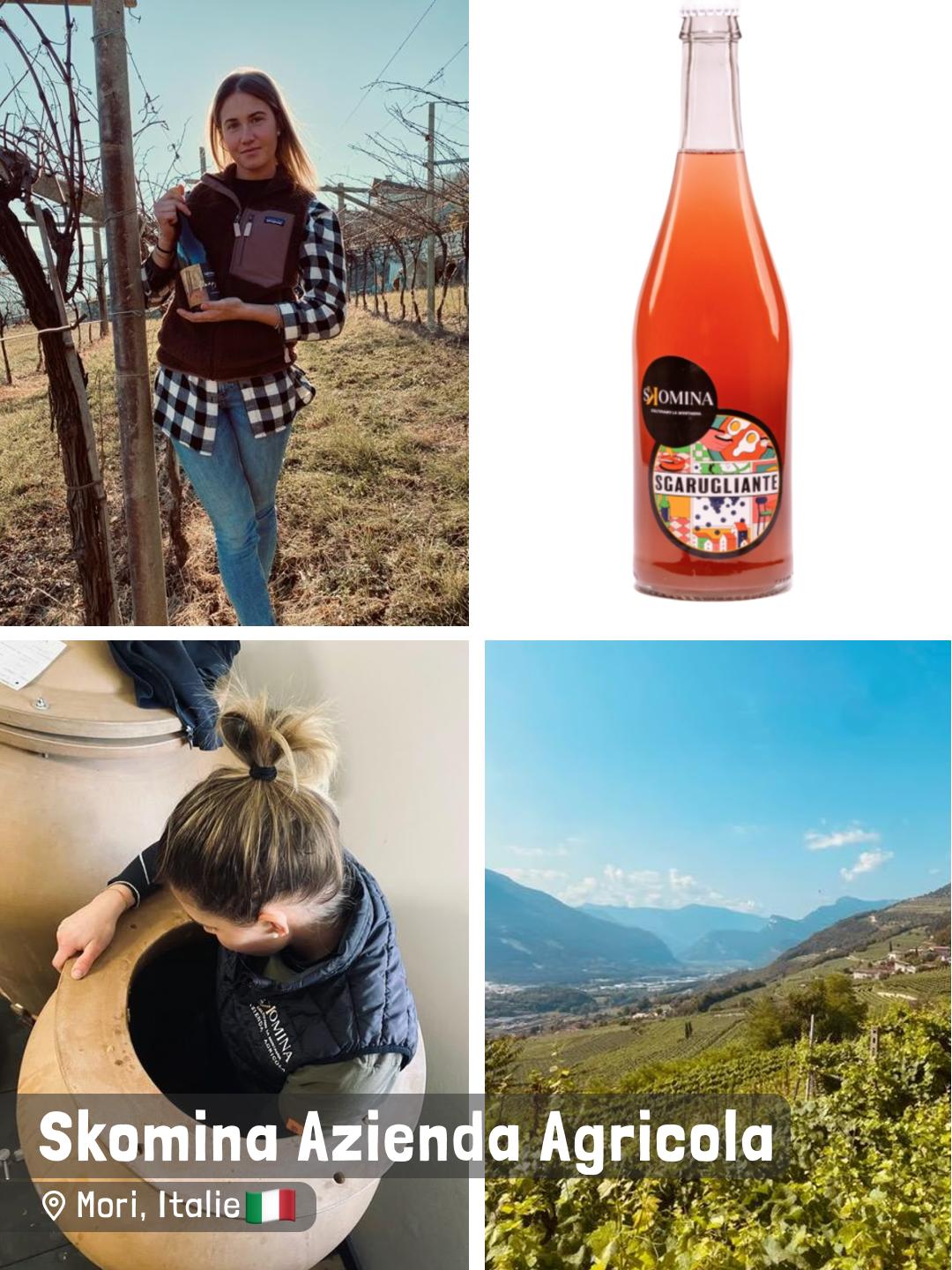
In the Vallagarina zone of Trentino-Alto Adige, Alessia Skomina is crafting energetic, small-scale wines rooted in the alpine landscape of northern Italy. Working with varieties such as Marzemino, Enantio and Traminer Aromatico, her project moves between vibrant pét-nats, textured rosés and aromatic skin-contact wines, all shaped by a low-intervention philosophy and a strong sense of regional identity.
Charlotte Sonjon
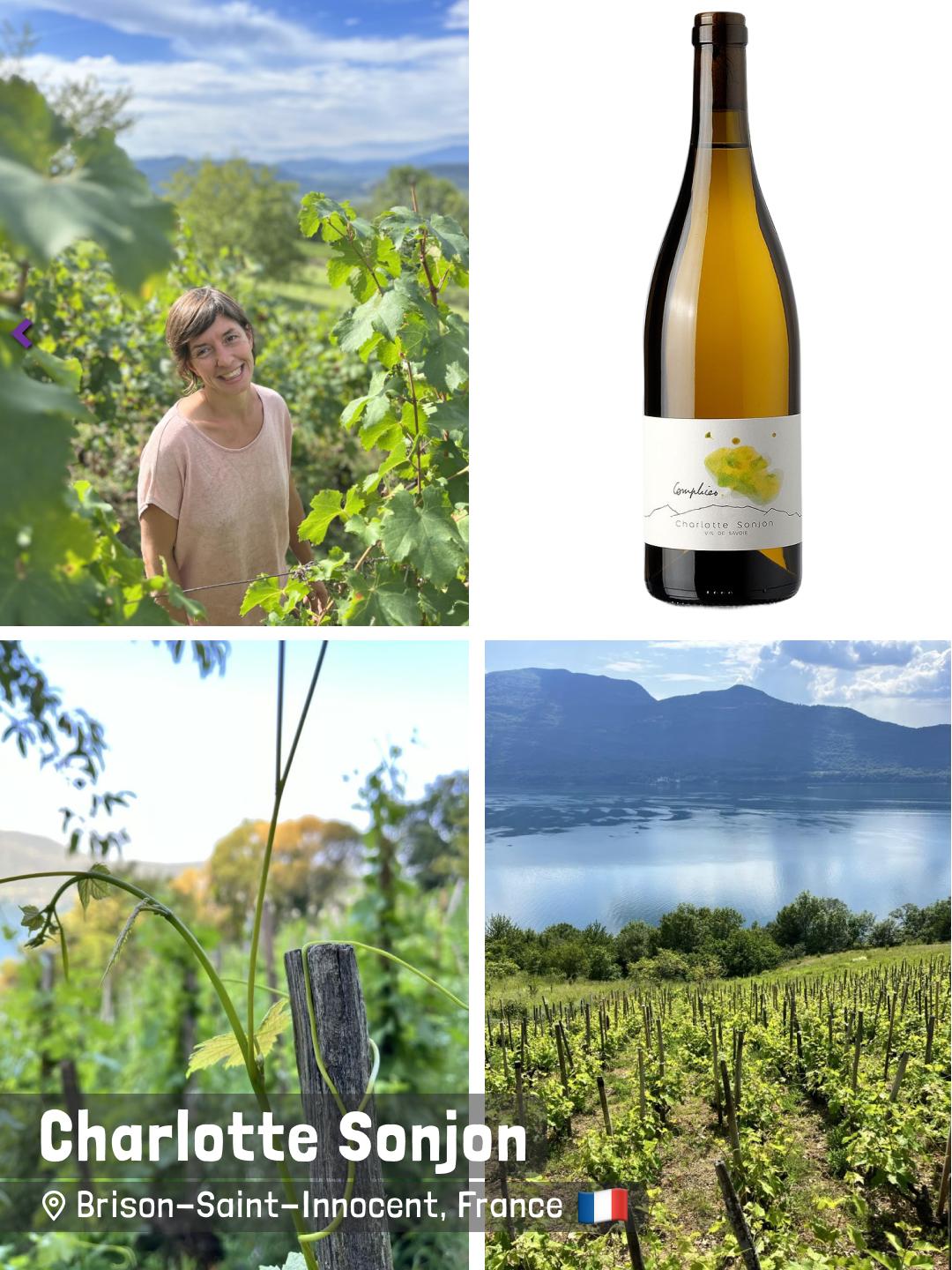
Based between Brison-Saint-Innocent and Ruffieux in Savoie, Charlotte Sonjon farms four hectares of hillside vines with an intensely manual, peasant approach to viticulture. Indigenous yeasts, long lees ageing and minimal sulfur define a range of precise mountain wines made from Jacquère, Altesse, Mondeuse, Gamay and Pinot Noir, capturing both the limestone soils and cool lake influence of the region.
Ostalad'OC
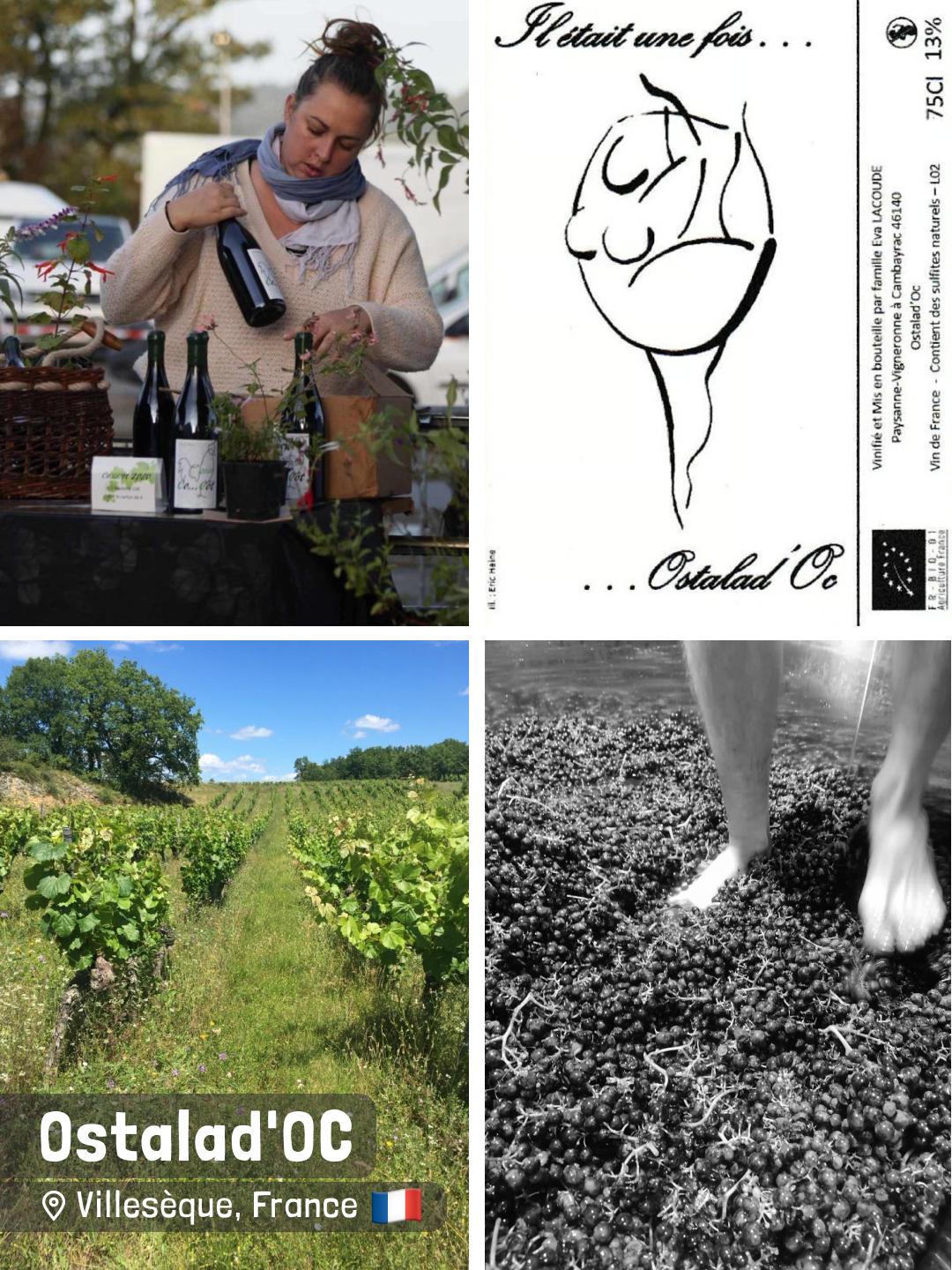
Eva Lacoude founded Ostalad'OC after reviving abandoned family vineyards in southwest France alongside her father in 2018. Farming organically and vinifying without additives, she focuses on living soils, native fermentations and forgotten regional grapes such as Valdiguié, Prunelart and Fer Servadou, producing wines that feel deeply tied to the landscape and history of Occitanie.
Domaine du Haut des Champs
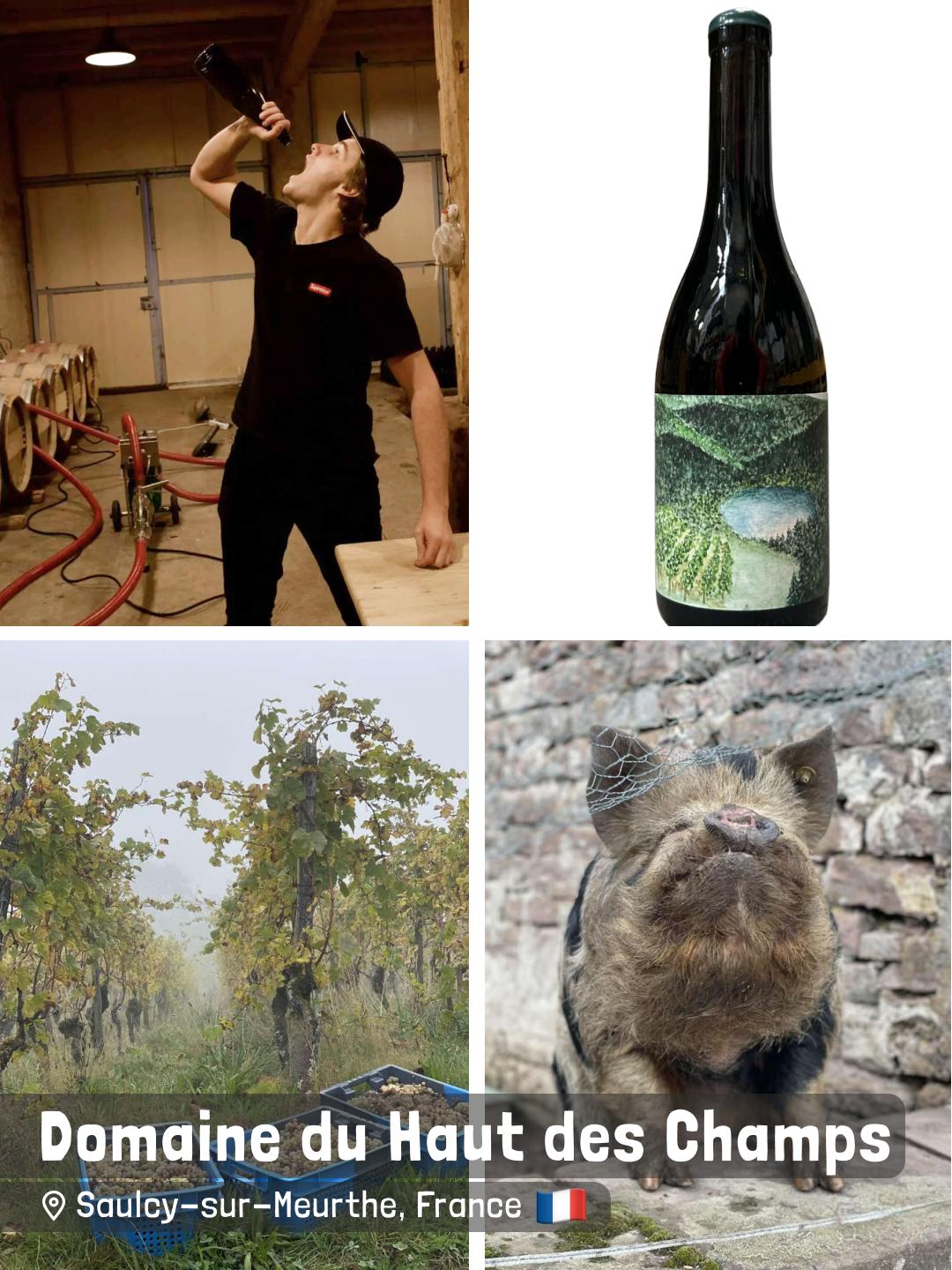
In the Vosges mountains, Jacques Bentz is rethinking cool-climate viticulture through a project that combines hybrid post-phylloxera varieties, high-density planting and regenerative farming. After years working as an oenologist across France, he returned home to create a domaine where pigs graze between the vines, fermentations proceed naturally and both estate wines and négoce cuvées reflect a radical, future-facing vision of natural wine in eastern France.
Almari Cantina Urbana
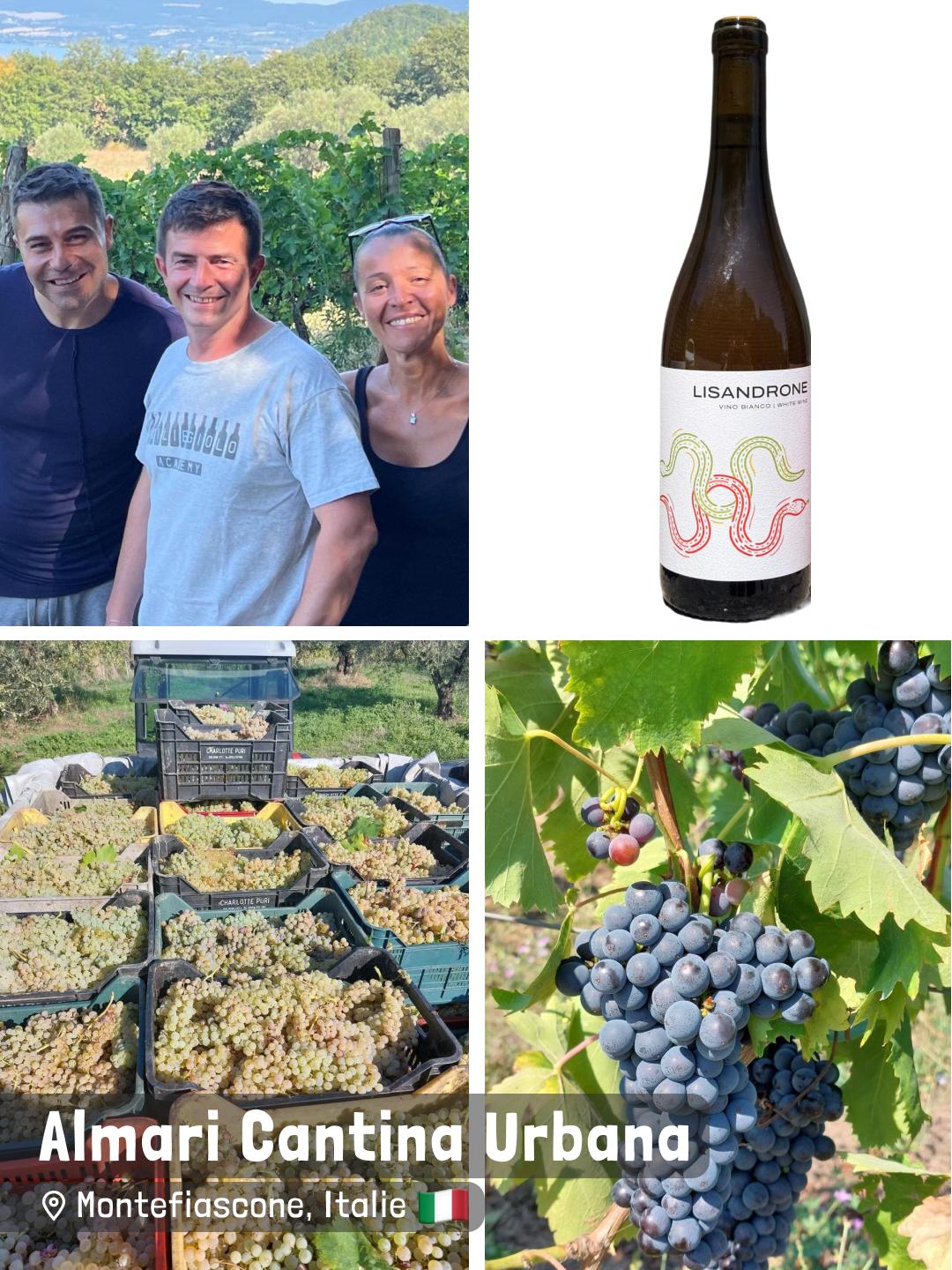
Founded by Alessandra Nicolai, Riccardo Buroni and Mauro Clementi, Almari Cantina Urbana brings winemaking back into the historic center of Montefiascone, on the volcanic soils surrounding Lake Bolsena. Their cellar work is deliberately minimal, with spontaneous fermentations, underground ageing spaces, concrete vats and very low sulfur additions, resulting in vivid, energetic wines built from local Lazio varieties alongside Merlot and Sangiovese.
Schöfmann & Schöfmann
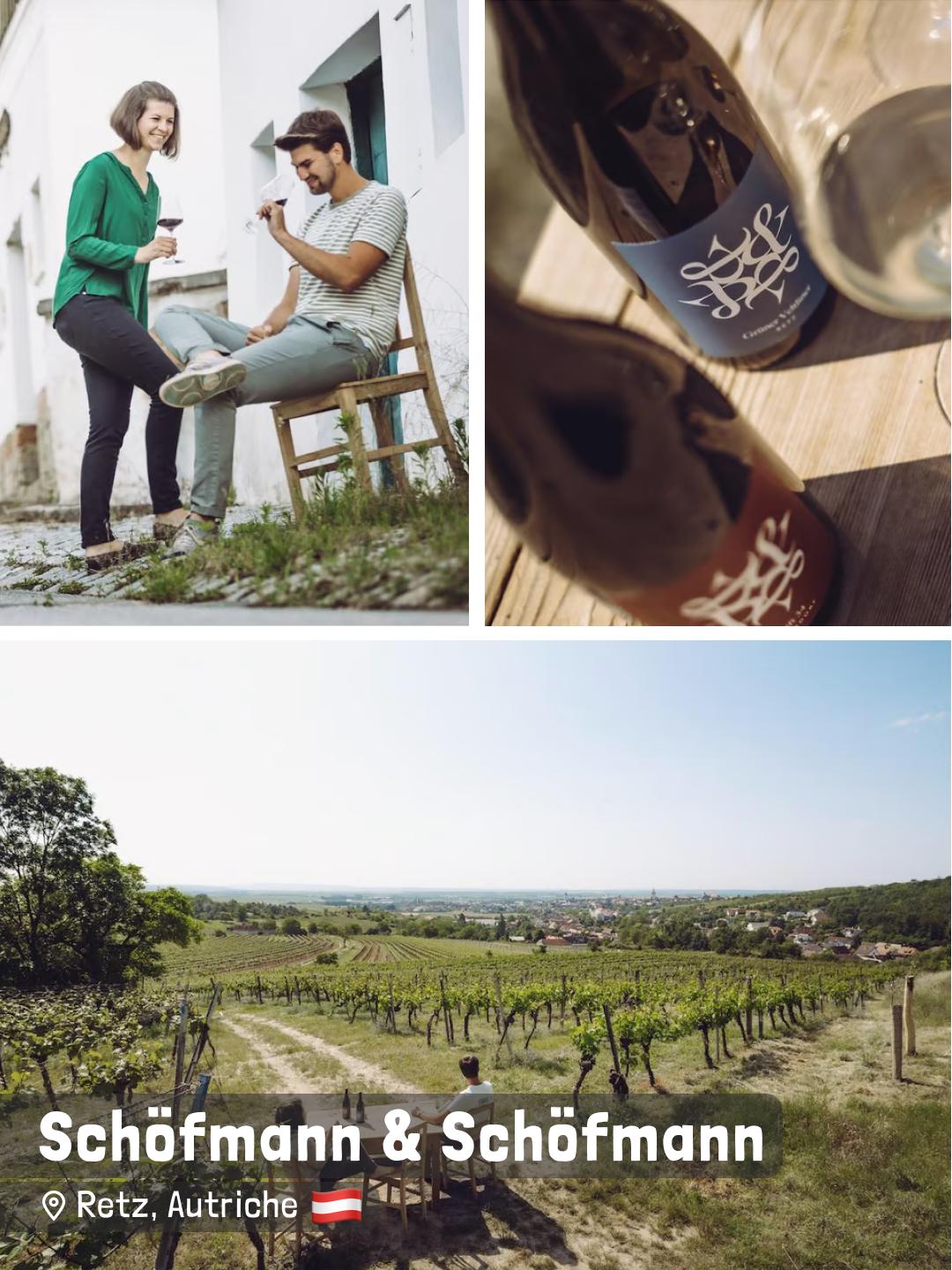
Siblings Anna and Laurenz Schöfmann work across two distinct terroirs in Lower Austria: the granite-rich slopes around Retz and the sandy-calcareous soils of Haugsdorf. Their organically farmed three-hectare estate combines biodiversity-focused vineyard work with natural vinification, producing lively Grüner Veltliner, Blaufränkisch and Zweigelt wines that reflect the tension between freshness, texture and place.
Fratelli Pagani
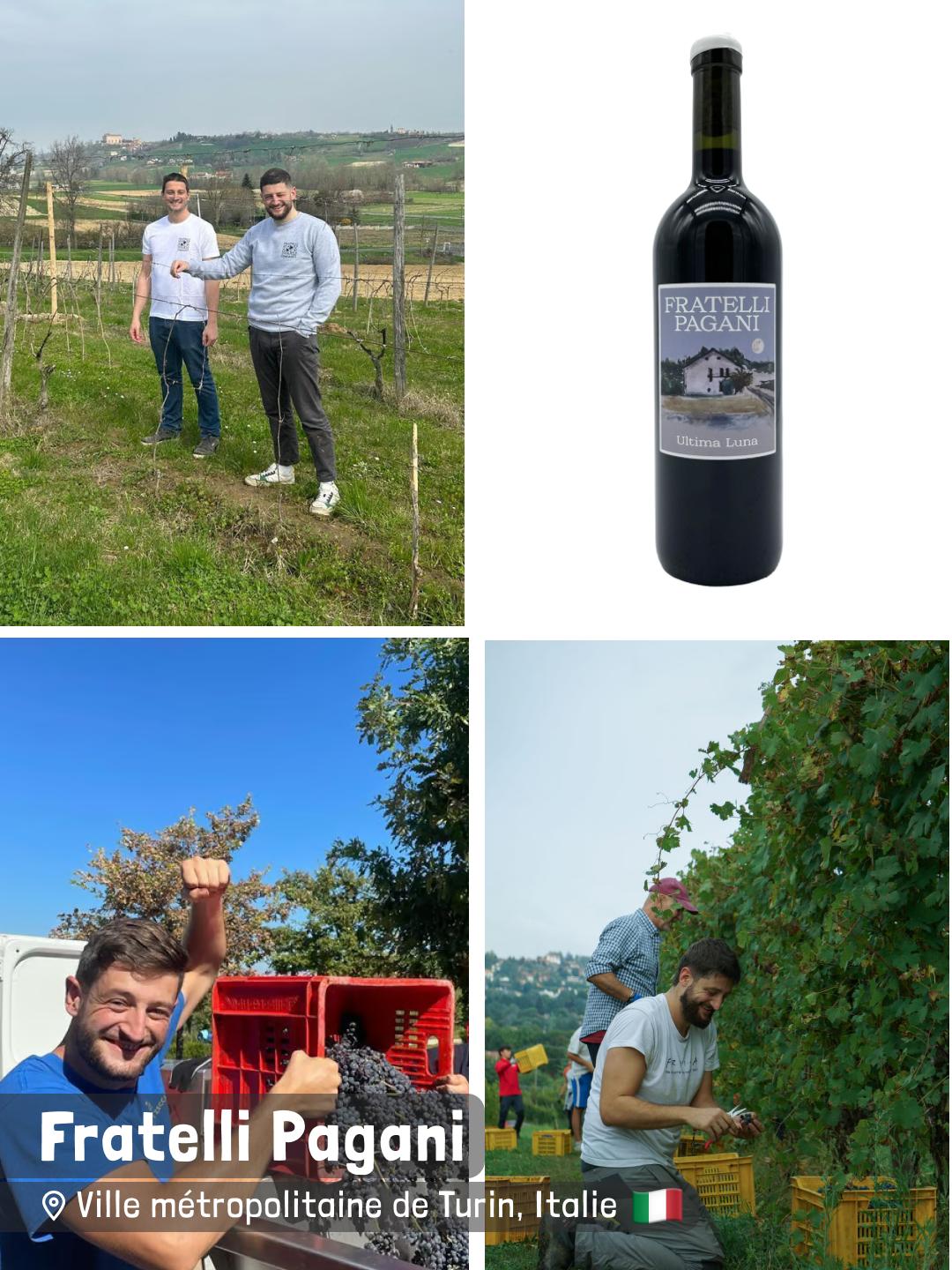
Brothers Luigi and Alessandro Pagani belong to a new wave of Italian growers embracing minimal-intervention farming and cellar work while staying deeply connected to local traditions. Their wines emphasize clarity, freshness and drinkability, balancing rustic energy with careful, precise vinification.
SolyKid
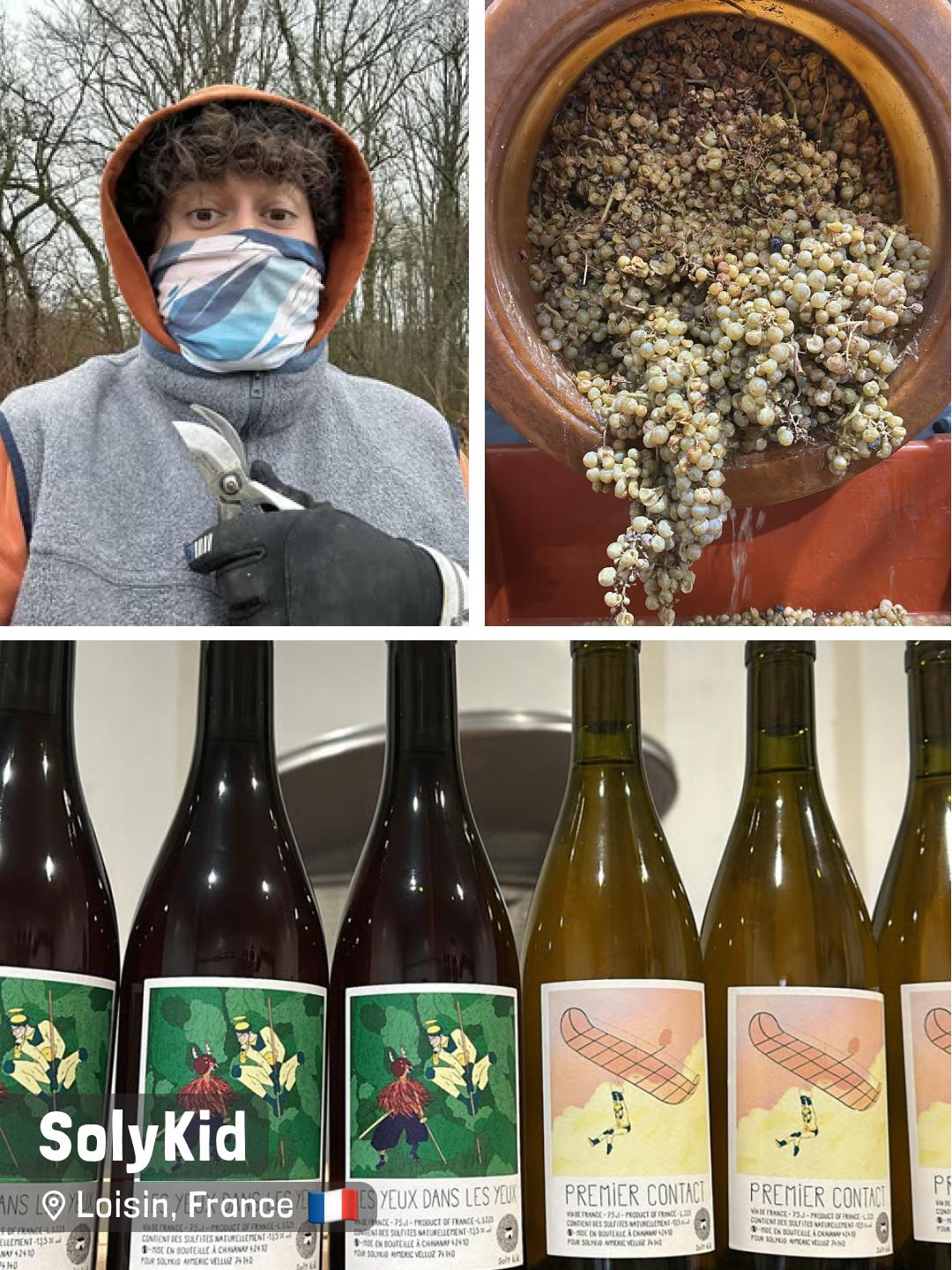
Aymeric Velluz’s SolyKid project reflects a playful but detail-driven approach to contemporary French natural wine, centered on purity of fruit, drinkability and low-intervention élevage. His wines are crafted with a light hand in the cellar, prioritizing freshness, immediacy and expressive texture over extraction or heavy winemaking.
Matteo Machefer
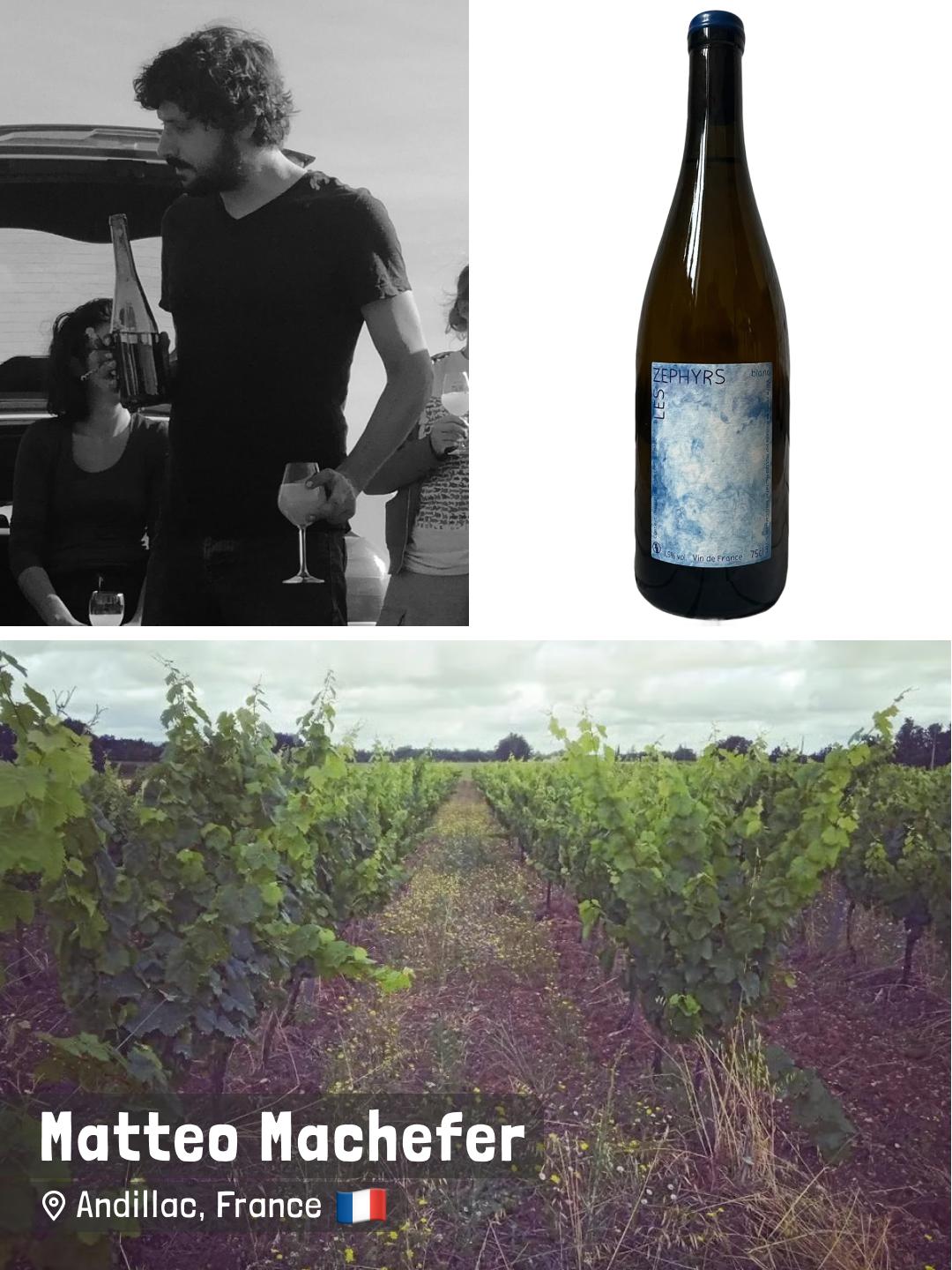
Matteo Machefer is part of a younger generation of French natural growers focused on organic farming, spontaneous fermentations and restrained cellar work. His wines are built around energy and balance, favoring freshness and transparency while allowing vineyard character to remain at the forefront.
La Fita
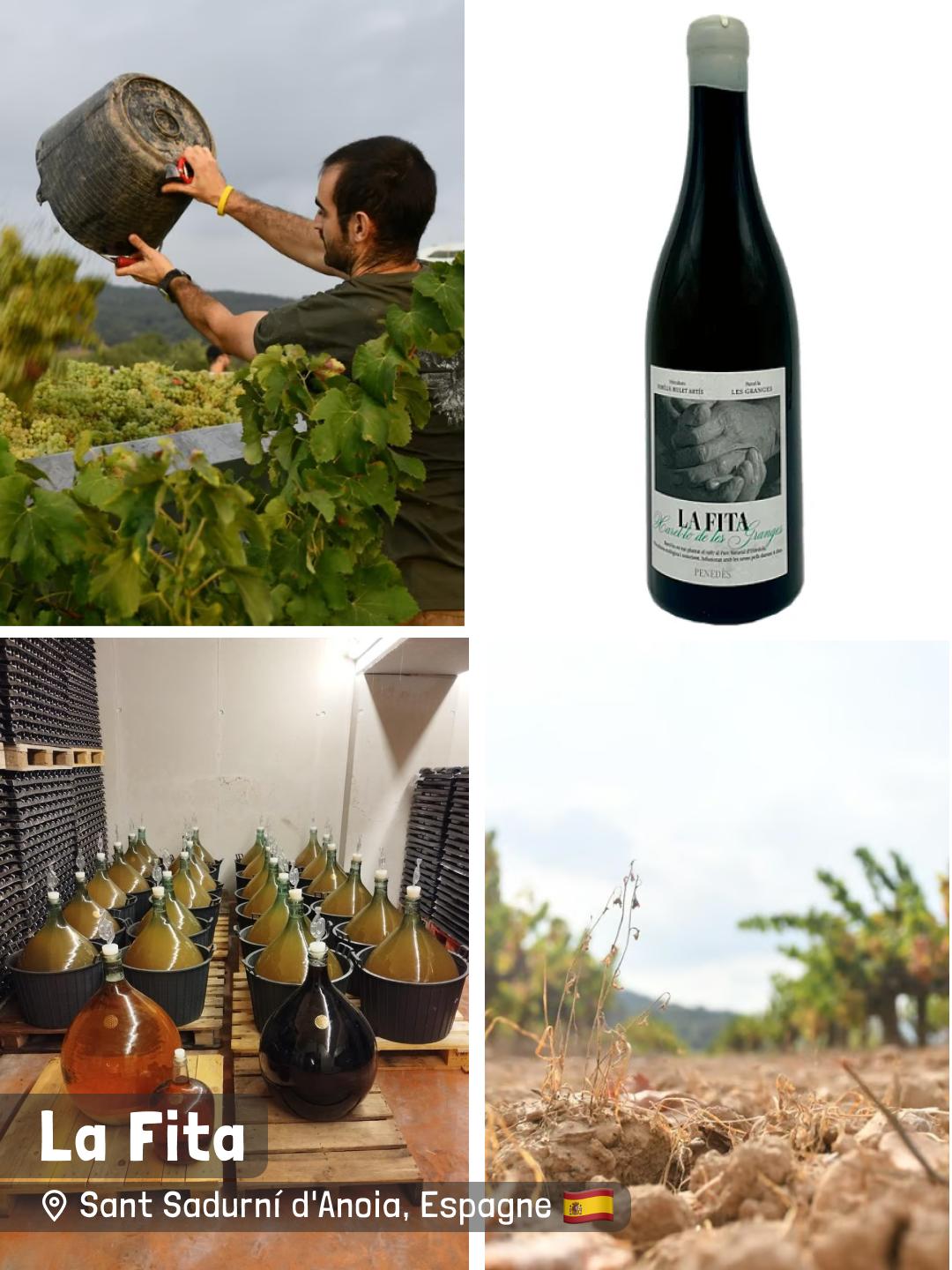
Through La Fita, Martí Torrallardona Raventós explores a distinctly contemporary vision of Catalan natural wine rooted in Mediterranean varieties and sensitive farming. His wines combine saline freshness, bright acidity and minimal cellar intervention, expressing both the warmth of the landscape and the tension of limestone-rich soils.
Tinto Amorio
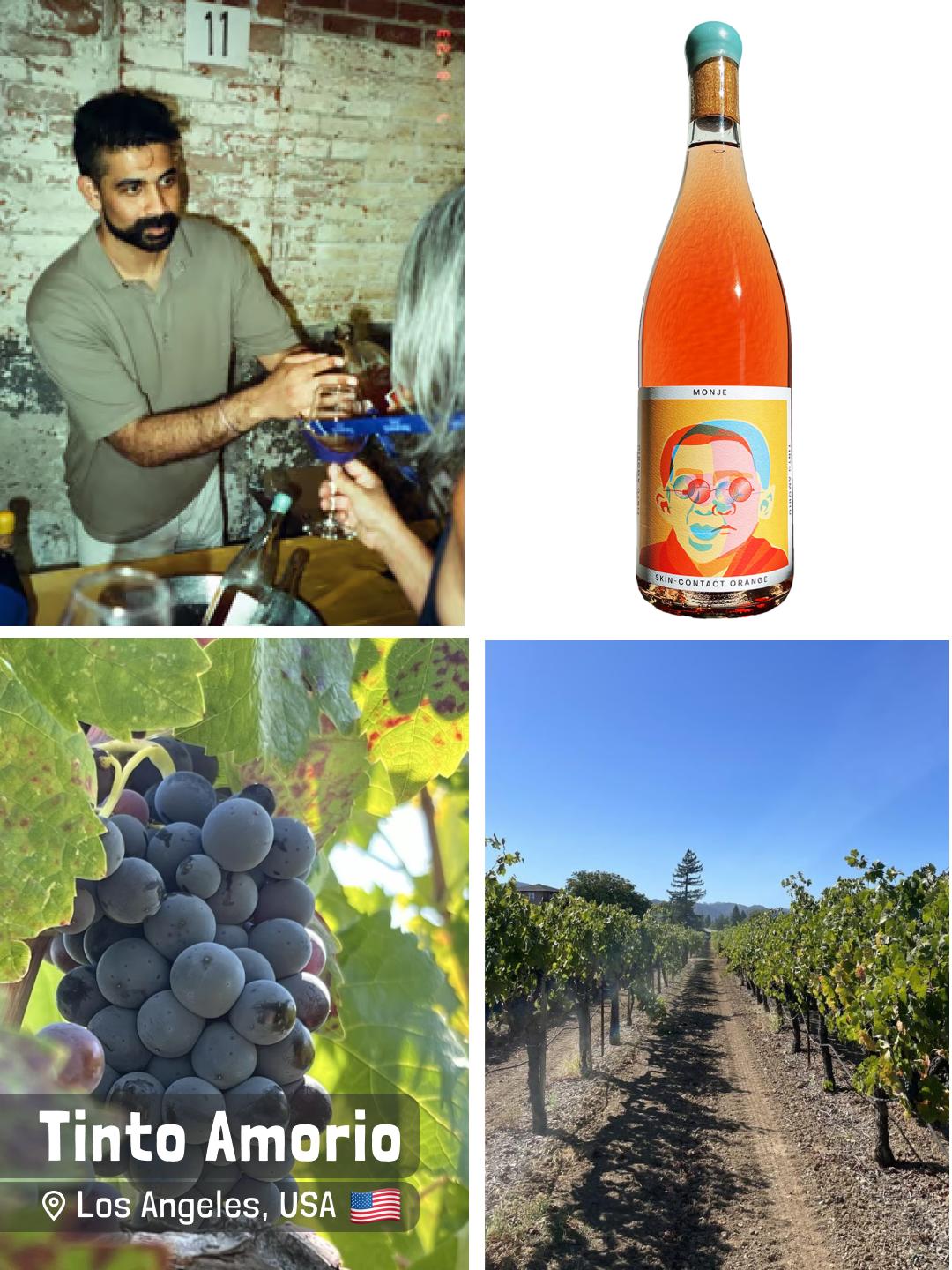
With Tinto Amorio, Anish Patel has become part of a new generation of Californian négociants working with organically farmed fruit and a low-intervention philosophy. Sourcing grapes from sites across Mendocino, Monterey and Paso Robles, he produces vibrant, highly drinkable wines, from juicy reds to expressive skin-contact cuvées, that channel the energy and openness of the contemporary California natural wine scene.
Domaine des Ayards
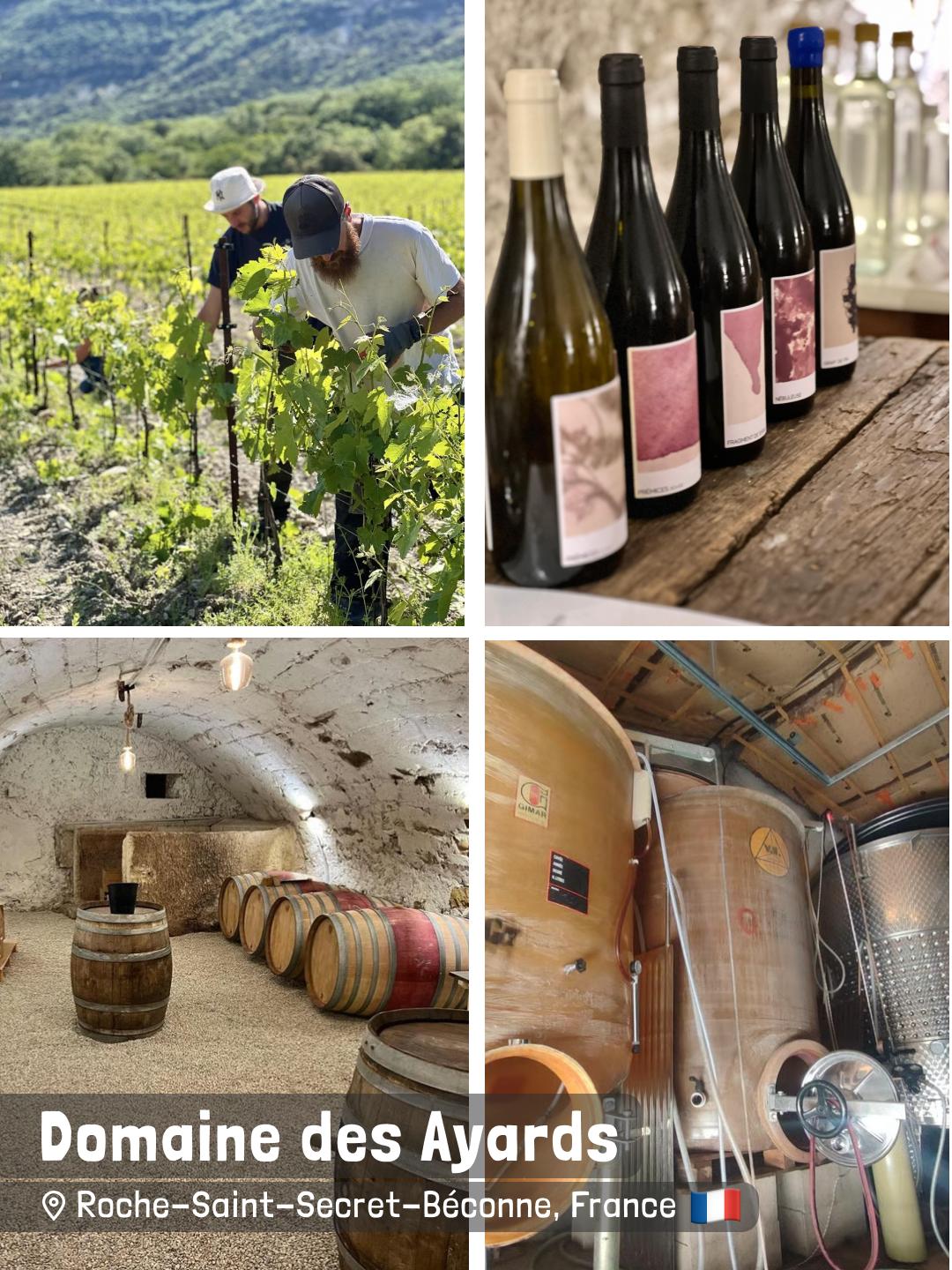
Étienne Bourel’s Domaine des Ayards reflects a thoughtful, low-intervention approach rooted in careful vineyard work and patient élevage. His wines are shaped by native fermentations, restrained cellar handling and a search for freshness and precision, resulting in cuvées that balance texture, energy and quiet depth without losing their sense of drinkability.
Domaine des Horizons
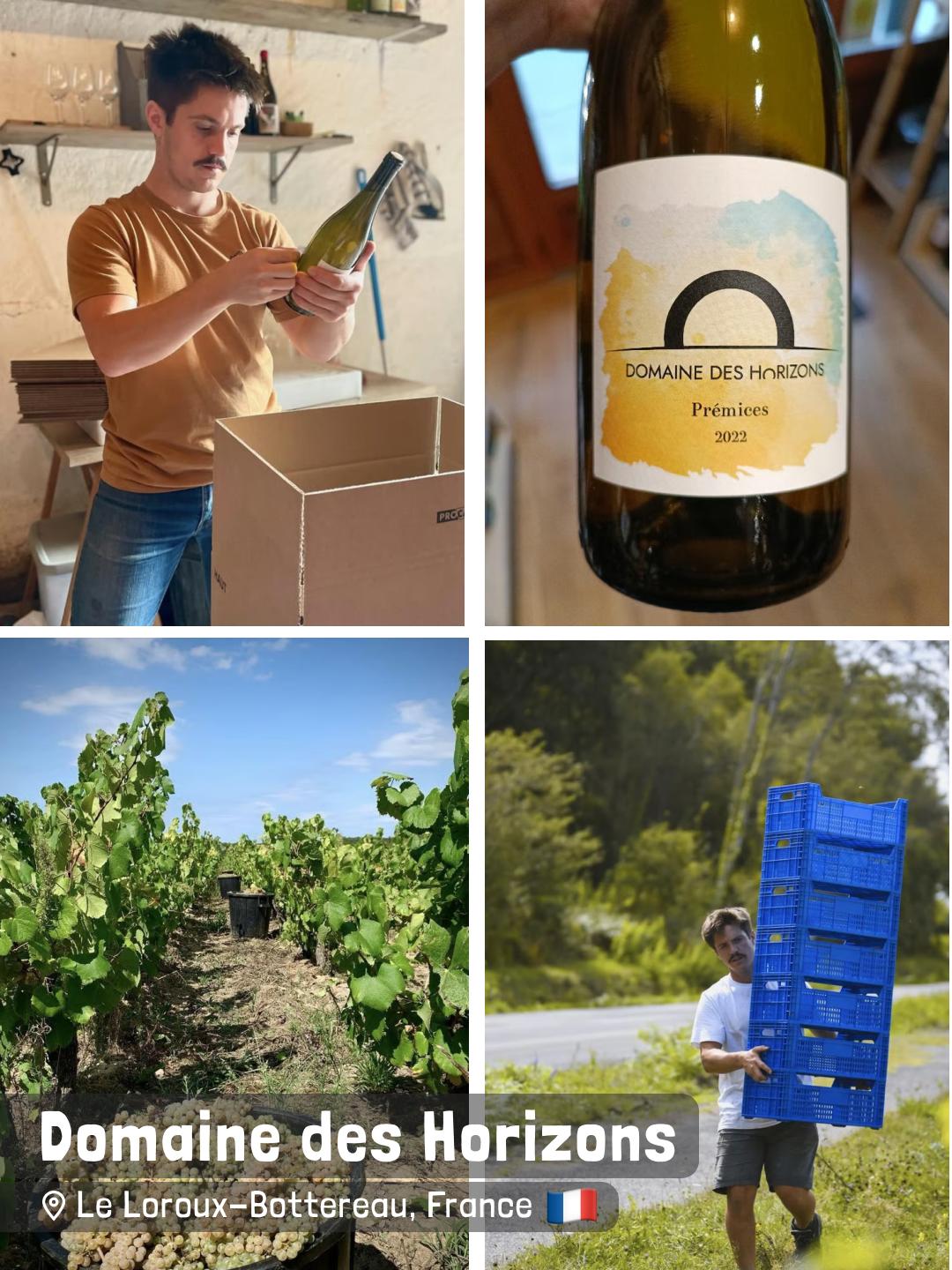
Through Domaine des Horizons, Martin Joubert is building a Loire project centered on living soils, minimal intervention and expressive Atlantic freshness. The domaine’s wines lean into clarity and tension, drawing on spontaneous fermentations and delicate élevage to produce finely textured cuvées that feel both contemporary and deeply connected to their terroir.
Terra Vitae
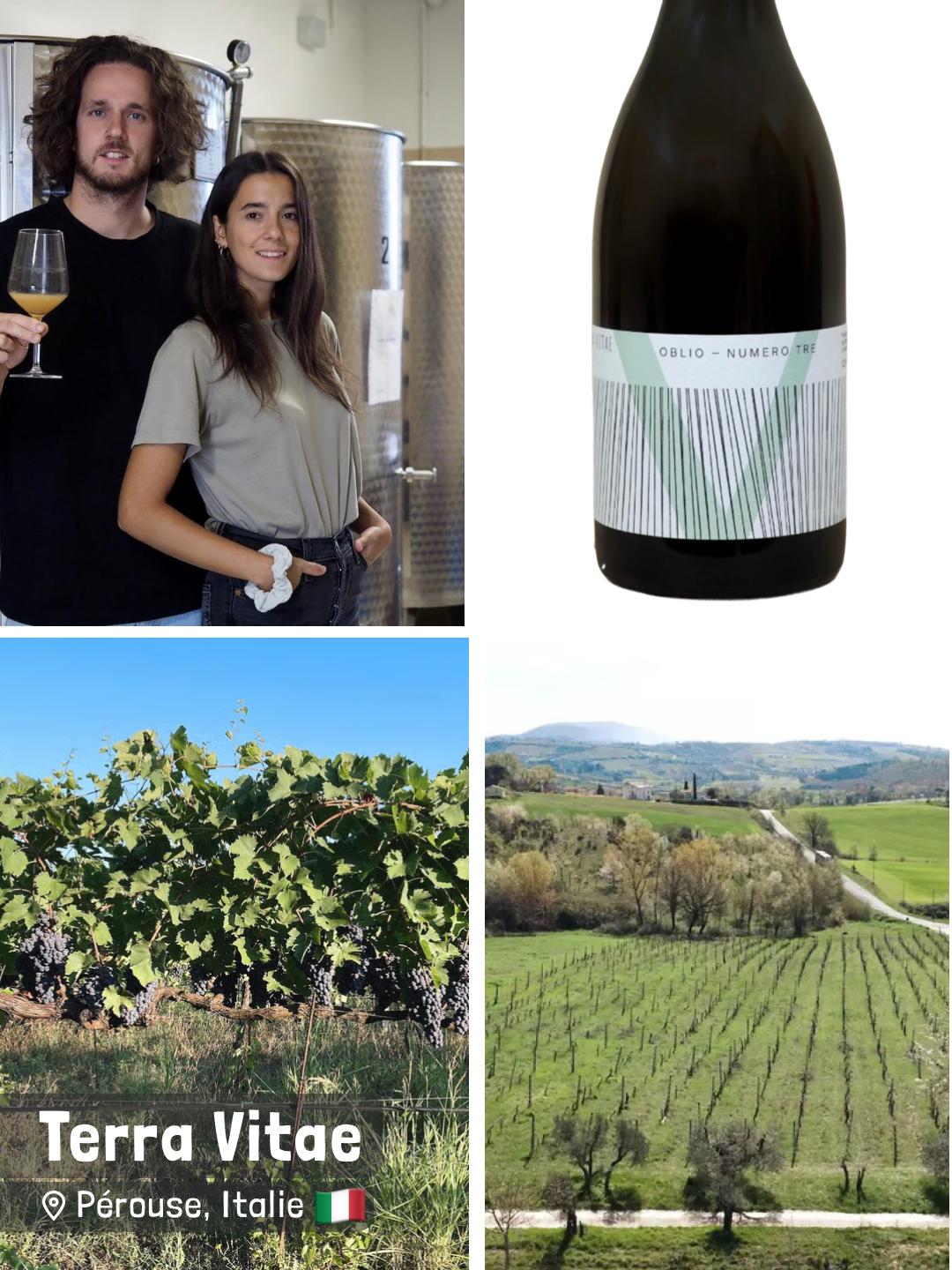
Elena Breghi and Matteo Pelanda’s Terra Vitae project is rooted in a regenerative vision of Italian natural wine, combining organic farming with low-intervention cellar work and a strong connection to local grape varieties. Their wines favor purity, vitality and textural finesse, expressing both the agricultural landscape and the collaborative spirit behind the domaine.
Celler Nessu
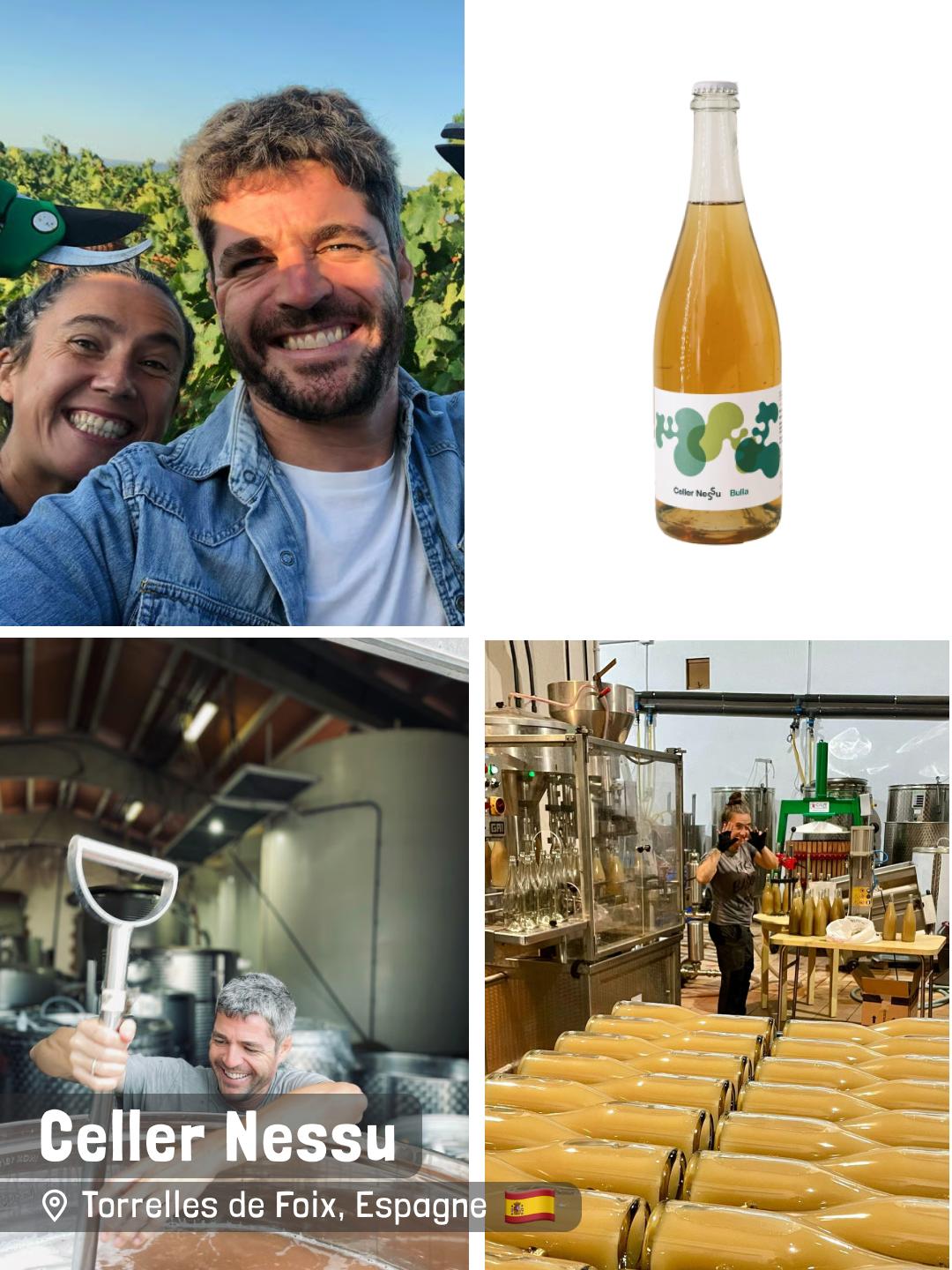
Under the name Celler Nessu, Maitane and Jesús Blanco Molera explore a deeply Mediterranean expression of Catalan natural wine. Working with sensitive farming and minimal cellar manipulation, they produce saline, energetic wines that emphasize freshness, fluidity and the character of local varieties shaped by limestone soils and coastal influence.
Étienne Bourel
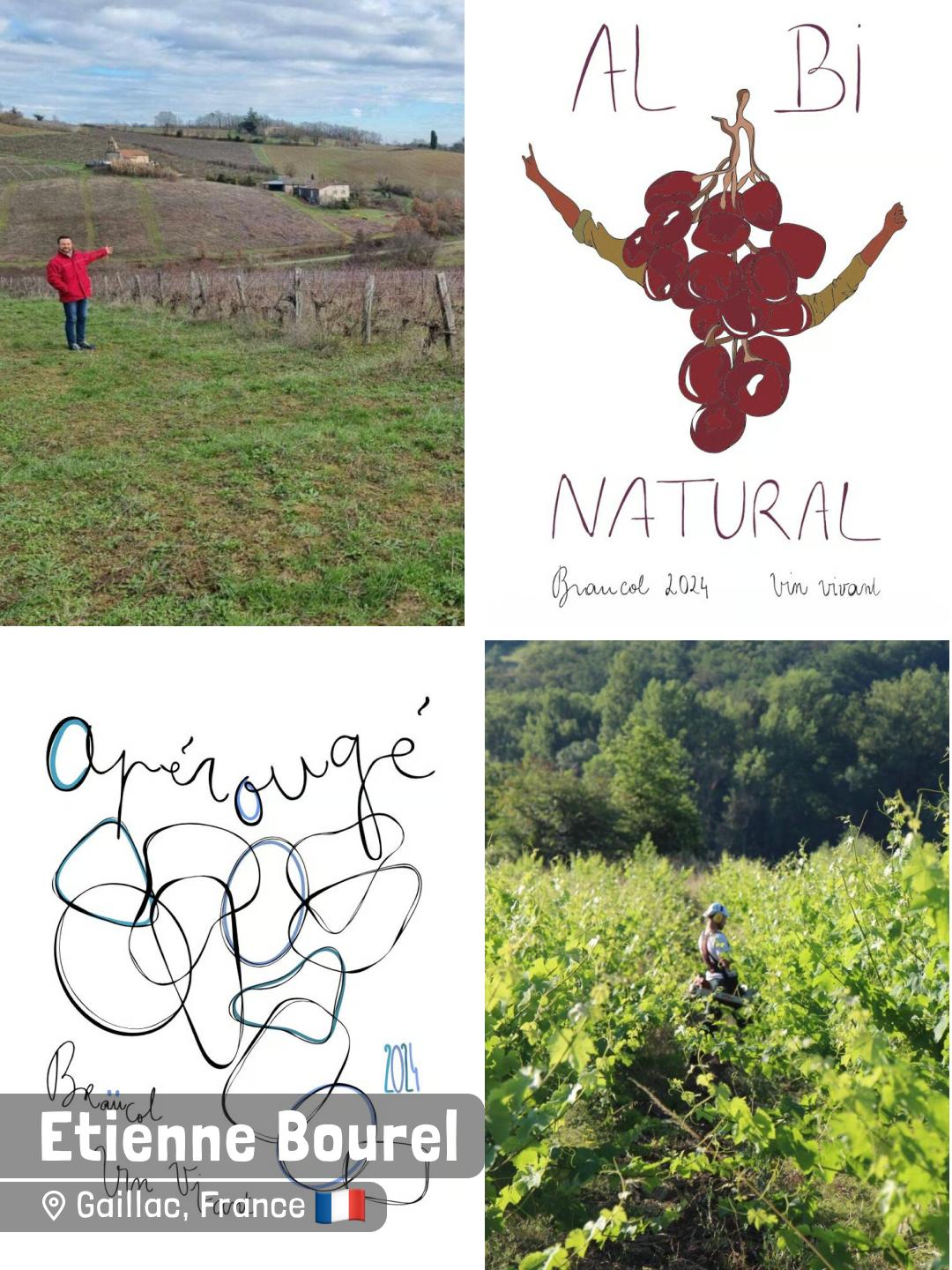
Established in 2024 under the Nature & Progrès label, Étienne Bourel works two hectares of Braucol with a thoughtful, low-intervention approach rooted in experimentation and learning. Vineyard treatments are kept to an absolute minimum, with careful attention paid to living soils, biodiversity and gentle farming practices. In the cellar, nothing is added and nothing is manipulated beyond pressing and racking — no filtration, no temperature control, no additives — allowing the wines to evolve as freely and transparently as possible.