11 1 9032 KM
By 2025, Haut des Champs has 1.7 hectares of planted vines. Some will be on their fourth leaf and potentially will have their first year of production in 2026. By spring 2027, the entire vineyard should be planted, covering a total area of 2.5 hectares, for full production in 2032.
A first 100% Vosges vintage is being aged for this 2025 vintage. We had the opportunity to acquire a small vineyard of post-phylloxera hybrids.
In the middle of these vines graze Achilles, Hera and Gaia, three Kune Kune pigs who maintain the pastures as best they can.
Le Haut des Champs has also developed its wine merchant and producer business: every year, between 4,000 and 6,000 bottles leave the estate.
The "Besser Rivaou" range (Besser: "best" in Alsatian; Rivaou: "enemy" in Vosges) was also launched. This range of wines comes from 1.5 hectares leased in Alsace and is vinified in the Vosges.
Wine production
Since 2022, all the land within the estate has been immediately converted to organic farming. While this isn't particularly original or innovative, the label guarantees the exclusive use of natural products.
The young vines are planted at a spacing of 1.5 m × 1 m, resulting in a density of 7,500 vines per hectare: in our opinion, this is the right compromise between ease of work and competition between the vines. Three pages would not be enough to explain this choice.
Grass strips 6 m wide are left every five rows to promote biodiversity, create ecological niches and cut potential bridges for disease transmission.
In addition to this, we put our "living lawnmowers" out to pasture: the Kune Kune pigs, which maintain the vineyards in winter.
The planted grape varieties are only white grape varieties: Riesling, Savagnin and Chardonnay in qualitative massal selection, grafted in F2 (Hebinger nursery) on qualitative rootstock 3309 C.
For the remaining areas, the challenge is to replant historical Lorraine grape varieties. Alsatian viticulture, apart from the density, is closer to Burgundian viticulture: single Guyot training tied flat, severe bud thinning, and green harvesting to maximize aeration of the vine. This limits fungal pressure as well as yields. We are strong proponents of "good grapes, good wine," and for us, this means low yields and concentration.
In the cellar
The cool Vosges climate has its advantages: no need for refrigeration units or cold storage. One night in crates and it's ready for a cold pre-fermentation. All joking aside, the coolness of the harvest is a real boon. Long fermentations promote aromatic complexity; low temperatures limit bacterial or yeast spoilage. Factors that might seem daunting, but which, in our opinion, are conducive to producing beautiful wines.
The winery has taken up residence in an old family barn, 100 meters as the crow flies from the Vosges vineyards. A place which, after installing a few stainless steel tanks and some barrels, seems, thanks to its thick walls and old stones, to have always been a winery.
In the cellar, we intervene very little but remain extremely rigorous. My training as an oenologist forbids me from letting a batch deteriorate: if necessary, 1 or 2 g/hL of SO2 is acceptable. All the wines spend 18 months in barrels; the two winters allow them to stabilize optimally.
No rose wines at the moment.
No orange wines at the moment.
FIND THE EVENT YOU ATTEND
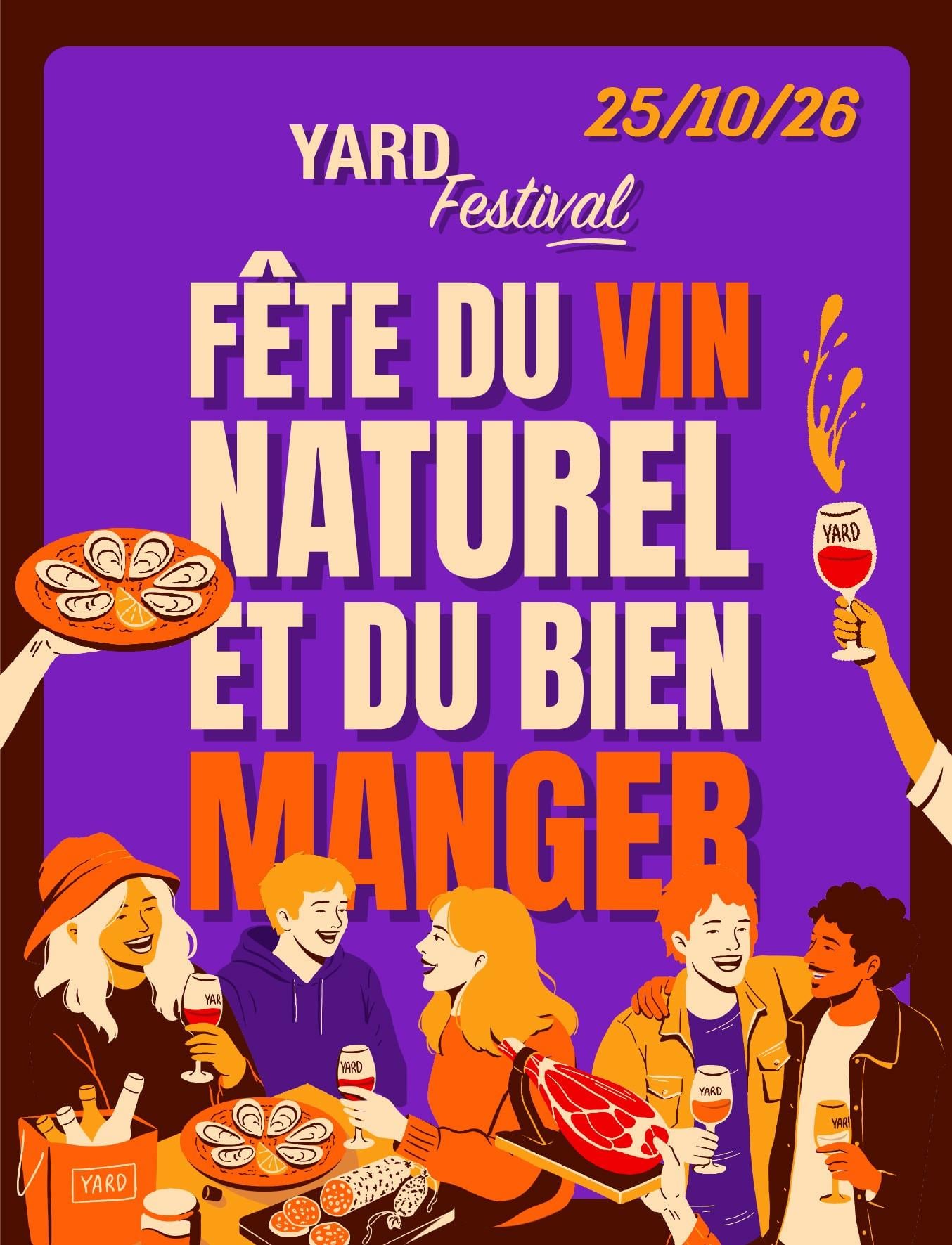
Sunday October 25
Paris
6492 KM

Saturday October 31 - Sunday November 01
Mulhouse
6872 KM

Saturday October 31 - Sunday November 01
Mulhouse
6872 KM

Sunday November 08 - Monday November 09
Turin
7047 KM
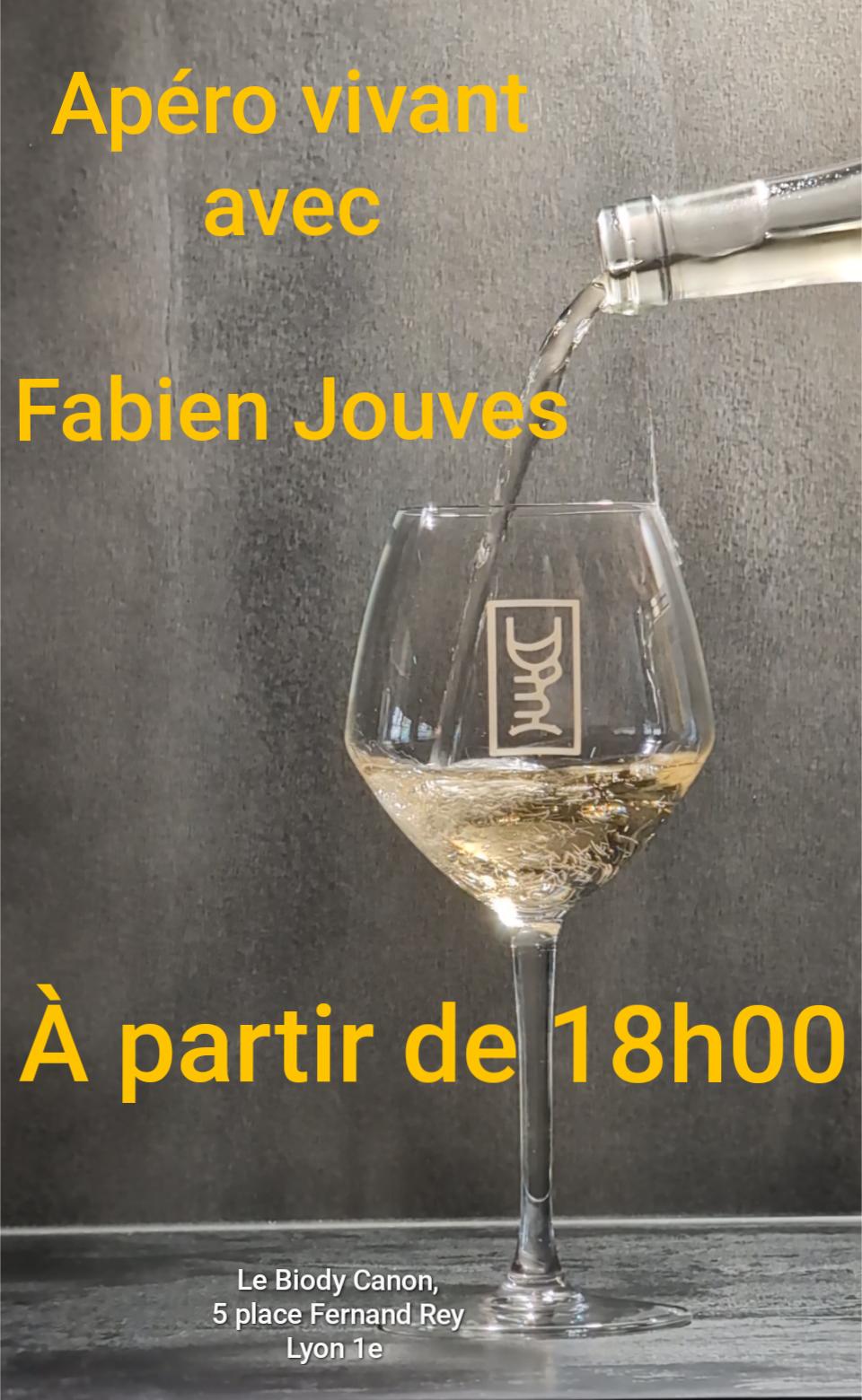
Wednesday September 23
LyonFrance
6814 KM
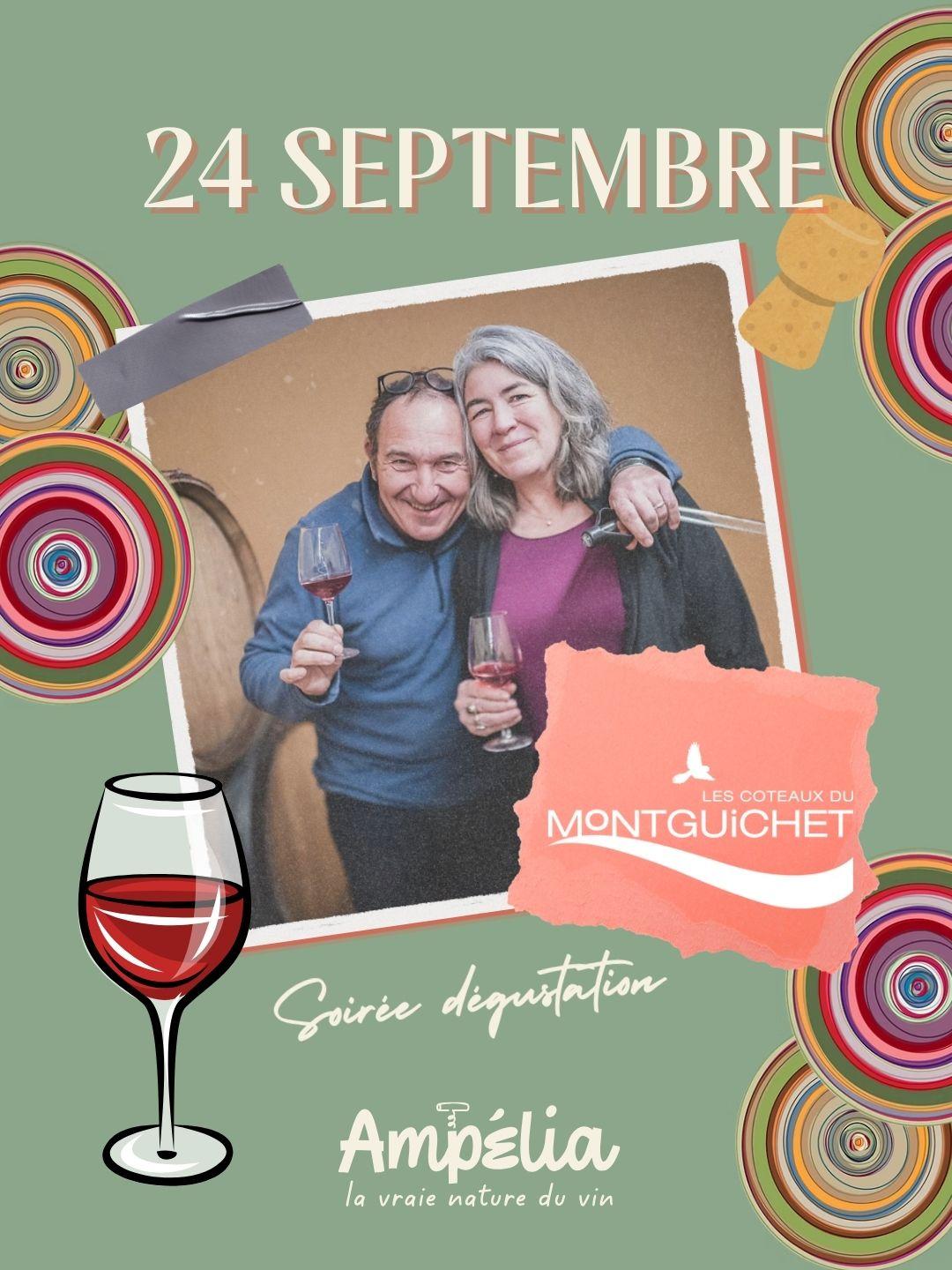
Thursday September 24
ParisFrance
6491 KM
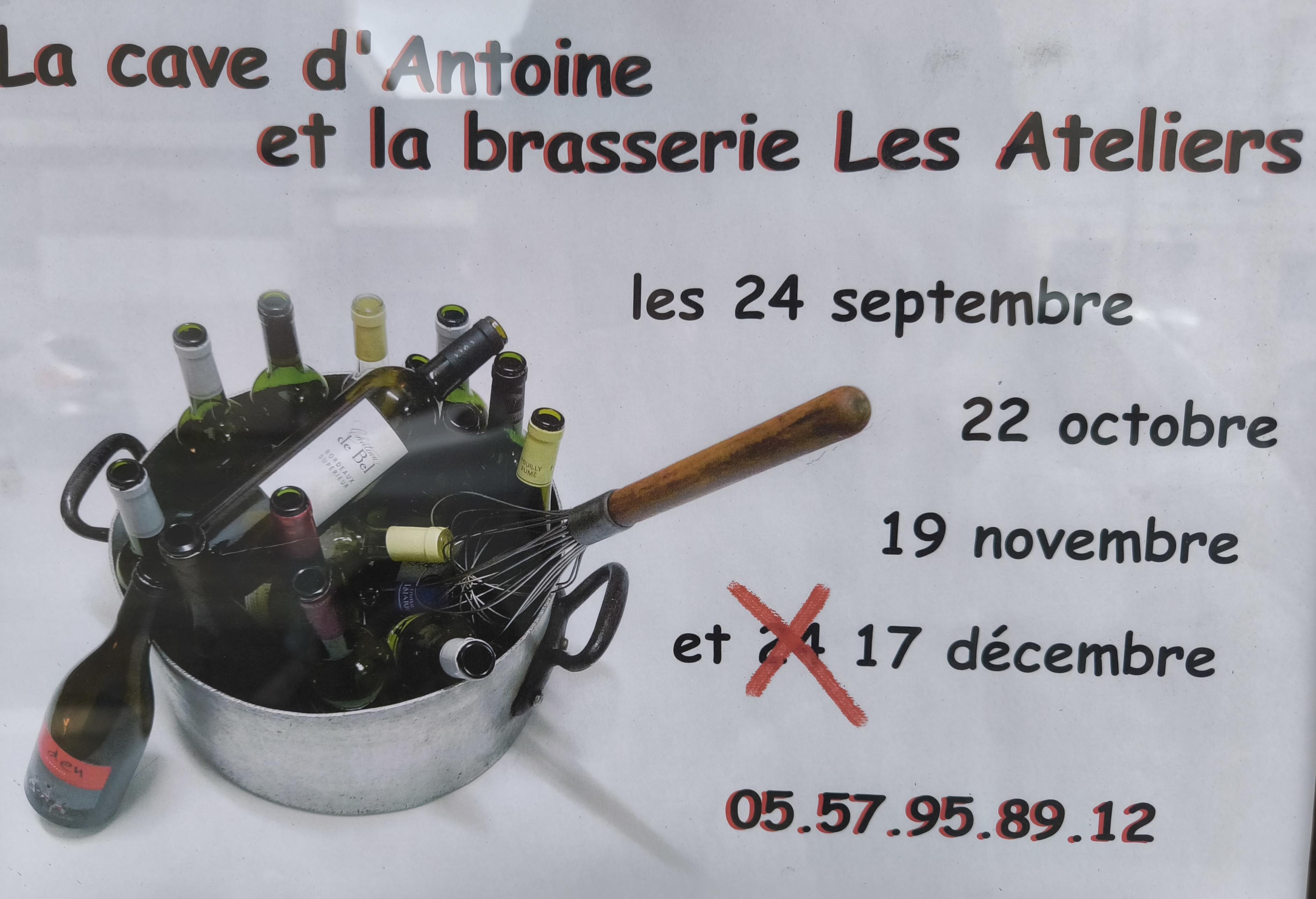
Thursday September 24
BordeauxFrance
6491 KM
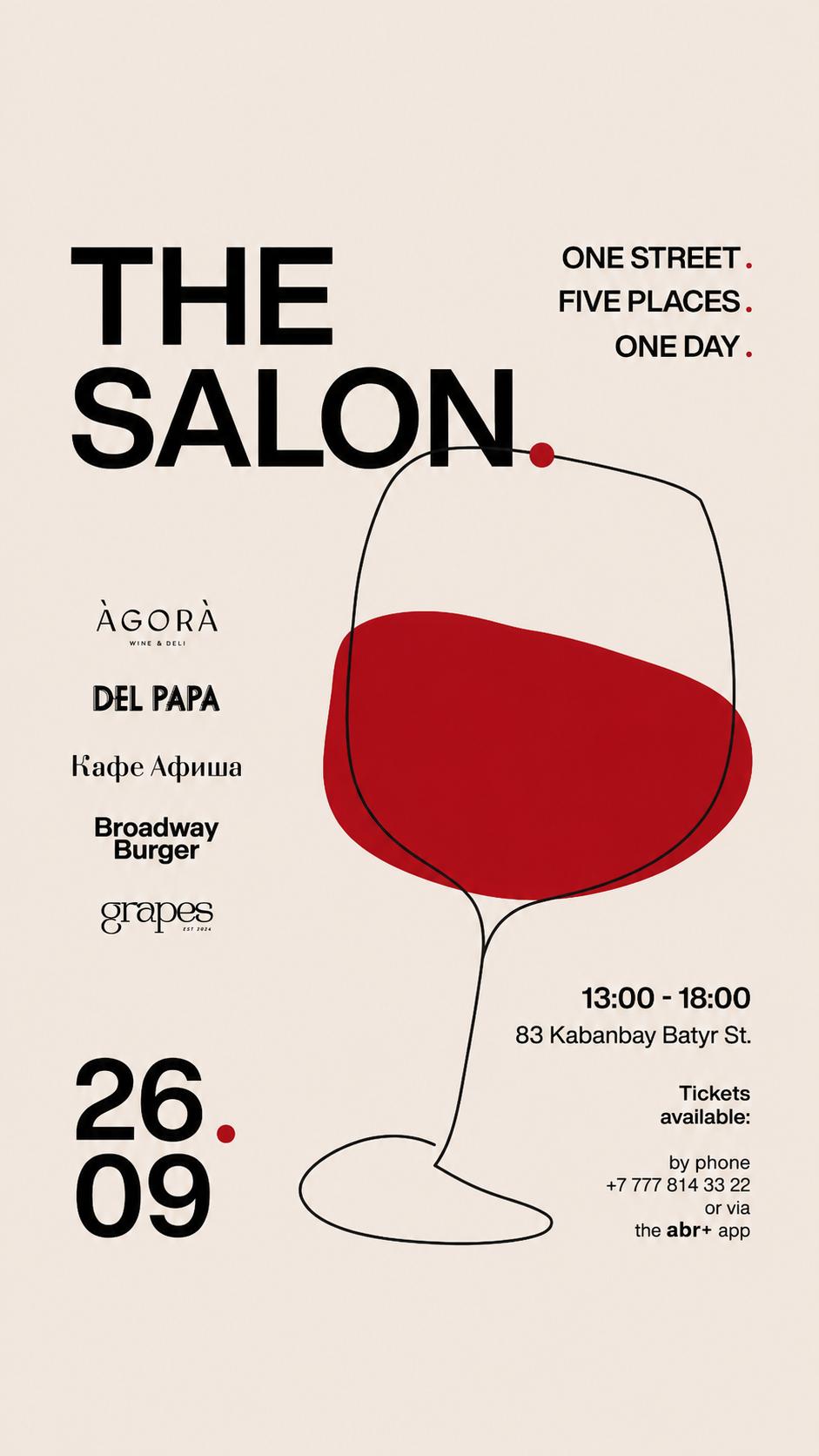
Saturday September 26
AlmatyKazakhstan
10546 KM
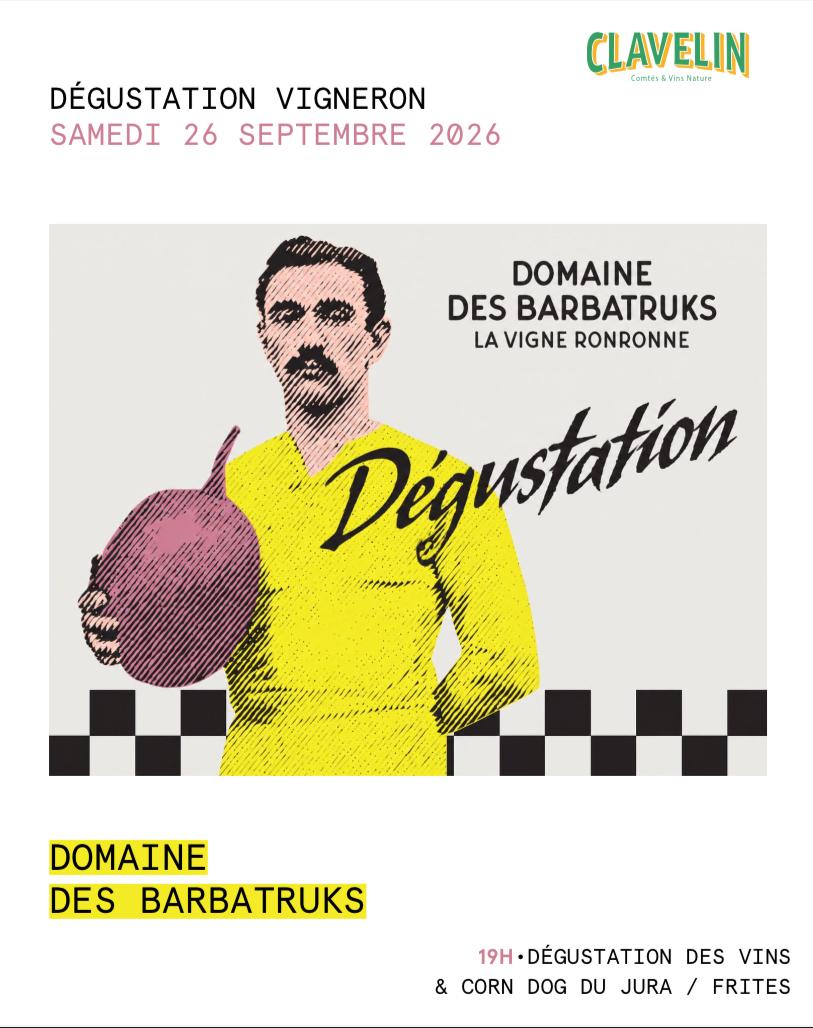
Saturday September 26
Paris
6488 KM

Saturday September 26
Ierapetra Municipal UnitGreece
8946 KM


 Winemakers
 Restaurants
 Bars
Bars Wine Shops
 Accommodations
 Events