2 3 9099 KM
Our project's primary focus is the recovery of the area's old vines , which preserve a rich ampelographic heritage. This is due to the fact that viticulture in our area, since the Second World War, has been primarily for self-consumption and not for commercial purposes. Consequently, farmers rarely uprooted their vines, thus avoiding the expense of labor and the purchase of vine shoots from nurseries. Instead, conservative practices, such as layering, were adopted, which today allow us to maintain centuries-old vines that would otherwise be at risk of being lost.
The first of these vineyards is the one behind our house , the MAGNA TERESA vineyard, saved by our great-grandmother Teresa. From this vineyard comes MAGNA TERESA VV , a microproduction of less than a thousand bottles, with which we seek to express the authentic character of our territory.
Regarding vineyard practices, we work as minimally impactful as possible , respecting the soil and plants. This translates into:
maintenance of grassy rows,
green manure management,
use of sustainable products for treatments,
absence of chemical weeding , with mechanical management of the grass and care of the blowing.
We also avoid pruning the plants: the shoots are trimmed as they reach the last wire, allowing the plants – especially the older ones – to self-regulate and helping to keep the environment slightly cooler.
Fertilization is applied only when necessary, based on the condition of the soil and plants, using exclusively organic fertilizers such as mature manure and farmyard manure. Mulching grass and sown plants remains one of the main sources of organic matter, as well as helping to keep soil temperatures lower.
We currently make wine thanks to the hospitality and guidance of Piero Busso , a dear friend and great winemaker.
In the cellar our goal is to accompany the product until its best expression, without forcing .
All fermentations are spontaneous , as is the subsequent malolactic fermentation.
The use of sulphites is kept to a minimum and only when necessary, so as not to interfere with the natural bacterial flora.
At the end of the malolactic fermentation, we carry out a racking, preferably by gravity , and leave the wine to rest on the fine lees, awaiting bottling: for ULTIMA LUNA this occurs on the last moon of March, while for MAGNA TERESA VV it occurs at the beginning of summer.
The wines are neither clarified nor filtered , thus avoiding impoverishment or denatured characteristics. To achieve a "clean" product, we exploit the winter cold to stabilize the tanks, exposing them to the harsh January temperatures. This way, a simple racking before bottling is sufficient to obtain a clean, stable, and authentic wine.
Our idea is a return to the origins , but also a great challenge: to make drinkers understand that Piedmont is also Freisa and is also Airali !
No white wines at the moment.
No rose wines at the moment.
No orange wines at the moment.
No sparkling wines at the moment.
FIND THE EVENT YOU ATTEND
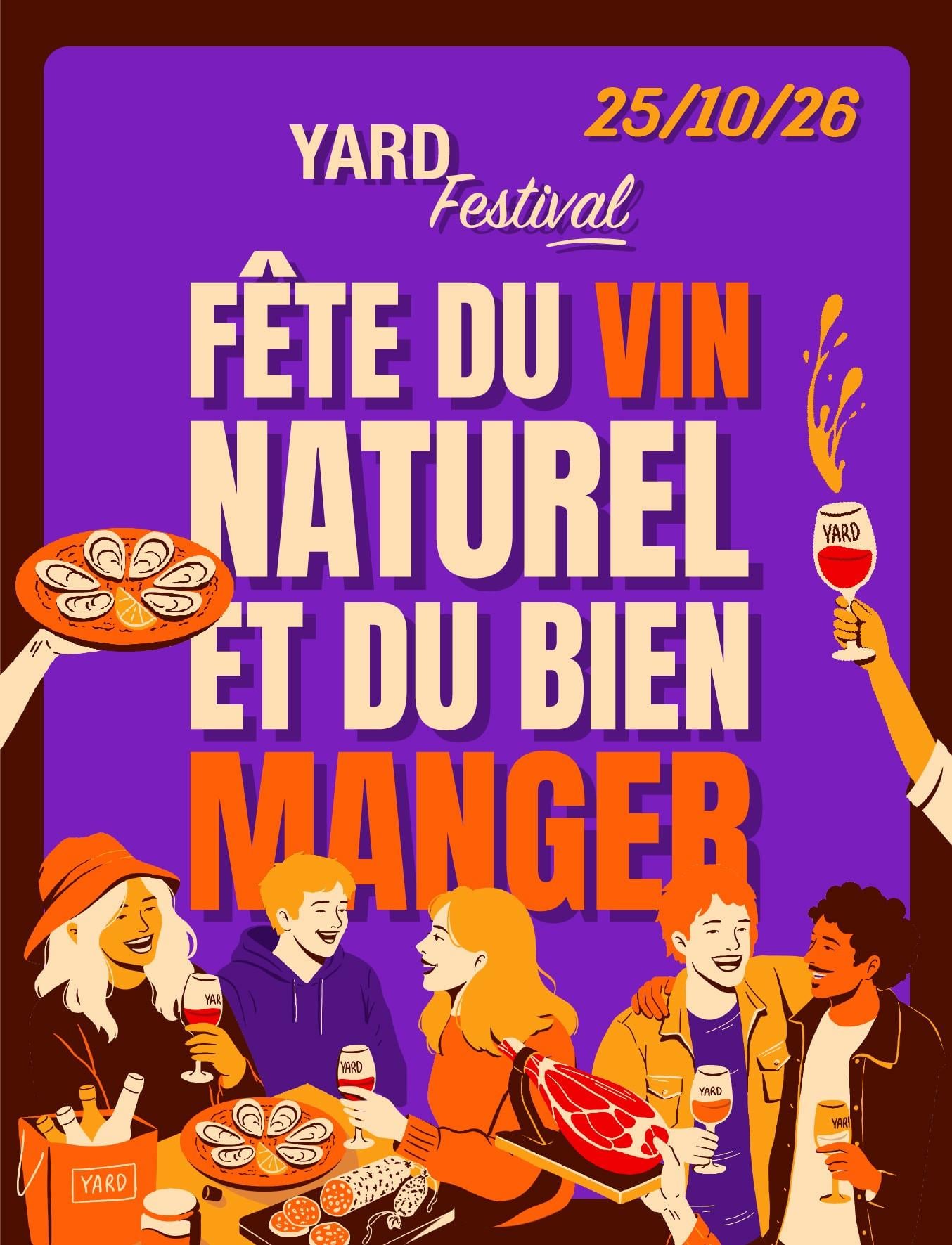
Sunday October 25
Paris
6492 KM

Saturday October 31 - Sunday November 01
Mulhouse
6872 KM

Saturday October 31 - Sunday November 01
Mulhouse
6872 KM

Sunday November 08 - Monday November 09
Turin
7047 KM
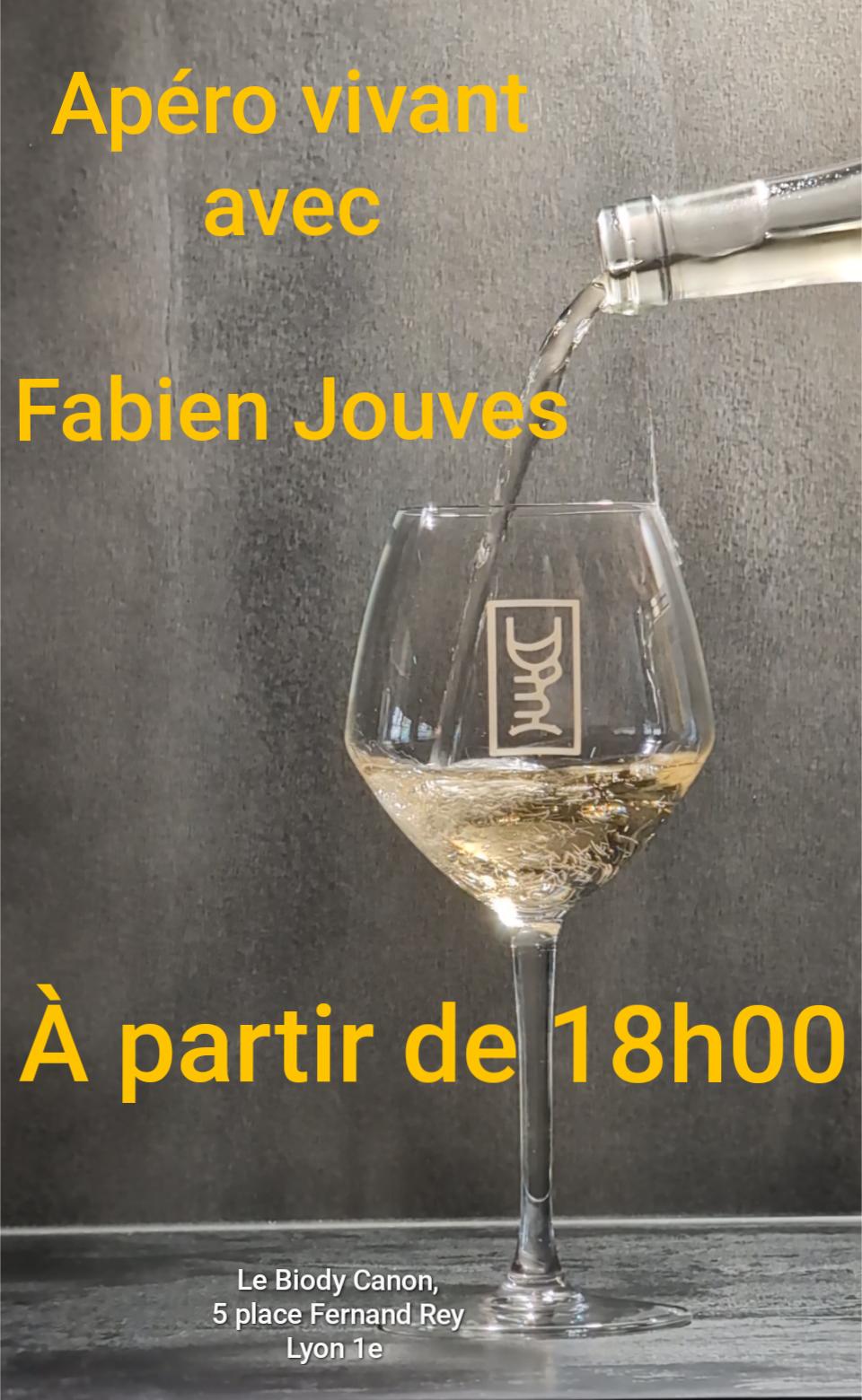
Wednesday September 23
LyonFrance
6814 KM
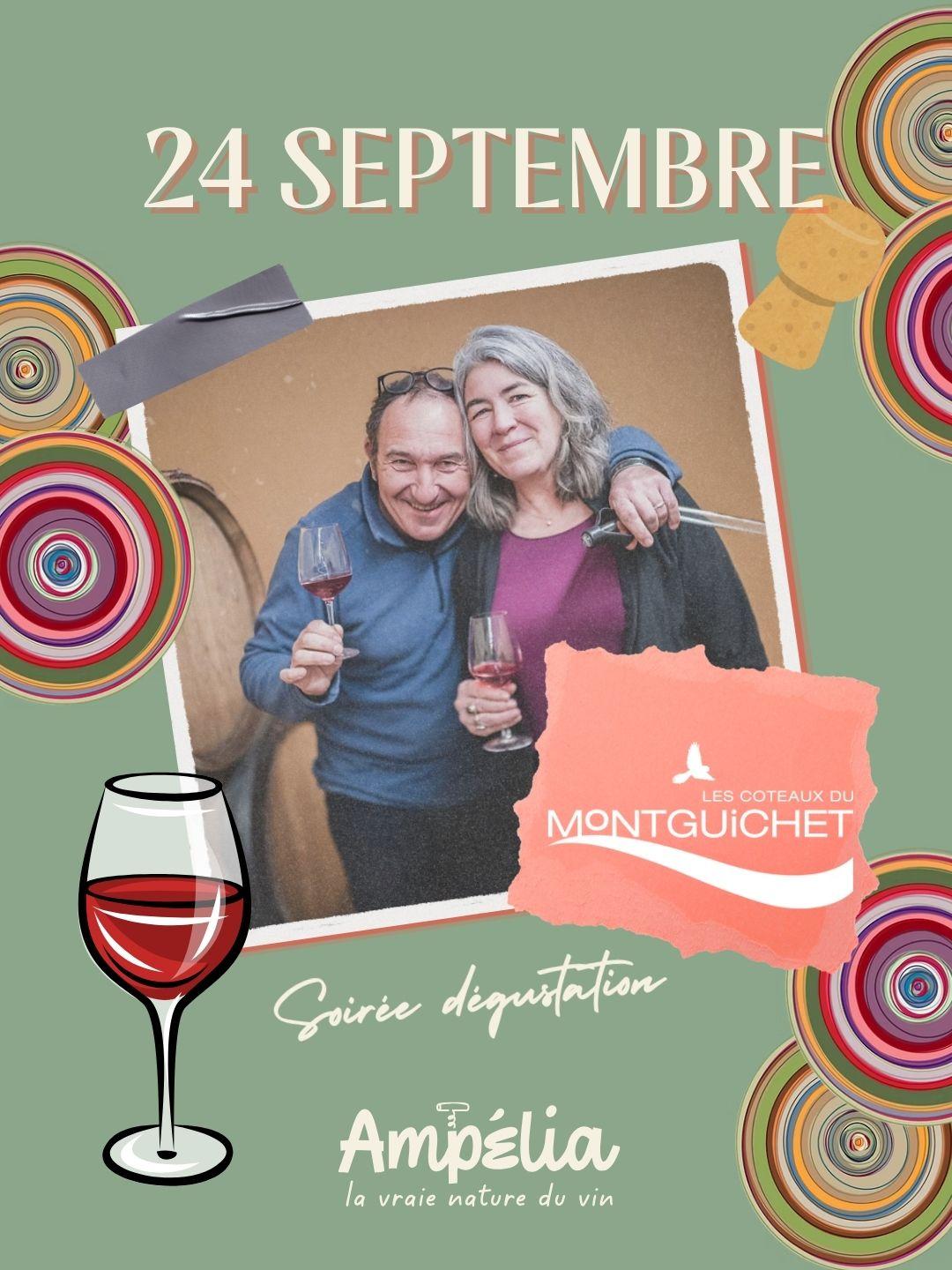
Thursday September 24
ParisFrance
6491 KM
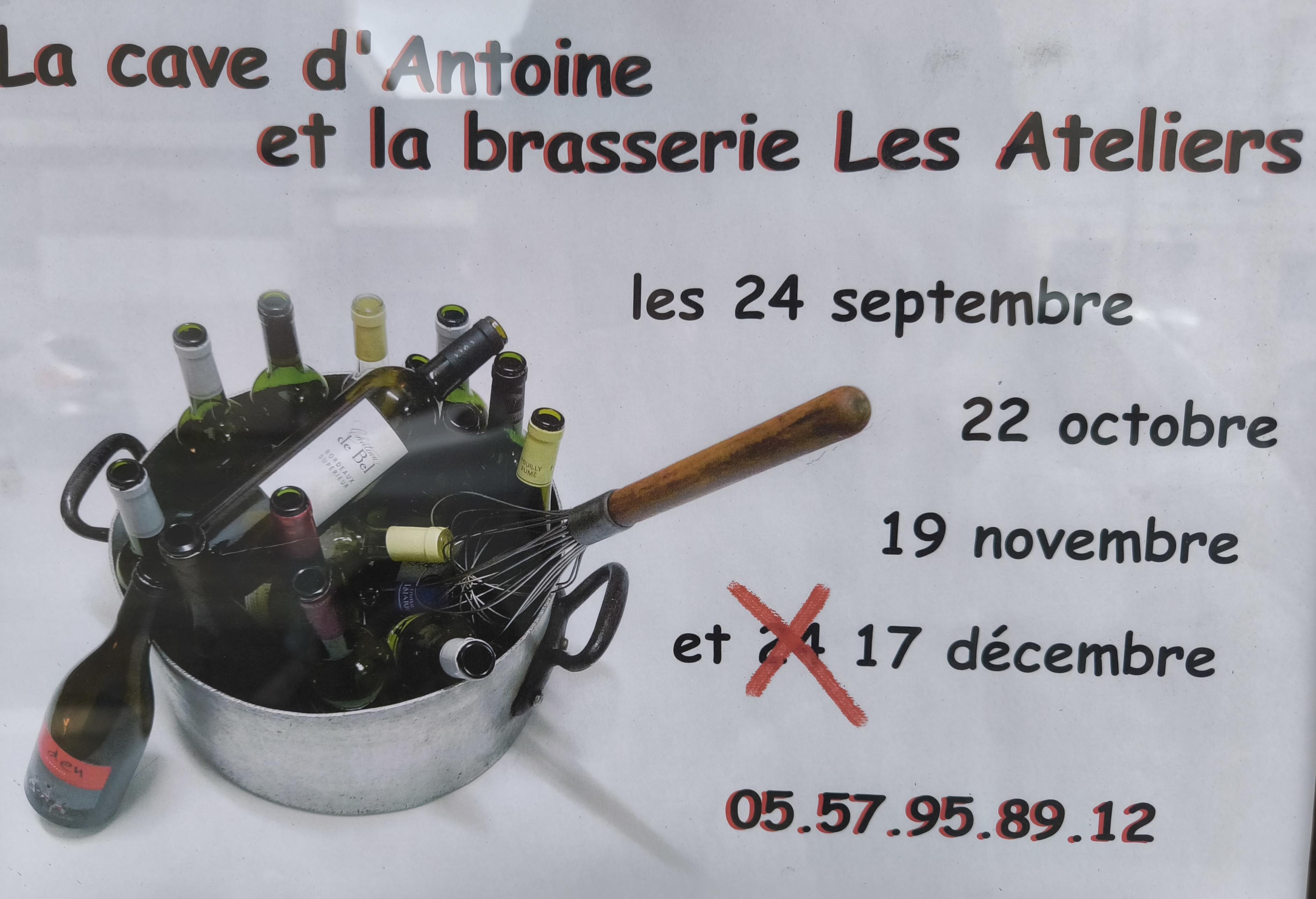
Thursday September 24
BordeauxFrance
6491 KM

Saturday September 26
AlmatyKazakhstan
10546 KM
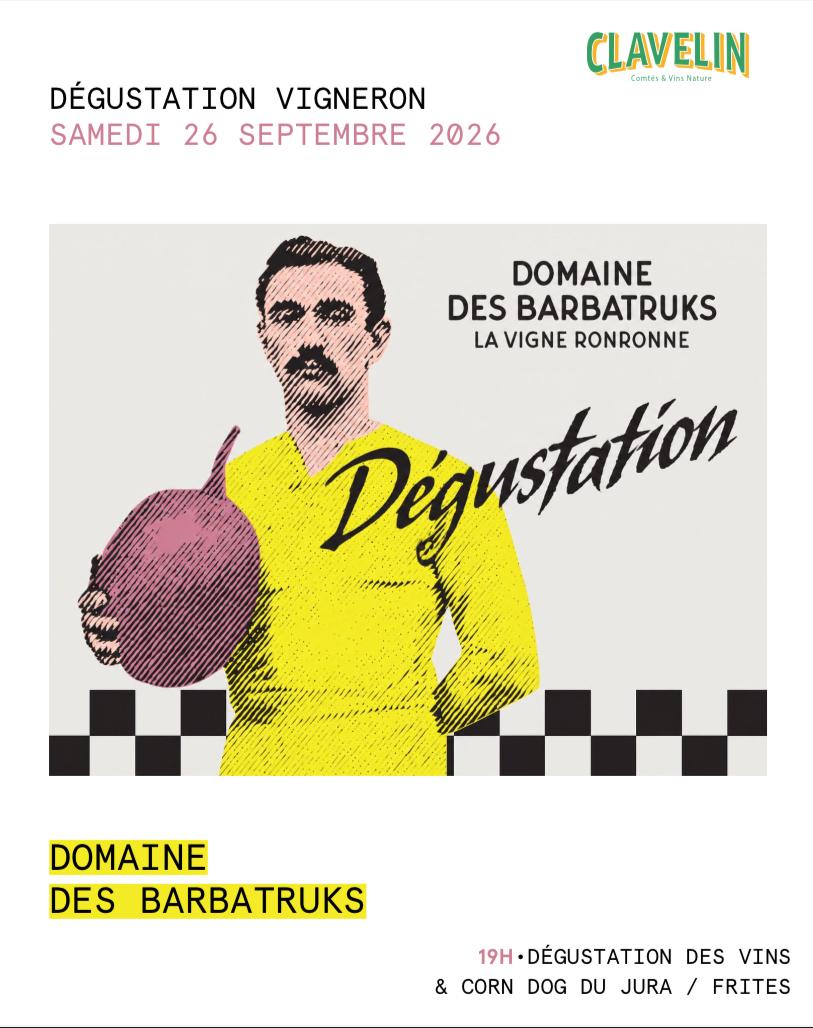
Saturday September 26
Paris
6488 KM

Saturday September 26
Ierapetra Municipal UnitGreece
8946 KM


 Winemakers
 Restaurants
 Bars
Bars Wine Shops
 Accommodations
 Events