August 25, 2026 - 0 comments
Edi Keber: When Saving the Vines Means Sacrificing the Grapes
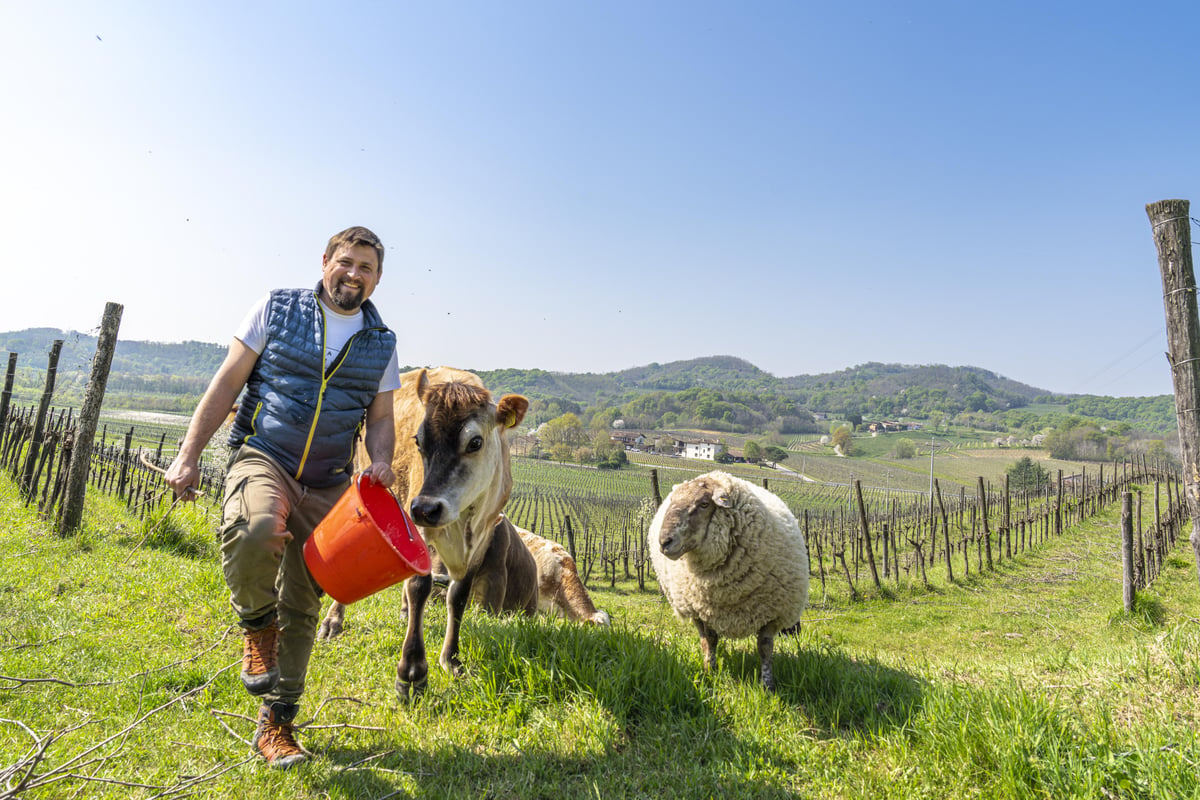
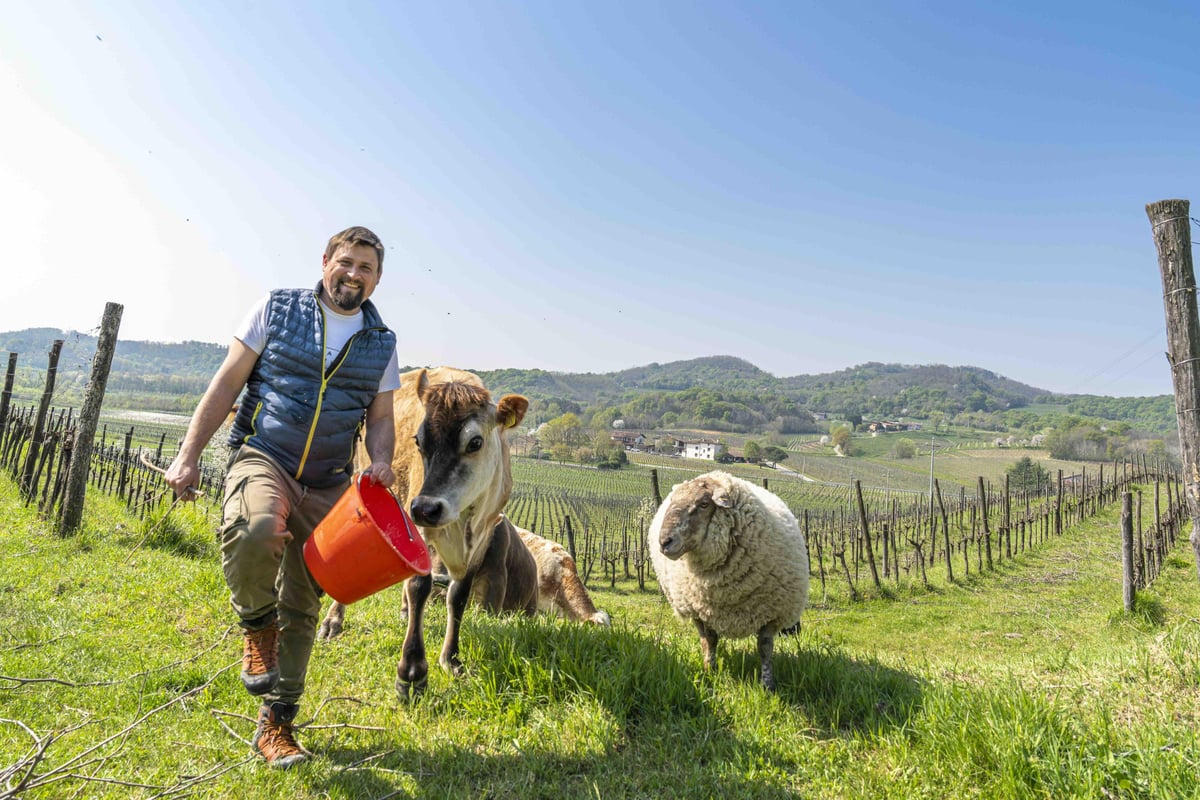
At Edi Keber, in Collio, Italy, an unusual decision in response to drought. In the estate's vineyards, on the Zegla hill, Kristian Keber walks between the rows, pruning shears in hand. He cuts off already formed bunches of grapes. He does not harvest them. He lets them fall to the ground.
One of the driest vintages ever experienced
Just a few metres from the Slovenian border, the estate is going through one of the driest vintages in its history. More than two months without a drop of rain.
« This year is an extremely difficult vintage. Perhaps the driest we have ever experienced. We have had no water for two months and ten days », Kristian tells his sister Veronika, with whom he runs the family estate.
Such an exceptional drought forces growers to make decisions that go far beyond the usual management of grape ripeness. The first priority is ensuring the survival of the vines themselves.
Reducing the crop instead of irrigating
Irrigation was not an option. And even if it had been, Kristian is not sure it would have been a good idea: it would have brought the harvest forward excessively. There was another, more radical option. Lightening the load on the plants. By removing part of the crop, the vines have fewer grapes to ripen, allowing them to conserve their limited resources under severe water stress.
The gesture is reminiscent of the crop thinning practised elsewhere to concentrate the grapes. Here, however, the aim is different. It is about giving the vines the best chance of surviving, recovering and being there next year.
A third of the estate affected, on the most challenging soils
The measure affects around 30% of the estate: the youngest vines, as well as those planted on the hardest and rockiest soils. In these soils, the roots struggle to grow deep enough to reach the lower water reserves; a difficulty that is even more pronounced in young vines, whose root systems have not yet had time to become fully established. Together, these plots account for most of the estate's vulnerability to water scarcity.
One isolated episode does not make a trend. But dry summers and heatwaves are becoming more frequent in an Italian wine region historically accustomed to a more temperate climate.
Biodynamics with a long-term perspective
This decision also reflects the way Kristian and Veronika Keber work their 12 hectares. The estate, named after their father Edi, is run according to certified biodynamic principles. The ambition is to recreate a living vineyard, where sheep and cows graze between the rows in winter, fertilising the soil and managing the grass in their own way. During the rest of the year, nettle, horsetail and valerian herbal teas, along with biodynamic preparations 500 and 501, complement the work. Over ten years, this approach has made it possible to gradually reduce the amounts of copper and sulphur used on the estate.
Removing grapes to save the vines is part of that same long-term approach. Here, caring for the vines can mean giving up part of today's crop so that they will still be here tomorrow.
« A vintage that turned out this way. We'll see what the future brings », Kristian concludes.