July 09, 2026 - 0 comments
Heatwaves, hail, early harvests: a season under pressure at Beauséjour
43°C. In late June, temperatures in Bordeaux climbed that high, barely a month after a first heatwave. In the vineyards of Château Beauséjour, in Puisseguin, just a few kilometres from Saint-Émilion, Manu Dupuy saw his leaves burn. Welcome to the 2026 vintage, already shaping up to be one of the earliest on record.
A plant that likes to be a little thirsty, up to a point
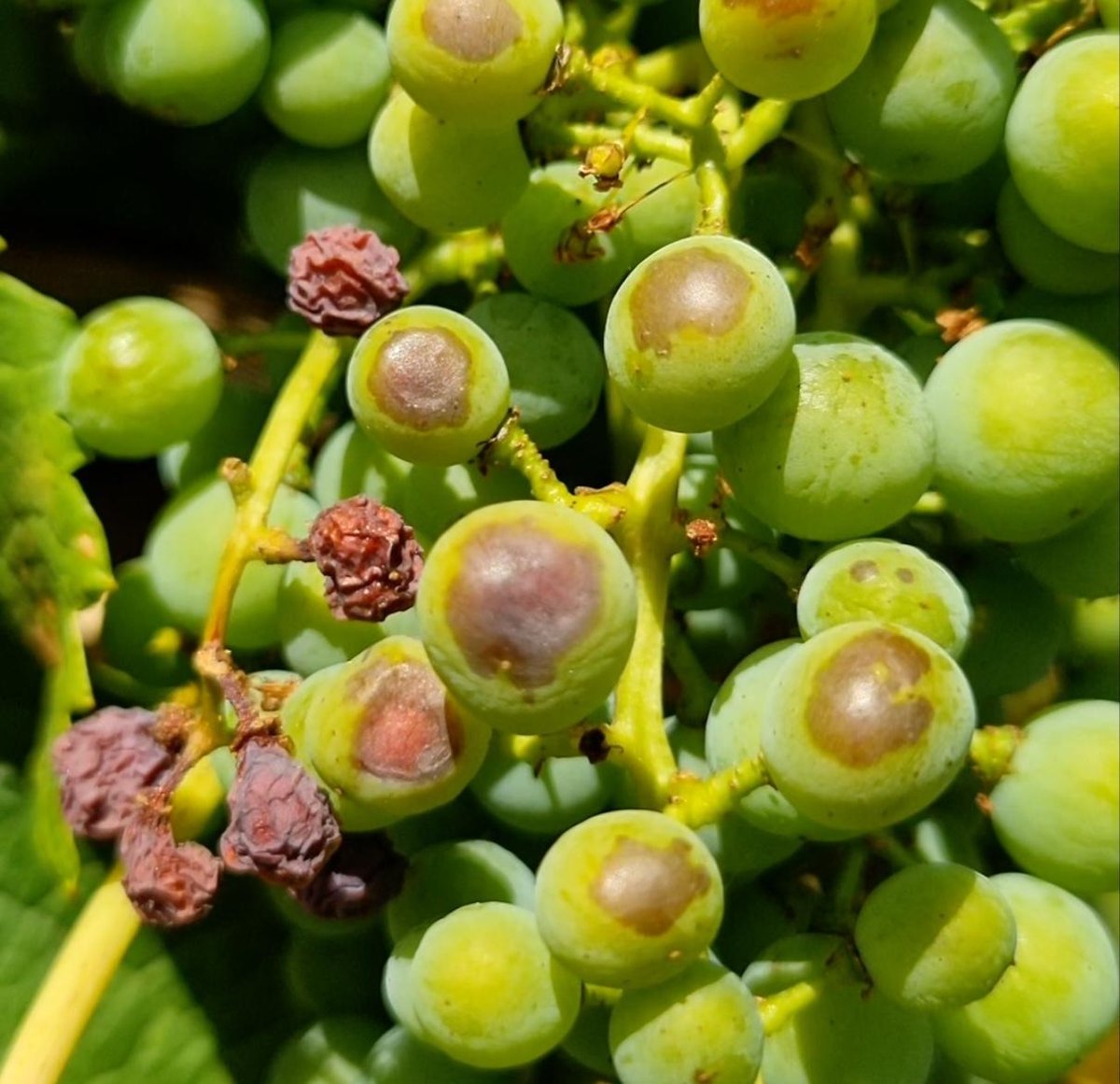
Vines are hardy plants. They tolerate heat well, and even a lack of water: it is precisely when they undergo mild water stress that great vintages are born, as the grapes become more concentrated in sugar, aromas and colour. But there is a world of difference between being “a little thirsty” and 43°C. Above forty degrees, the vine no longer concentrates: it burns. Manu Dupuy observed scorching on many leaves and, to a lesser extent, sunburn — the drying out of grape berries under the direct effect of sun and heat — on some bunches.
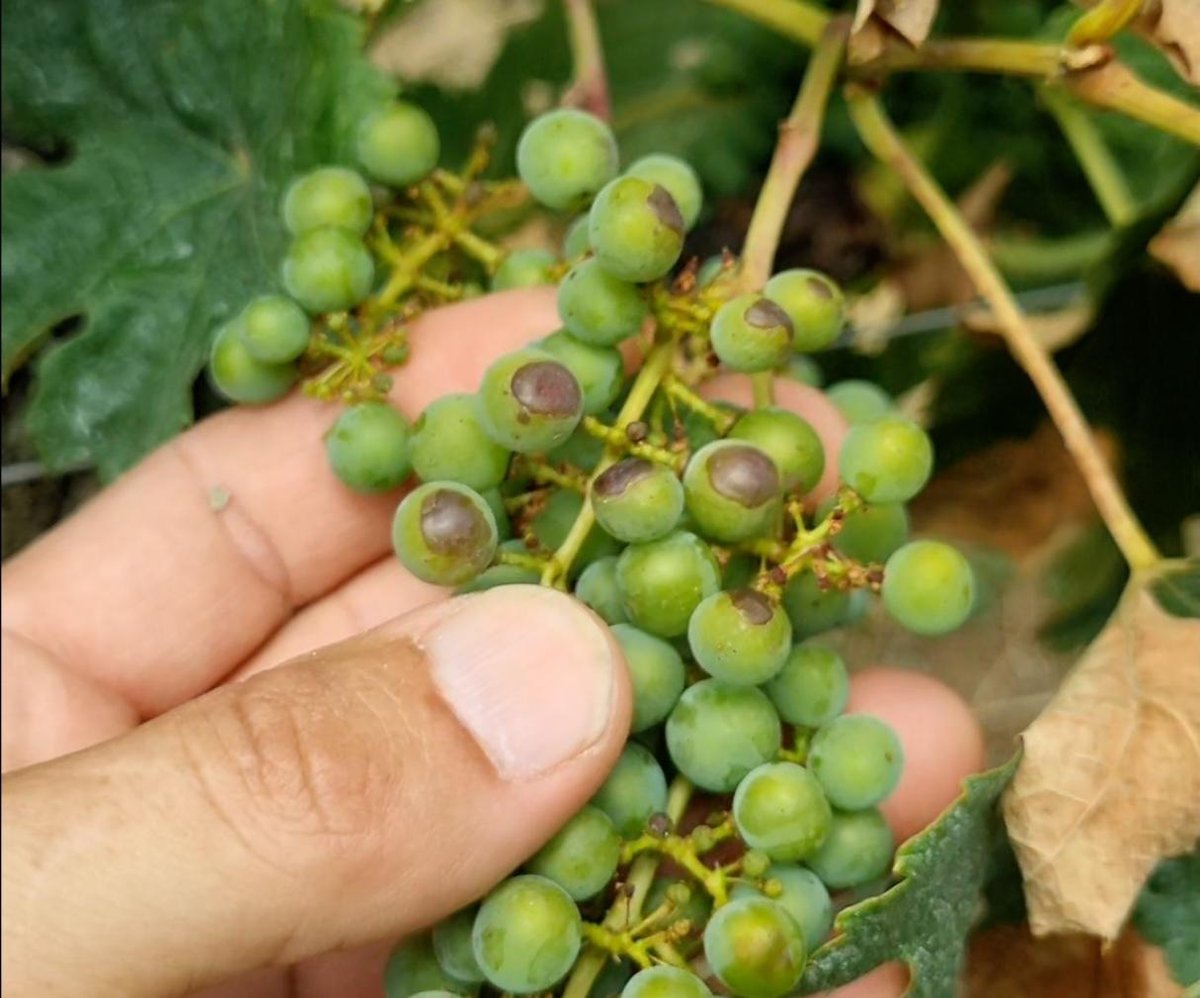
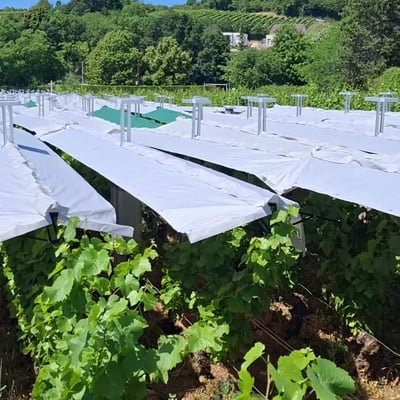
To limit the damage, there is only one strategy: keep as much foliage as possible. No trimming or leaf removal during heatwave episodes, especially on the sunset side, where the rays hit hardest and the risk of burning is highest. Water stress that is too severe can also simply stop vine growth or grape ripening in its tracks: this is known as growth blockage or ripening blockage.
Thunder rumbling after the heat
Another, lesser-known consequence: heatwaves increase the risk of storms, especially hailstorms. It is a well-documented meteorological phenomenon: it is often in the very final hours of a heatwave that the most destructive hailstones are formed.
Faced with these increasingly frequent and violent episodes, one question is stirring debate across the industry: should the ban on irrigation, currently enforced in AOC specifications, be relaxed? Some châteaux are no longer waiting for an answer: they are voluntarily leaving the appellation system in order to irrigate their plots.
The irony of fate: less water, fewer diseases
There is still one benefit, “perhaps the only one,” Manu Dupuy suggests, to these extreme conditions: drought and high temperatures prevent the development of fungal diseases such as downy mildew, powdery mildew and black rot, all of which need water and humidity to proliferate. Healthier vines also mean fewer treatments, and therefore savings in diesel and phytosanitary products.
A vintage ahead of everyone else
What these successive heatwaves confirm is the acceleration of the vine’s vegetative cycle. By early July, véraison — the moment when the berries change colour and begin ripening — has already started in Bordeaux. A completely unprecedented situation for the region, suggesting an extremely early harvest.
At Château Beauséjour, biodynamics as a long-term response
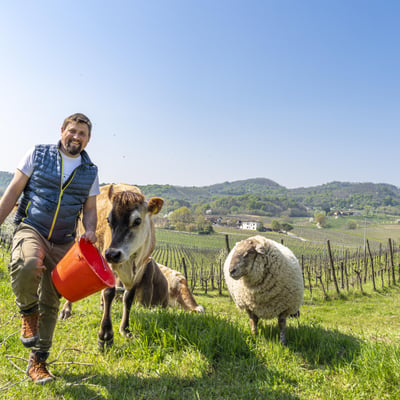
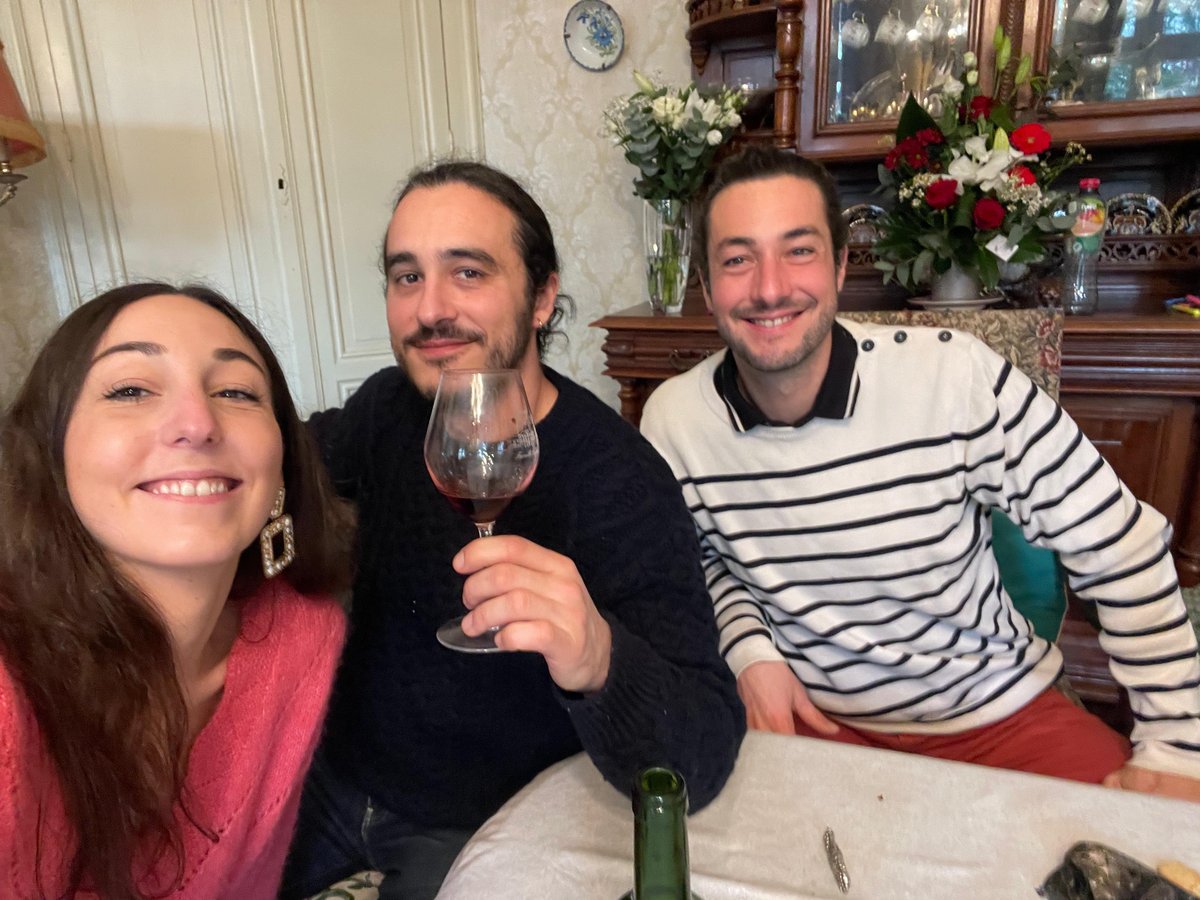
At Château Beauséjour, Victor, Camille and Manu Dupuy are carrying on a family tradition that has been passed down through four generations. Here, the family has been making wine without chemicals for more than a century, “as my grandfather did,” Alain Dupuy was already saying in 1995, the year his son Gérard took over the estate and obtained organic certification from Ecocert.
Since then, the estate has gone one step further by embracing the principles of biodynamics. In the vineyards, there are no pesticides and no herbicides: only natural fertilisers and biodynamic herbal teas made from nettle and horsetail, sprayed to strengthen the plant. The attention paid to rainwater management and to biodiversity, both fauna and flora, is an integral part of the daily work. The estate also draws on research by Génodics, which can be likened to a form of quantum medicine: sound frequencies modelled on those of the earth are broadcast through the vines to stimulate the plant’s natural defences.
Faced with increasingly harsh summers, this approach takes on a particular resonance: a healthy vine, grown in living soil, is also a vine better equipped to withstand the excesses of the climate.
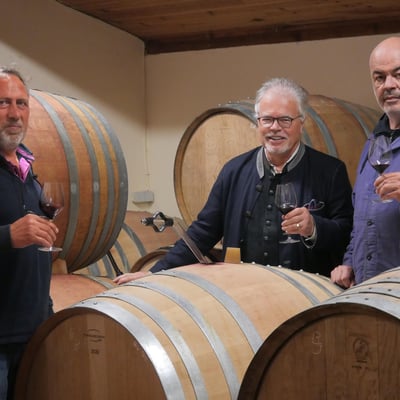
Vinification takes place on site, in Puisseguin, in the old cellar of the chartreuse where the barrels rest. The wines that emerge from it reflect the place: distinctive, full-bodied, tannic and warm. For the past eleven years, the estate has also been producing cuvées with no added sulphites, made from a rigorous parcel selection.
Between repeated heatwaves and harvests that have never begun so early, one thing is certain: at Beauséjour, as elsewhere in Bordeaux, winegrowers are rewriting their calendar to the rhythm of the thermometer.