June 18, 2026 - 0 comments
Debudding: The Invisible Vineyard Task That Changes Everything
In spring, the vine doesn’t ask for permission. It grows everywhere, in every direction, with an almost overwhelming energy. And that is exactly when the winemaker must make choices. Not in the cellar. Not at harvest. Right now, hands in the leaves, row after row.
A Year of Decisions
Making wine is a succession of decisions made in the vineyard long before the cellar comes into play. Each one shapes the harvest to come.
It all begins in winter with pruning. The grower cuts back the previous year’s canes and decides the shape of the vine and the number of buds that will remain. It is the foundational gesture, the one that determines the potential of the entire season. Too many buds and the vine risks exhausting itself and losing energy. Too many buds and the vine risks exhausting itself and spreading its resources too thinly. Too few and excessive vigour can lead to dense vegetation, shading and an imbalance between growth and fruit production. Pruning is already a philosophy.
Spring brings debudding. Then comes summer and leaf removal: taking leaves away from around the grape clusters to allow light and airflow to enter, helping to reduce humidity. Sometimes there is also green harvesting, removing entire bunches before they ripen in order to concentrate the vine’s energy on the remaining fruit.
At every stage, the goal remains the same: balancing the vine’s vigour with the amount of fruit it carries.
The Spring Selection
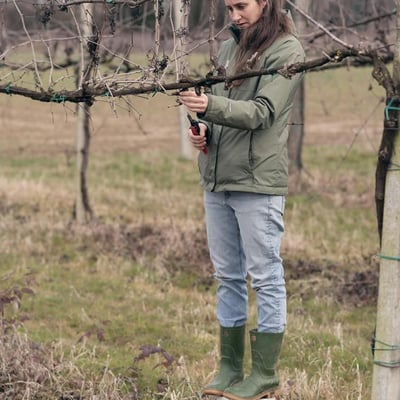
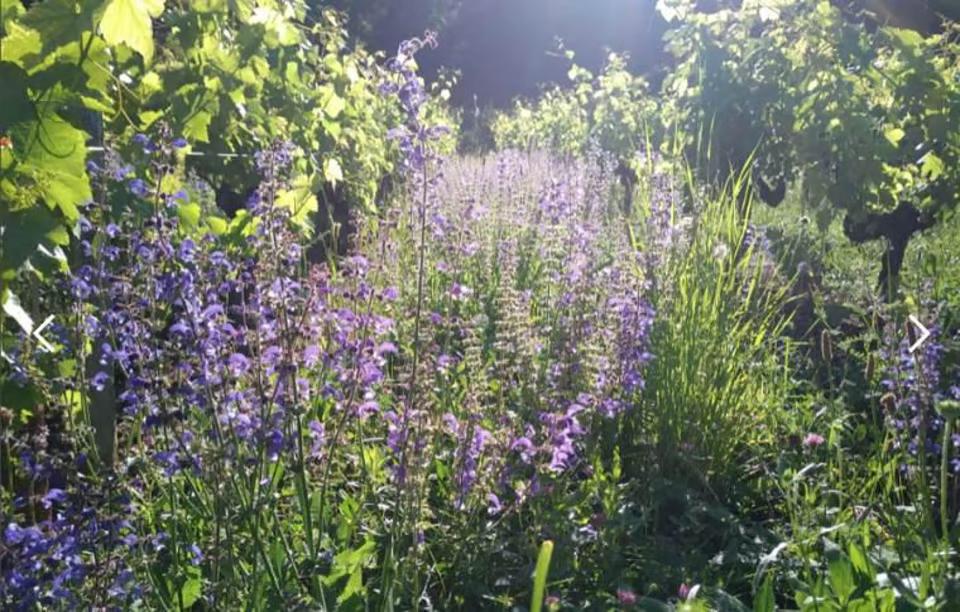
Debudding may be one of the least glamorous vineyard tasks. By hand, the grower removes unwanted shoots and part of the new growth—often every other shoot—and also eliminates the suckers growing from the base of the vine, which consume energy without producing fruit. The objective is simple: direct the vine’s vitality back into the shoots originally selected during pruning. No unnecessary growth. No wasted energy.
By opening up the canopy, debudding creates another benefit that is less visible but equally important: more airflow and more light between the leaves. Less humidity. Fewer diseases. Less need for intervention later in the season.
When the vine’s crop load is balanced with its vigour, grapes can reach their optimum concentration. Combined with efficient photosynthesis, this leads to greater consistency across the vineyard and, ultimately, wines that are more balanced, deeper and of higher quality. It is the choice of growers who seek an equilibrium between quality and quantity, without compromise.
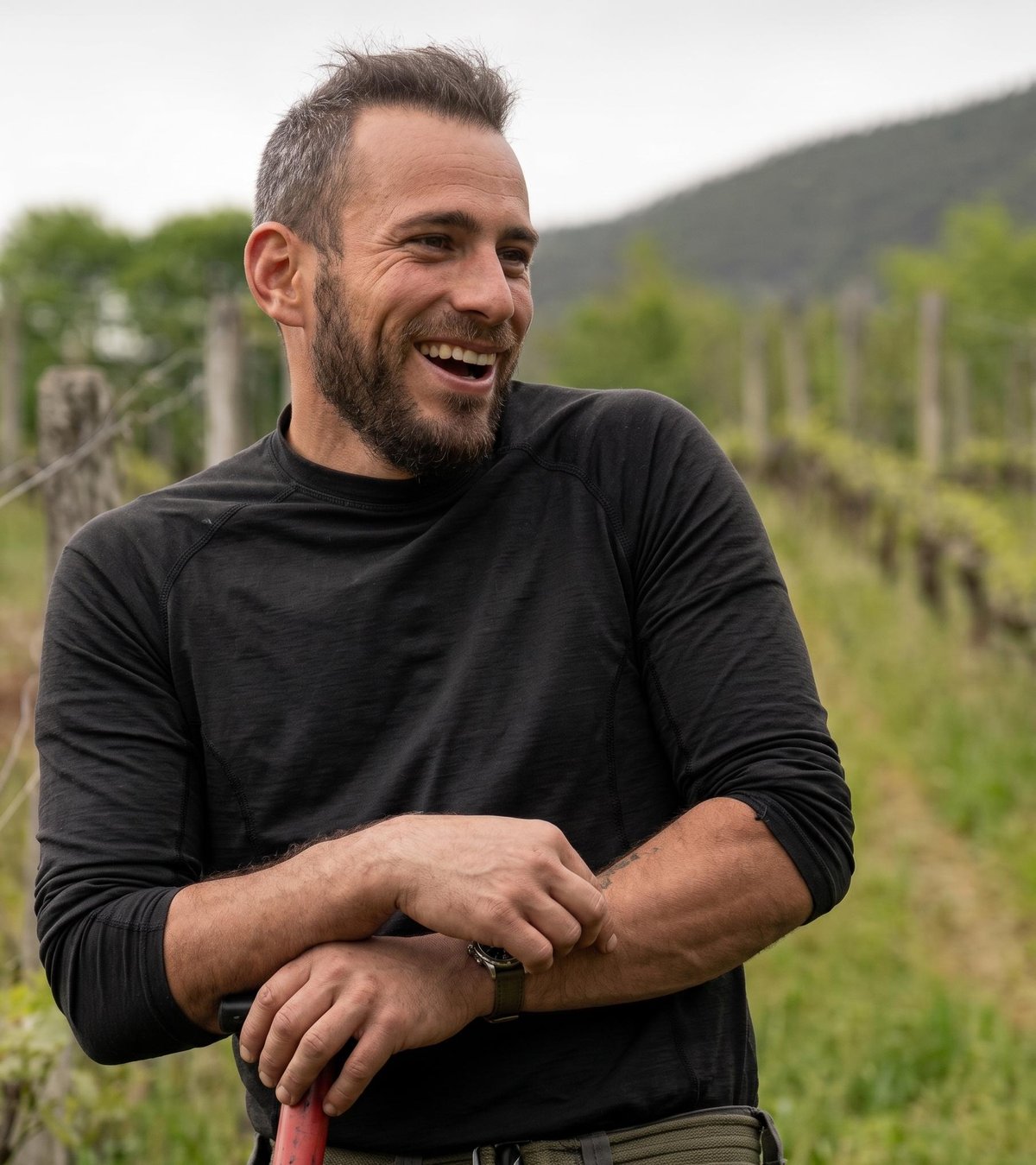
Corentin Houillon, An Architect of Living Systems
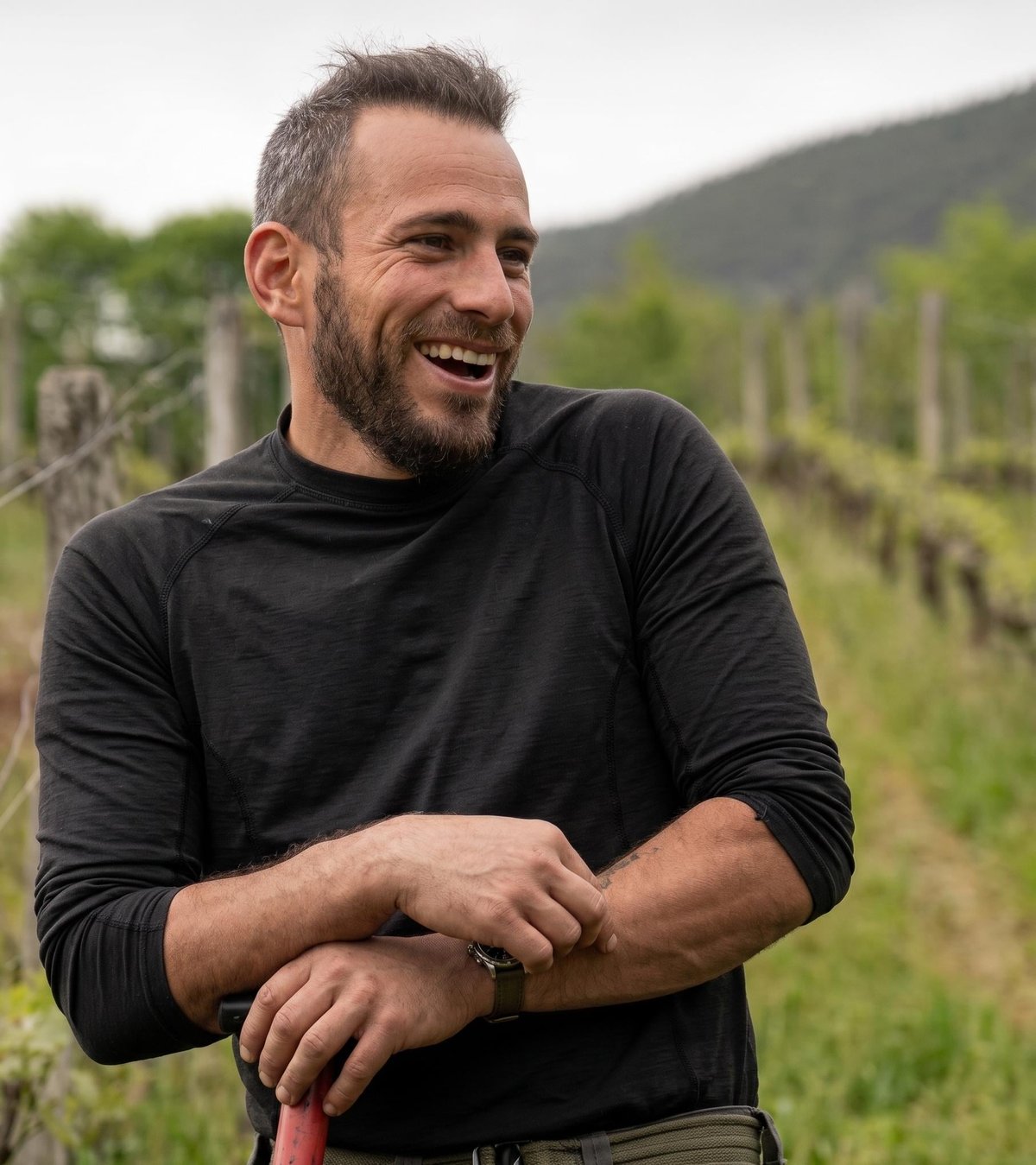
Corentin Houillon, a winemaker in Chautagne, in northern Savoie, is one of the people passing this knowledge on. His estate is called Flower Bird’s Place, Domaine de Veronnet. His training programme, Architecte du Vivant (“Architect of Living Systems”), created alongside Marceau Bourdarias, lives up to its name: here, working with vines means collaborating with living ecosystems rather than trying to control them.
His relationship with viticulture began early, in Pupillin in the Jura, alongside Pierre Overnoy, where he was brought by his grandmother Anna. His feet were in the Ploussard vineyards during the 1993 harvest. Long before he knew what “natural wine” meant, he was already living its philosophy.
Since then, he has seen every side of the wine world: the prestigious wine schools of Beaune and Montpellier, biodynamic estates in France and New Zealand, as well as industrial wineries in California and Australia. Different worlds, experienced from the inside. A way of understanding, through contrast, what he truly believed in.
What Spring Decides
What debudding reminds us is that wine does not begin in the cellar. It begins in April, in this patient and repetitive gesture that nobody photographs and that nobody sees in the glass.
The grape and the soil are one. Care for the vine, and the wine will follow.