August 06, 2026 - 0 comments
The Canopée: an umbrella over the vineyards of Domaine Henri Naudin-Ferrand
Some years, an entire season’s work disappears in a matter of minutes. An April frost. A June hailstorm. A heatwave that scorches the grapes before harvest. In 2021, Burgundy lost 50% of its harvest due to extreme weather. In 2014, some plots suffered losses of up to 90% because of hail. In the vineyard, climate risk is not an abstraction; it is a reality every winegrower knows intimately.
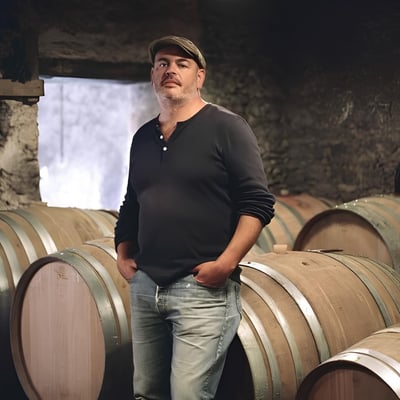
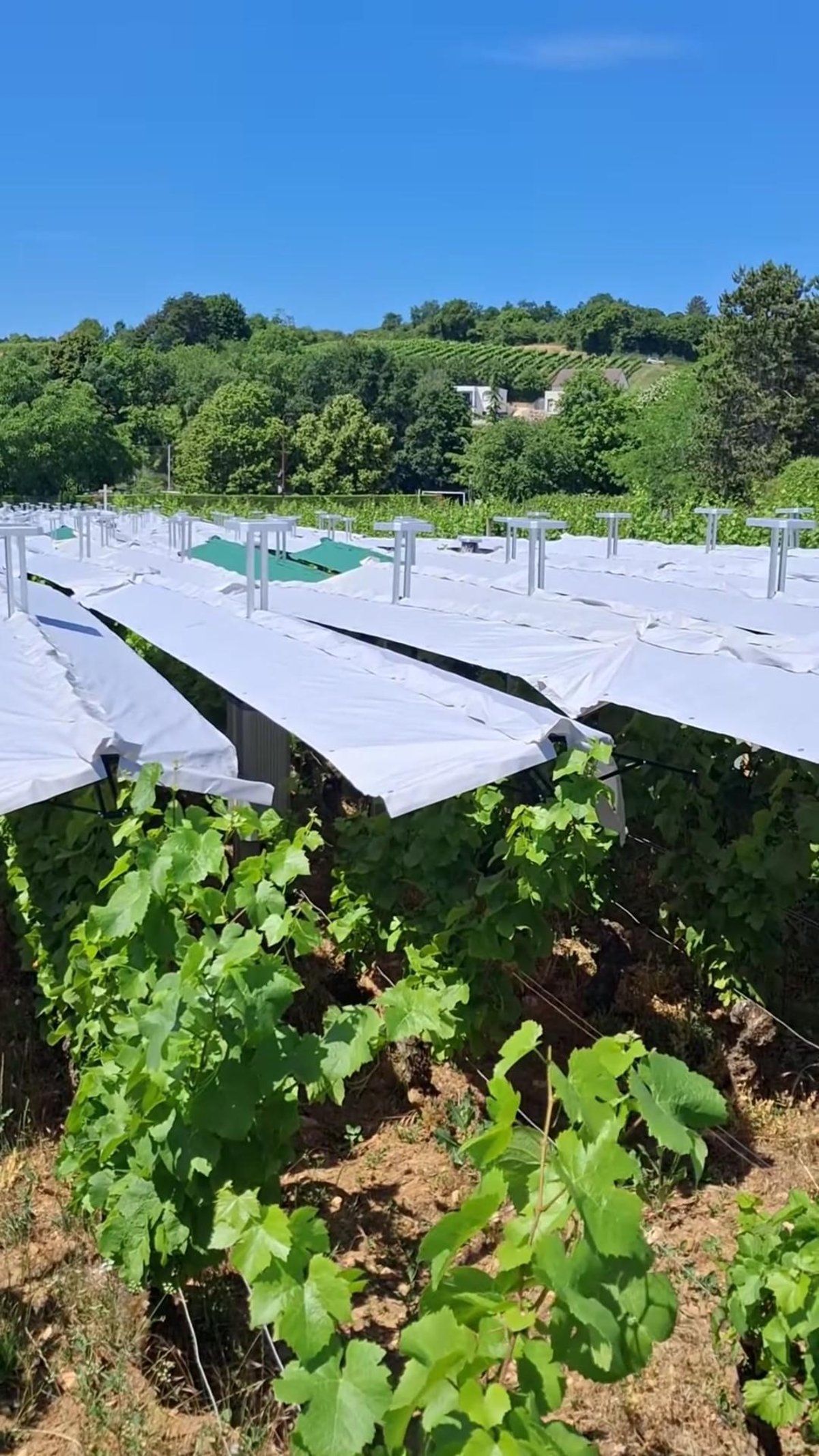
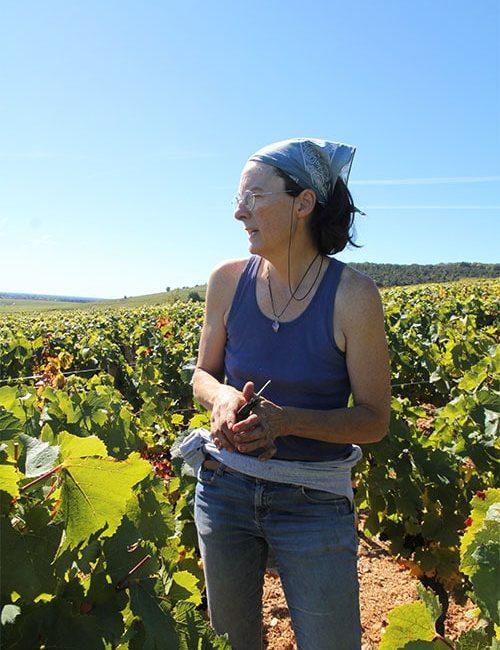
Claire Naudin, who runs Domaine Henri Naudin-Ferrand in the Hautes Côtes de Nuits, Burgundy, has experienced it just like her neighbours. And it is in her vineyards that something unusual can now be seen: Bienesis Canopées, installed row after row and ready to unfold.
Protecting without compromising
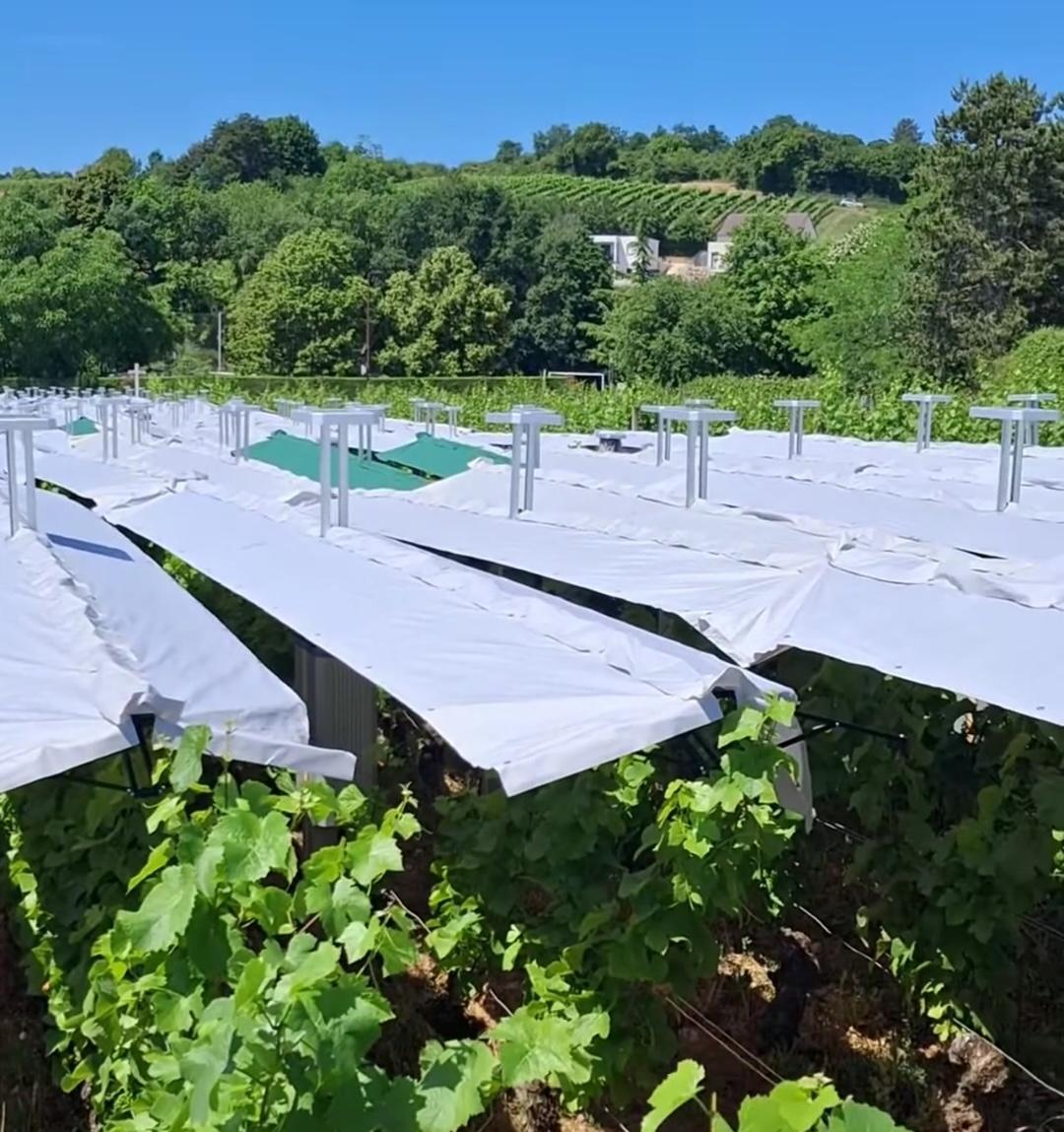
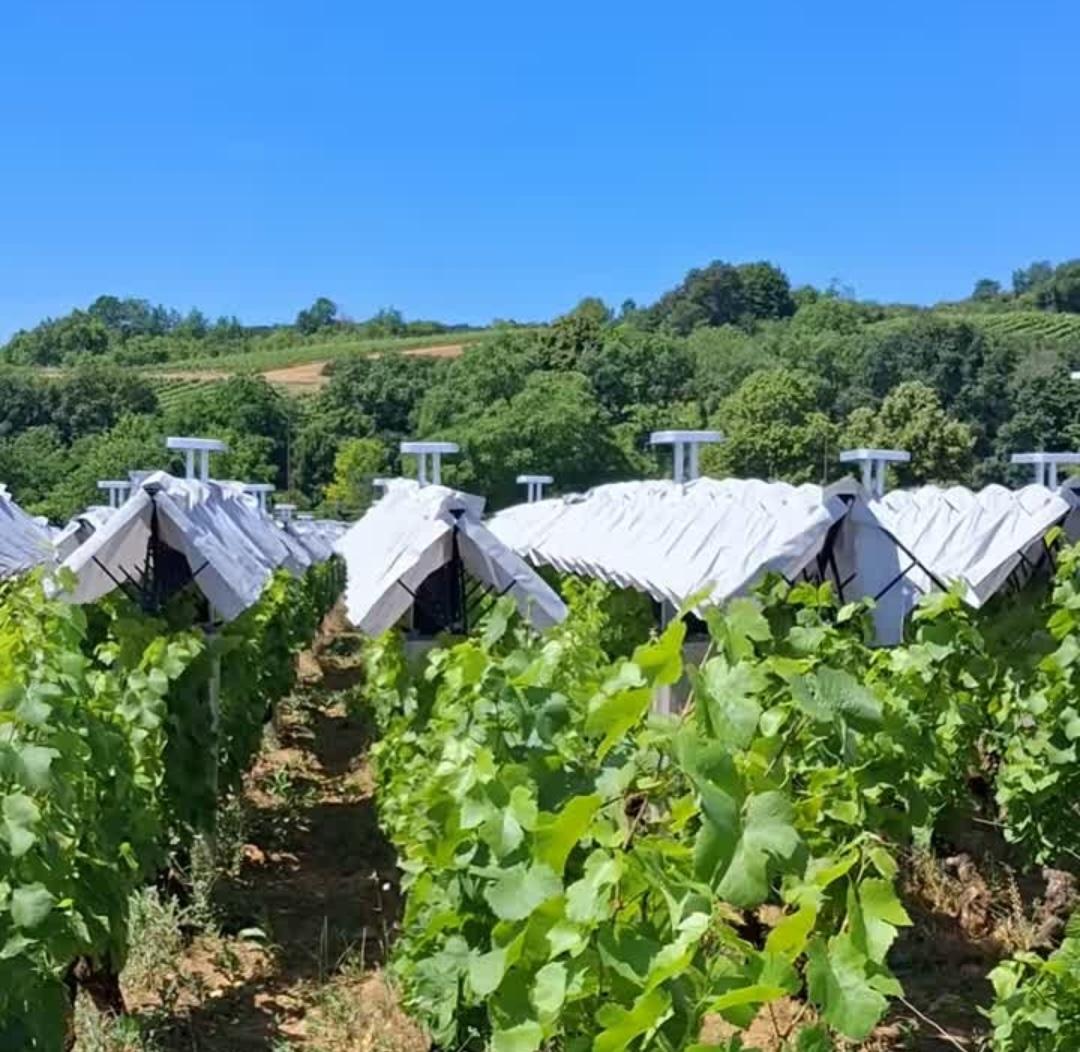
The Canopée is a smart, removable cover designed to protect vines from destructive climatic events: late spring frosts, hail, water stress and sunburn. Folded inside a casing the size of an A4 sheet of paper, it can be opened remotely with a single click via a mobile app, forming a six-metre-wide umbrella above the rows. Agricultural machinery can still pass through and the landscape remains unchanged. The structure is energy self-sufficient and can withstand winds of up to 80 km/h.
What sets this solution apart is that it does not attempt to replace nature, but to soften its excesses. Sensors installed in each plot monitor conditions in real time. The winegrower decides when to act. The rest of the time, the vine continues to grow in the open air.
Less copper in the soil
There is another, less visible benefit that matters greatly to organic winegrowers and those following a natural approach: protecting vineyard treatments from being washed away.
When it rains immediately after a copper treatment, the standard organic fungicide used against downy mildew, everything is washed away. The winegrower has to spray again. Each additional application means more copper accumulating in the soil, a heavy metal whose effects on microbial life are causing increasing concern.
By unfolding during a storm, the Canopée can protect a recently applied treatment and prevent the need to repeat it. Fewer tractor passes, smaller doses and less impact on the soil. For winegrowers seeking to reduce their inputs, this is a concrete advantage, not a marketing promise.
There is another risk that winegrowers monitor closely during hot weather: sulfur phytotoxicity. Above 32°C, sulfur applied to the leaves can burn the plant, producing the opposite effect to the one intended. By regulating the microclimate beneath its structure and protecting recently applied treatments, the Canopée reduces exposure to both of these risks.
Claire Naudin, a winegrower who refuses to compromise
It is no coincidence that Claire Naudin agreed to experiment with the Canopée. Her estate covers 22 hectares across the Hautes Côtes appellations and several renowned crus, including Échezeaux and Nuits-Saint-Georges. It is run according to a philosophy that rejects both standardisation and dogmatism. She works with organic methods without seeking organic certification, in order to preserve her freedom. She makes wine without added yeasts or enzymes, often without sulfur, and with extremely rigorous grape sorting.
For her, quality begins in the vineyard. And anything that threatens the vine threatens everything.
Figures that speak for themselves
Bienesis conducted its first trials in 2024 and 2025 with several partner winegrowers in Burgundy, under independent scientific monitoring. The result: between 23% and 129% greater harvest weight beneath the Canopée, depending on the plot and vintage. Jean-Yves Bizot in Vosne-Romanée and Laurent Lignier in Morey-Saint-Denis were among its first users. The solution was developed following more than 200 interviews with wine-industry professionals and is adapted to each individual plot according to its training system, planting density, slope and soil type.
Technology serving terroir
Her husband, Jean-Yves Bizot, sums up the philosophy in a single word: protectum, which in Latin means a covering or roof. Not a treatment. In this context, the Canopée is not a chemical intervention, but a shelter.
Ultimately, the Canopée raises a broader question: how can a winegrowing heritage built over centuries be protected from a climate that is spinning out of control? Winegrowers such as Claire Naudin are wary of chemical tools or are moving away from them. Large-scale solutions have their limitations in terms of visual impact, cost and effectiveness.
The idea of targeted, controlled and reversible protection is beginning to find its place in the vineyards. Not to replace human labour, but to give it the time it needs to express itself all the way through to the harvest.