October 16, 2026 - 0 comments
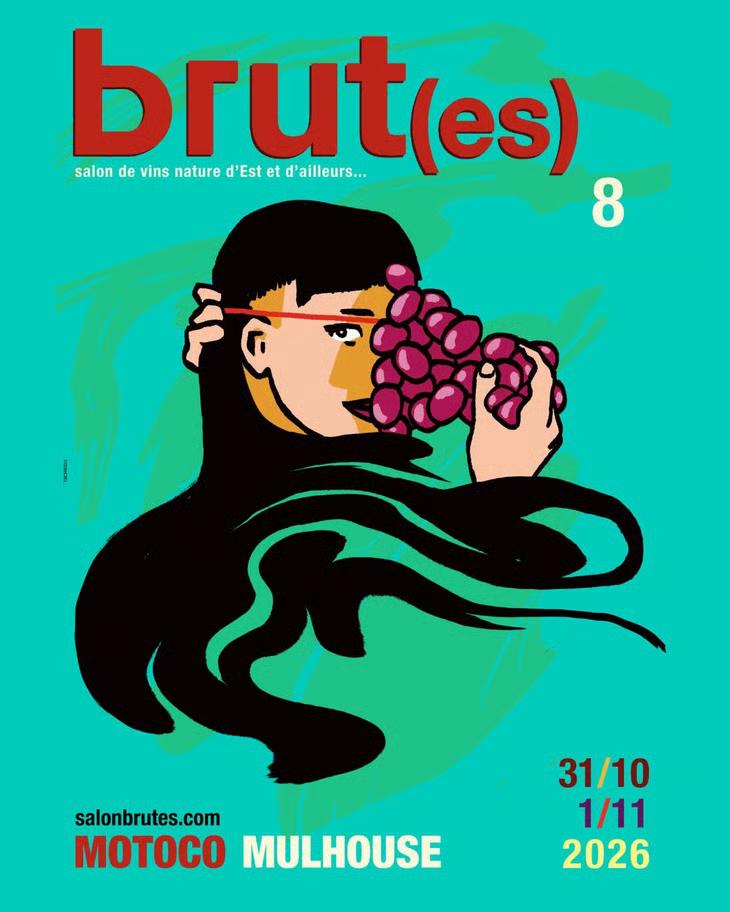
Brut(es) Is Back, and This Time With Extra Ferments!
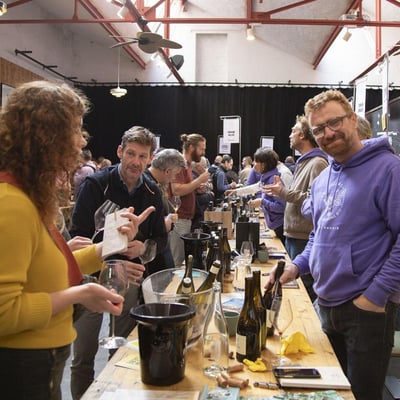
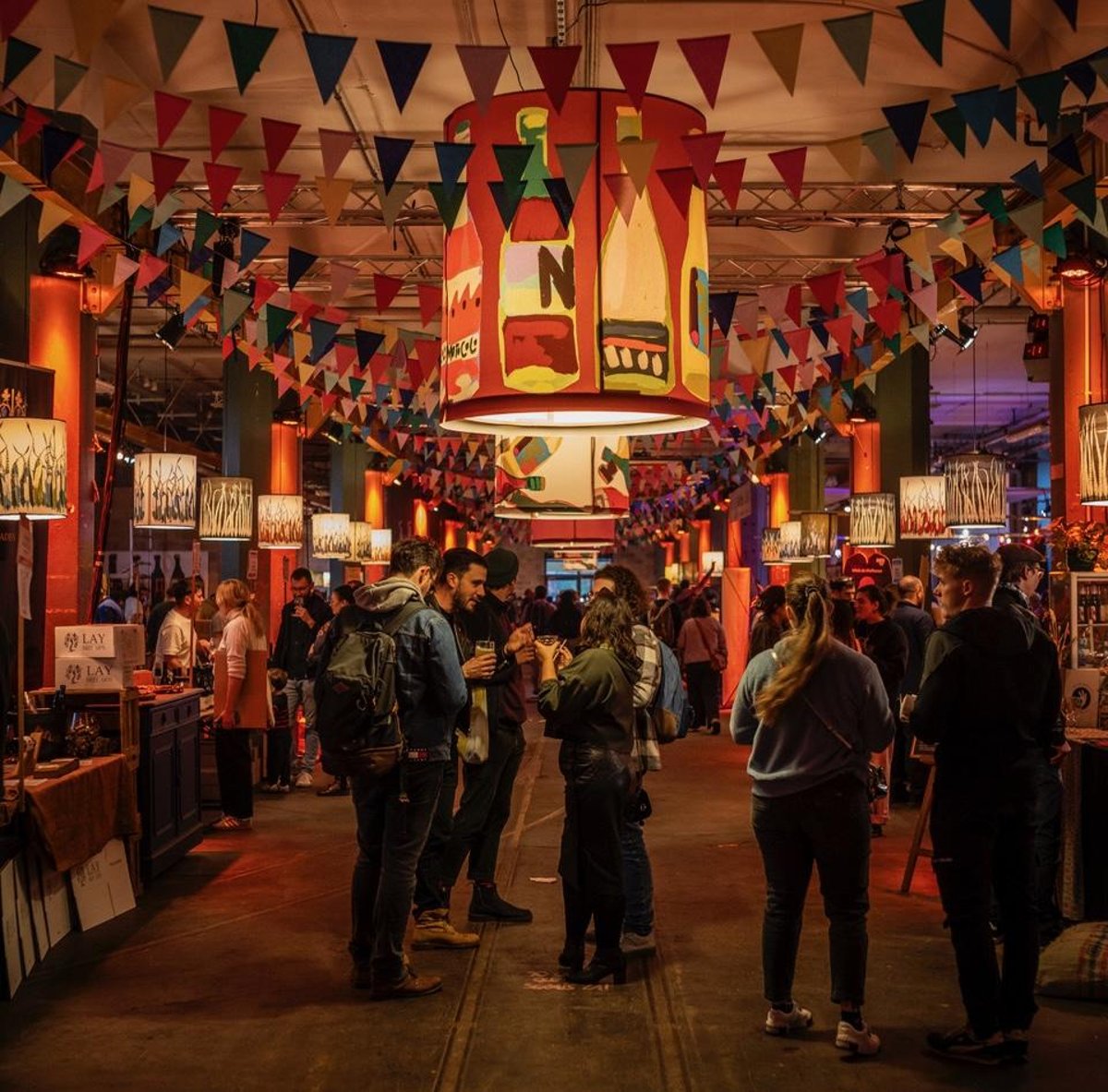
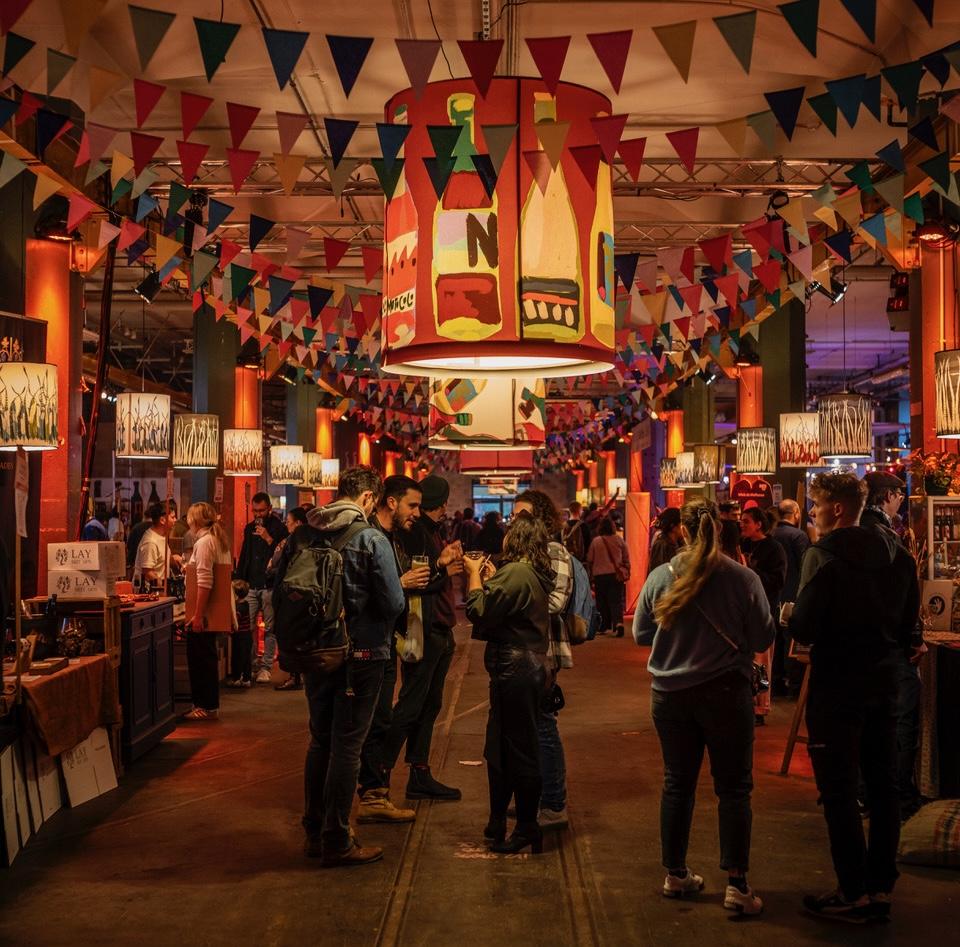
Natural wine fairs can sometimes feel like they exist in their own little ecosystem. Producers, bottles, familiar faces, long conversations and, hopefully, a few discoveries that stay with you long after the last glass has been poured. In Mulhouse this year, Brut(es) returns with that same spirit, while also opening the door to something slightly broader.
Alongside the wine fair, a new event called Ferments will explore fermentation beyond the bottle, bringing together everything from kombucha and miso to vinegar, amazake, garum and of course cider and beer, which are an important part of the event.
Both events take place at Motoco in Mulhouse on October 31 and November 1.
From wine to fermentation
The idea for Ferments grew out of a conversation with Elsa Steullet, founder of Atelier Particulier de Fermentation, who had previously organized a fair dedicated to mixed fermentations in Sainte-Croix-aux-Mines.
For the Brut(es) team, the connection with their existing work was fairly natural. They had already been working around natural fermentation through wine, cider and beer, so why stop there?
“We felt it made sense to build on our commitment to natural fermentation in wine, cider and beer, and expand it to all kinds of liquid and solid ferments.”
It is less about creating a completely separate universe than looking at something that was already sitting underneath the natural wine movement: the fermentation itself.
What exactly is a “ferment”?
Fermentation is one of those words that can sound increasingly familiar while still covering a surprisingly large territory.
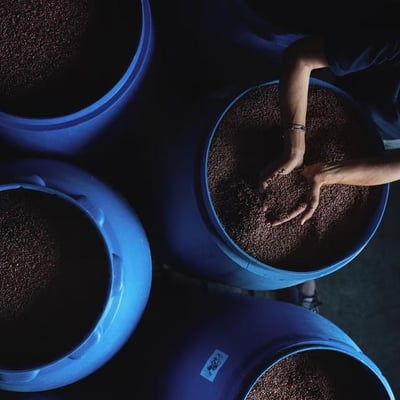
At Ferments, the focus is on the microorganisms behind the process: yeasts, bacteria and fungi working together to transform raw materials. The common thread between the products presented at the fair is natural fermentation, without additives, pasteurization or carbonation.
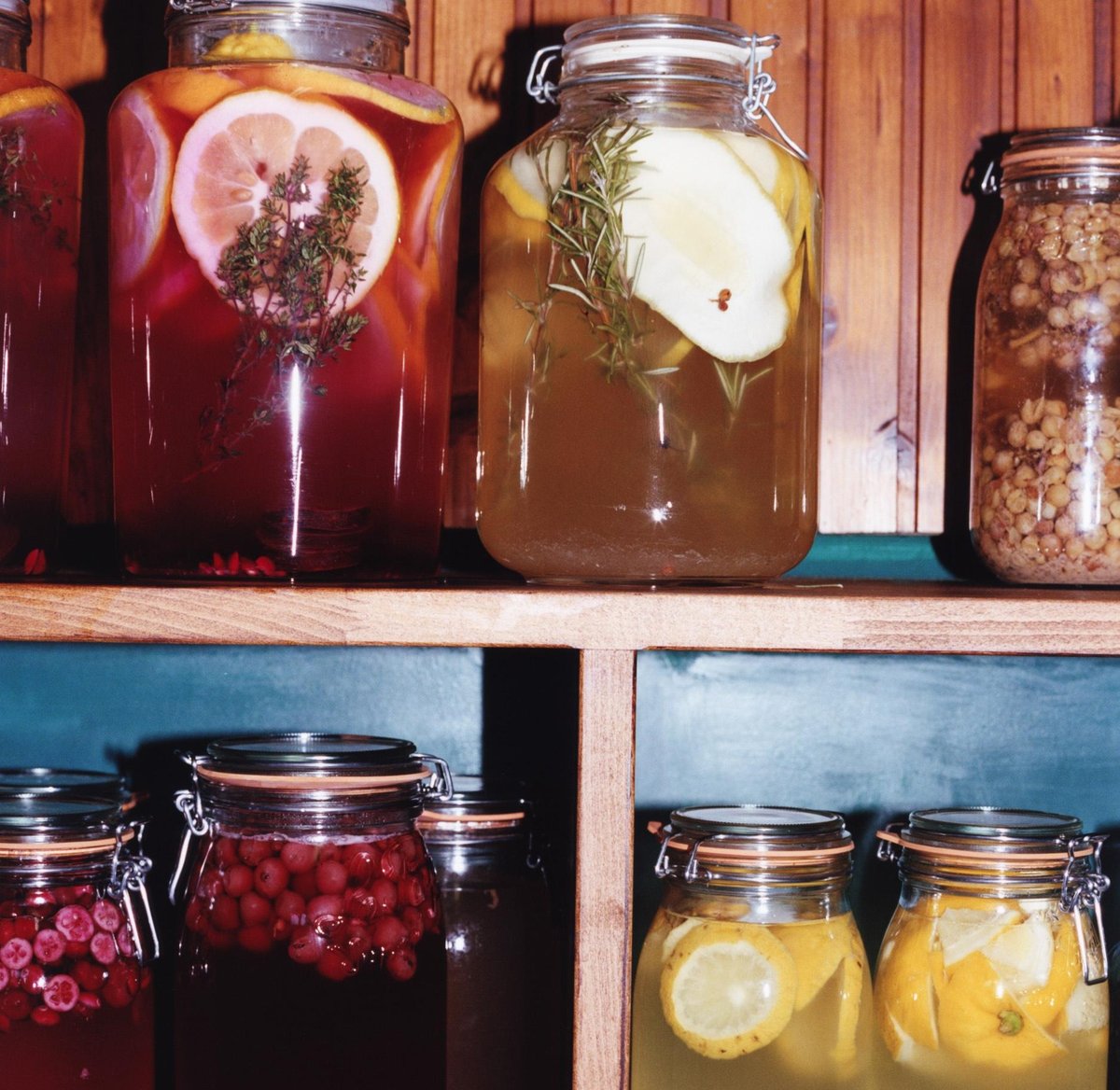
That creates a very different landscape from a traditional wine fair. Visitors might encounter kombucha, ginger beer, jun and spontaneous fermentations alongside cider and beer, but also miso, amazake, sake, garum, kvass, shrubs, lacto-fermented foods, oxymels and vinegar.
Some of these are already becoming familiar outside their traditional homes. Others, such as amazake, garum and kvass, remain relatively obscure to many people.
And perhaps that is part of the point. Fermentation isn't really a new trend. It is an ancient way of preserving and transforming food, practiced in different forms for thousands of years. What is changing is how much attention it is getting.
A reaction to industrial food?
The people behind Ferments see some of this renewed interest as a reaction to an increasingly industrialized food culture and the loss of traditional culinary knowledge.
Fermentation offers another way of thinking about food: slower, more local, more artisanal and often remarkably simple. Many fermented foods can also be made at home with relatively inexpensive ingredients and equipment.
Social media has undoubtedly helped push the subject further into the mainstream, making recipes and fermentation techniques easier to discover. But the attraction goes beyond another internet food trend. Fermentation gives us a chance to look again at what happens when we allow microorganisms to do some of the work for us.
That idea will probably sound familiar to anyone interested in natural wine.
Letting things happen
One of the strongest links between Brut(es) and Ferments is working with living processes rather than trying to control every stage.
The team describes it simply: nature can do its work when given the right ingredients and conditions. The human role is then less about controlling the process and more about observing, guiding, and keeping things on track.
It is a philosophy that sits comfortably alongside natural wine, where the relationship between intervention and letting things happen has always been central.
Their approach also carries an interesting note of caution. The organizers point to early excesses and misunderstandings around natural wine, which they feel still shape how the movement is perceived today. With fermentation outside wine, they want to apply the same attention to ingredients, process and minimal intervention.
In other words, “natural” isn't being presented as a magic word. The process still matters.

Beyond the bottle
This is perhaps what makes Ferments an interesting addition to Brut(es), rather than simply another event happening at the same venue.
Brut(es) remains centered on natural wine, while Ferments expands the conversation around what fermentation can mean. One explores the contents of the bottle; the other asks what happens when we look at the much bigger world of fermented food and drink around it.
And the organizers aren’t particularly interested in turning that into a lecture. The idea is to taste things, discover unfamiliar flavors, textures and aromas, meet the people making them and leave with a few new questions about what we eat and drink.
Of course, tasting is part of the experience, but visitors are also encouraged to leave with the products they have enjoyed. Brut(es) and Ferments are sales fairs as well as opportunities to discover new producers, giving visitors the chance to support the people behind the bottles and ferments by taking their favourites home. At a time when independent producers need that support, buying directly from them matters.
That feels quite close to the best side of natural wine fairs in general. You arrive thinking you know what you're looking for, and leave having discovered something you didn't know existed.
Brut(es) 2026 and Ferments 2026
October 31 – November 1, 2026
Entrance by foot or bike : 11 rue des brodeuses, Mulhouse, France