October 06, 2026 - 0 comments
“Sow in the Past, Reap in the Future” - Torre alle Tolfe
In the hills outside Siena, Torre alle Tolfe is surrounded by the kind of landscape that has come to define Tuscany: vineyards, olive trees, woodland, pasture and rolling agricultural hills. At the centre of it all stands the old Carolingian tower, overlooking a property where vines have been documented for more than seven centuries.
But despite the sense of permanence, Torre alle Tolfe is not trying to preserve the past exactly as it was.
Instead, the estate is looking back to understand what might help agriculture move forward.
Their motto captures the idea perfectly: “Sow in the past, reap in the future.”
Viticulture at Torre alle Tolfe is documented as far back as 1316. The estate became part of the Castelli family in 1953, when the current family's grandfather acquired the property and began restoring the ancient village. Like much of Italian agriculture, the farm subsequently went through a period of modernisation. The end of sharecropping brought mechanisation and chemical agriculture, while the vineyards were adapted to meet the productive demands of the time.
Then, in 2004, the family made a decisive change.
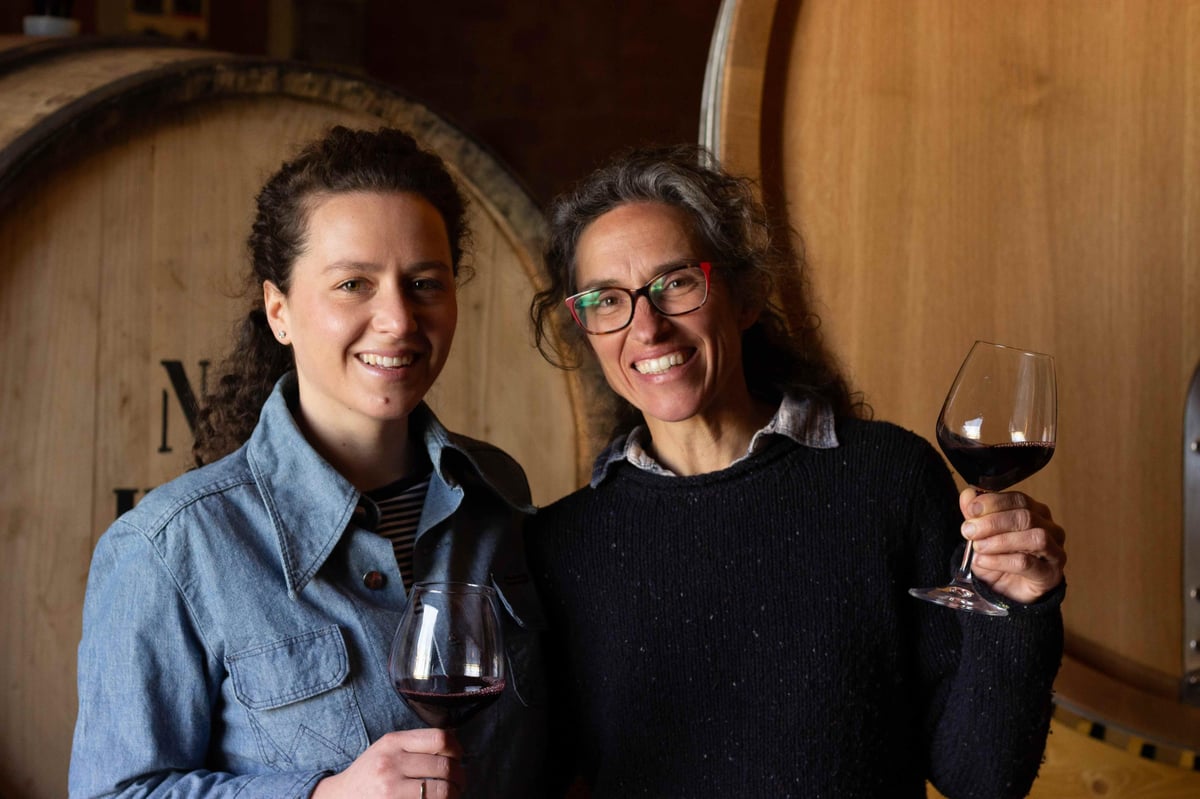
The entire agricultural operation was converted to organic farming, driven by a growing awareness of the impact that chemical agriculture was having on soil and ecosystems.
But for Torre alle Tolfe, organic certification was not the end of the journey. It was the beginning of a different way of thinking about the farm. Organic farming is about what you take away; regenerative agriculture is about what you build back in.
Today, the estate is moving towards regenerative agriculture, looking not only at what is removed from the soil, but at how the entire agricultural ecosystem can become healthier, more diverse and more resilient.
Looking backwards to move forwards
There is something particularly interesting about the way Torre alle Tolfe approaches regeneration.
Rather than treating it as a new set of farming techniques, they are looking at the agricultural landscape that existed before modernisation for clues about how to work with nature again.
One example is biodiversity.
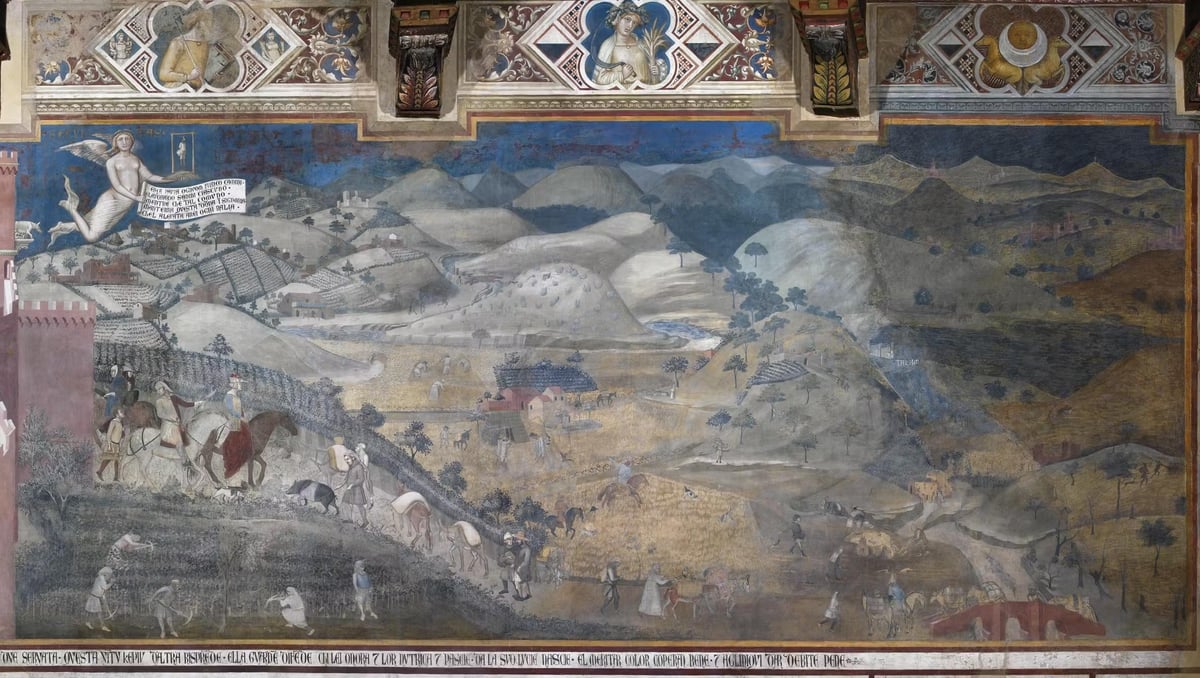
Hedges and corridors running through agricultural land were once an integral part of the Tuscan landscape. They also appear in Ambrogio Lorenzetti's famous Allegory of Good Government, painted in Siena in the fourteenth century. At Torre alle Tolfe, these corridors are being brought back into the vineyards, creating space for biodiversity and reconnecting the vines with the wider landscape.
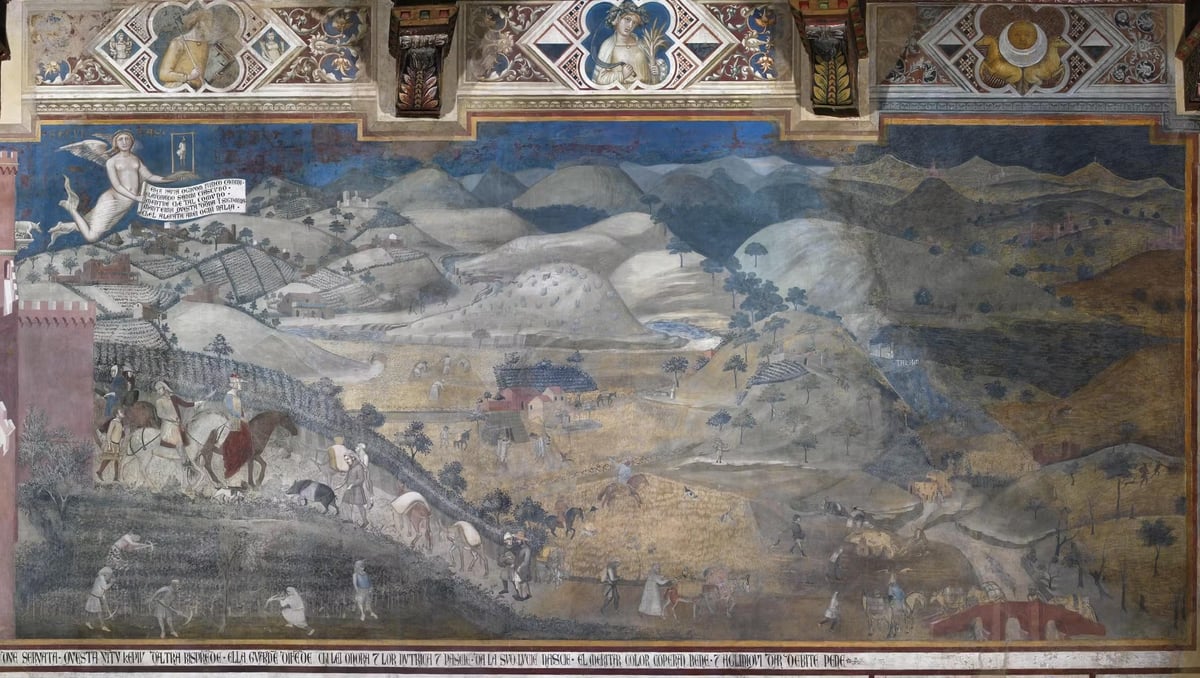
The same painting offers another lesson. Its vineyards are represented following the natural contours of the land. Torre alle Tolfe is now recovering this principle through its Progetto Paradiso, an ongoing project that aims to reshape parts of the estate according to the natural contours of the landscape.
For them, innovation doesn't necessarily mean inventing something new.
Sometimes, it means remembering what we already knew.
“For us, innovation often means rediscovering what tradition had already understood: working together with nature, rather than against it.”
A vineyard with a memory
The history of the land is also written beneath the vines.
The soils at Torre alle Tolfe are marine Pliocene deposits, formed millions of years ago when this part of Tuscany was beneath the sea. The sedimentary soils are rich in limestone and contain fossilised oyster shells.
What looks so unmistakably like the Tuscan countryside carries the geological memory of an ancient seabed.
For Torre alle Tolfe, that geology is an important part of understanding the wines.
The estate works predominantly with traditional Tuscan varieties, but rather than immediately blending them together, the grapes are vinified separately. The idea is to understand each variety first, to see what it can reveal about the relationship between grape, soil, exposure and climate.
Each grape becomes a different lens through which to look at the same place.
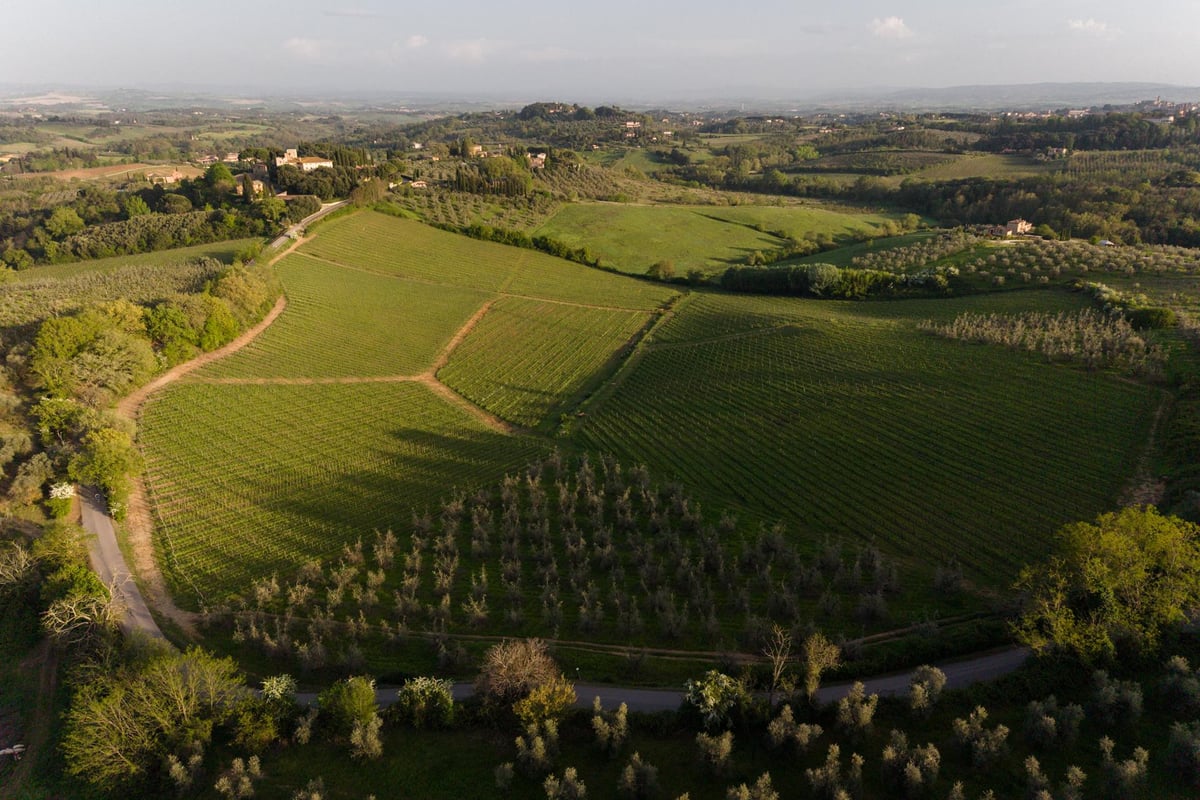
Sangiovese is the backbone. On these marine soils it shows freshness, tension, salinity and elegant tannins, expressing what the estate sees as the vertical character and ageing potential of the territory.
Canaiolo reveals something softer: floral, delicate and almost romantic, with notes of rose and powder.
Ciliegiolo is more immediate. Juicy and energetic, with the sensation of freshly picked cherries, it is a wine that seems to ask for food, a table and other people around it.
And then there is Colorino.
Dark, intense and initially rather unruly, it brings black pepper, nutmeg and graphite. Young, it is the most restless of the wines; with time, that energy begins to transform into elegance.
Of the four, Colorino is the one that asks for patience, the variety most shaped by the years ahead of it.
By vinifying the varieties separately, the team can observe how each one responds to the year's climate, the different exposures and the soils across the property. Only then do they decide how, and whether, to bring them together in their Chianti.
It is an approach based on observation rather than assumption.
First understand the parts. Then decide how they belong together.
Beyond the bottle
The idea of the farm as a complete ecosystem extends beyond the vineyards.
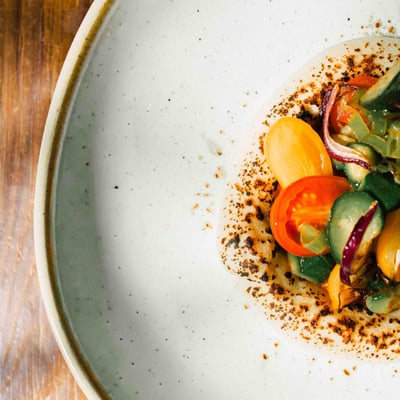
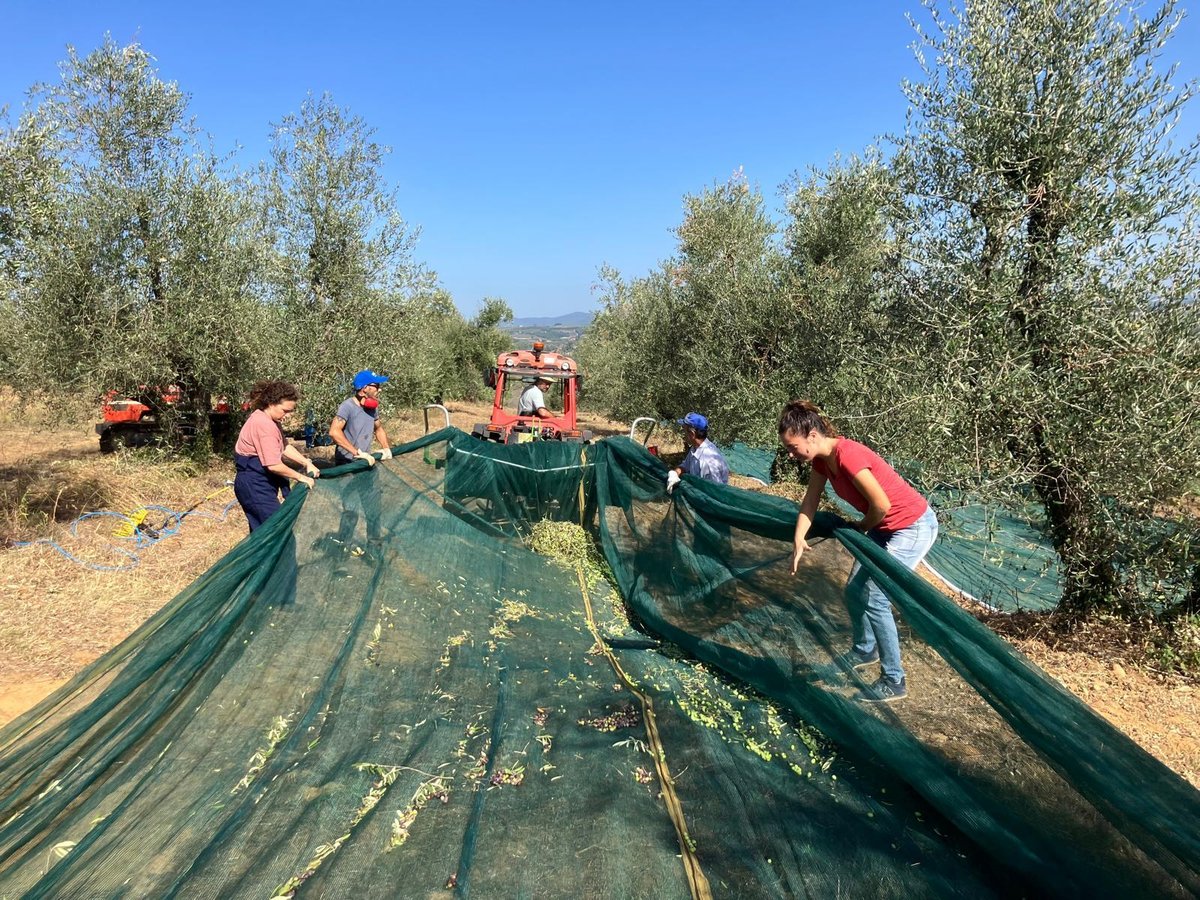
At Torre alle Tolfe, wine sits alongside olive oil, vegetables, fruit and products from animals raised on the farm. Food and wine are not treated as separate worlds, but as different expressions of the same place.
They refer to Plato's Symposium, where food and wine become tools for conversation, creativity and the exchange of ideas. At Torre alle Tolfe, the table becomes another way of communicating the landscape.
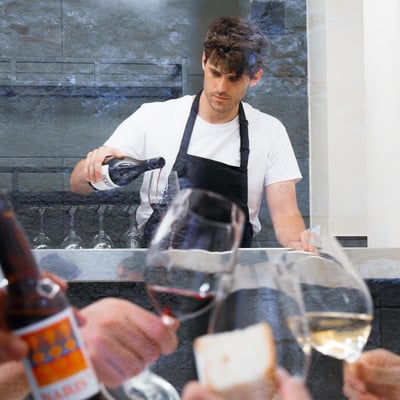
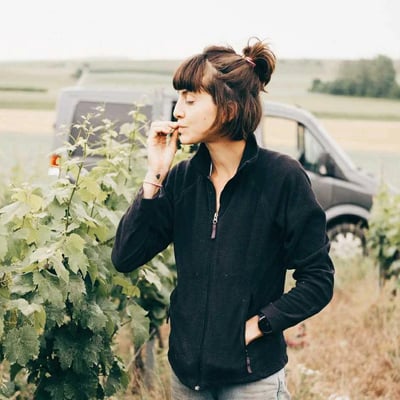
Visitors can walk through the vineyards, taste the wines, cook and eat, experiencing the changing seasons of the farm.
The aim is that the memory of the place doesn't end when someone leaves.
Open a bottle months later and, hopefully, something returns: the smell of the countryside, a walk through the vines, a meal, the people around the table.
“For us, wine is not only a product: it is a means of preserving and transmitting the memory of a place.”
What does it mean to be a farmer in the future?
Torre alle Tolfe's inclusion among the Top 50 Farmers is another part of this story.
For the family, the recognition is less about celebrating what they have already achieved than about sharing what they are learning.
Regenerative agriculture is not something that can simply be copied from one farm to another. Every landscape has its own climate, soils, water, biodiversity and history. But farmers can learn from each other, particularly as the effects of climate change become increasingly difficult to ignore.
The idea is to build a network of knowledge: to learn from farmers already dealing with challenges that may soon arrive elsewhere, while sharing the experience gained at Torre alle Tolfe.
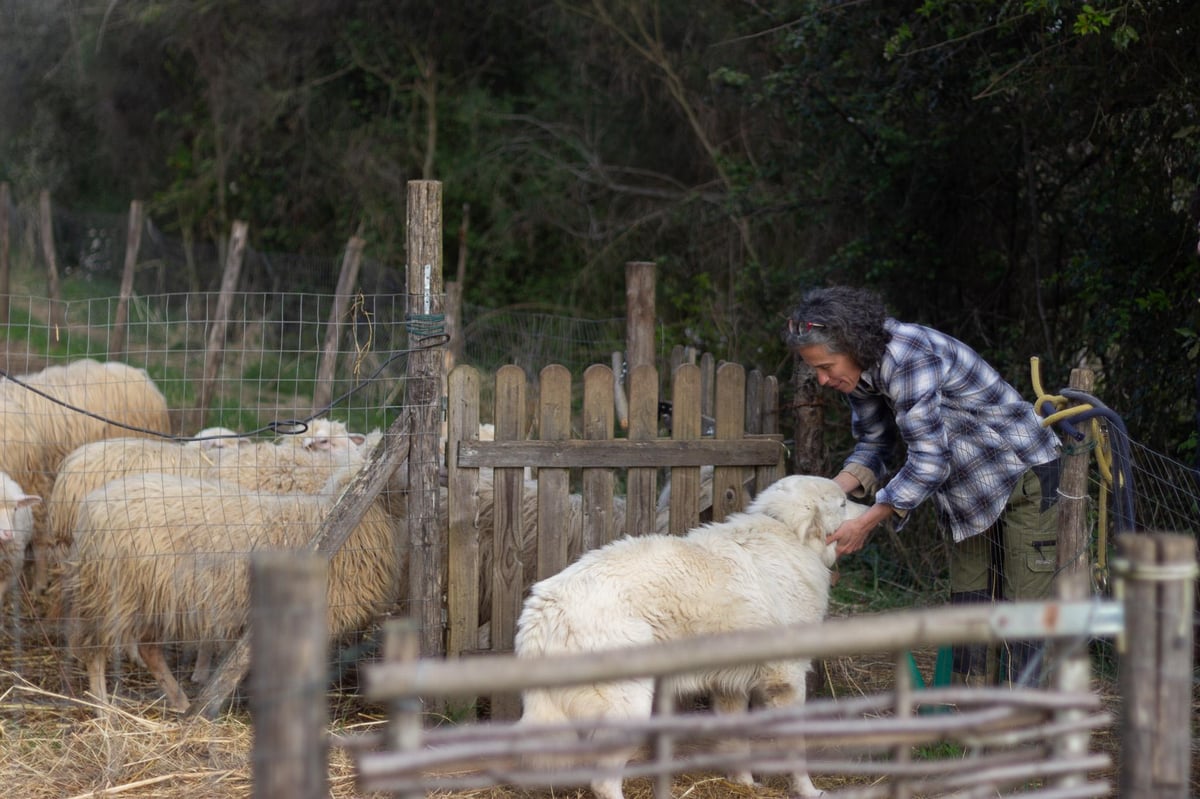
For Torre alle Tolfe, sustainability therefore has three dimensions: ecological, economic and social. A farm needs healthy soils and biodiversity, but it also needs to be economically viable and capable of supporting the people who work there.
Regeneration, in other words, cannot simply mean keeping a vineyard alive.
It means creating an agricultural system capable of continuing into the next generation.
Sow in the past, reap in the future
There is a temptation, when talking about historic wine estates in Tuscany, to focus on heritage. The tower, the old buildings, the centuries of viticulture, the traditional grapes.
But Torre alle Tolfe's story is more interesting than nostalgia.
The past here isn't something to be put behind glass.
It is a source of information.
The old agricultural landscape offers ideas about biodiversity. The contours of the land suggest ways of working with geography. Traditional grape varieties reveal how different plants respond to a particular place. The food grown on the farm reconnects the table with the soil beneath it.
And the wines become the final expression of all those relationships.
Torre alle Tolfe wants to be remembered through the flavours of its soils, its grapes and its climate. But the greater ambition is that those flavours help people understand the place itself.
A bottle can only contain so much.
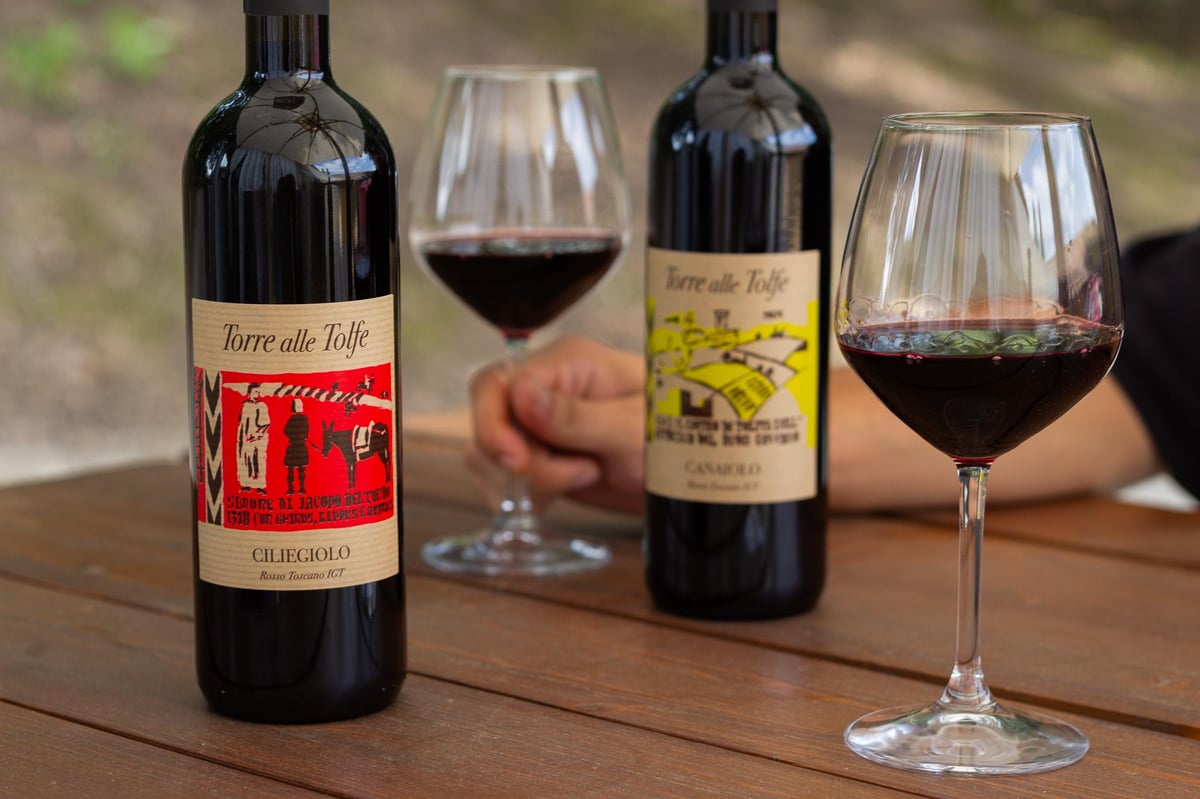
It can contain grapes, certainly. It can contain a vintage, a vineyard and the work of the people who made it.
But if everything goes right, it can also contain something less tangible: a landscape, a season, a history and a memory.
Seven centuries after vines were first documented at Torre alle Tolfe, the question is no longer simply how to continue making wine here.
It is how to make sure the land itself has a future.