August 18, 2026 - 0 comments
Natural winemakers to discover on Raisin - August 2026 🍇
From the Mediterranean hillsides of Provence to the coastal vineyards of the Algarve, and from the limestone plateaus of Cahors to the high-altitude vineyards of Valais, this month’s selection takes us through diverse wine landscapes, where each estate works to express its soils, climate and grape varieties with as little intervention as possible.
France, Italy, Germany, Portugal, Spain and Switzerland: behind these new profiles to discover on Raisin are both young projects and estates rooted in family history. Some are restoring old vines or forgotten plots, while others work with rare native grape varieties, farm organically, biodynamically or regeneratively, and favour hand harvesting and spontaneous fermentation.
This month, we travel from the traditional sparkling wines of the Parma hills to Malbec on the limestone plateaus of Cahors, from Silvaner grown on the Keuper soils of Franconia to field blends from old vineyards in the Algarve. We also discover a farm in Molise where vines, olive trees and animals share the same landscape, Andalusian wines made without additives, and a young winery at 900 metres above sea level in the Swiss Valais.
From amphorae and kvevri to concrete, old barrels and stainless-steel tanks, each estate has its own way of working, but all share a focus on accompanying the grapes rather than transforming them, nurturing living soils and producing wines that reflect their place and vintage. Here are the natural winemakers to discover on Raisin in August 2026.
🍇 Discover all natural winemakers on Raisin.
📍 Publish your winery on the Raisin map
Domaine Croix-Rousse
Provence, France

In Puget-Ville, in the Var, Jean-Luc and Anne-Marie Husson farm the five hectares of Domaine Croix-Rousse, at the foot of the Massif des Maures. Certified organic and farmed biodynamically, the vineyard is managed with great care, with mechanical interventions kept to a minimum and all grapes harvested by hand. Herbal teas, horn manure and sensitive crystallisation also guide their work in the vineyard. In the cellar, the grape varieties (Vermentino, Grenache, Carignan and Calitor) are harvested and vinified separately in sandstone jars, concrete eggs, tanks and used demi-muids. Fermentations take place with indigenous yeasts and no additives, with only a small amount of sulphur added before bottling and no filtration.
Cantina Montecorneo 570
Umbria, Italy
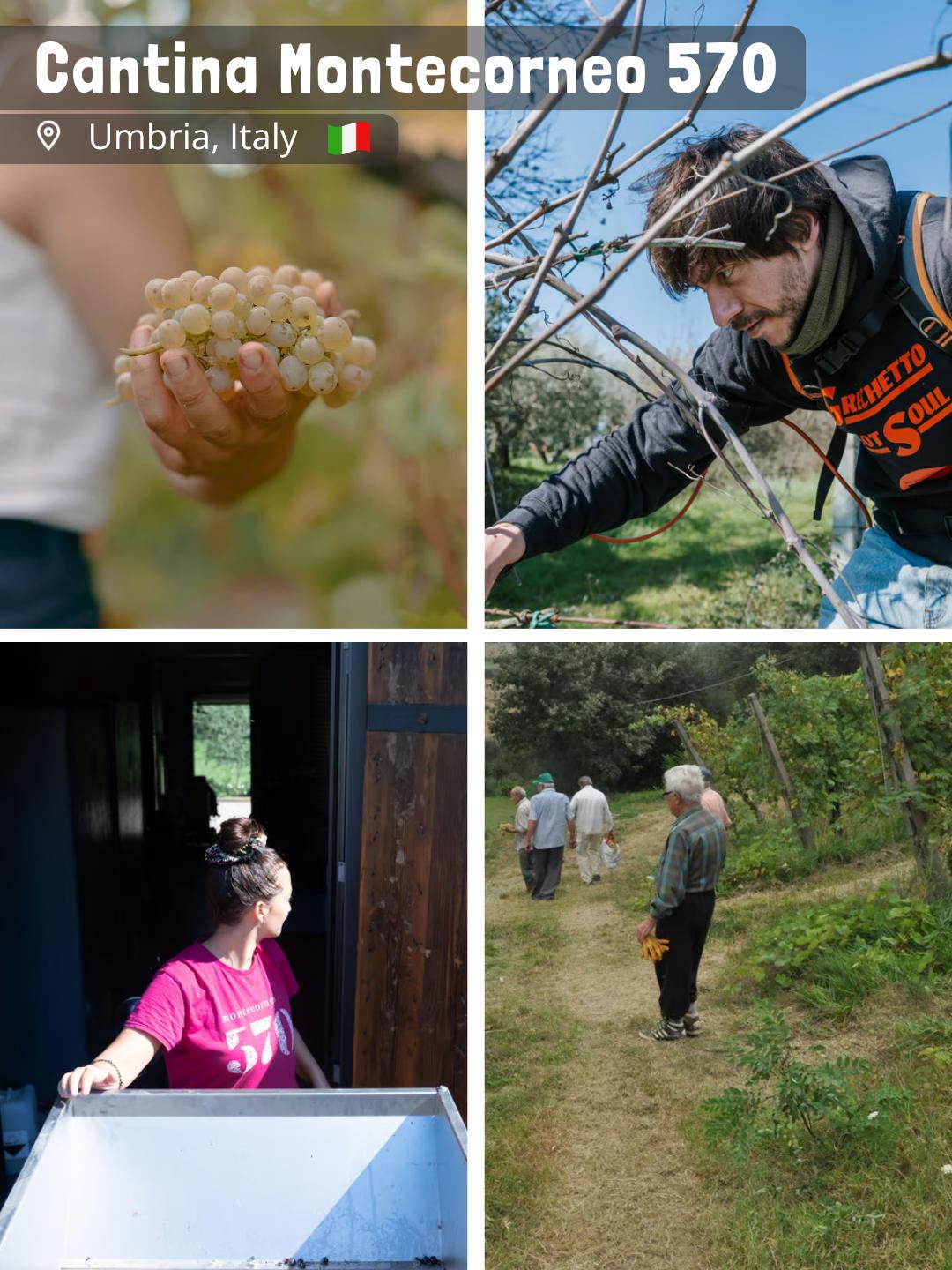
In Sant'Andrea d'Agliano, near Perugia, Federico and Sara Gallina work with vines on plots dating back to the 1970s. Their main vineyard was planted by their grandfather in 1999. Farmed organically and guided by principles also inspired by biodynamics, the vineyards are managed with cover crops and restoration work on the oldest vines. Harvesting is done by hand early in the morning, with vinification beginning as soon as the grapes reach the cellar. There are no predetermined winemaking protocols or ingredients added to the grapes: each vintage is accompanied according to its own needs, with ageing mainly in stainless steel and concrete.
La Bandina Traditional Wines
Emilia-Romagna, Italy
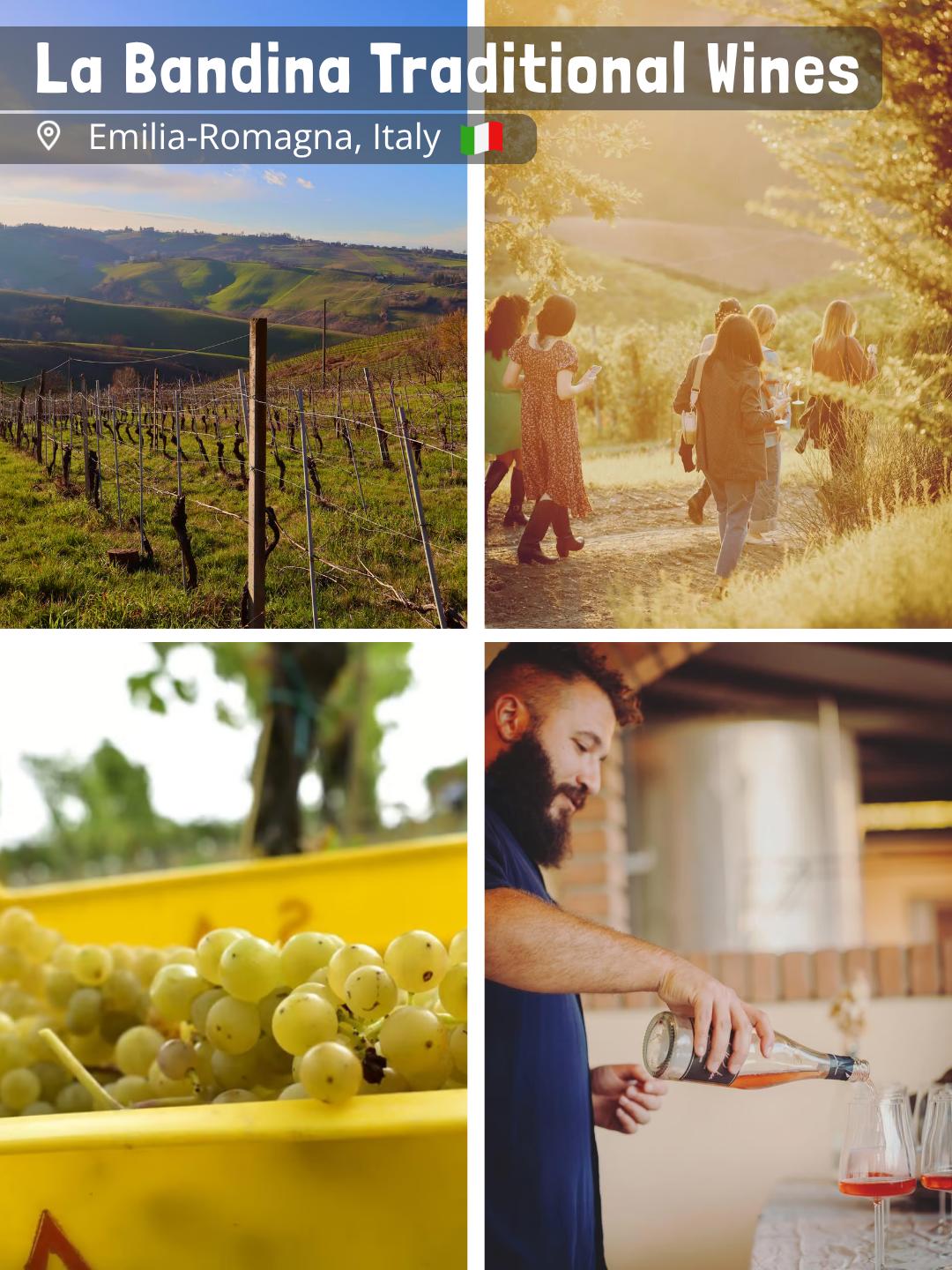
On the hills of Parma, La Bandina Traditional Wines champions a local tradition built around high-acid wines, natural bubbles and native grape varieties. The estate's eight hectares of vines stretch across hillsides reaching up to 450 metres above sea level, on soils rich in limestone, clay, chalk and even fossils from the ancient sea that once covered the Po Valley. The vineyards are farmed according to organic and biodynamic principles, without certification, and harvesting is entirely by hand with particularly rigorous grape selection. Indigenous yeast fermentation, refermentation with fresh must, and no filtration, fining, additives or disgorgement: the estate produces dry, fresh and vibrant wines, particularly from Malvasia di Candia Aromatica and Lambrusco.
Domaine la Calmette
South-West, France
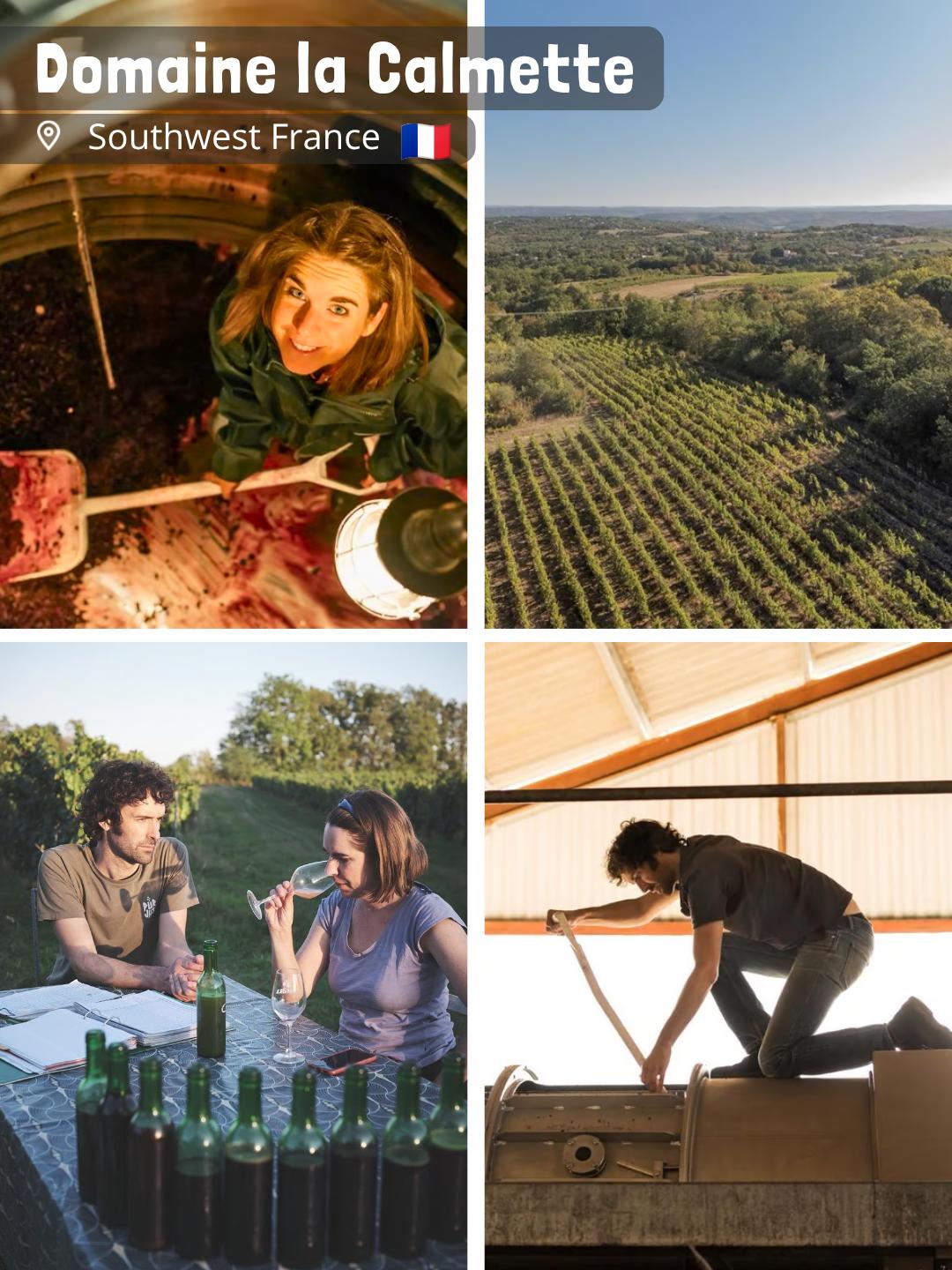
Based in Cahors since 2016, Maya Sallée and Nicolas Fernandez took over old vines planted on the Kimmeridgian limestone soils of the causse. Their organic and biodynamic farming follows a regenerative approach: minimal soil disturbance, compost applications and the development of generous foliage to provide shade and preserve freshness in the grapes. Malbec is central to their work, but the estate also farms mixed white-grape plots including Sauvignon Blanc, Chenin and Noual, an old variety from the Cahors plateaus. All grapes come from the estate and are harvested by hand. Their winemaking seeks pure fruit and delicate textures, with complete fermentations, long ageing on the lees and minimal sulphur additions, used only at bottling when necessary.
Andi Weigand
Franconia, Germany
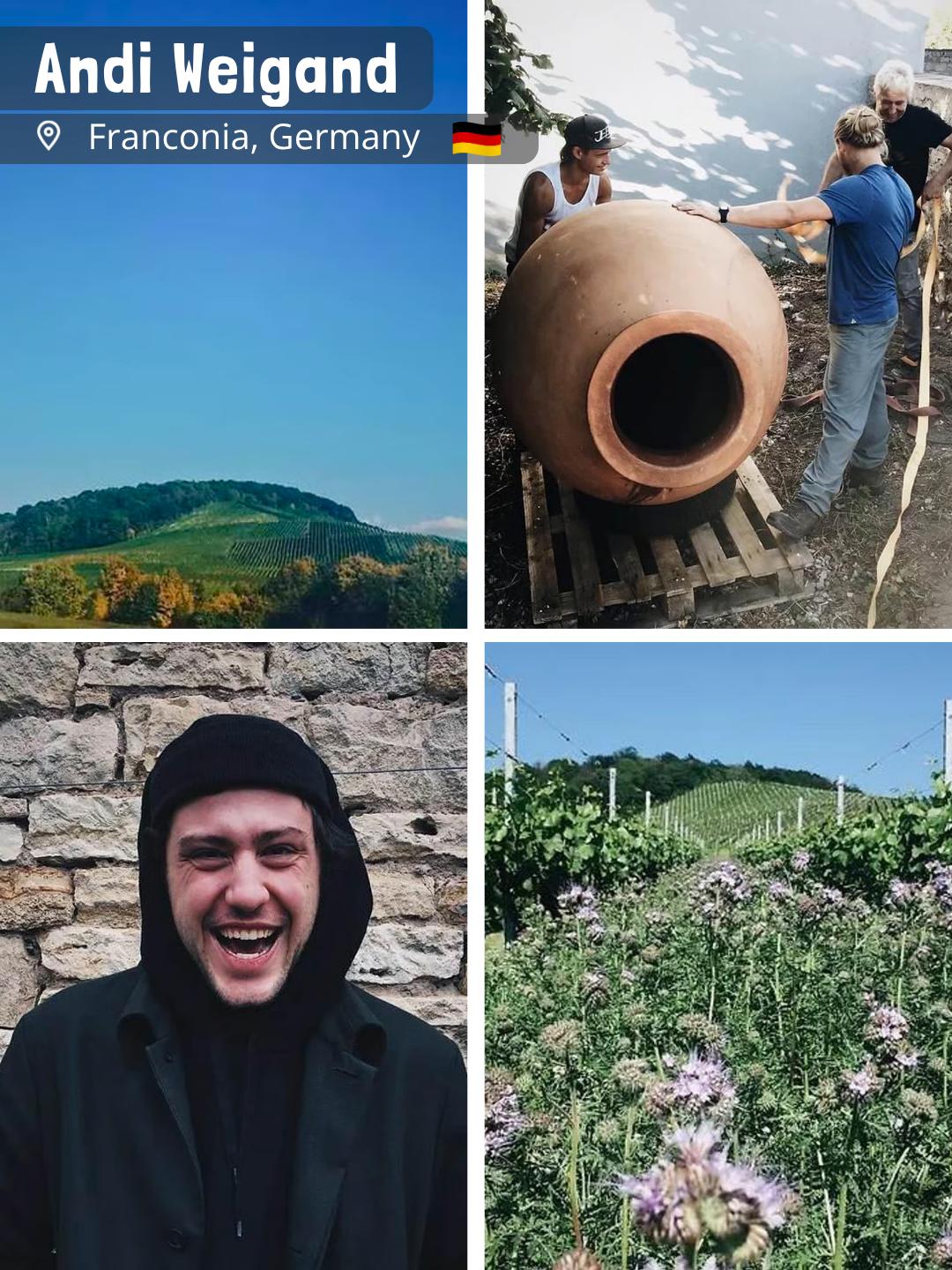
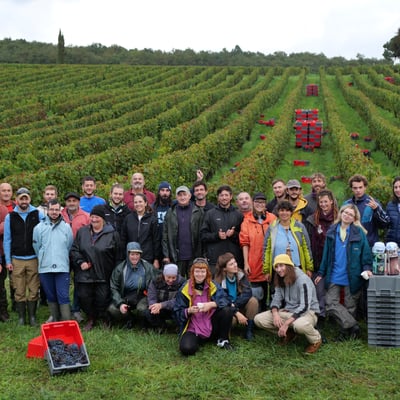
Since 2018, Andi Weigand has been making natural wines in the Franconian countryside. Some of his vines are nearly 60 years old, all are certified organic, and extensive cover crops are sown every year. Silvaner is the flagship grape variety, alongside Müller-Thurgau, Riesling, Scheurebe, Chardonnay and Pinot Noir. Beneath the vines lies Keuper, an ancient rock characteristic of the region that Andi associates with the herbal, spicy and fresh character of his wines. Harvest generally starts very early, at the beginning of September, and is carried out by hand with a team of friends, family and visitors who have become friends. In the cellar, ageing takes place in local Franconian oak barrels, amphorae and, more recently, a kvevri.
Boris Loy
Brittany, France
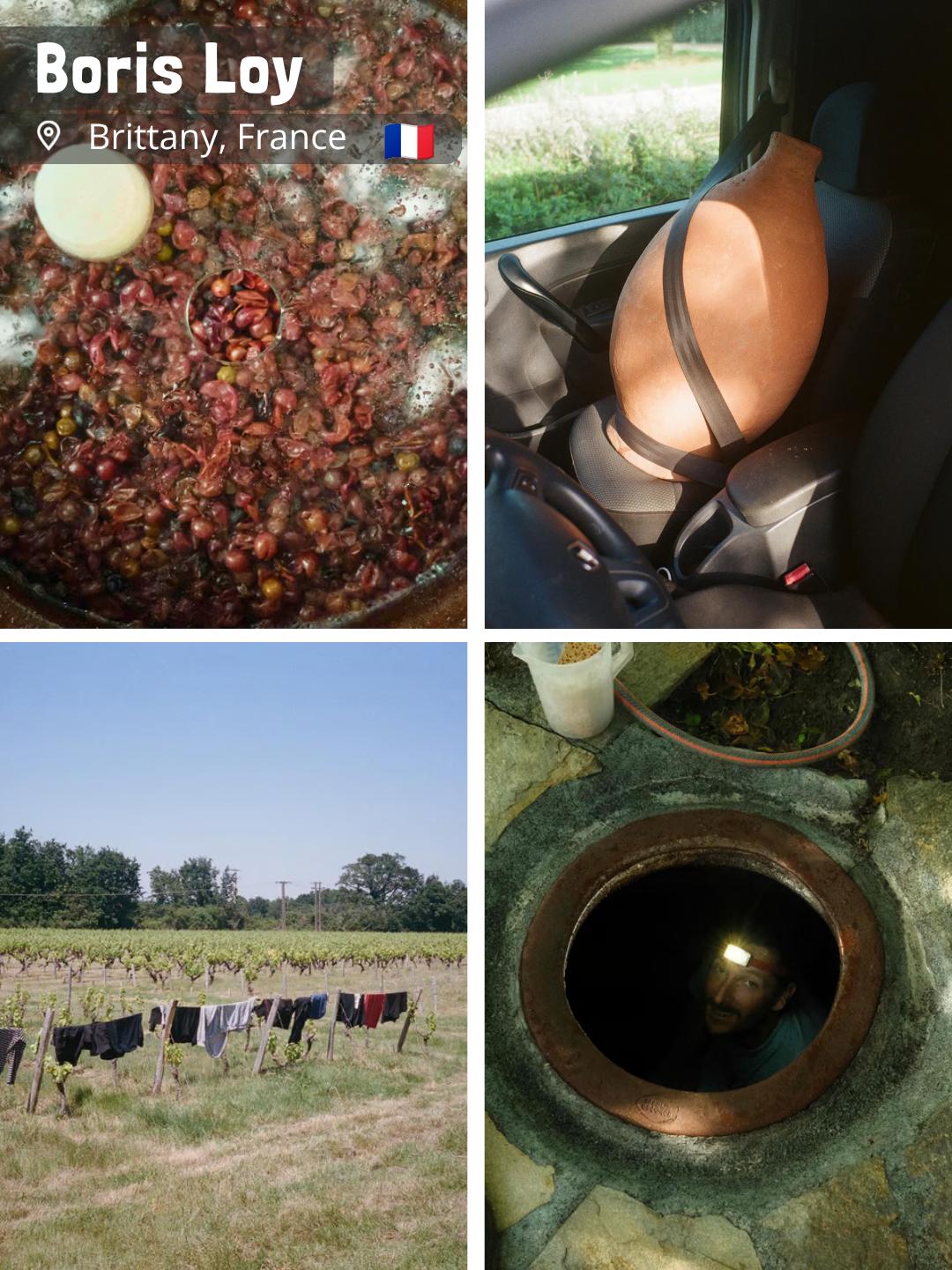
Boris Loy began working as a négociant in 2023 before also becoming a winegrower in 2026. Today, he works four hectares of vines in Saint-Mars-de-Coutais, planted with varieties including Grolleau Gris, Grolleau Noir, Gamay, Cabernet Franc, Folle Blanche and Melon de Bourgogne. His project is set to develop further: from 2028, he plans to plant an additional 2.4 hectares in the commune of Cléden-Cap-Sizun. A very young adventure built around one simple idea claimed by Boris: making living wines.
Az. Agr. Steiger-Kalena di Steiger Giulio
Molise, Italy

In 2014, Giulio Steiger and Margarita Cherubini left Paris to settle in Molise, Giulio's native region. In Contrada Olivoli, they began planting vines the following year and built a fully underground cellar in the heart of the vineyard. Today, Steiger-Kalena covers around 30 hectares, including 12 hectares of vines surrounded by woodland, pastures and olive groves where sheep, donkeys and horses also live. The 24 small plots of Tintilia, Montepulciano and Aglianico are farmed organically and regeneratively, then harvested and vinified separately. Spontaneous fermentations, ageing in concrete, oak or chestnut, and in-depth work on soil fertility are all part of an approach in which each plot retains its own identity.
Atlasland
Algarve, Portugal

On the western coast of the Algarve, between Aljezur and Rogil, Filippo Pozzi has been restoring neglected coastal vineyards since 2019. Atlasland now farms around three hectares of vines without purchasing grapes from other growers. The plots are field blends of native white and red grape varieties (Boal, Sercial, Síria, Bastardo and Castelão), which Filippo prefers to treat as a whole rather than systematically separating by variety. Each vineyard is therefore harvested in its entirety to create single-vineyard wines. In the vineyard, intervention is kept to a minimum, with cover crops and organic treatments incorporating essential oils and plant extracts. In the cellar, fermentations are spontaneous and ageing takes place in neutral vessels, allowing fruit and terroir to remain at the forefront.
Azienda Agricola Fabiani
Tuscany, Italy
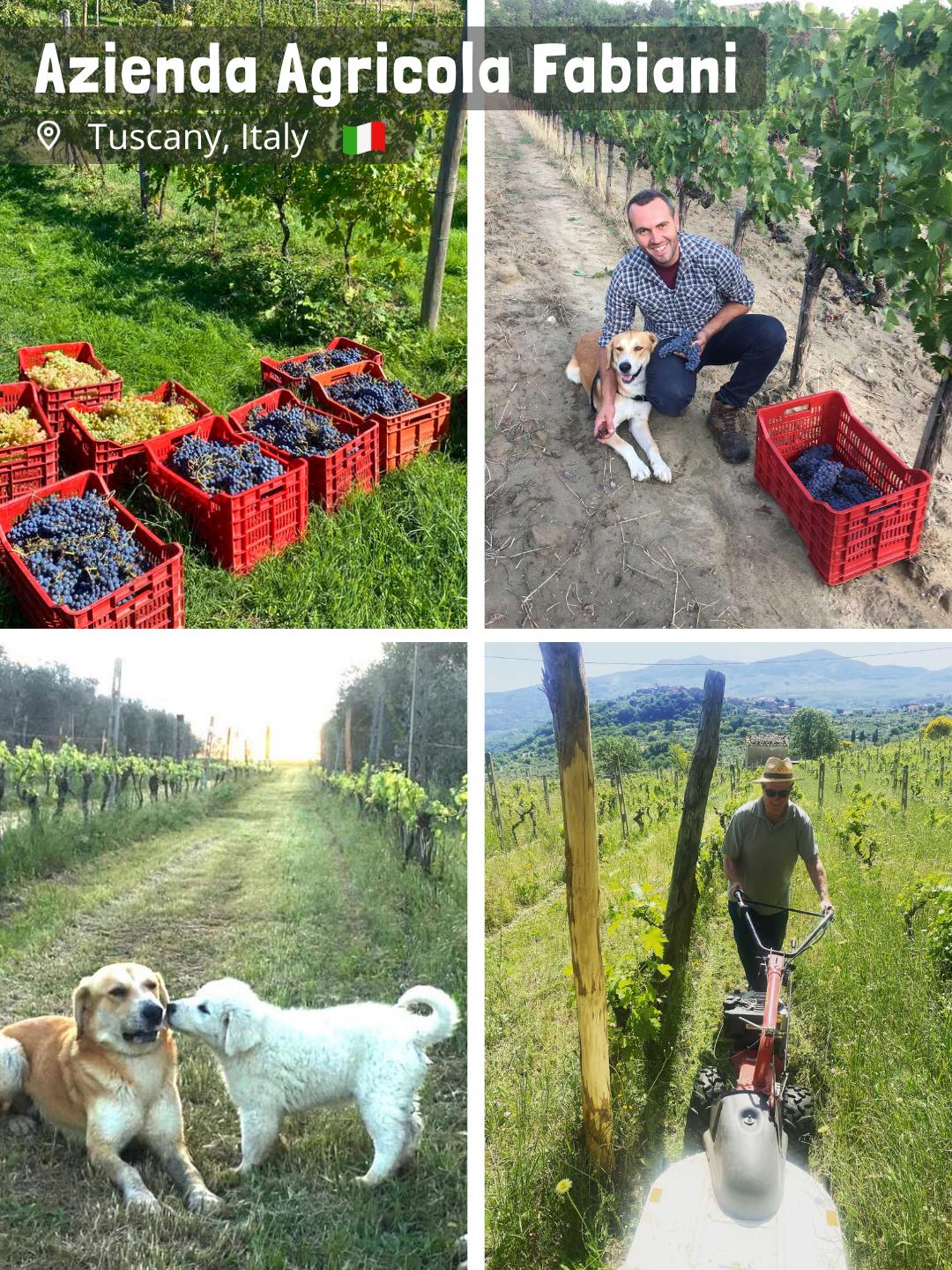
For Luca Fabiani, minimal intervention is the guiding principle both in the vineyard and in the cellar. The soils are worked as little as possible and the vines are not irrigated. In the high-altitude vineyards, operations such as mowing and spraying are carried out entirely by hand. The estate is certified organic and grows Sangiovese, Malvasia, Trebbiano and Ciliegiolo, among other varieties. The same restrained approach continues in the cellar: fermentations start spontaneously, without selected yeasts or temperature control. All wines are bottled without filtration.
Terrante
Tuscany, Italy

In San Miniato, Francesco de Filippis is developing Terrante, an agricultural project devoted to wine, olive oil and regenerative farming. Demeter certified and farmed entirely according to biodynamic principles, the farm avoids herbicides, chemical fertilisers and synthetic products. Green manure, biodynamic preparations and the preservation of biodiversity are used to maintain living soils and allow each plot to fully express its terroir. In the cellar, fermentations are spontaneous with indigenous yeasts, sulphur is kept to a minimum and the wines are not fined. Depending on the cuvée, ageing takes place in concrete, stainless steel or old five-hectolitre barrels, always with the aim of preserving the purity of the fruit.
Southold
Bordeaux, France
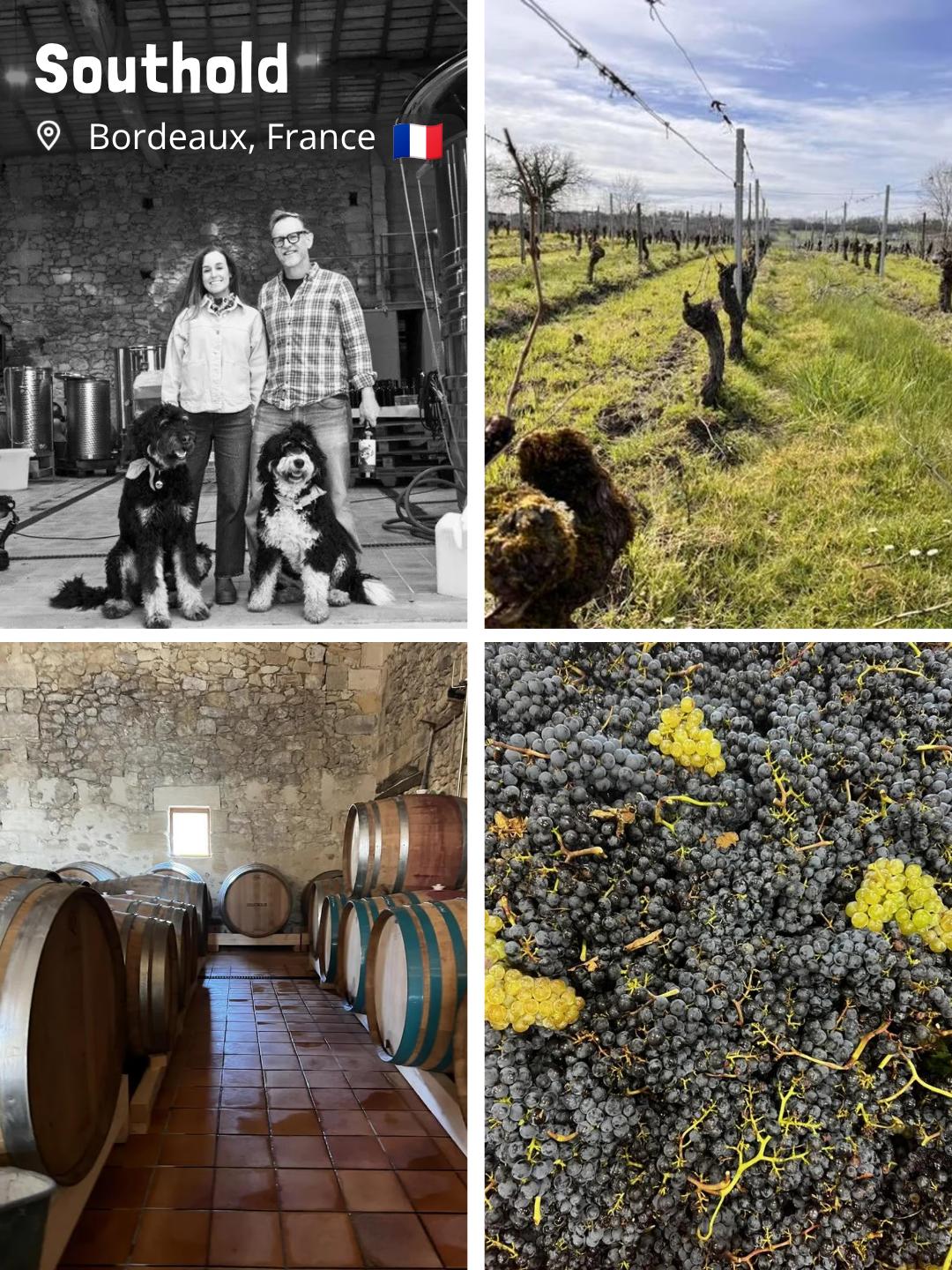
In Francs, east of Bordeaux, Regan Meador farms vines on clay-limestone soils. All work is carried out plot by plot and according to the seasons: pruning, mowing, trimming, soil work and harvesting are all done by hand, without irrigation. In the vineyard, cover crops, mowing and shallow soil cultivation are favoured over systematic ploughing. In the cellar, fermentation is spontaneous and no commercial yeasts, enzymes, tannins or corrective additives are used. Depending on the wine and vintage, grapes may be destemmed, fermented as whole clusters, or undergo partial carbonic or semi-carbonic fermentation. The wines are neither fined nor filtered, and sulphur is used sparingly and only when necessary.
Le Ver Libre
Rhône Valley, France

In Rasteau, in the Vaucluse, Gregory Tison and Tiphanie Morin took over a seven-hectare property in 2022, including five hectares of vines averaging around 50 years of age. From the moment they arrived, they chose to work according to biodynamic, agroecological and regenerative principles. No heavy machinery and no intensive soil cultivation: the estate favours permanent vegetation cover, plant-based preparations and an approach that cares for the soil as much as the vines. Certified organic, Le Ver Libre produces Côtes du Rhône Villages, Rasteau and a 100% Ugni Blanc orange wine, among others. In the cellar, indigenous fermentations, minimal intervention and low doses of sulphur accompany ageing in tanks, oak barrels and amphorae.
Bodega Viñeron S.L.
Andalusia, Spain

For Samuel Párraga, his story with wine began in childhood, when he joined his father in the vineyards, at harvest and in the making of traditional Málaga wines. He began developing his own project in 2017 and produced his first natural wines the following year from traditional vineyards in the province, working in particular with minority and sometimes endangered grape varieties. Whites, reds, sparkling and sweet wines are all made according to a deliberately simple method. Grapes are harvested by hand, fermentation is spontaneous and no additives (sulphites, acids or yeasts) are used. The wines are neither filtered nor artificially stabilised.
Cave Kaléidoscope
Valais, Switzerland

In Granois, at 900 metres above sea level, Thomas Carl and Oscar Hauser took over a cellar and one hectare of vines planted with Chasselas, Pinot Noir, Gamay, Pinot Gris, Sylvaner, Diolinoir and Humagne. Since their arrival, no herbicides have been used and native flora is gradually returning. The estate is currently converting to organic farming and hopes to plant more resistant grape varieties in the future. In the cellar, the duo works with indigenous yeasts, without a pied de cuve, fining or filtration, and without heating or cooling the wines. After the 2024 wines were aged in fibreglass tanks, subsequent vintages also include stainless steel and barrels. Even bottling remains artisanal, carried out manually using a siphon filler and lever corker.