June 16, 2026 - 0 comments
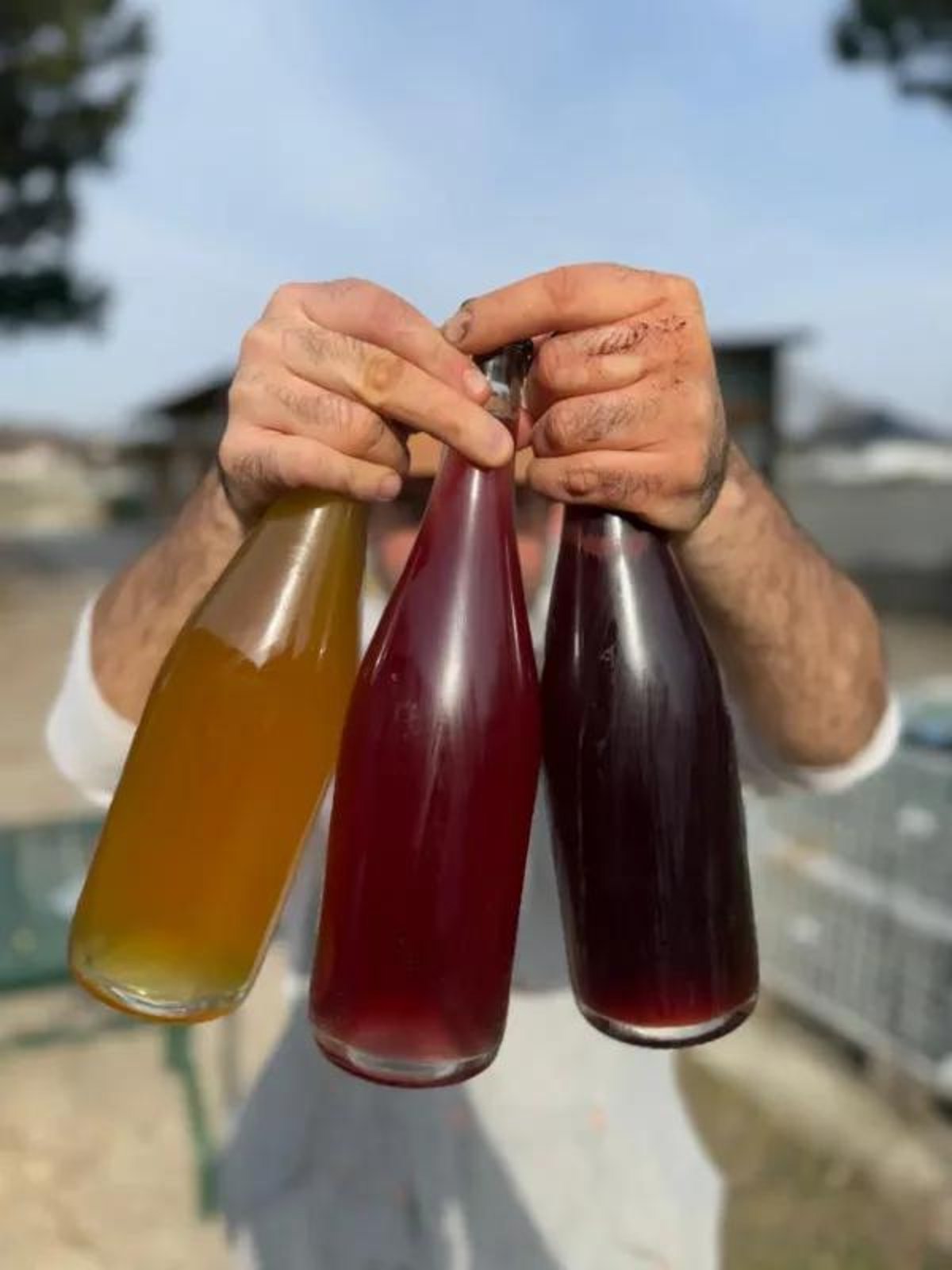
Natural winemakers to discover on Raisin - June 2026
From the volcanic slopes of Mount Etna to Vienna’s urban vineyards, from the high plateaus of the Serranía de Ronda to the terroirs of Franche-Comté and Franconia, this June selection brings together natural winemakers to discover on Raisin.
Spain, Italy, France, Austria, Australia: each estate has its own story, but they all share the same conviction, that wine begins in the vineyard, not in the cellar.
Here are the natural winemakers to discover this month on Raisin: artisanal projects exploring native grape varieties, patient ageing and living expressions of their terroirs.
🍇 Discover all natural winemakers on Raisin.
📍 Publish your winery on the Raisin map
Bodega Luisyana - Scott & Leigh Myers
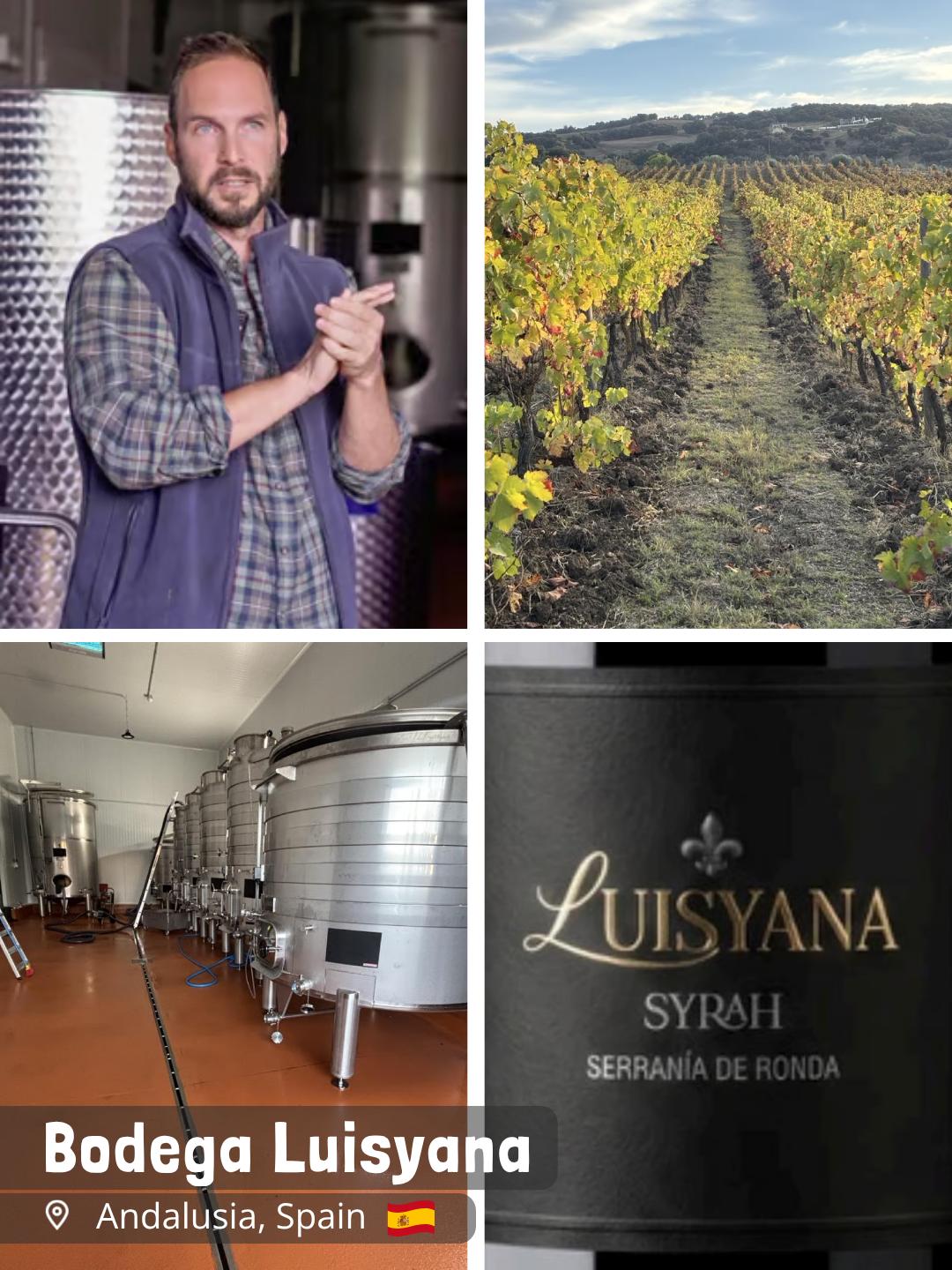
In the Serranía de Ronda, near Málaga, Scott and Leigh Myers, a brother and sister originally from the United States, have transformed their family estate into a project dedicated to the pure expression of high-altitude terroir. Starting from three hectares of Syrah vines over twenty years old, they have recently planted Garnacha Blanca, Garnacha Tinta and Garnacha Gris. The vineyards are farmed with hand harvesting, native cover crops and no herbicides or pesticides. Since opening their new cellar in 2024, the wines have been produced exclusively with indigenous yeasts, without sulfites or fining agents. Their saignée rosé and youthful red wine express with remarkable clarity the fruit and altitude of the DO Sierras de Málaga.
La Sauvagère - Lili & Nico
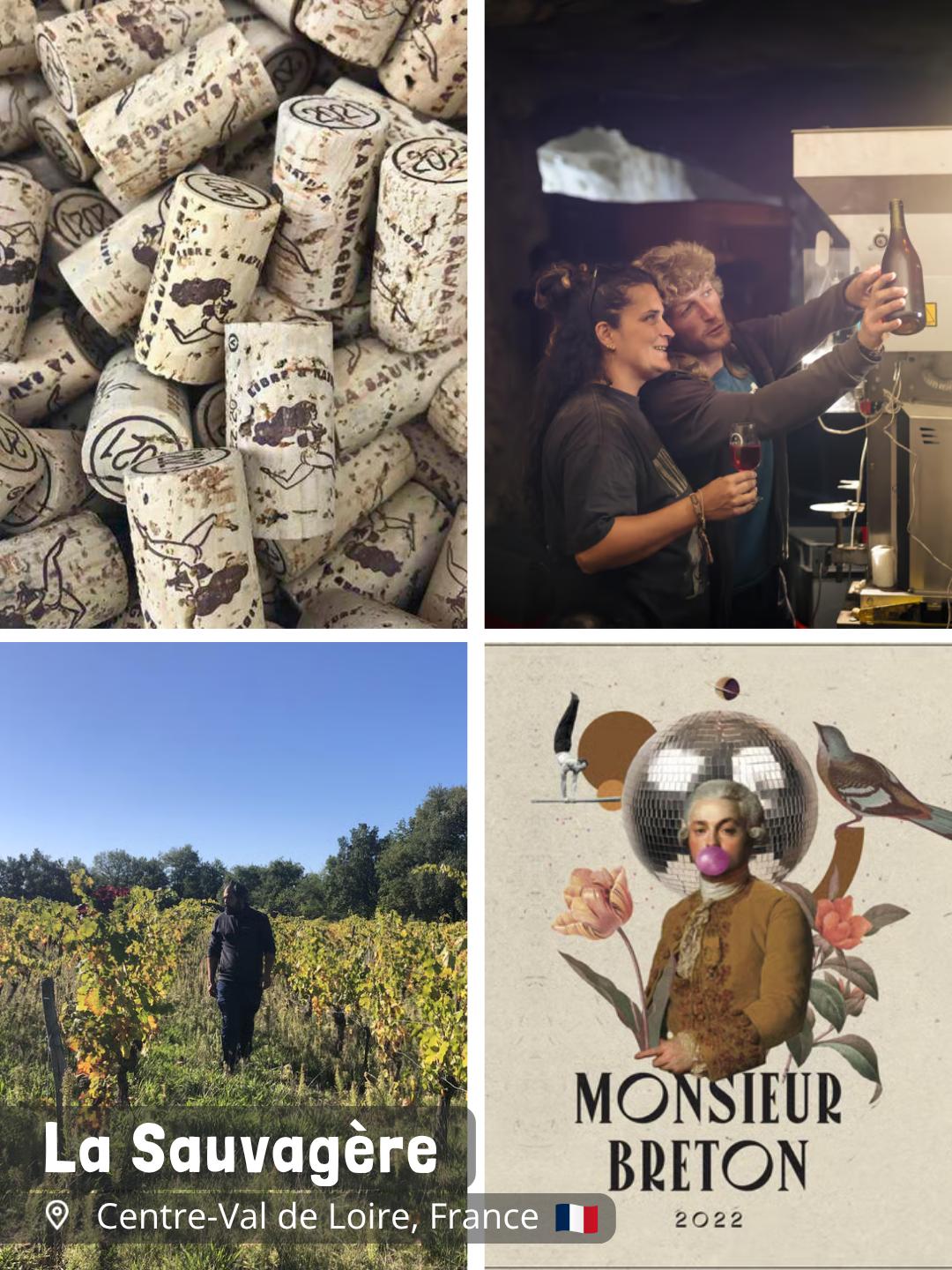
In the Centre-Val de Loire region, Lili and Nico farm 4.8 hectares according to an organic conservation farming philosophy that is both radical and poetic. Agroforestry vineyards, physiological pruning, permanent cover crops, long pressings lasting between 48 and 72 hours and gravity bottling: everything is done by hand, without sulfur and without mechanisation in the cellar. Cabernet Franc dominates the vineyard, spread across old parcels between Véron and the left bank of the Vienne River, complemented by old Chenin vines. Through their négociant activity under the La Sauvagère label, they occasionally work with grapes from other growers, always sourced from vines more than sixty years old.
Lucy Margaux Wines - Anton Van Klopper
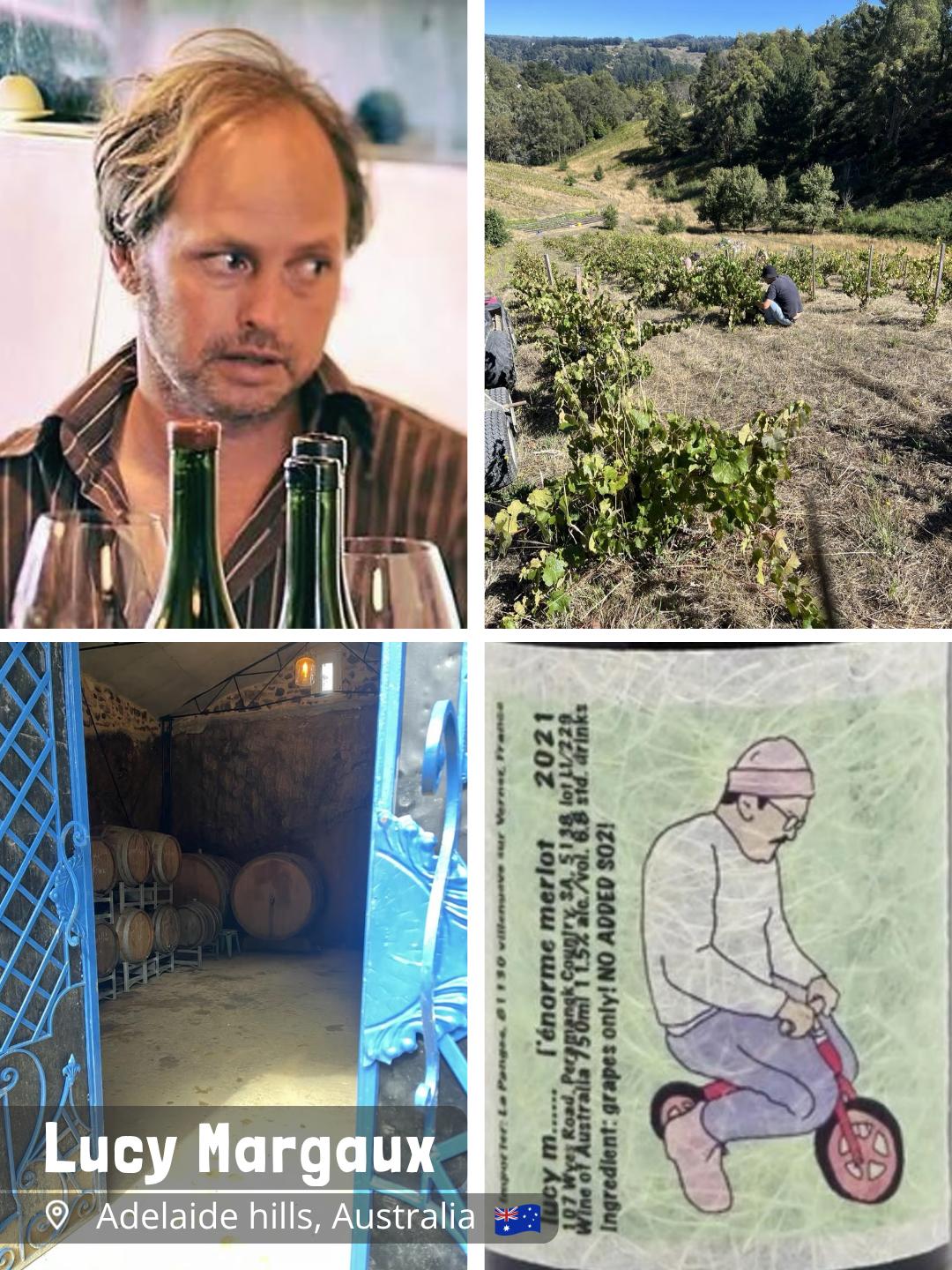
Pioneers of Australian natural wine since their first vintage in 2007, Anton Van Klopper and his team produce wines in South Australia without any chemical additions: no sulfites, no fining agents and not even conventional cleaning products in the cellar. The grapes come from their own untreated vineyard and from partner organic vineyards. White wines are pressed with compressed air, reds with a basket press, and the entire production relies on gravity flow. It is meticulous artisanal work, with recent years devoted to mastering the technical challenges unique to natural winemaking.
Az. Agricola Torre alle Tolfe
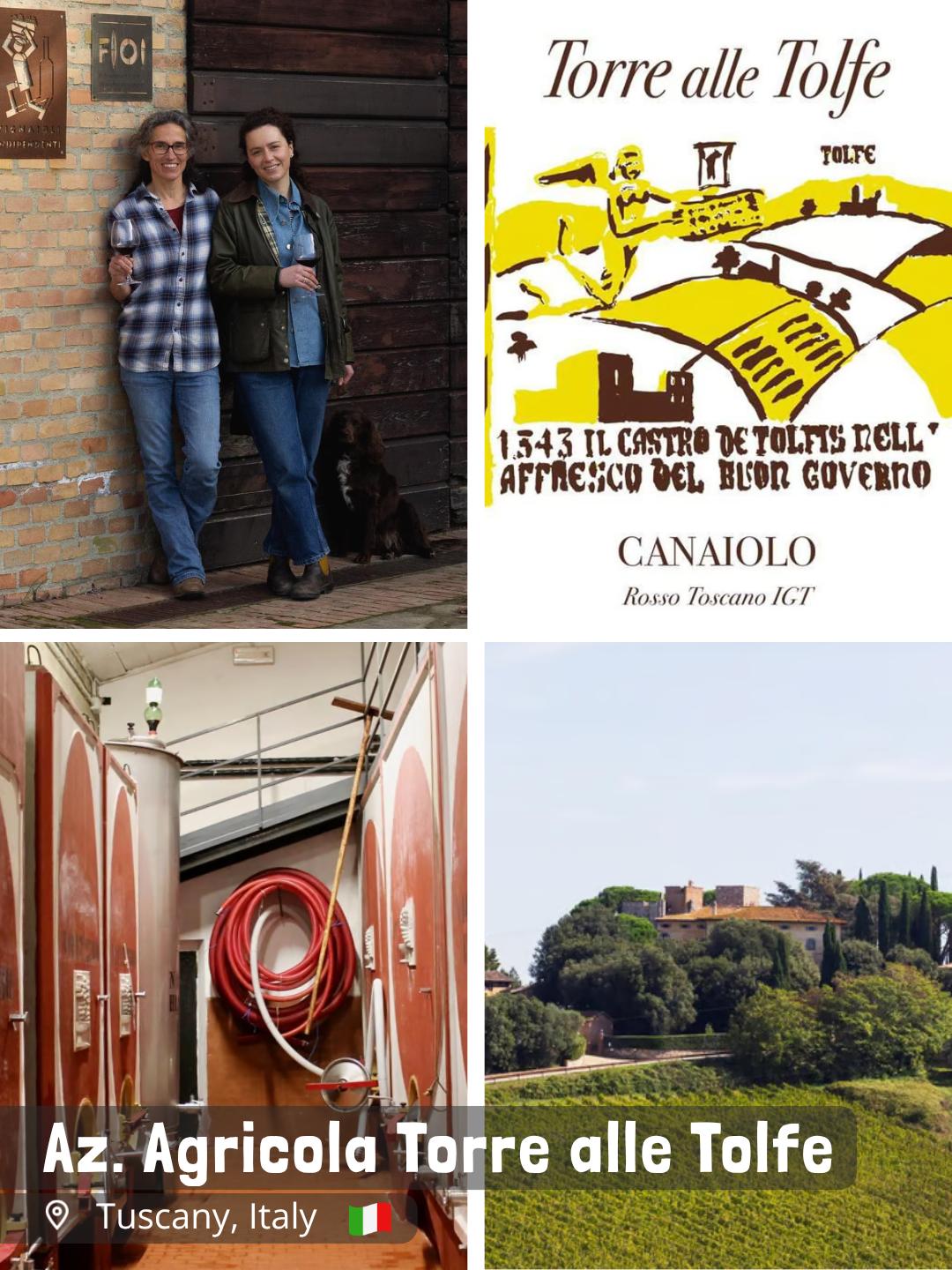
Three kilometres from Siena, on sandy marine soils dating back to the Pliocene, the Castelli family has farmed thirteen hectares organically since 2004 using regenerative agriculture. The fourth generation on an estate whose history dates back to the eighth century, Mania Castelli vinifies each traditional Tuscan grape variety separately — Sangiovese, Ciliegiolo, Canaiolo and Colorino — in order to reveal their individual character, following a philosophy that places biodiversity and authenticity above standardisation.
Tenute Dettori - Alessandro Dettori
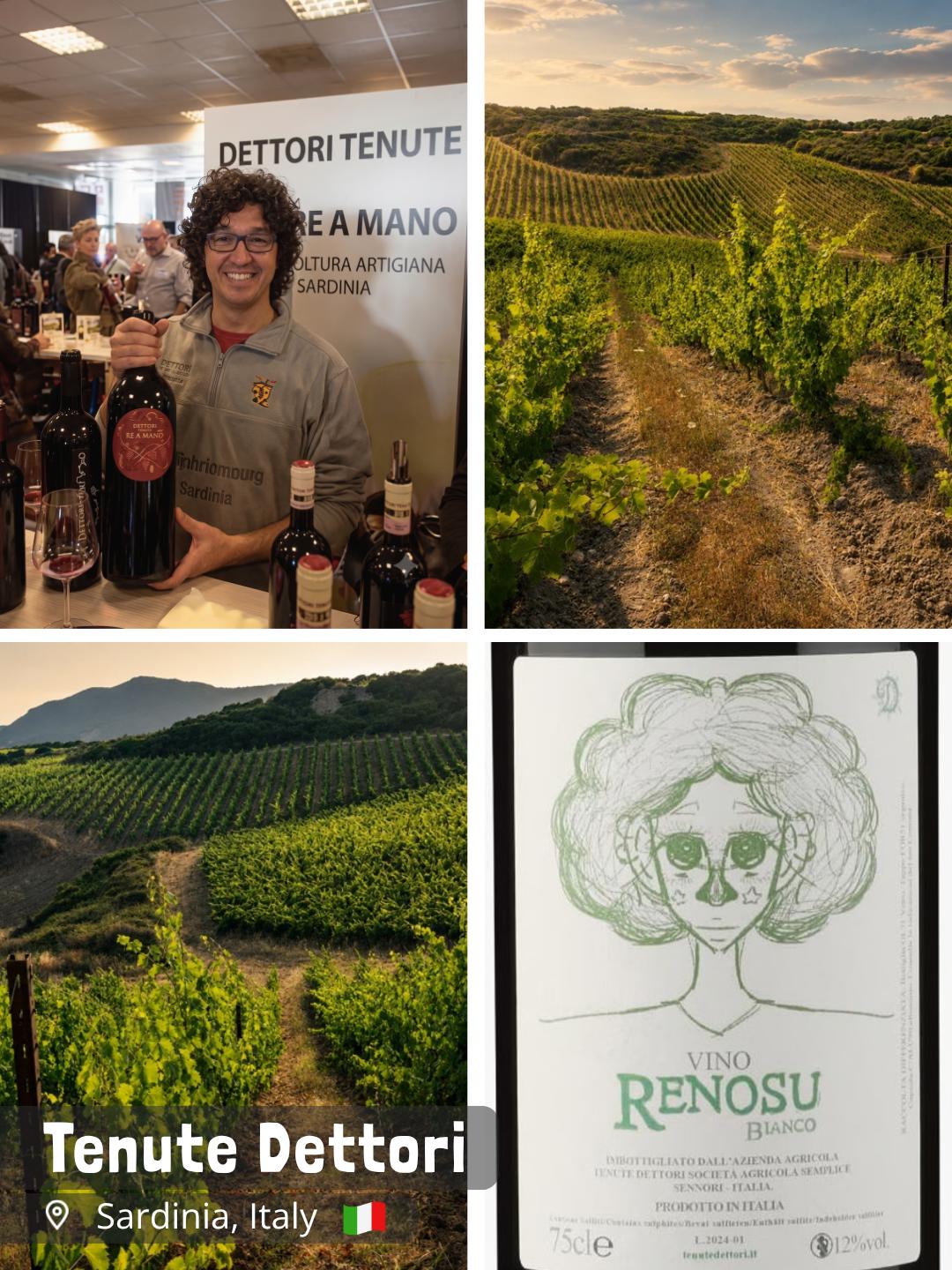
In the Romangia region of Sardinia, Tenute Dettori pioneered natural wine and biodynamics long before either became fashionable. Alessandro Dettori works exclusively with grapes grown in his own vineyards and uses no additives whatsoever in the cellar. The ingredient list on his labels contains just one word: grapes. This radical commitment to place is complemented by wine tourism experiences where visitors discover the estate through family-style meals and traditional Sardinian recipes.
Finca Obskura - Lukas Rinner & Yael Svoboda
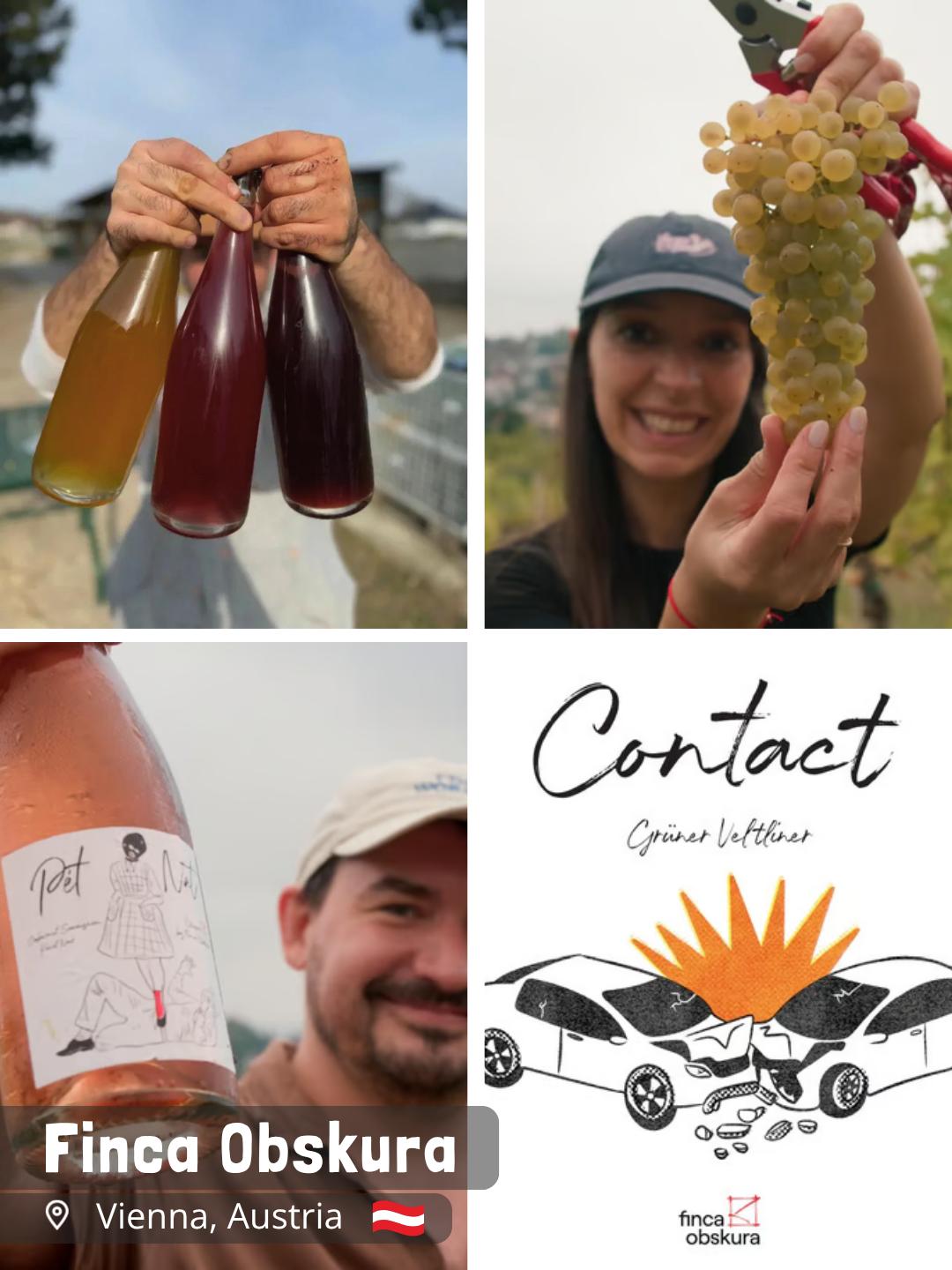
Founded in Vienna in 2023 by a couple from the film industry, Finca Obskura is a project that is as discreet as it is determined. Since 2024, the estate has been working its own vineyards in Neustift am Walde, one of Vienna's historic wine-growing villages, including forty-year-old Grüner Veltliner vines. The range — still wines, skin-contact wines and pét-nats — is complemented by the Okupas line, produced from organically farmed grapes sourced from trusted partners, allowing the project to explore other terroirs and approaches.
A Mano A Mano - Andrea Manini
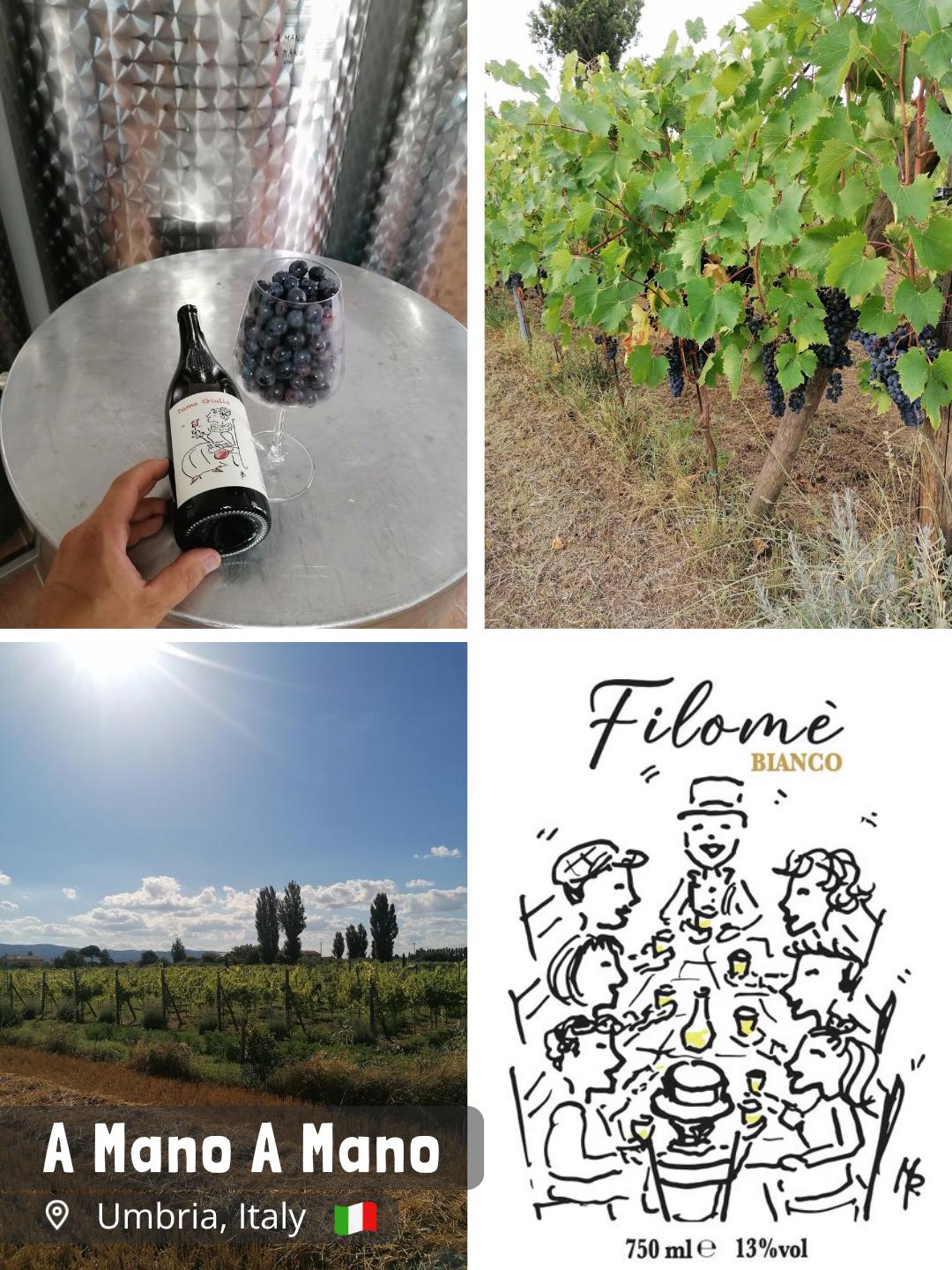
In Umbria, Andrea Manini restored three small plots of very old vines planted with indigenous varieties such as Sagrantino, Grechetto, Malvasia and Sangiovese, and planted a new Trebbiano Spoletino vineyard in 2020 between Foligno and Bevagna. The project, converted to organic and biodynamic farming, reflects its name: everything is done by hand, with as little intervention as possible, through a slow and patient dialogue between the Umbrian land and handcrafted wines that receive only a small amount of sulfur at bottling.
Simon Haag
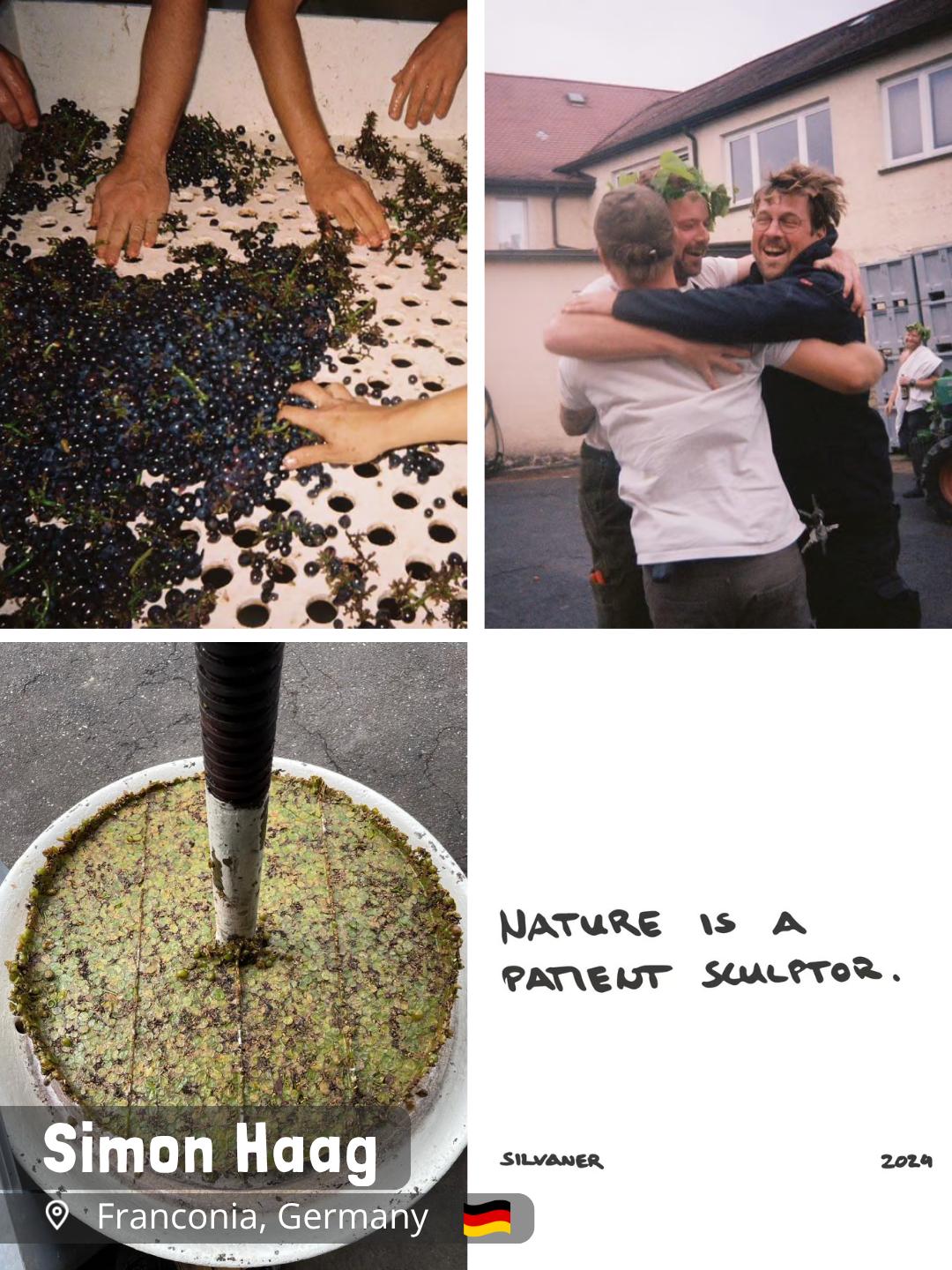
In Franconia, Simon Haag left and came back. After years working in wind energy engineering in Hamburg, he took over the family estate in Kitzingen in 2020, uprooted four hectares, converted to organic farming and released his first natural vintage in 2022. Silvaner, Pinot Noir, Pinot Blanc, Domina, and a pét-nat called “Horse Shit in Paris” — the wines are unapologetic and are vinified together with 2Naturkinder. In 2025, a trip to Burgundy and Jura brought back Chardonnay and Savagnin cuttings intended for a new limestone-based project. First bottles: when they are ready.
Vino di Anna - Anna Martens & Eric Narioo
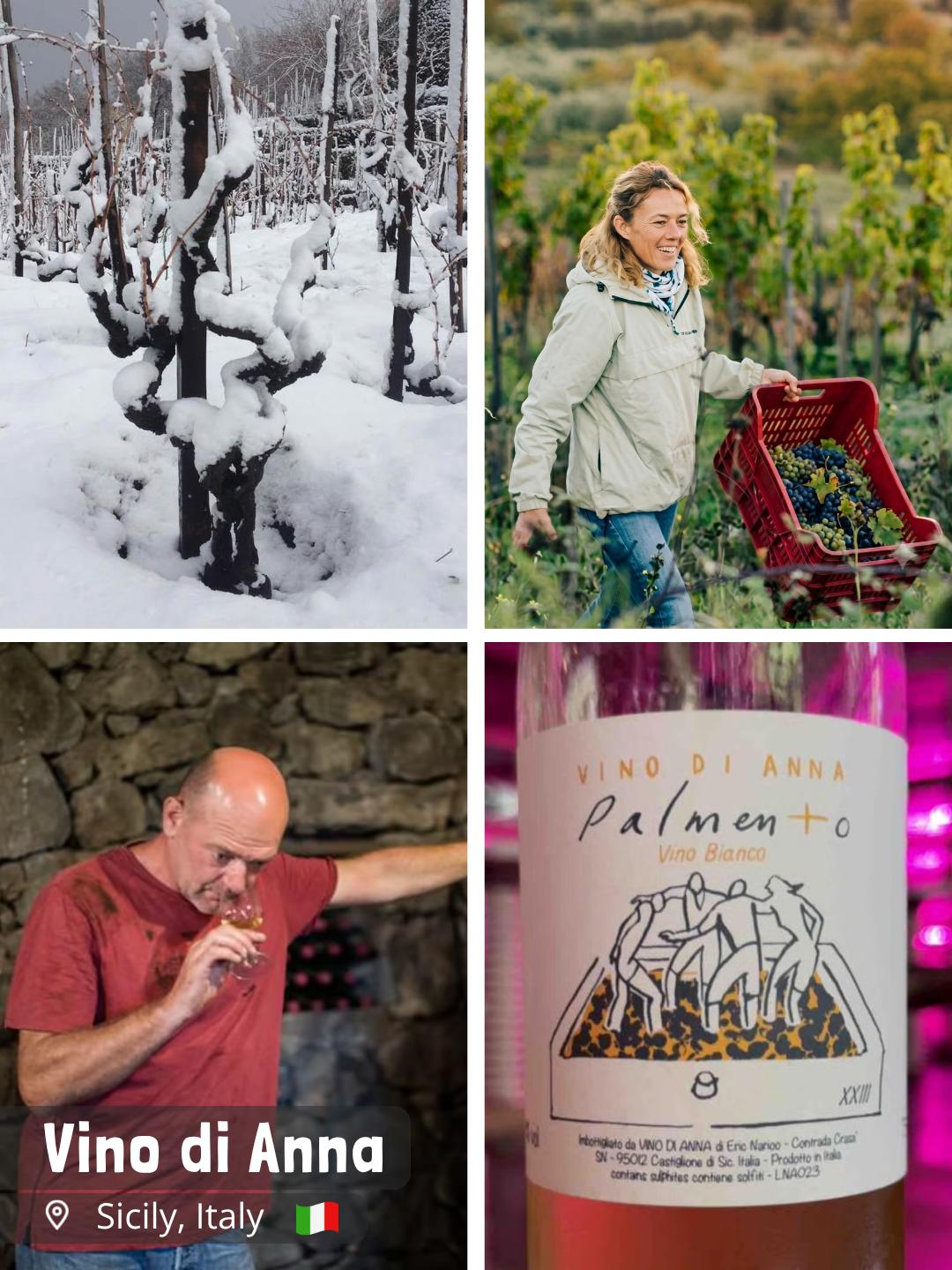
On the northern slope of Mount Etna, between Solicchiata and the surrounding hamlets, Anna Martens and Eric Narioo cultivate around seven hectares of old bush-trained vineyards, farmed according to organic and biodynamic principles, at altitudes ranging from 650 to 1,200 meters. The grape varieties grown include Nerello Mascalese, Grenache, Catarratto, and Carricante, rooted in soils of black volcanic basalt. Since 2012, winemaking has also involved the use of buried Georgian amphorae (qvevri). In the cellar, the approach is minimal intervention: only indigenous yeasts are used, with no fining or filtration.
Eric Durif
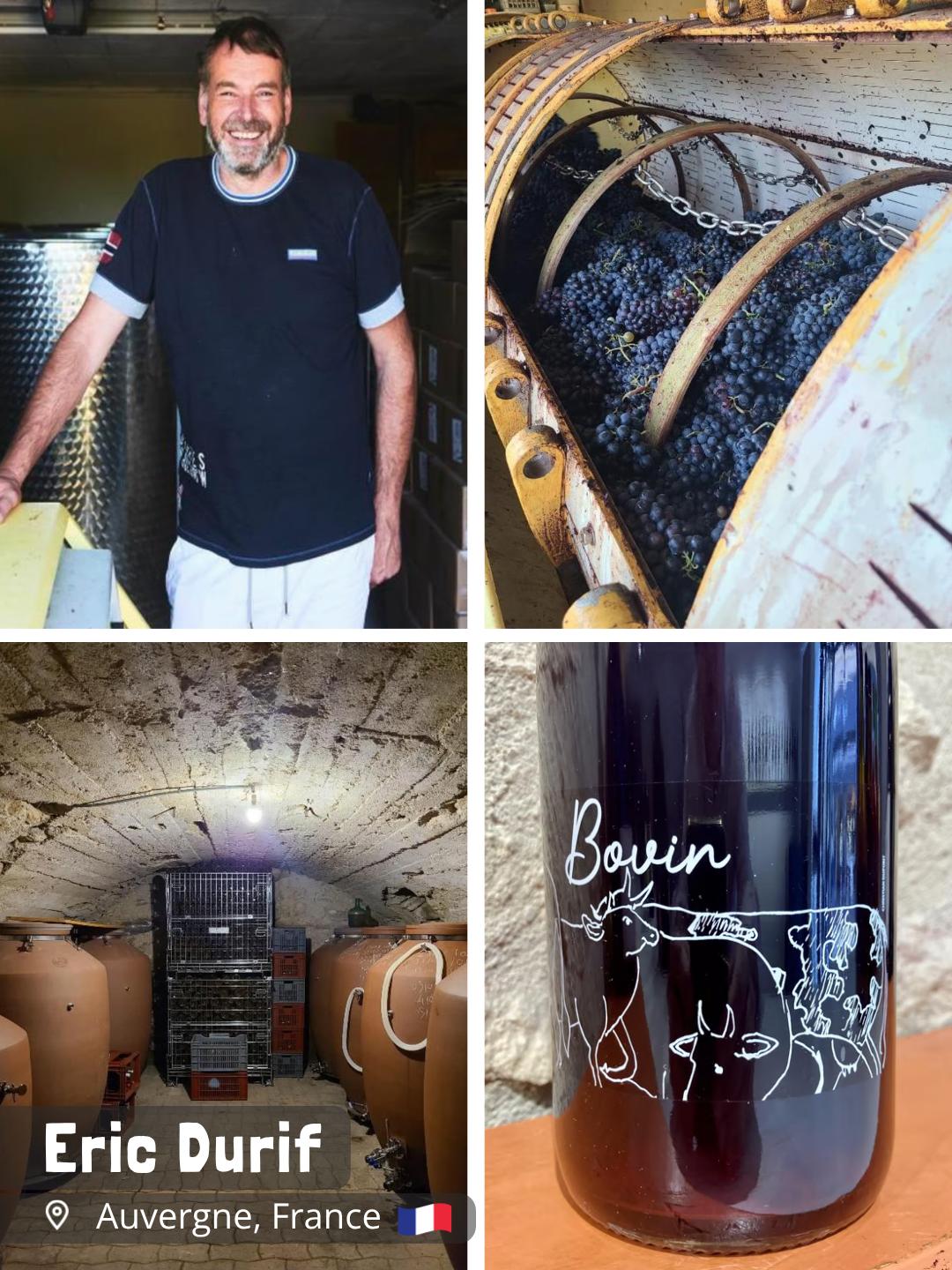
In Auvergne, Eric Durif began his winegrowing journey in 2020 before launching his own project in 2022 on the western side of the Livradois mountains. Two plots currently under organic conversion — a century-old Auvergne Gamay on clay-limestone soils and a blend of Pinot Noir, Chardonnay and Gamay on basalt — are complemented by part of the production sourced from Minervois. The wines follow the Vin Méthode Nature charter and are aged in sandstone amphorae. A project rooted in both volcanic and sedimentary terroirs, carried out with quiet determination.
Azienda Agricola Colle San Massimo - Enrico Gallinaro
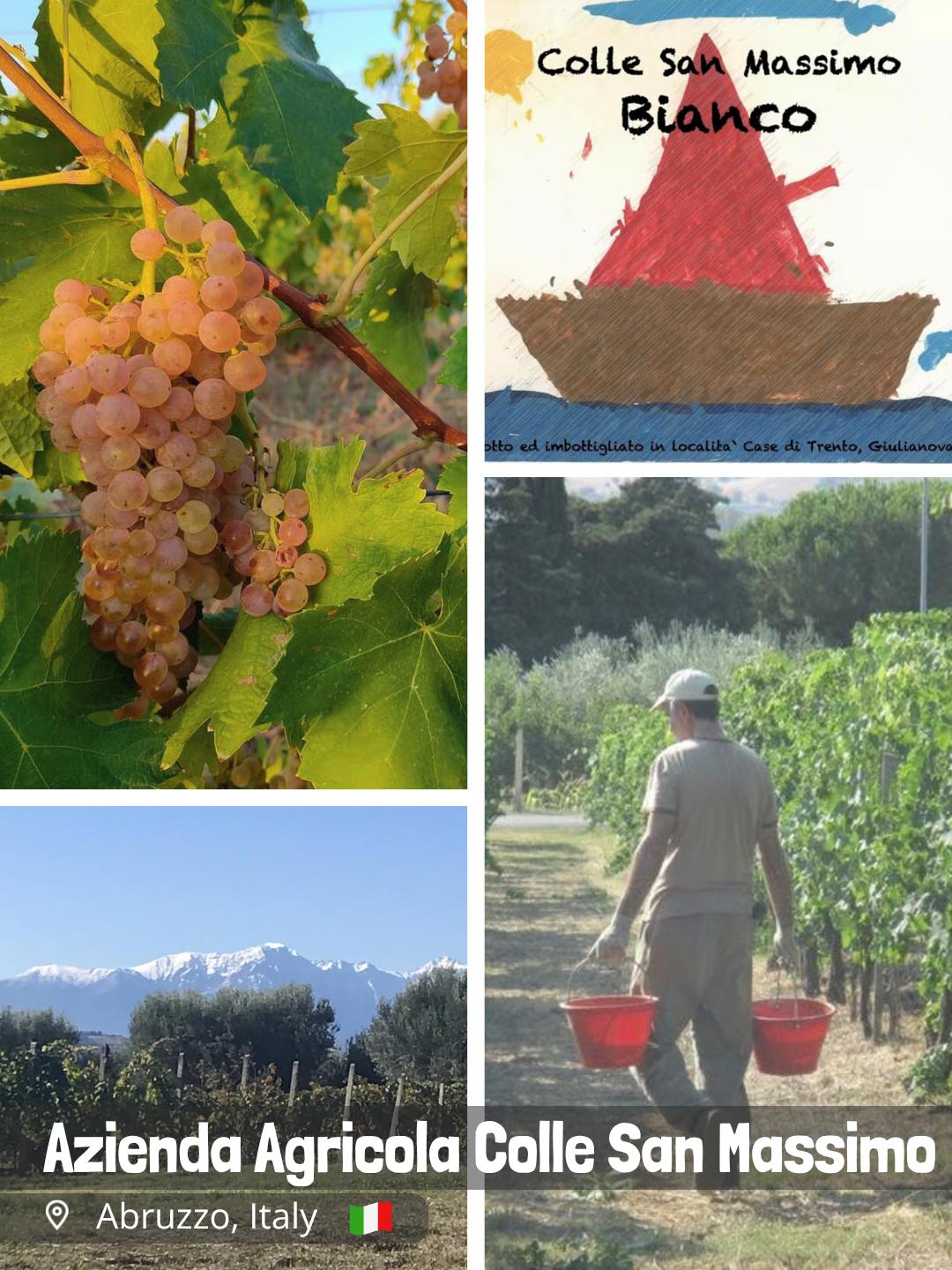
In the province of Teramo, at the foot of the Gran Sasso mountains, Enrico Gallinaro farms one hectare of southeast-facing vineyards overlooking the Adriatic Sea. Grapes are harvested by hand at full ripeness, and intervention is reduced to the strict minimum both in the vineyard and in the cellar, using only products authorised in organic farming and always well below legal limits. A human-scale estate, without official certification by choice, but guided by a rigorous ethic and wines that allow the seasons to speak for themselves.