September 15, 2026 - 0 comments
Natural winemakers to discover on Raisin - September 2026 🍇
From the steep terraces of Liguria and the granite slopes of Beaujolais to the high-altitude vineyards of Armenia and the Mediterranean landscapes of Sicily, this month’s selection takes us across a wonderfully diverse range of natural wine territories on Raisin.
France, Italy, Spain and Armenia: each estate has its own history, landscape and approach, yet all share a connection to their land and a commitment to natural, artisanal winemaking. Discover the new winemakers joining Raisin this September, from family-run vineyards and historic cooperatives to tiny experimental projects preserving rare grape varieties and bringing forgotten vineyards back to life.
As the harvest season begins, this month’s selection is a celebration of the people, places and grapes behind natural wine. Explore endangered native varieties in Armenia, an extraordinary collection of old and rare vines in Beaujolais, biodynamic vineyards overlooking the Mediterranean, and traditional varieties from the vineyards of Tuscany, Piedmont and the Loire. 🌿
Whether it’s a wine from 140 different grape varieties, a natural wine project growing alongside a Cognac estate, a tiny family vineyard in Lazio or an agricultural cooperative producing wine alongside vegetables, honey and livestock, these are winemakers worth discovering as we head into a new vintage. 🍂
🍇 Discover all natural winemakers on Raisin.
📍 Publish your winery on the Raisin map
Domaine du Mortier — Fabien & Cyril Boisard, Saint-Nicolas-de-Bourgueil, France
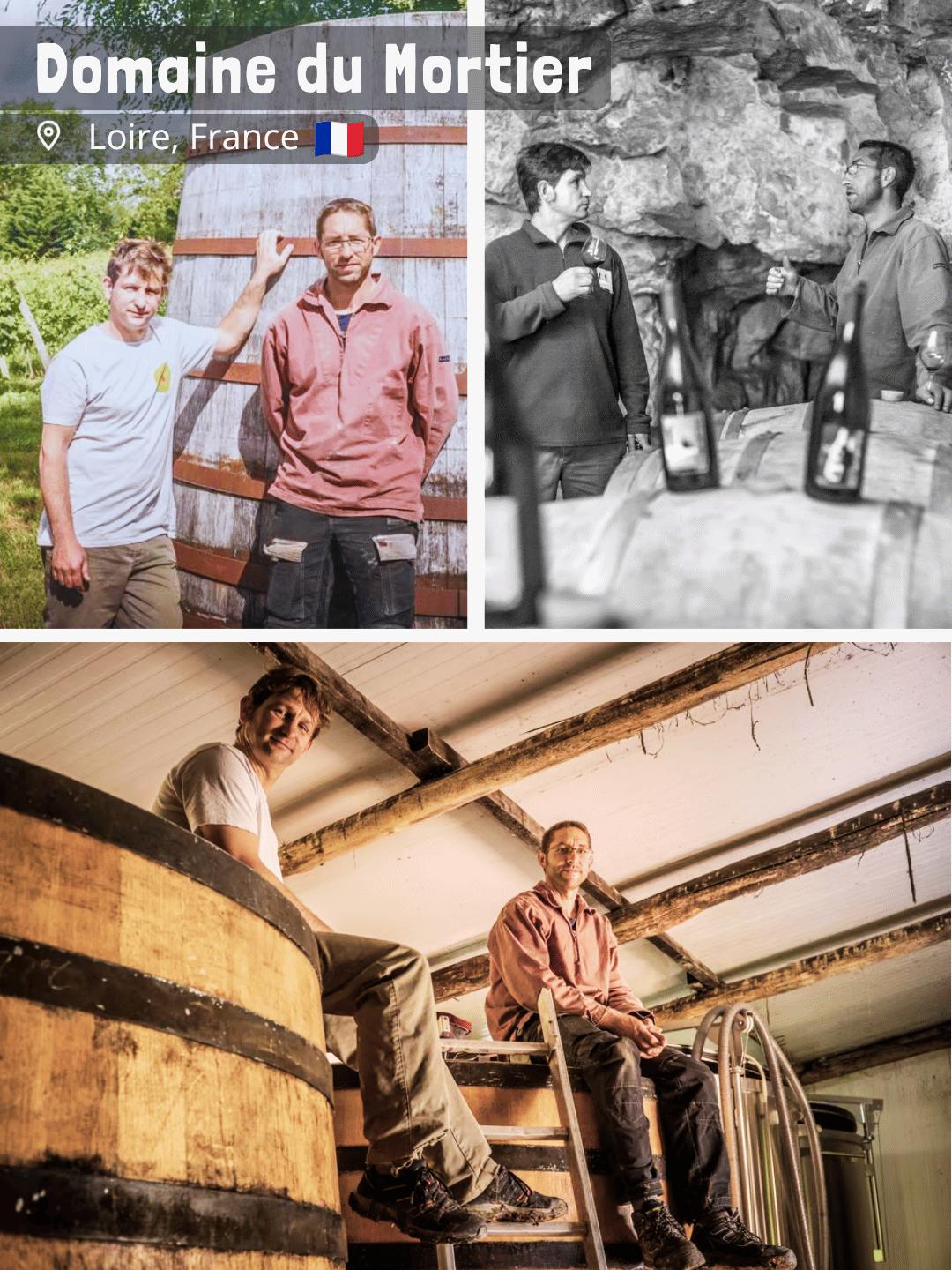
Founded in 1996 with three hectares in Saint-Nicolas-de-Bourgueil, Domaine du Mortier has grown to 16 hectares across Saint-Nicolas-de-Bourgueil, Bourgueil and an experimental six-hectare vineyard in nearby Brain-sur-Allonnes. Fabien and Cyril Boisard work without synthetic chemicals, herbicides, insecticides or pesticides, with a focus on preserving their terroirs. Their experimental Brain de Folie project combines different grape varieties with agroforestry, hedgerows, trees and shrubs, while in the cellar the wines are made through gentle pressing, spontaneous fermentation and minimal intervention.
Soc. Coop. Agr. Valli Unite — Costa Vescovato, Italy
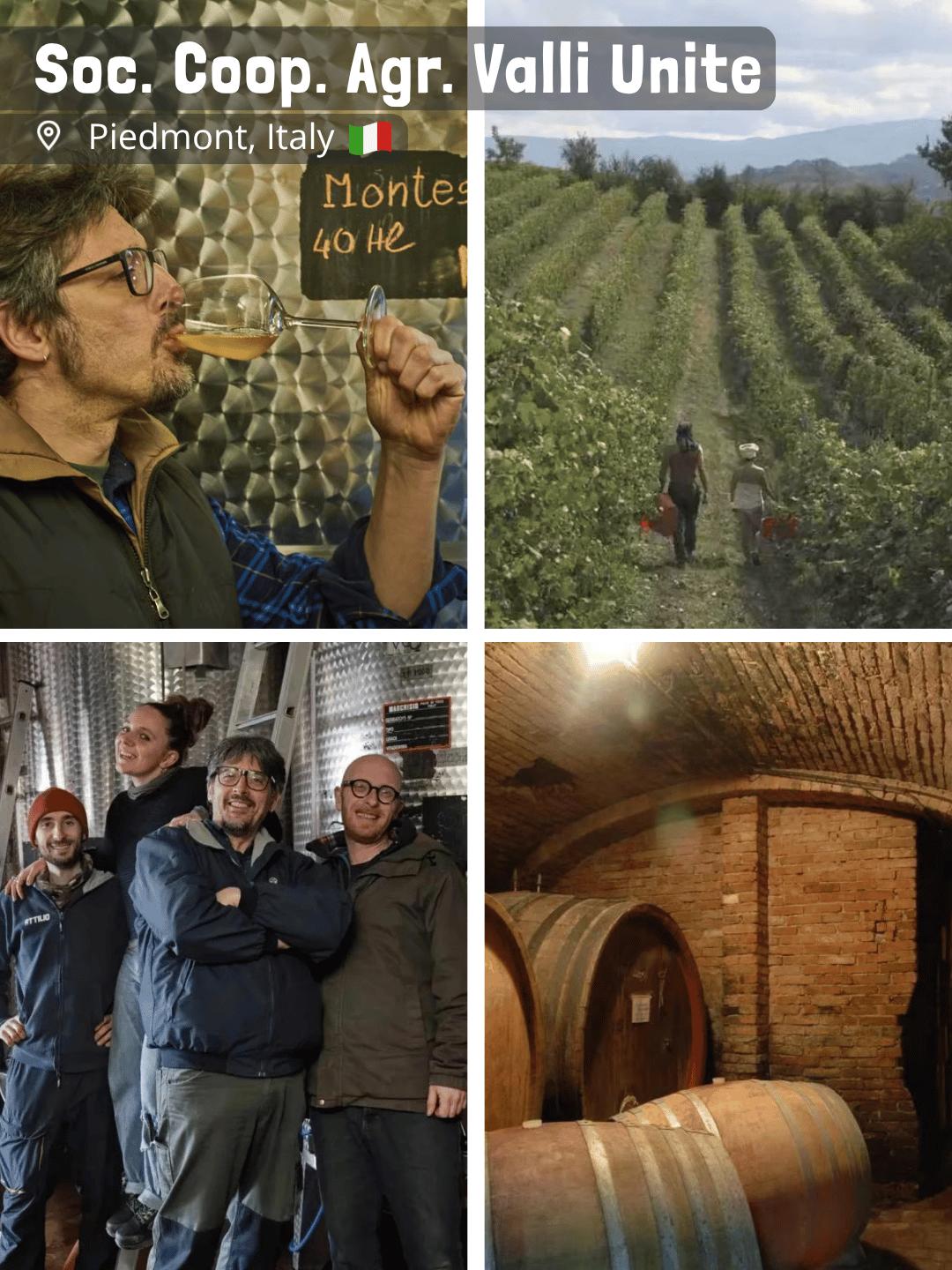
Founded in the 1970s by Ottavio Rube, Enrico Boveri and Cesare Berutti, Valli Unite is an agricultural cooperative built around a vision of living and working in harmony with nature. Today, around 40 people are involved in the project, which cultivates more than 100 hectares organically and produces wine alongside flour, honey and vegetables, while also raising livestock. Since 2009, the cooperative has stopped adding unnecessary substances to its wines and avoids sterile filtration, fining and selected yeasts. Its vineyards are worked with native varieties including Timorasso, Dolcetto, Barbera, Croatina, Cortese and Favorita.
Bodega Vineron S.L. — Samuel Párraga, Andalusia, Spain
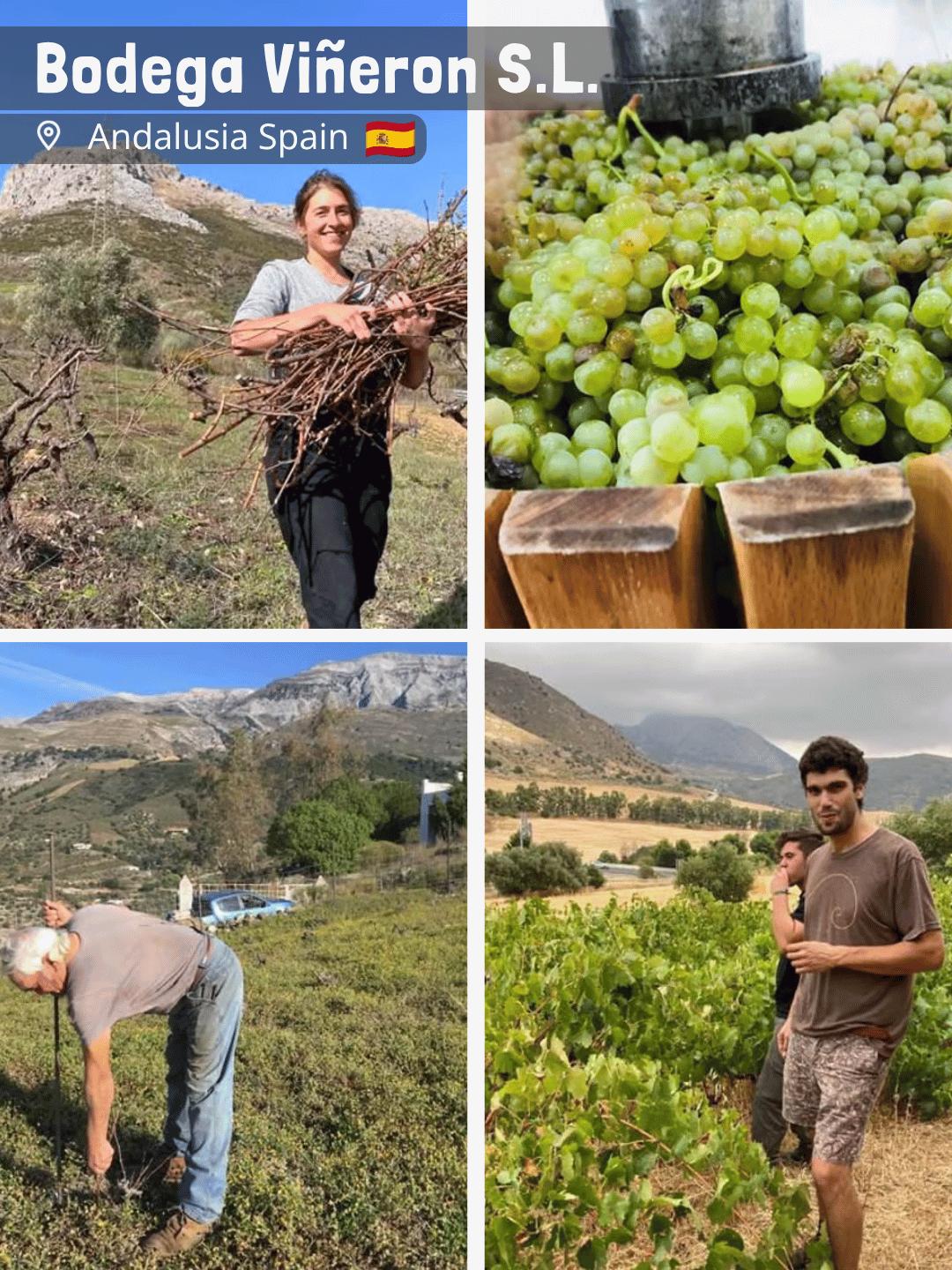
Samuel Párraga's relationship with wine began in childhood, making traditional Málaga wines with his father. He began developing his own project in 2017 and produced his first natural wines in 2018, working with traditional vineyards in the province of Málaga and minority grape varieties, some of which are endangered. Today he makes sparkling, white, red and sweet wines using hand-harvested grapes, spontaneous fermentation and no additives, with the wines neither filtered nor artificially stabilised.
LIANE — Gabriele Jacobini, Marino, Italy
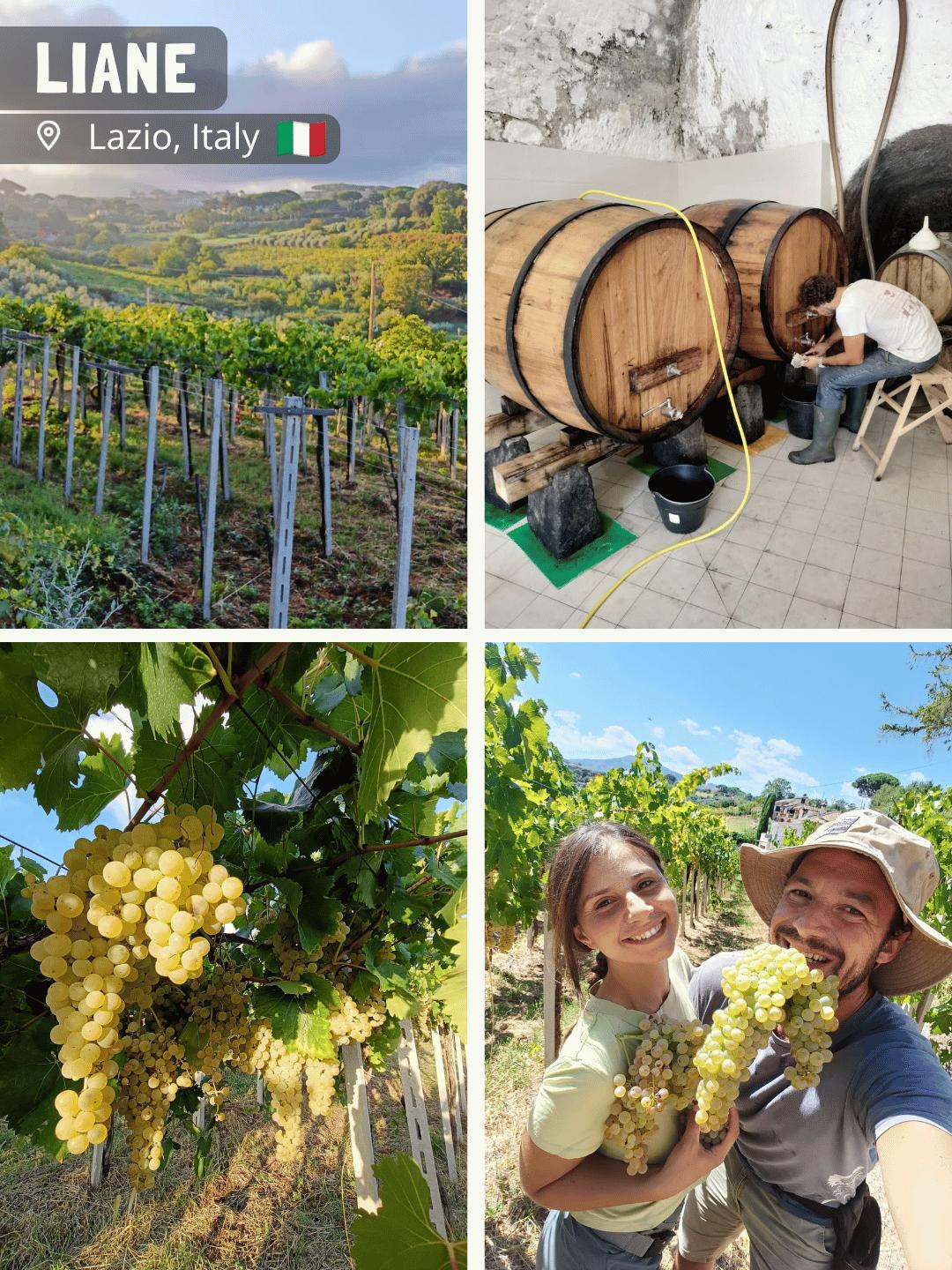
Gabriele Jacobini farms around 2.5 hectares in Marino's Marciana Valley, across three plots planted between the 1960s and 1980s and overlooking the Tyrrhenian Sea. The vineyards are planted with traditional local varieties including Malvasia Puntinata del Lazio, Malvasia di Candia and various Trebbiano clones. The entire project is family-run, with no employees or consultants, and Jacobini sees artisanal wine as a way of creating social sustainability and togetherness. The estate is not certified organic, but uses only sulfur- and copper-based contact products in the vineyard, with no fertilizers or herbicides.
Conservatoire De Vignes Anciennes — Karine & Cyril Alonso, Marchampt, France
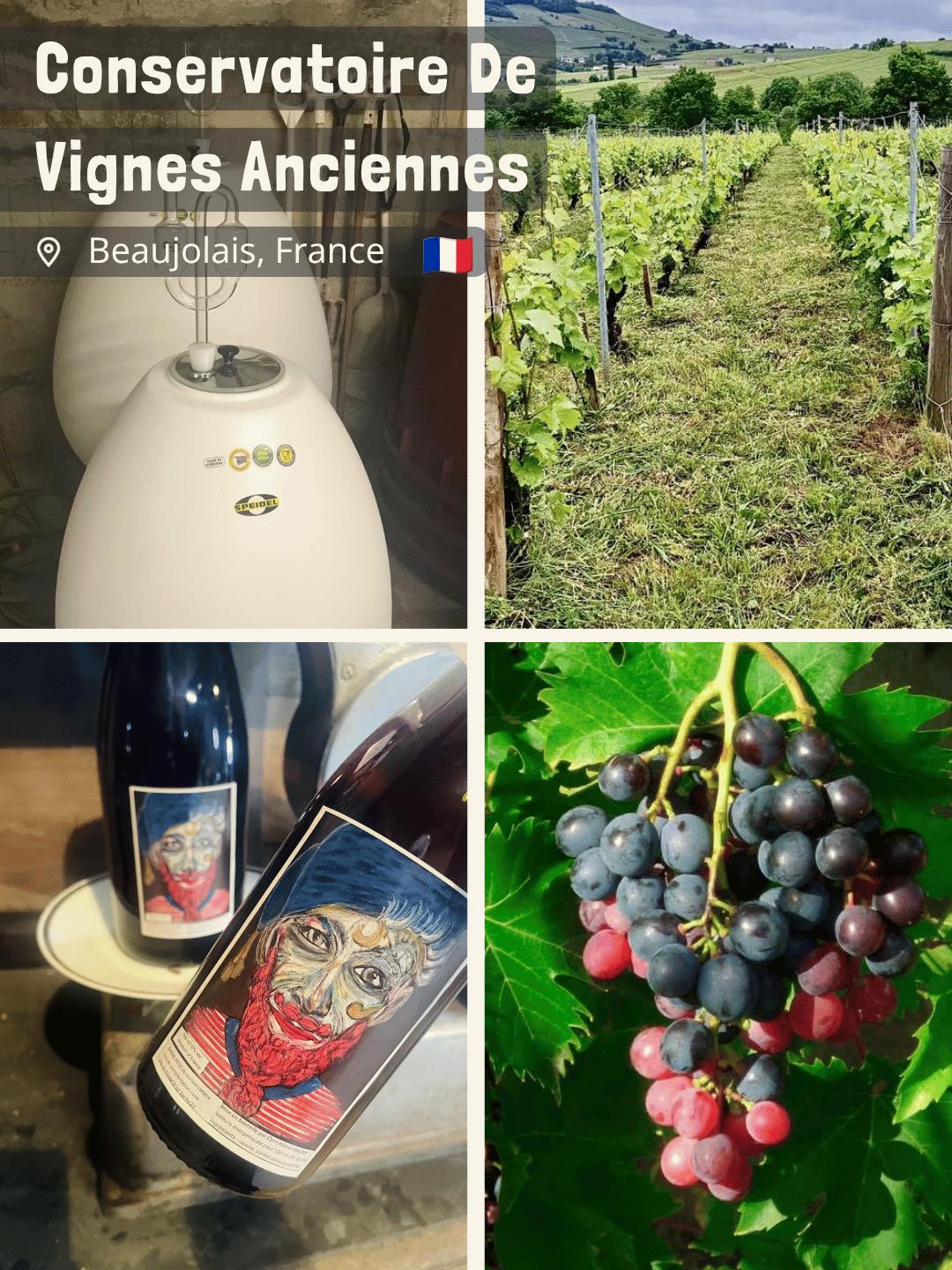
In Marchampt, Beaujolais, Karine and Cyril Alonso have created an ampelographic conservatory containing around 140 grape varieties, including 28 Chardonnays, 31 Gamays, more than 52 hybrids, seedlings and Vitis sylvestris in production. Their vineyards sit on grey granite slopes with gradients of 42–47%, facing south and planted with intermingled varieties. The project's central purpose is the preservation and protection of endangered regional grape varieties, with zero-input winemaking in the cellar.
Azienda Agricola Pierasco — Sofia Casarin, Treviso, Italy
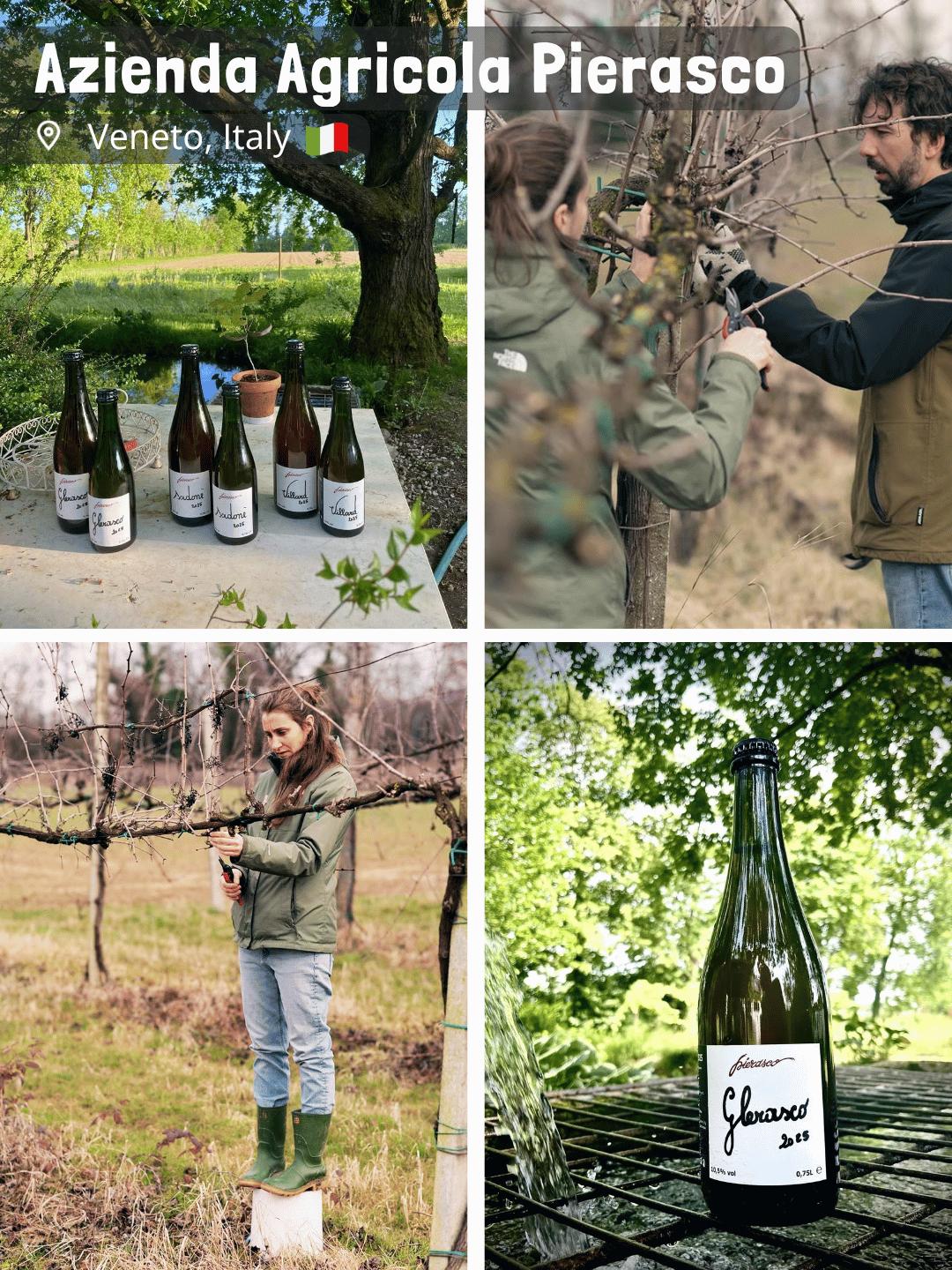
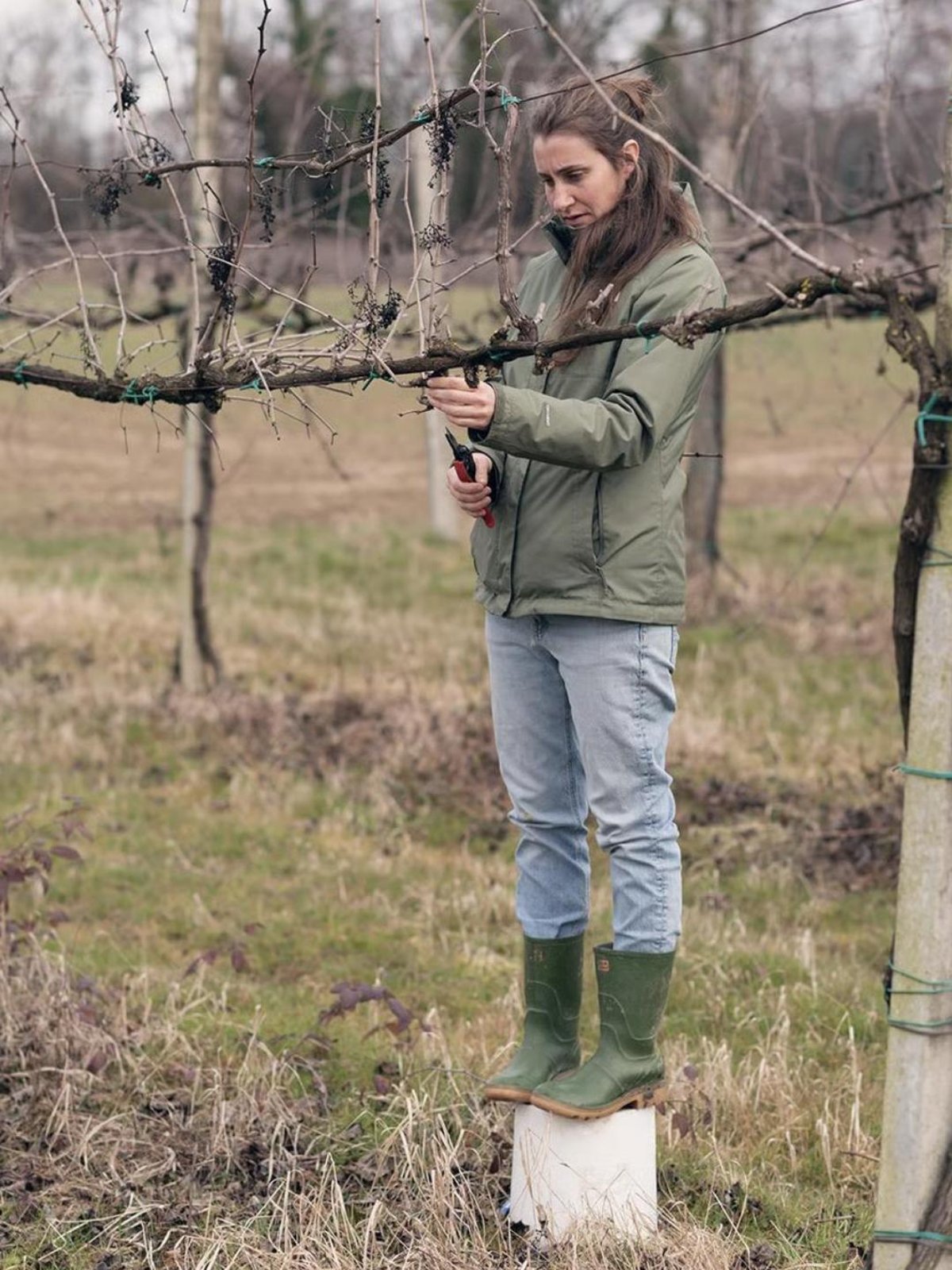
Azienda Agricola Pierasco is an artisanal winery in Zero Branco, founded around a passion for biology and environmental sustainability. Sofia Casarin studied Plant Biology before completing a PhD in Grapevine Genetics and Pathology, using her research to explore the heritage of centuries-old vines and almost extinct local varieties on her family's land. The farm is surrounded by a diverse ecosystem of plants and animals, while the vineyards are managed using regenerative agriculture. In the cellar, the wines undergo spontaneous fermentation without additives; they are macerated, unfiltered and aged in 54-litre glass demijohns, with the work guided by time, temperature and patience.
Sentimental Wine — Simonyans Family, Aghdzk, Armenia
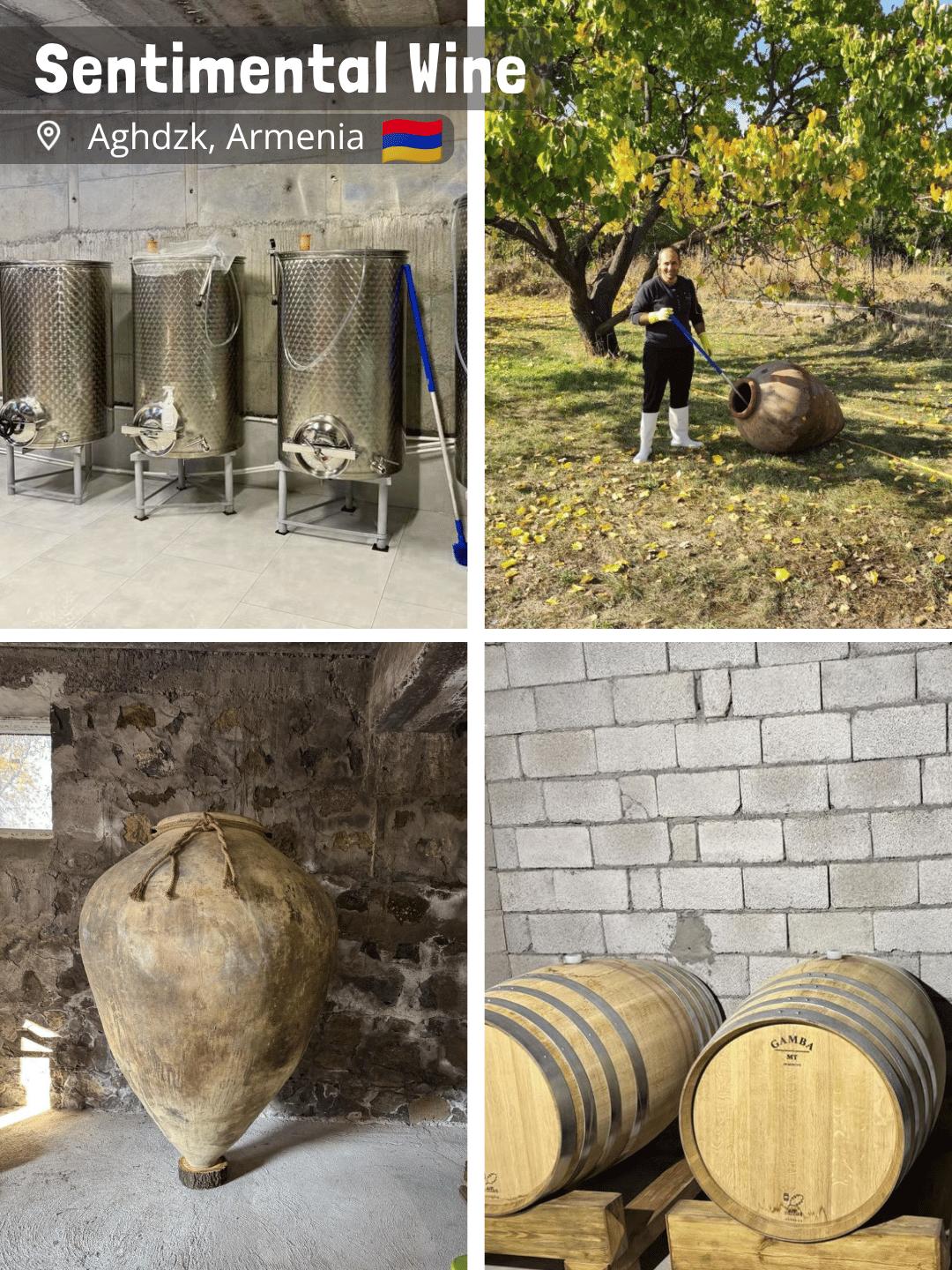
Sentimental is a small natural wine project from the Simonyans Family, based in Aghdzk, Aragatsotn, at around 1,100–1,200 metres elevation. The family began producing natural wines in small quantities in 2020, working with Voskehat, Kangun, Muscat and Karmrahyut. They do not yet own vineyards, instead working with a small group of trusted family growers in Aragatsotn and Vayots Dzor. Grapes are hand-harvested and sorted in the vineyard, with spontaneous fermentation, no additives, fining or filtration, and mostly zero added sulphites.
Château Gaudrelle — Emile Pasquier, Rochecorbon, France
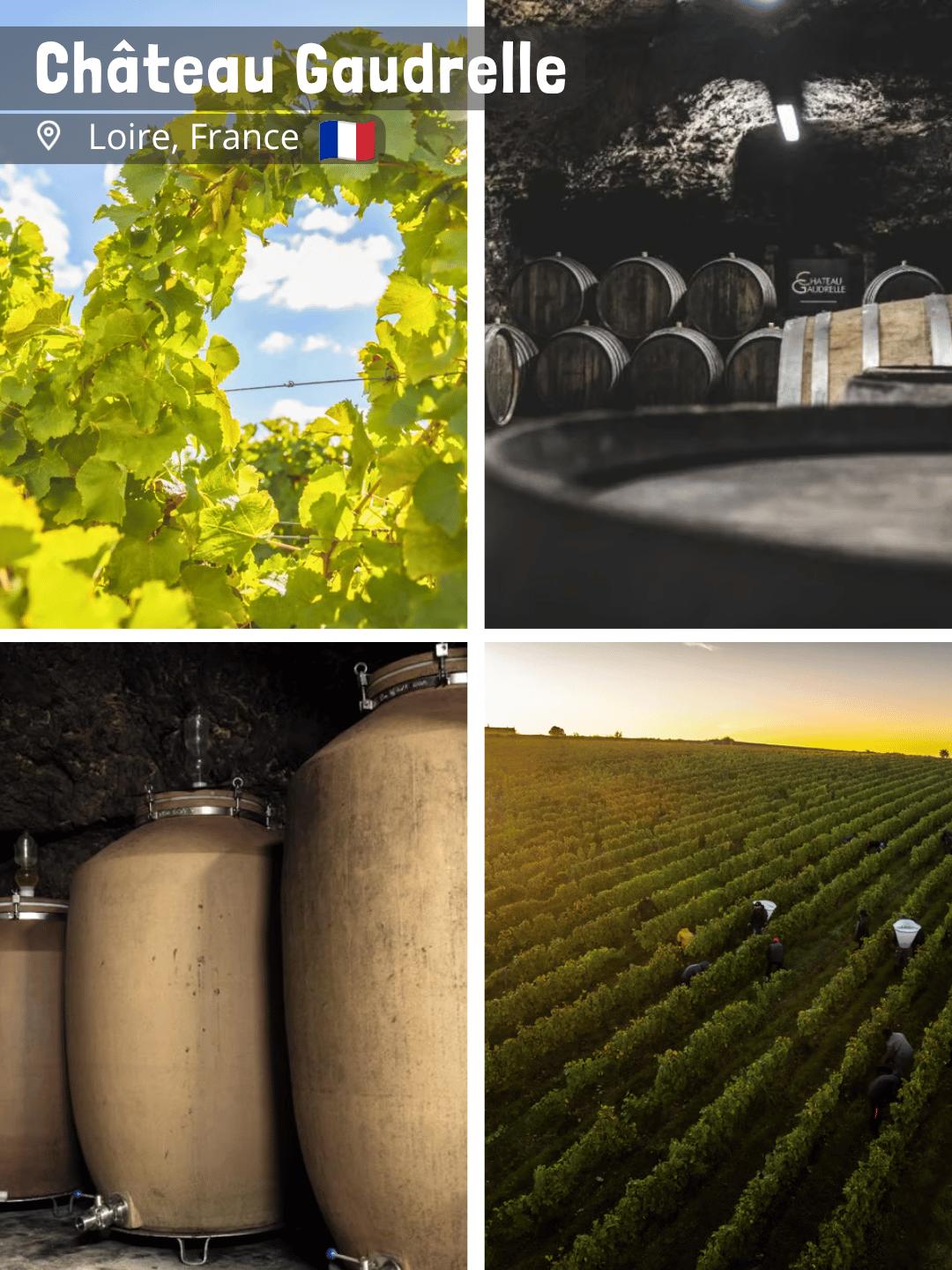
At the gates of Tours in Rochecorbon, Château Gaudrelle has been in the hands of the Pasquier family since 2020, with Emile Pasquier now managing the estate. The 17-hectare vineyard is certified organic and biodynamic, and is planted primarily with Chenin Blanc alongside Menu Pineau, Cabernet Franc and Grolleau. The estate focuses heavily on vineyard work, including agroforestry, animal traction and the reintroduction of Menu Pineau. Harvesting is entirely manual, while in the cellar each plot is vinified separately through gentle pressing and spontaneous fermentation, with small amounts of sulphur used only at bottling.
Distillerie du Peyrat — Antoine Laforest, Houlette, France
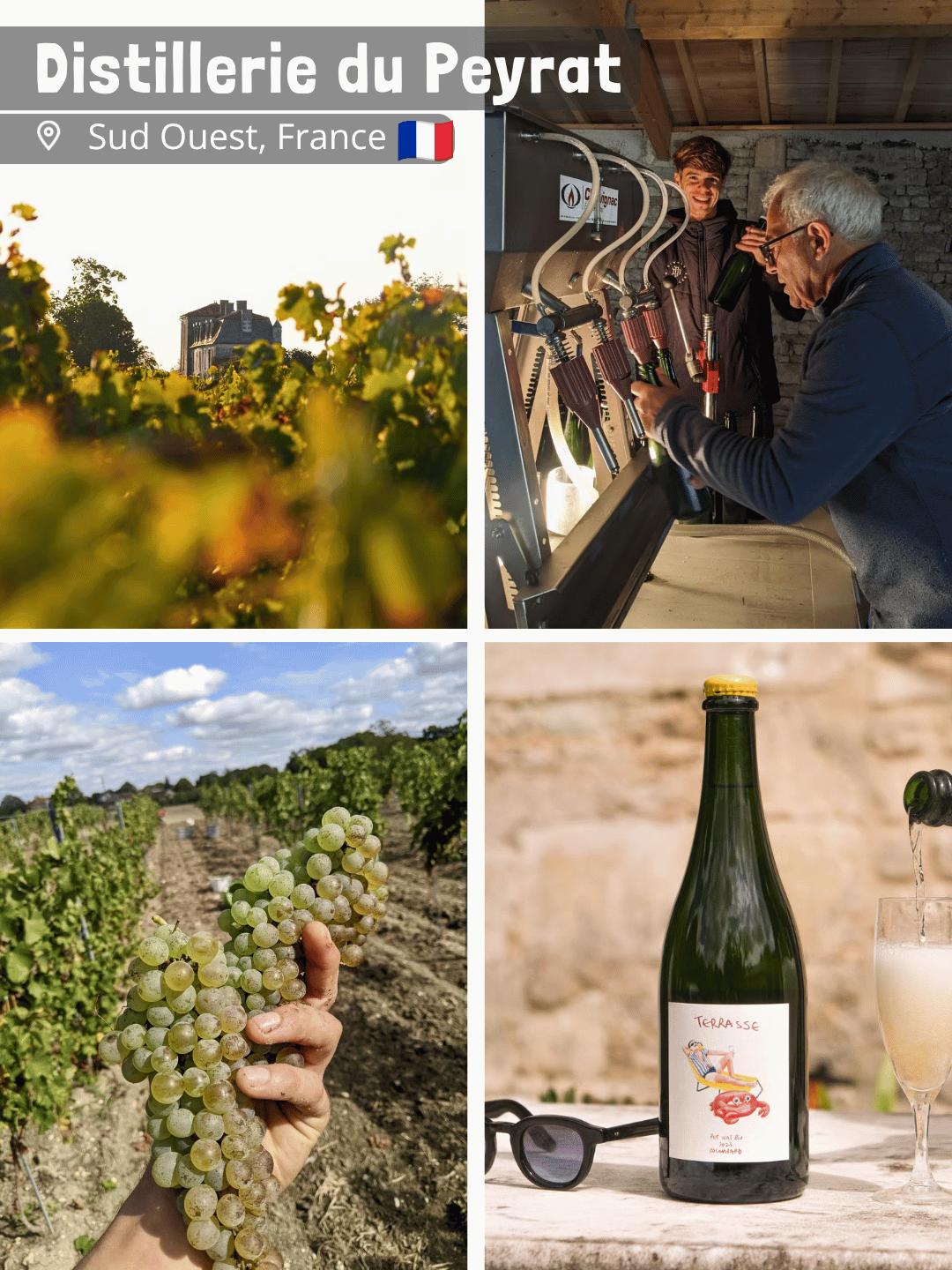
At the family estate in Le Peyrat, Charente, Antoine Laforest works 25 hectares organically for Cognac, alongside two hectares dedicated to natural wines. The wine comes from a clay-limestone plot known as Les Champs du Devant, with white varieties including Ugni Blanc, Folle Blanche and Colombard. Grapes are hand-harvested, pressed and vinified without additives using indigenous yeasts, with bottling carried out at the estate. The project currently produces small batches of natural wines, including a dry white and a natural sparkling wine.
Chai Julip — Judith Melka & Philippe Peignier, Murviel-lès-Béziers, France
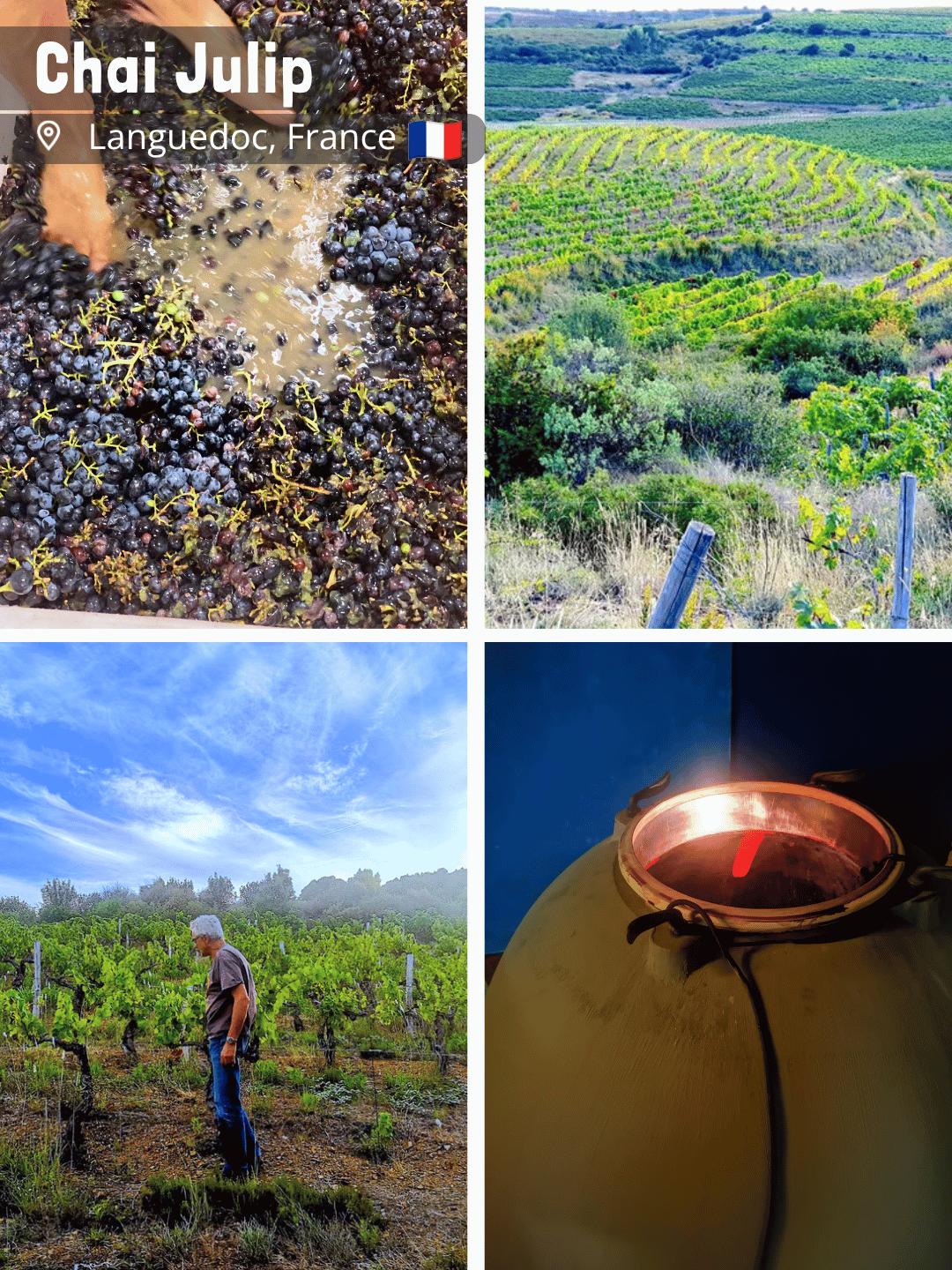
Chai Julip is a 12-hectare estate in the Saint-Chinian area, taken over by Judith Melka and Philippe Peignier in 2021. The old vines, more than 60 years old, are planted on schist and surrounded by garrigue, with Syrah, Grenache, Carignan and Cinsault at the heart of the estate. The vineyards are farmed organically, with natural grassing, sheep grazing, agroforestry and manual vineyard work, and the estate has been certified AB and Vins Méthode Nature since 2025. In the cellar, the wines are made with indigenous yeasts, gentle extraction and little or no sulphur. Philippe looks after the vines, following a career as a pilot, while Judith, who spent 25 years working as a chef, is responsible for the cellar.
La Mercareccia — Fabrizio Zanfi, Tuscany, Italy
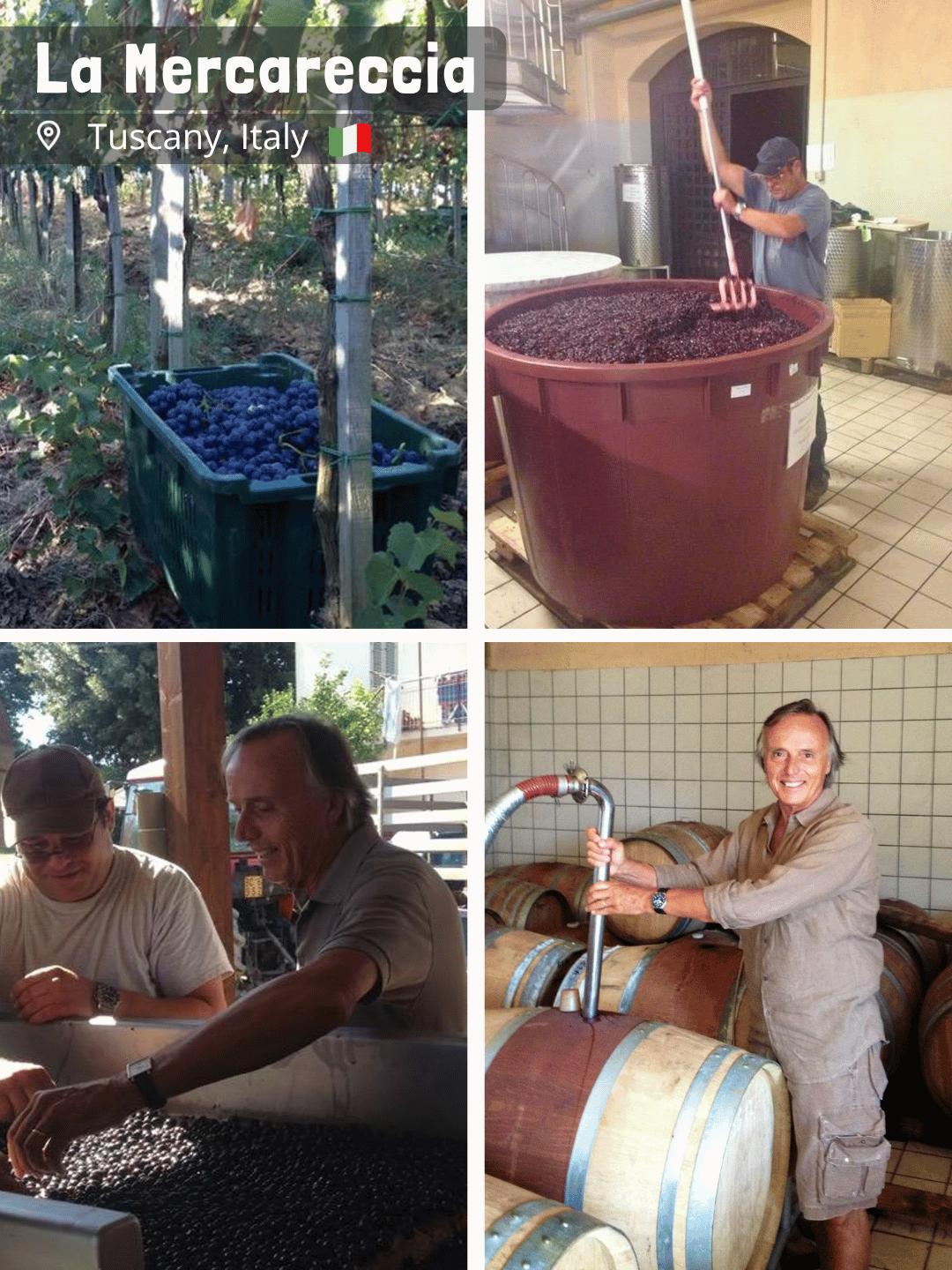
Fabrizio Zanfi farms three hectares of vineyard and two hectares of olive groves on the Tyrrhenian coast, eight kilometres from the sea in the heart of Etruscan Tuscany. The organically farmed vineyards include Sangiovese, Syrah and Ciliegiolo, growing on yellow sandstone soils rich in fossil shells that reveal the area's ancient marine origins. Zanfi describes his approach as “vintage science”: adapting the work in the vineyard and cellar to the conditions of each season. The estate, founded in 2004, produces a small quantity of wine and olive oil.
Babalù Società Agricola S.S. — Luca Toneatti & Giorgia Maranzan, Sicily, Italy
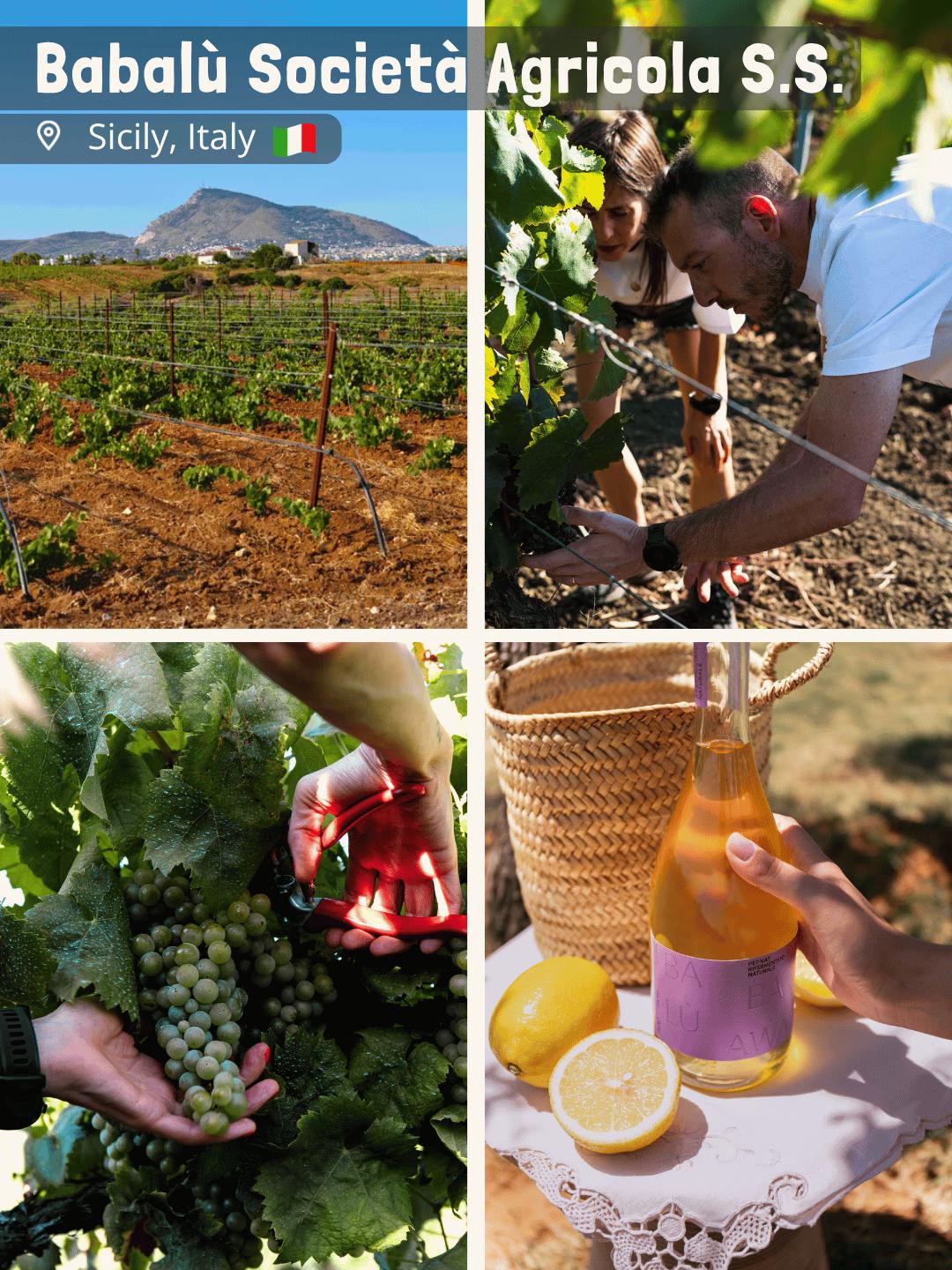
Babalù was founded in 2024 by Luca Toneatti and Giorgia Maranzan, a couple from Vicenza whose passion for wine, food and wine tourism led them to Sicily. They farm around one hectare of vines between Partinico and Balestrate, in a hilly area influenced by sea breezes and Mediterranean vegetation. Their native varieties include Catarratto, Carricante, Grillo and Nerello Mascalese. The approach is completely natural, with no synthetic chemicals, manual harvesting and spontaneous fermentations with indigenous yeasts, while the wines are made without additives, clarification or filtration. Alongside wine, they produce extra virgin olive oil and, since 2025, have also welcomed visitors at Casa Babalù.
Stella Di Lemmen — Lucia Bruzzone, Riomaggiore, Italy
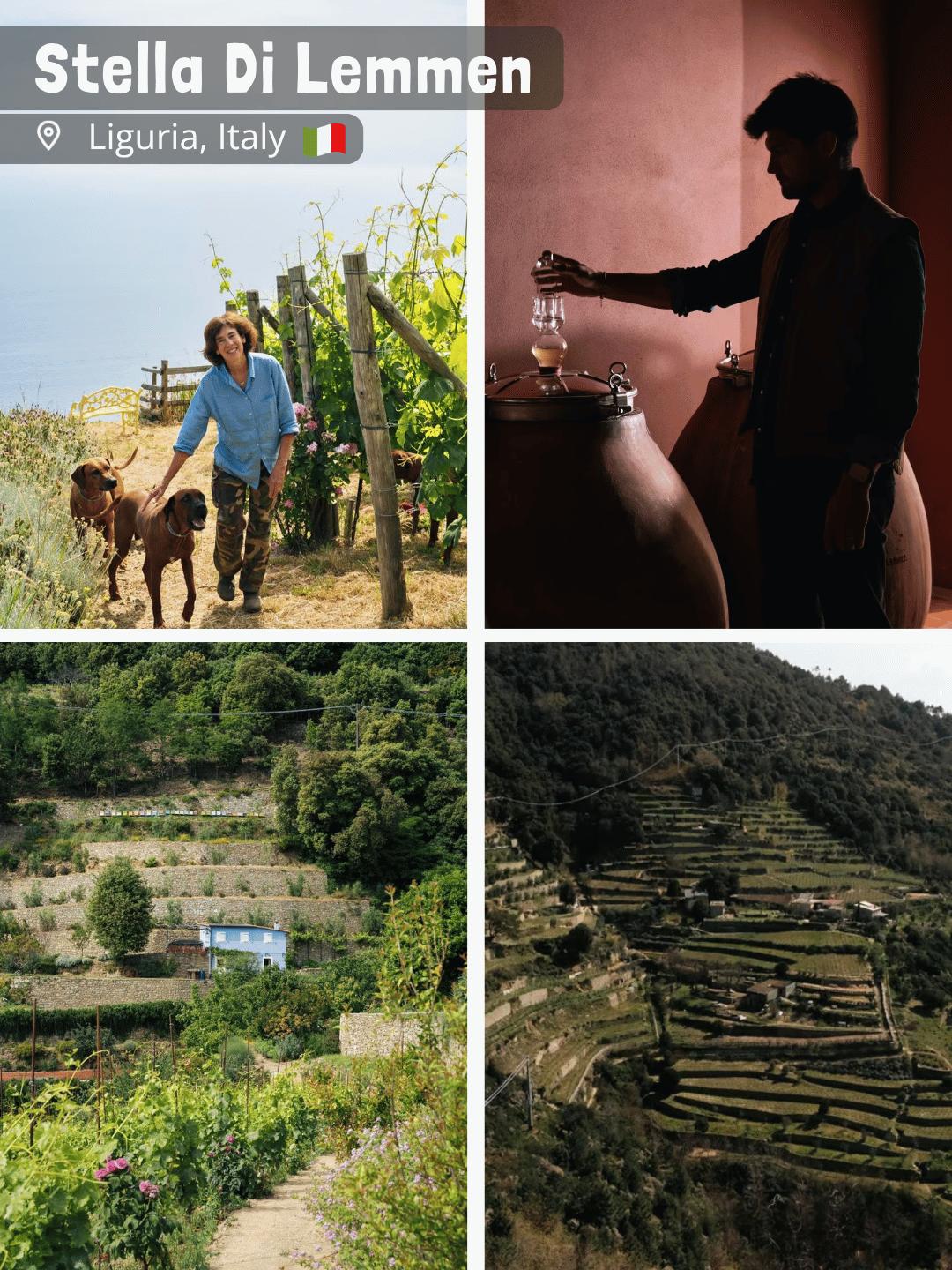
Above Riomaggiore, Lucia Bruzzone's Stella di Lemmen is an agricultural project shaped by the steep terraces, marine light and salty winds of the Ligurian coast. The project is built around biodiversity, with the vineyard considered part of a wider agricultural ecosystem rather than an isolated monoculture. Bruzzone works biodynamically and carries out the vineyard work manually, adapting interventions to the rhythms and needs of the plants and the difficult logistics of the terraces. In the cellar, fermentations are spontaneous and the approach is non-interventionist, with wines aged according to the character of each vintage in vessels including terracotta amphorae, steel, barriques and demijohns.