31 234 8345 KM
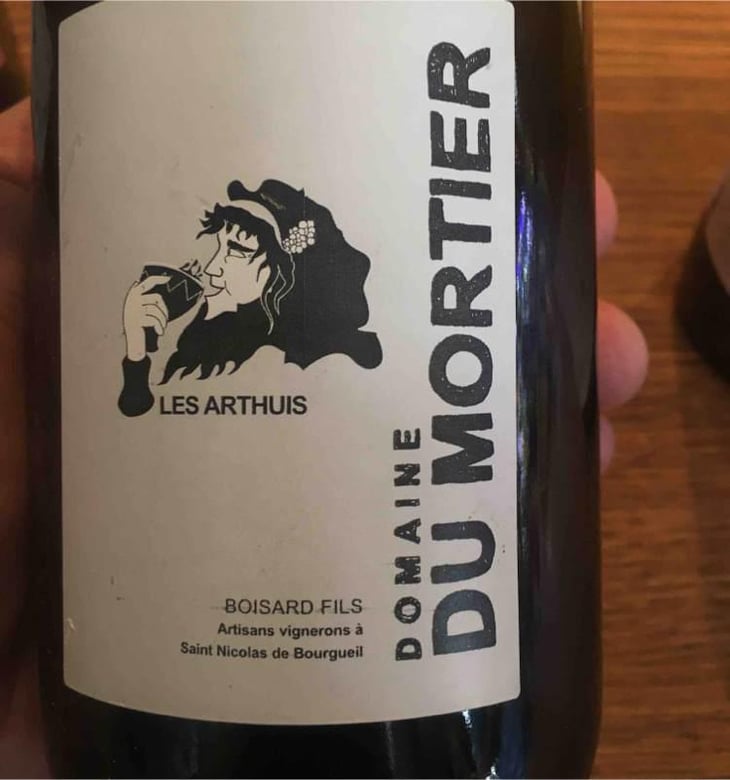
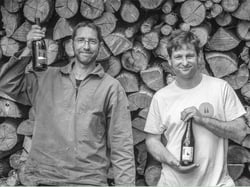
Domaine du Mortier was established in 1996 on 3 hectares in Saint-Nicolas-de-Bourgueil. Since then, the vineyard has gradually expanded to its current size of 16 hectares. It comprises plots in Saint-Nicolas-de-Bourgueil (8 hectares), Bourgueil (2 hectares), and 6 hectares of experimental vines in the neighboring village of Brain-sur-Allonne. We are committed to respecting our terroirs to produce authentic and vibrant wines.
Our 16-hectare estate is located north of the Saint-Nicolas de Bourgueil AOC, on the edge of the forest. We are committed to preserving our terroir and that of future generations.
Our cultivation method prohibits the use of synthetic chemicals, herbicides, insecticides, or pesticides. Depending on the soil type, we either allow natural ground cover or cultivate the surface. We use only organic products, such as decoctions of nettles, horsetail, and young willow shoots, for the natural protection of the vineyard. We foster a balanced, diverse ecosystem that helps vines better defend themselves against diseases and pests.
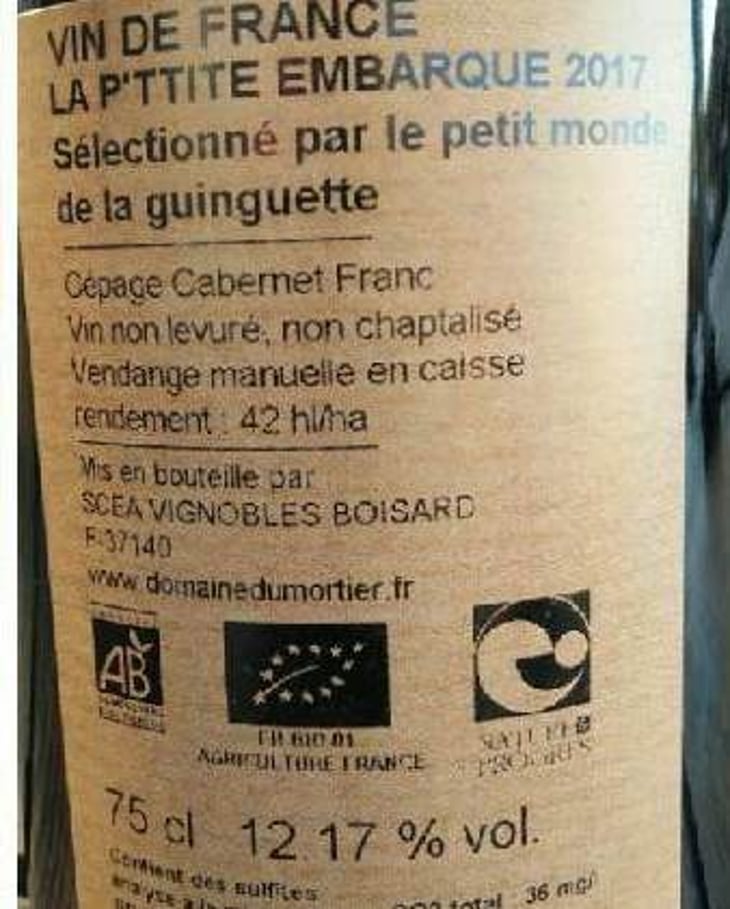
The grapes are harvested by hand and picked into crates. The winemaking process uses no artificial additives—no yeasts, enzymes, or tannins—in order to preserve a true expression of the terroir. Sulfur is used sparingly, depending on the balance of the different cuvées and the health of the harvest, or even not at all if possible. Maceration lasts from 10 to 30 days in concrete, stainless steel, or wooden vats, followed by aging in concrete, wooden, or oak vats for 6 to 24 months.
Since 2004, the harvest has been received in a destemmer with sorting on a table. It is then transported by conveyor belt into the vats, where fermentation begins in the grape berries and promotes the extraction of highly fruity aromas.
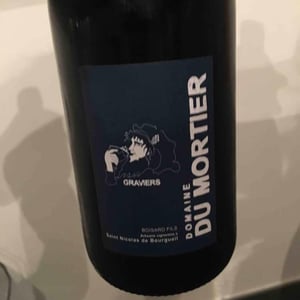
The terroir is composed of alluvial deposits and sediments from the Loire River, 20 to 30 cm deep. The vines, aged 10 to 30 years, produce a supple, light, and very fruity wine with aromas of small red berries and silky, rounded tannins. Best enjoyed young, within 3 to 4 years of aging, at a moderate temperature; ideal for accompanying an entire meal.
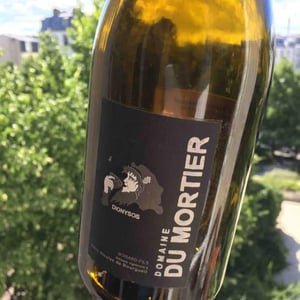
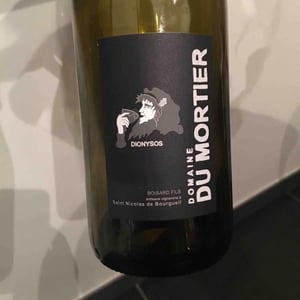
Thirty-year-old vines from the single-plot "Les Pelouzes" vineyard, covering 1.7 hectares. These wines often stand out from other cuvées. In its youth, the wine displays pronounced fruit notes, then evolves towards more complex aromas of spice and sometimes animal notes. Enjoy young with red meats and cheeses, or cellar for 7 to 8 years.
Selection of old vines over 50 years old grown on clay-limestone and tuffeau soils. Maceration for 15 to 20 days or more in wooden vats, followed by 12 months of aging in 5- to 10-year-old oak barrels. Subtle aging to preserve its typicity. Requires 2 to 3 years of bottle aging before fully expressing itself and can be cellared for 8 to 10 years or more.
2 hectares located in the place called "Les Pins". One plot of old vines is intended for bottling, and another, younger, producing lighter and fruitier wines for wine dispensers.
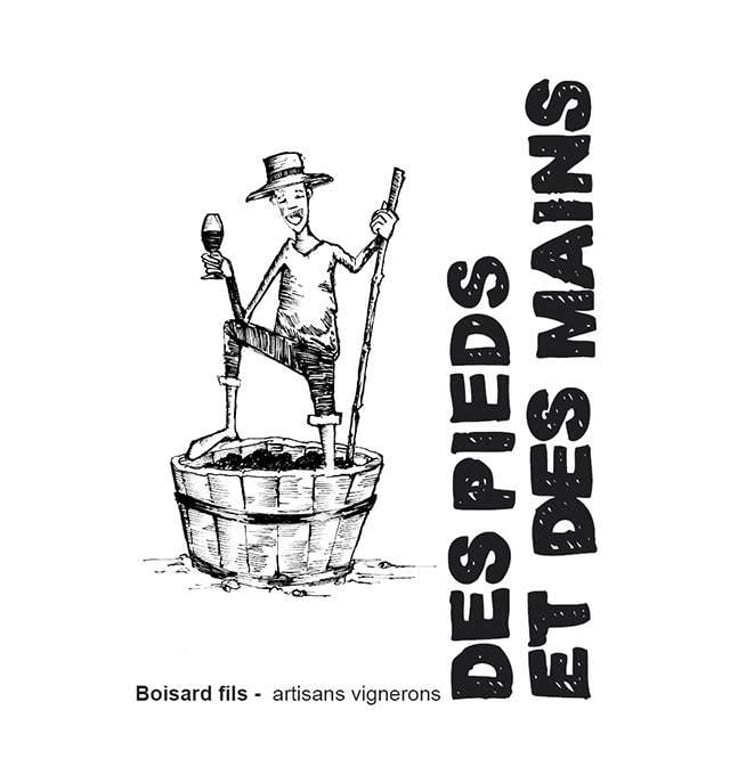
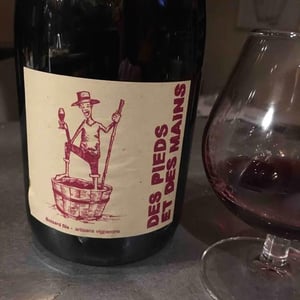
No chaptalization, no added yeast. Whole-cluster fermentation in wooden vats for 25 days, without pumping over, daily foot treading. Aged for 24 months in oak barrels. Bottled without sulfites.
No chaptalization, no added yeast, no added sulfites. Whole grain maceration in 220-litre barrels for 180 days, daily barrel rotation, then further aging for 180 days.
A limited-edition vintage illustrating the difficulty of natural winemaking. In 2018, a vat that had not yet finished drying its sugars was aged for 18 months to complete the alcoholic fermentation.
Soléra began in 2014. Each vintage, the best barrel is blended with the previous ones. The first version is composed of five vintages, from 2014 to 2018, for a rare and surprising wine.
A 6-hectare experimental project in Brain-sur-Allonnes, with a variety of grape varieties planted using agroforestry techniques, accompanied by hedgerows, trees, and shrubs. On these gravelly plots with their highly diverse ecosystem, the estate produces a white wine, a dry rosé, and a light, fruity red wine.
Hand-harvested in crates, gentle pneumatic pressing, cold settling, spontaneous fermentation in egg-shaped tanks. Dry and crisp white wine with powerful aromas.
Hand-harvested, gently pressed, spontaneously fermented, aged for 6 months in egg-shaped tanks. Dry, complex and round white wine.
Gentle pressing, spontaneous fermentation, and aging in tanks. A blend of Grolleau, Cabernet Franc, and Cabernet Sauvignon. A dry, fruity, and delicate rosé.
Carbonic maceration for 10 to 15 days. Blend of Grolleau Noir and Cabernet Franc. Aged for 4 months in vats. Light, fruity, and easy-drinking red wine.
Bottled before the end of fermentation, natural secondary fermentation in the bottle for 8 to 18 months. Disgorged without additives. Fine bubbles, ideal as an aperitif.
Carbonic maceration for 7 days. Bottled in December 2024.
Hand-harvested, gently pressed, spontaneously fermented and aged in vats. Dry, fruity and delicate wine.
No orange wines at the moment.
FIND THE EVENT YOU ATTEND
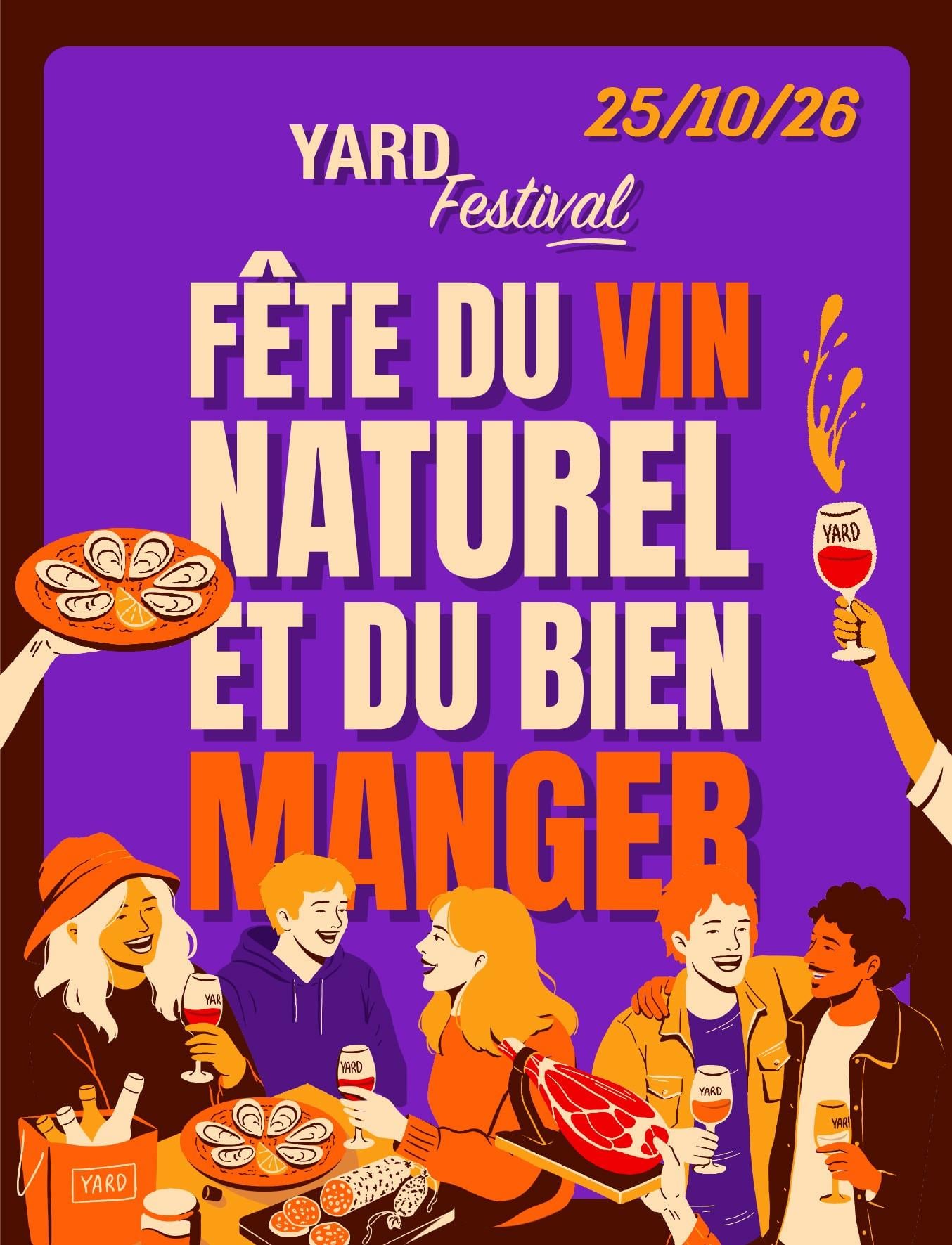
Sunday October 25
Paris
6492 KM
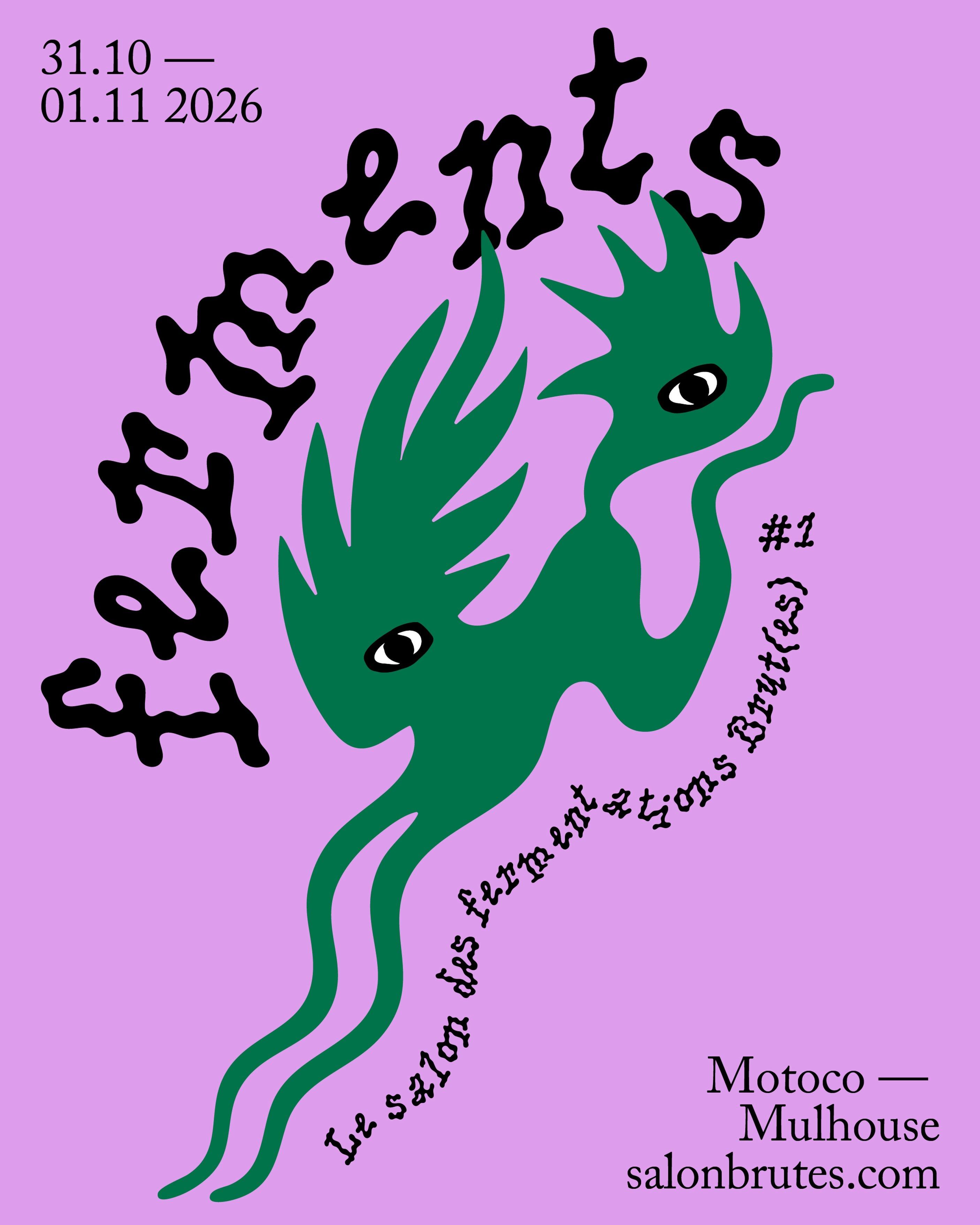
Saturday October 31 - Sunday November 01
Mulhouse
6872 KM
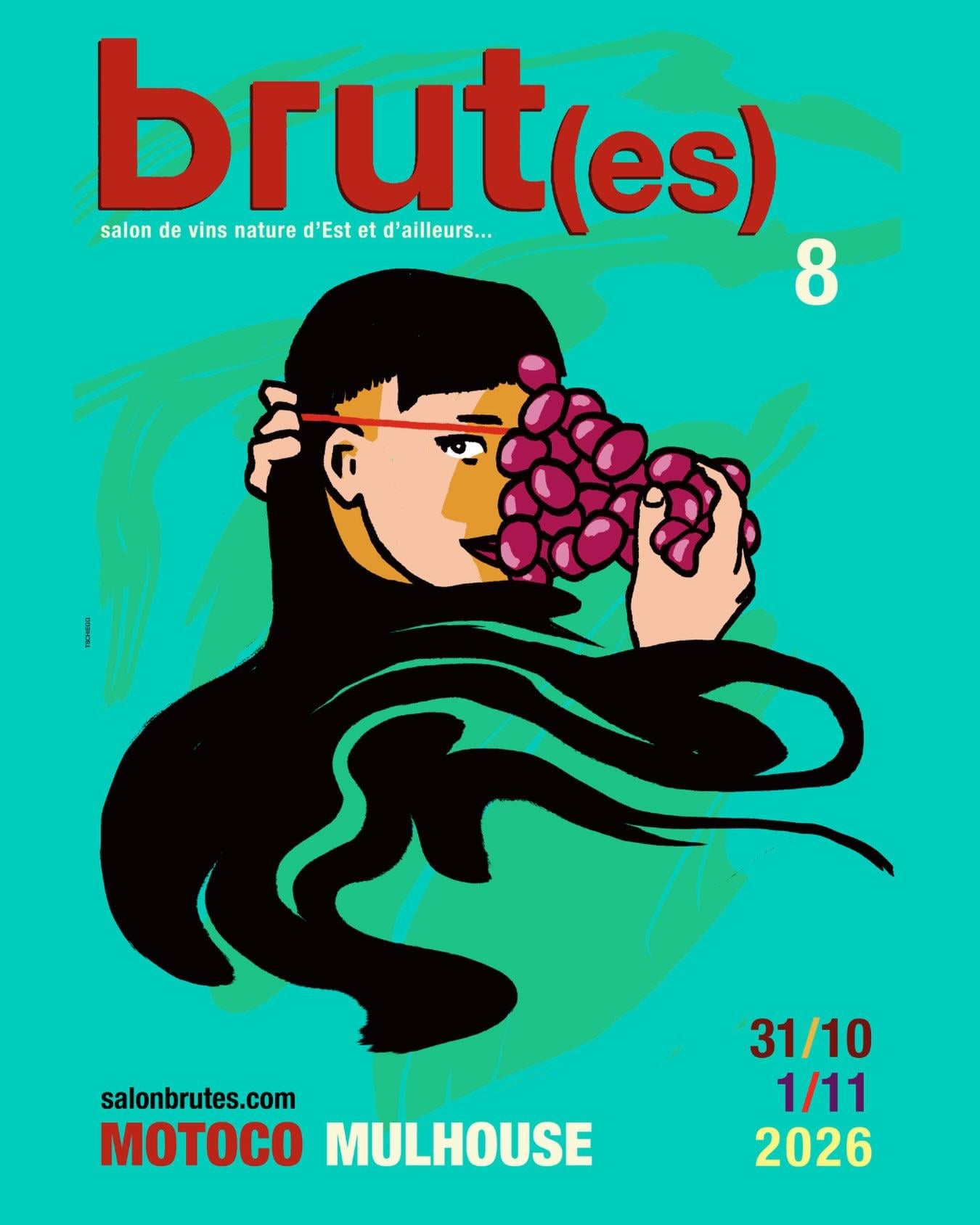
Saturday October 31 - Sunday November 01
Mulhouse
6872 KM

Sunday November 08 - Monday November 09
Turin
7047 KM
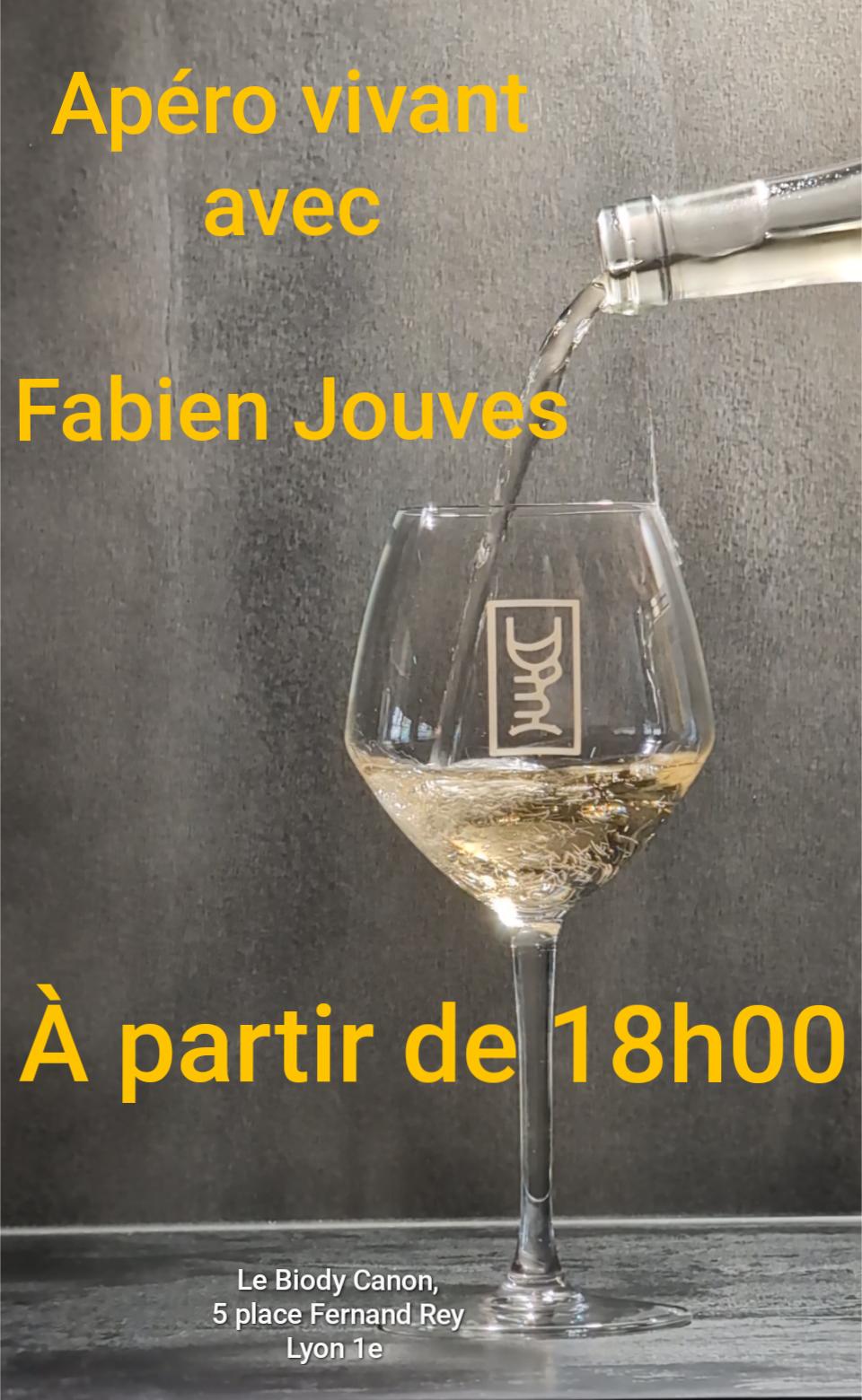
Wednesday September 23
LyonFrance
6814 KM
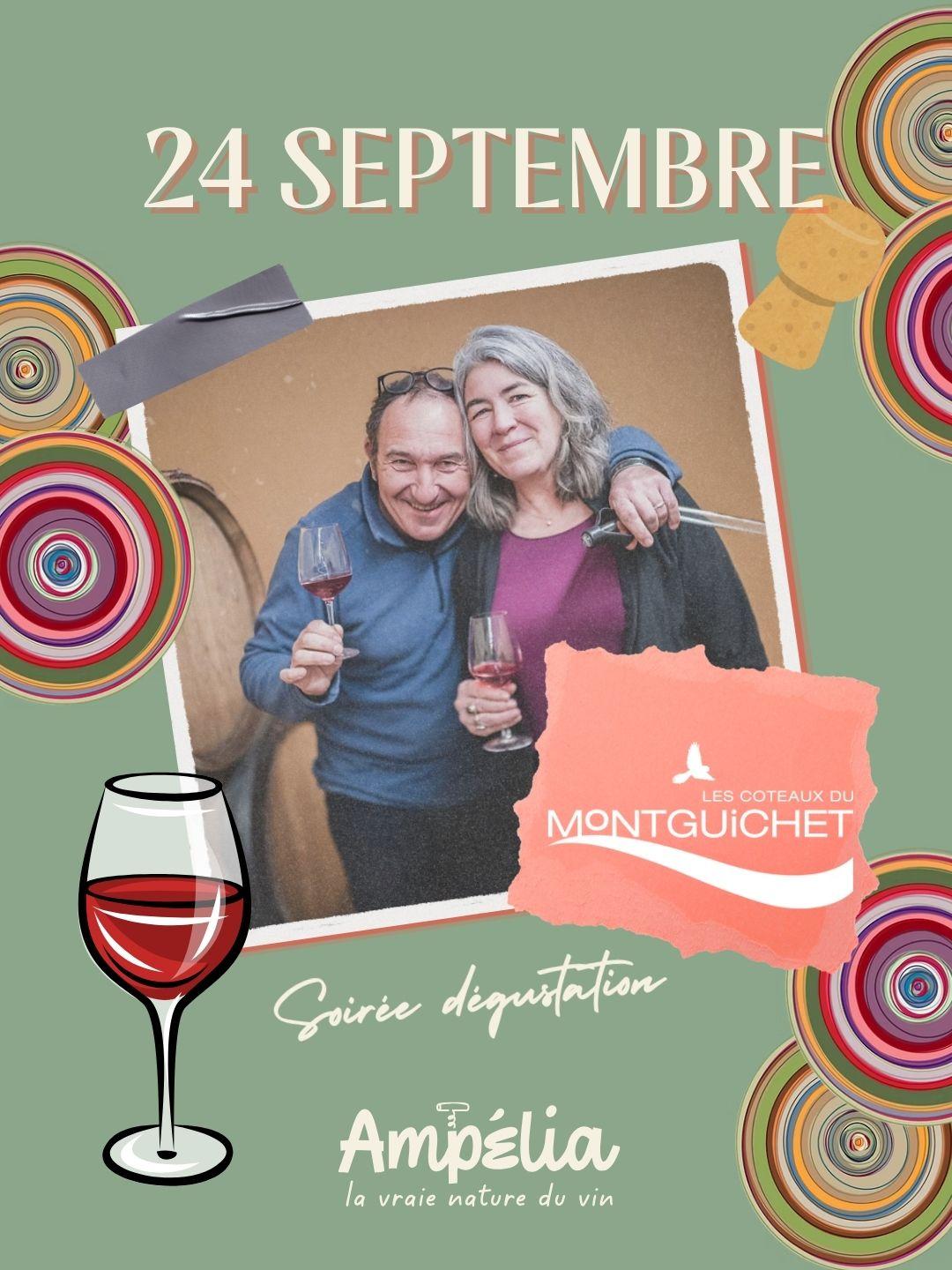
Thursday September 24
ParisFrance
6491 KM
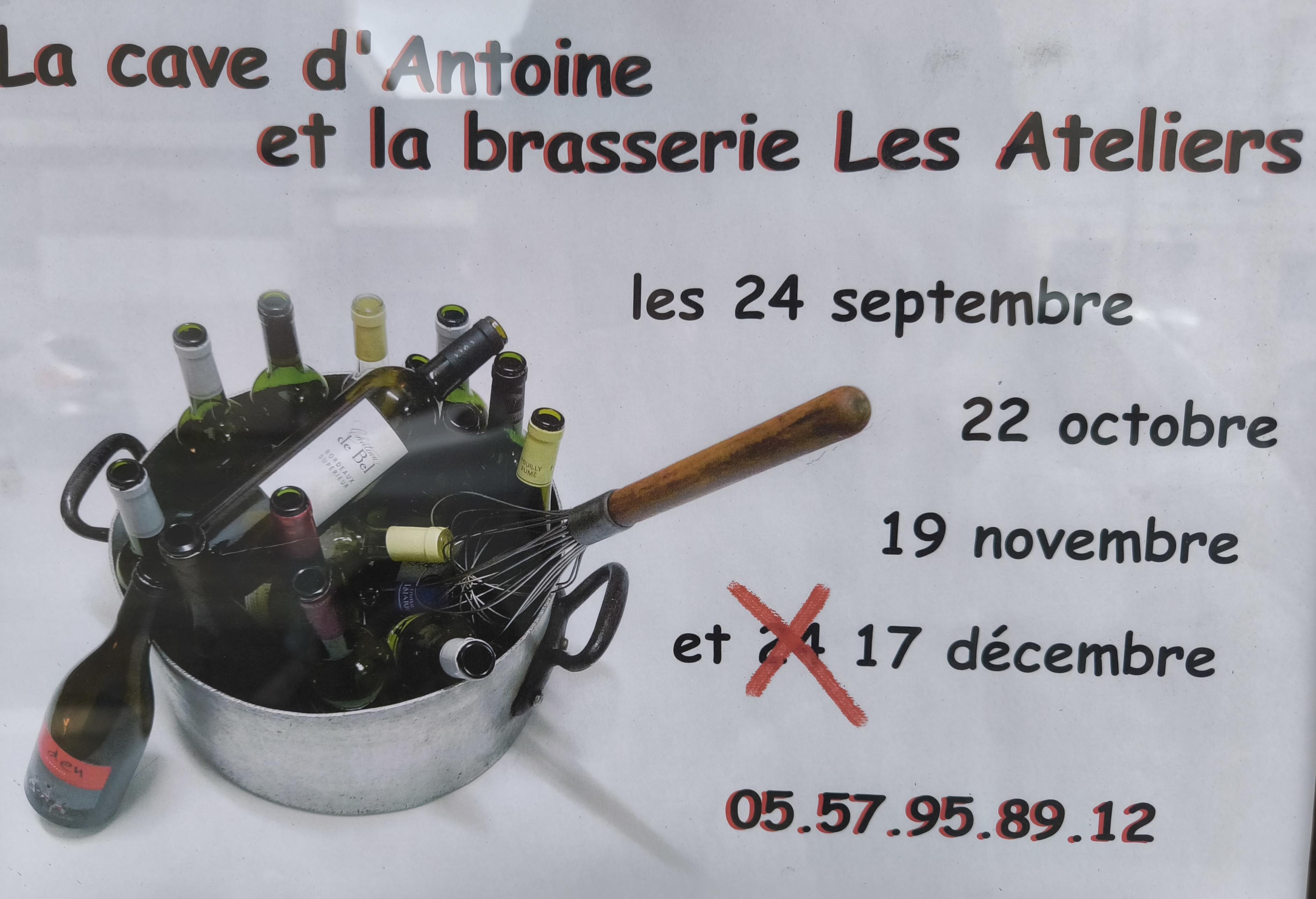
Thursday September 24
BordeauxFrance
6491 KM
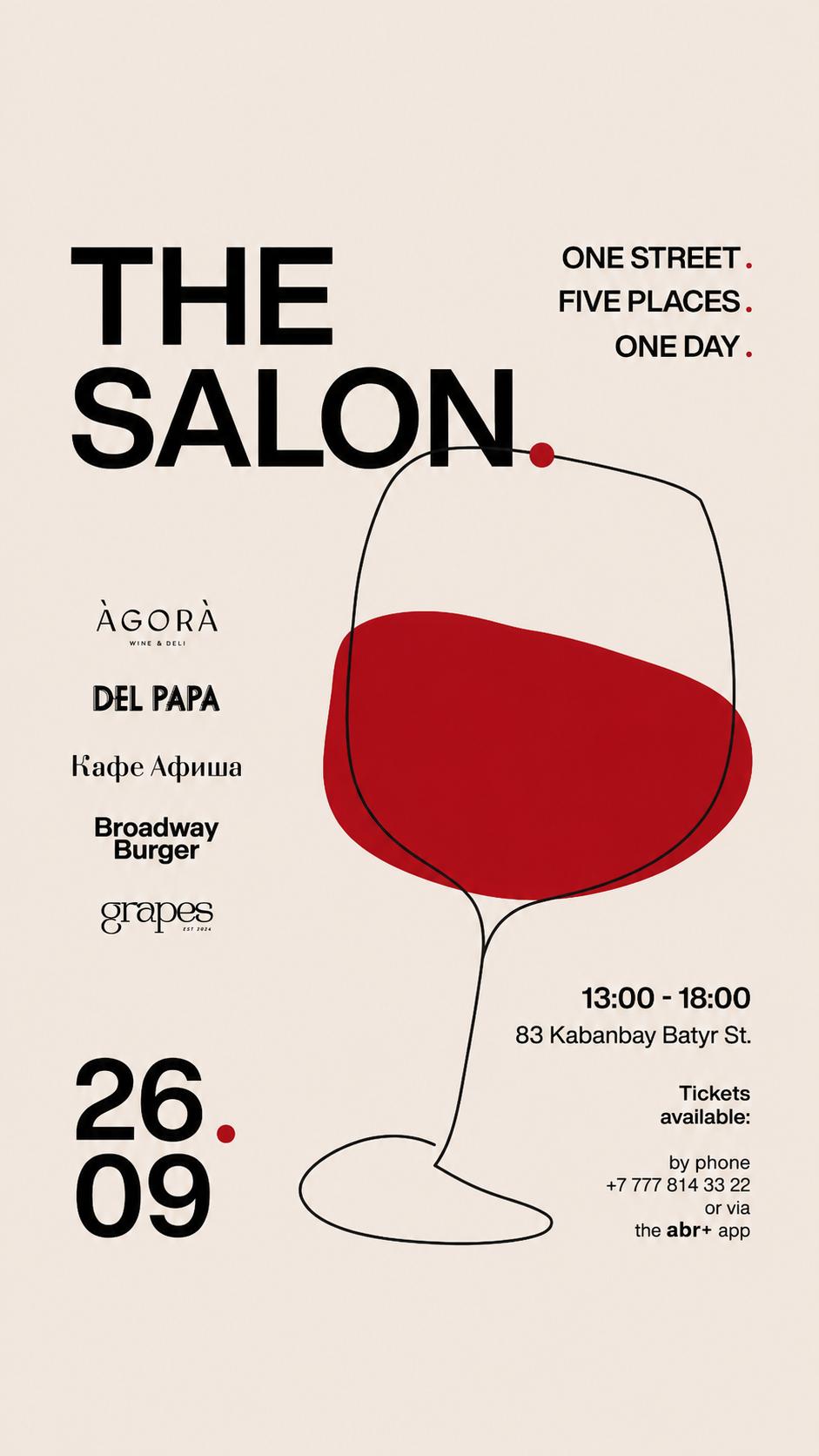
Saturday September 26
AlmatyKazakhstan
10546 KM
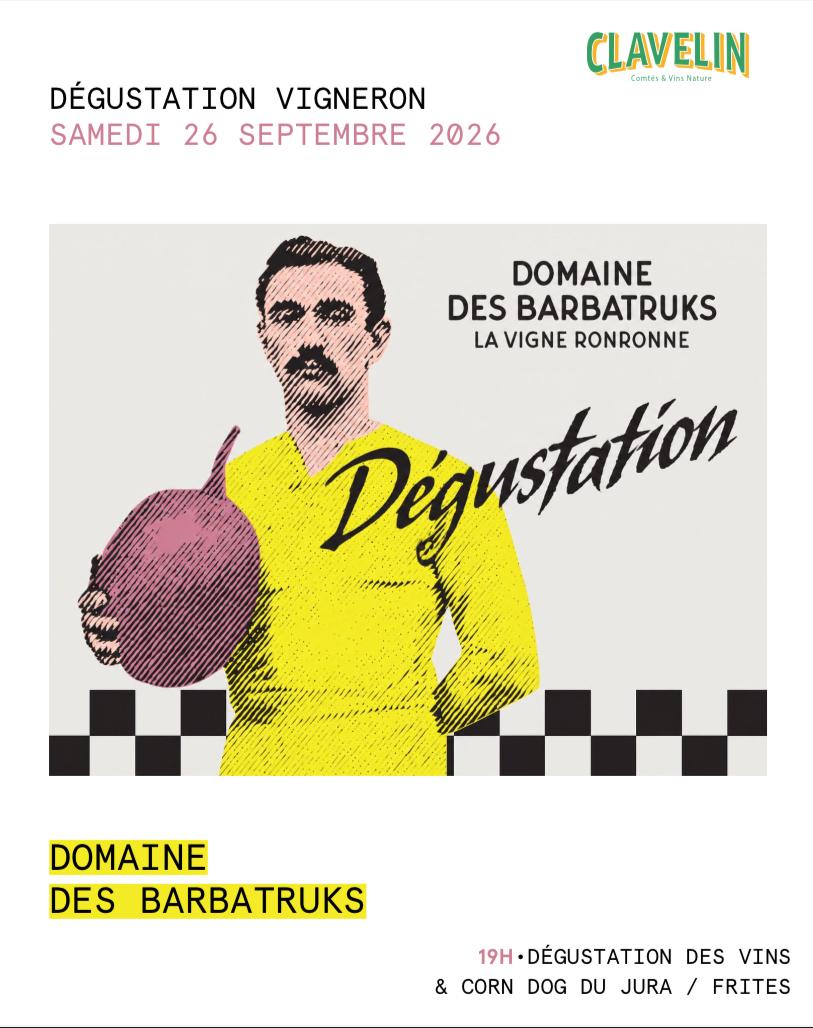
Saturday September 26
Paris
6488 KM
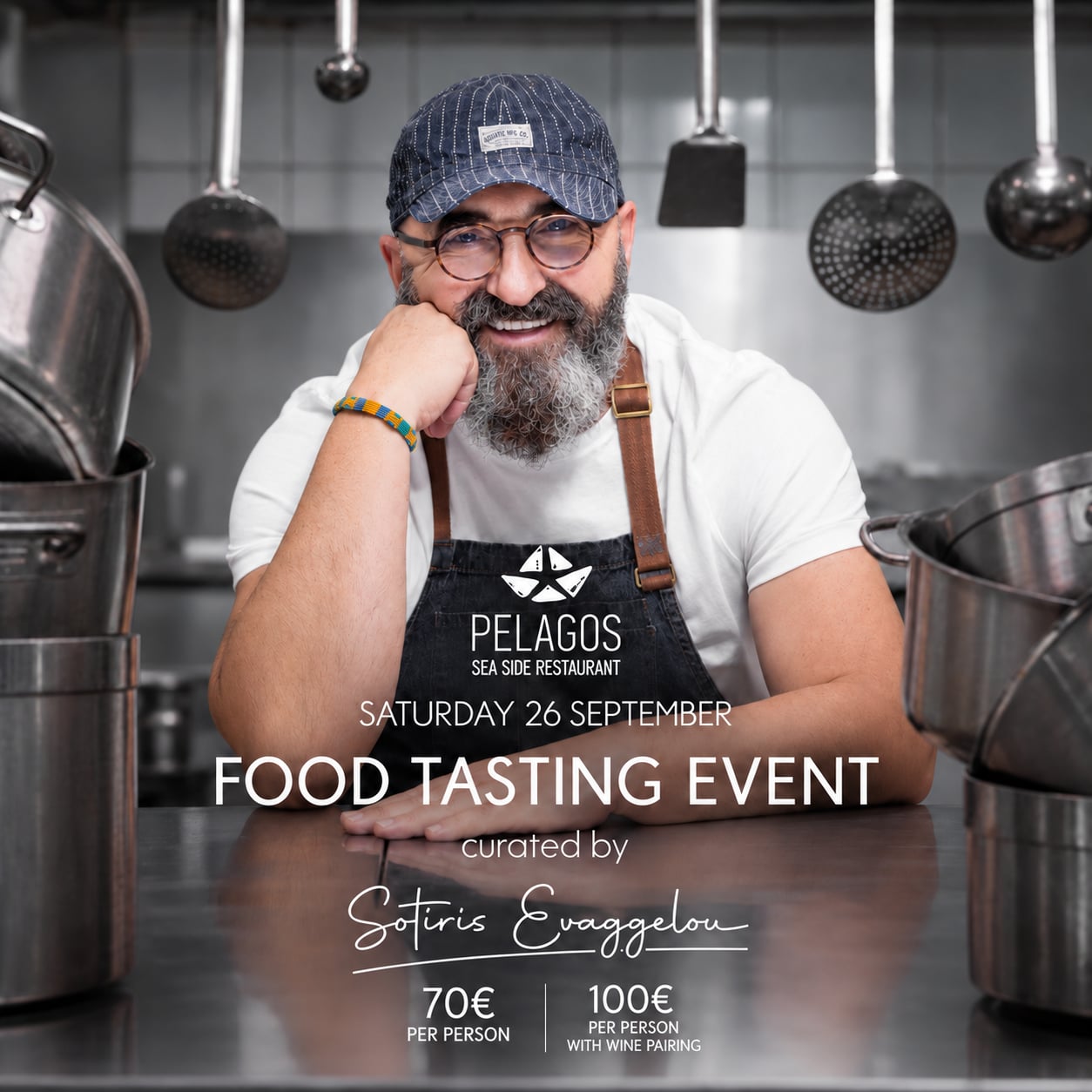
Saturday September 26
Ierapetra Municipal UnitGreece
8946 KM
1 0 6070 KM
Simply the Brest c'est un lieu de vie à part entière ou se mèlent sport et convivialité36 8 6201 KM
Illuminated Restaurant, products selected with Love, natural and Biodynamic wines, deep respect for the seasons...9 0 6209 KM
Located on the small port of Carteret, we are pleased to welcome you all year round in our Fine Grocery / Cellar. Come chat an…1 2 6215 KM
Chez Louis - Cave et épicerie fine: a Wine shop in Saint-Cast-le-Guildo with a selection of natural wines.17 0 6273 KM
Bar à vins Naturel (nature à 90%), bio/biody à 5/10%, Craft beer de Microbrasseries bretonnes aussi !3 7 6285 KM
Cave indépendante au cœur de Noirmoutier-en-l'Île, spécialisée en vins naturels, biologiques et biodynamiques. Sélection exige…115 13 6312 KM
La cave préférée de ton caviste préféré. 1001 références de vins nature, cidres, bières et spiritueux8 4 6315 KM
Sur les bords de Loire, restaurant du midi et bar le vendredi soir et le dimanche matin. cave Winemakers
 Restaurants
 Bars
Bars Wine Shops
 Accommodations
 Events