

38 172 9205 KM
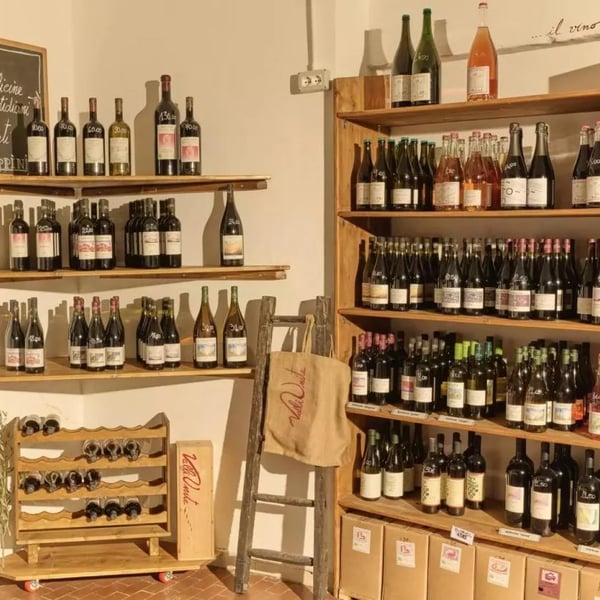
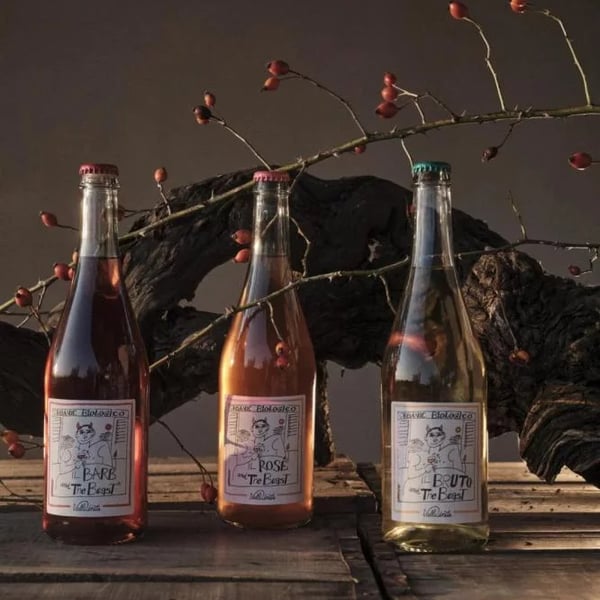
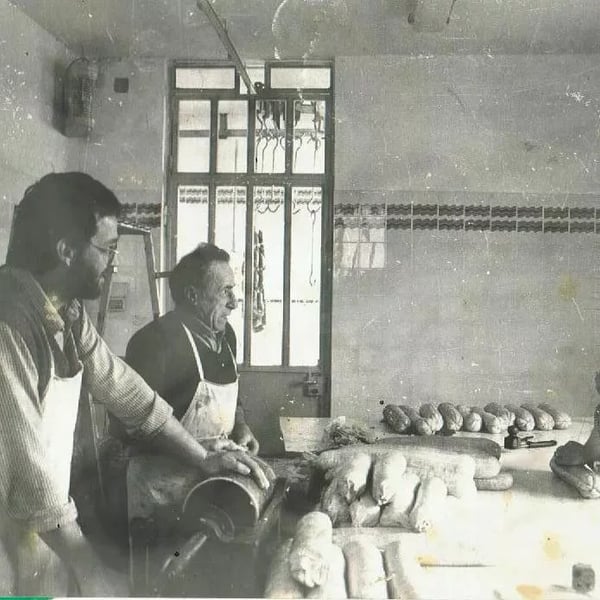
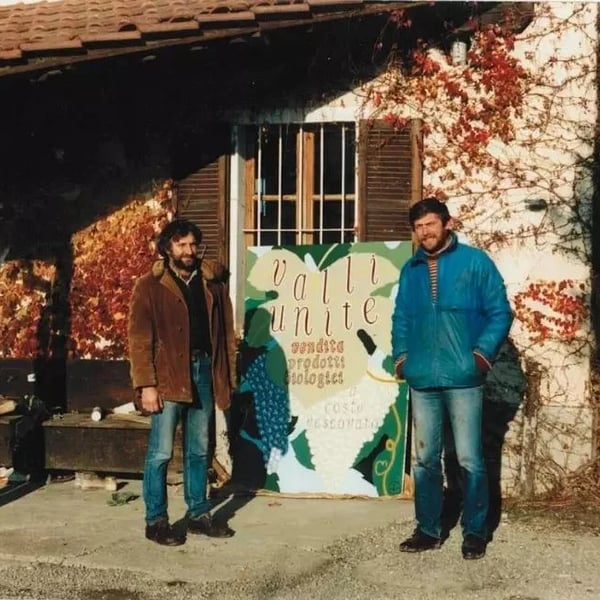
We produce wine, flour, honey, and vegetables, cultivating over 100 hectares organically ; we also process beef and pork. From the very beginning, we've considered livestock farming essential to our cooperative's efforts to create a closed-loop agro-ecological system, in line with the need to foster biodiversity and synergy between the various internal processes. You can find all our products at our on-site shop and in our restaurant , where you can also sample our wines through guided tastings that will lead you on a tour of the vineyards and cellar!
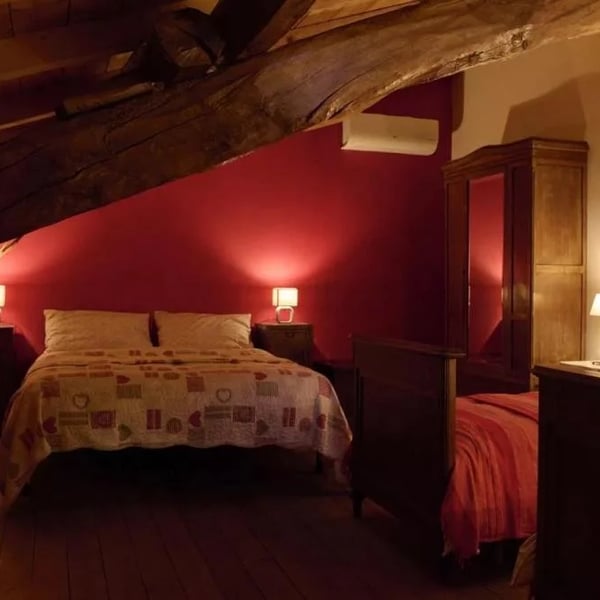
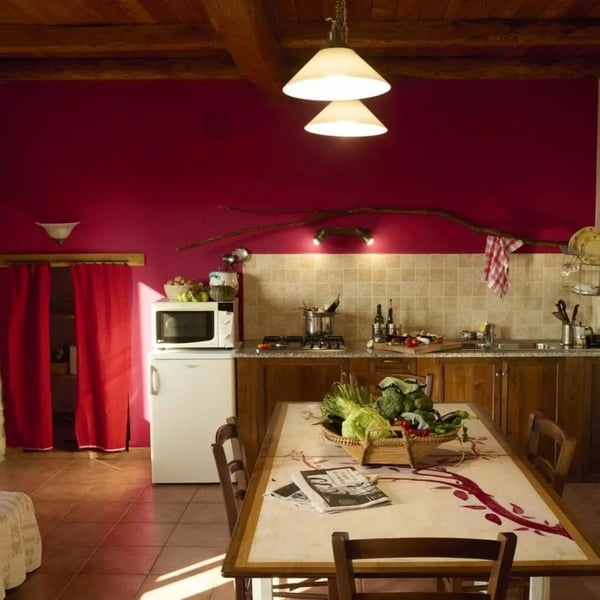
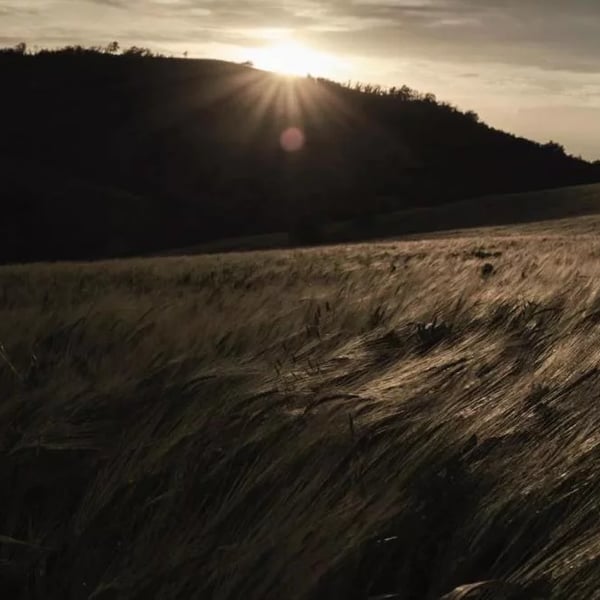
You can also stay with us, immersed in the nature of the Tortona Hills, sleeping in a farm campsite or in one of our eco-sustainable apartments converted from an old Piedmontese farmhouse.
Even the youngest visitors have the opportunity to experience the rural world thanks to a dedicated outdoor area, nature walks, and educational workshops. Valli Unite is a free space, open to anyone who wants to learn about the various agricultural, livestock, and processing activities, or even just participate in our most anticipated events : Liberation Day and the Harvest Festival!
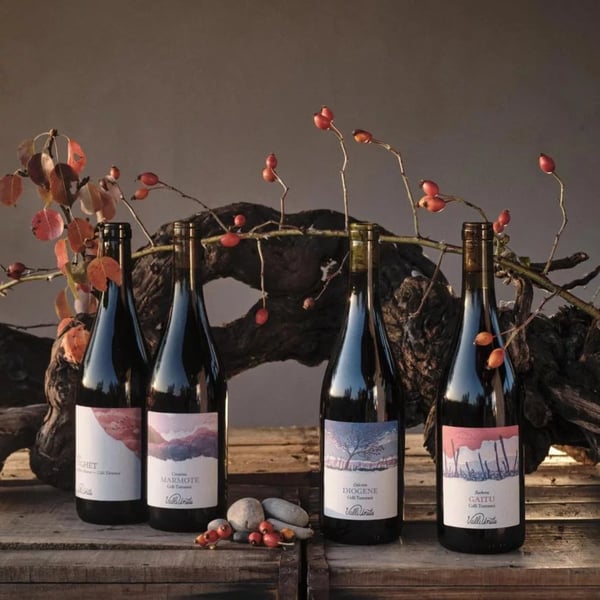
For us, wine is a means of reaching people's homes, tables, and hearts, a way to convey our philosophy. For this reason, in 2009, we stopped adding unnecessary substances, even when permitted by organic certification, and we do not use invasive techniques such as sterile filtration, fining, or selected yeasts.
We are committed to avoiding energy waste by using natural sources such as photovoltaic panels to power the winery machinery, and the water used for washing is reused, after settling in tanks, to irrigate the vegetable garden and treat the vineyard. Furthermore, our warehouse is built using green building techniques , using raw earth from excavations and straw from our fields: the natural insulation provided by these materials allows us to maintain optimal temperatures for storing our wines without resorting to energy-intensive air conditioning.
Vineyard treatments are natural and limited to the use of copper, sulfur, orange extracts, and propolis from our bees to treat wounds caused by hail. To minimize the main vine diseases, we are committed to using only physical techniques, such as removing infected areas. We have five meteorological stations provided by the municipality for constant monitoring of the vineyards. This allows us to measure humidity and temperature and determine the presence of fungi and insects. This allows us to know the exact time to intervene, avoiding waste and unnecessary treatments.
All our processes are natural and respect the rhythms of the lunar calendar and the life cycle of the plant, ensuring the care of the soil, respect for the local biodiversity, and the production of a more authentic wine. Manual, non-mechanized work allows us to preserve the quality of the raw materials and stay in touch with nature.
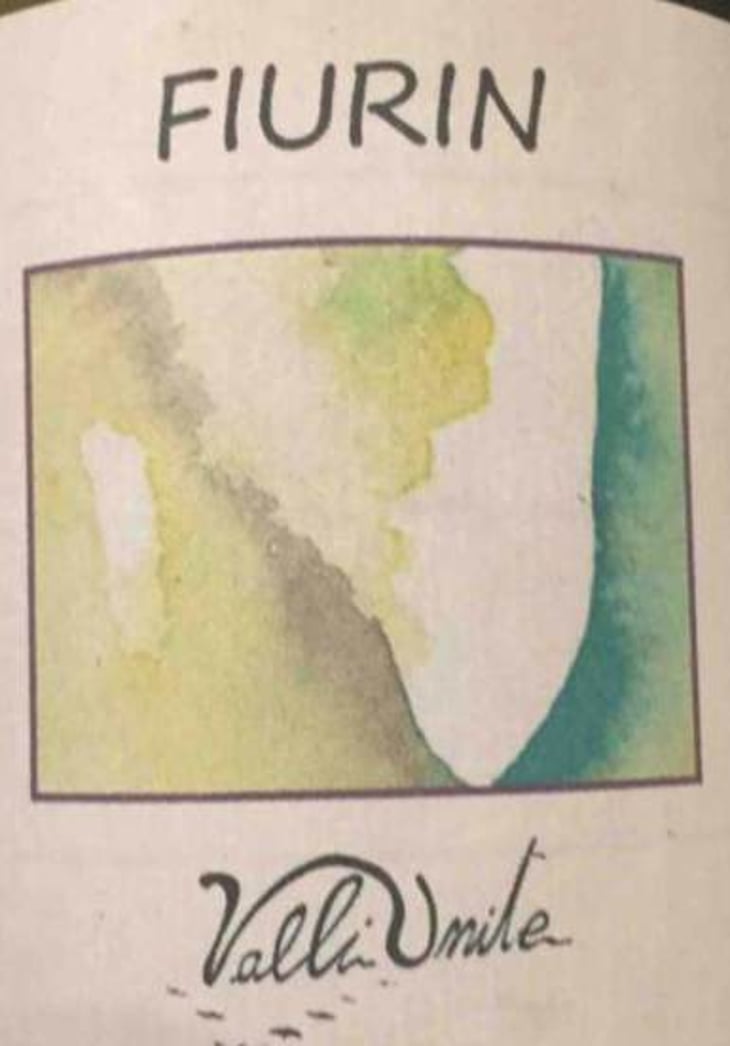
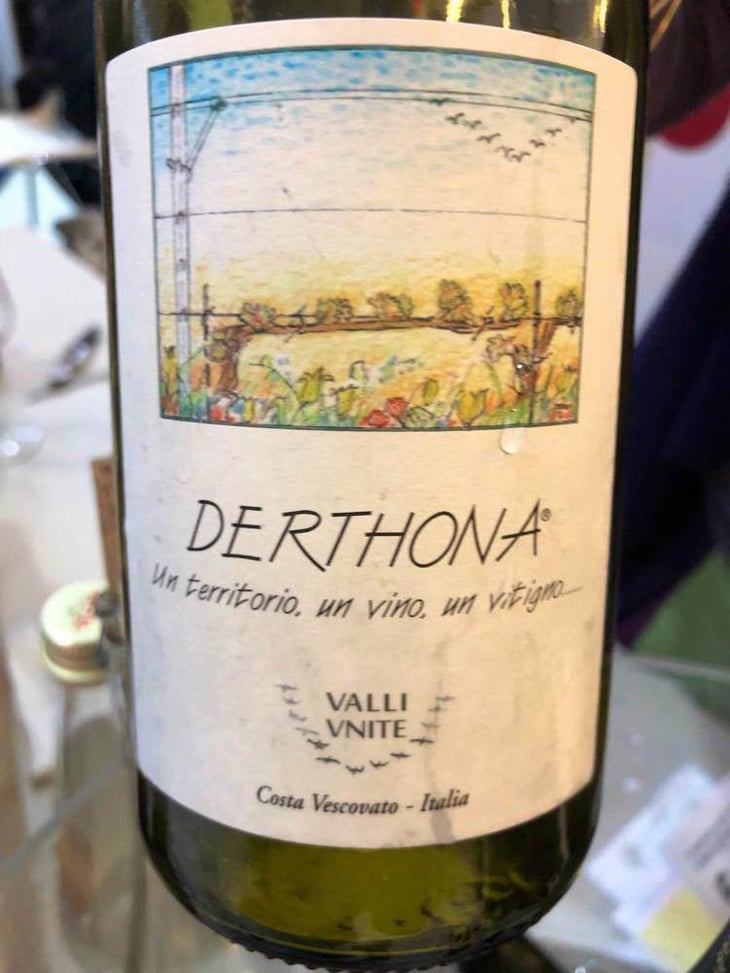
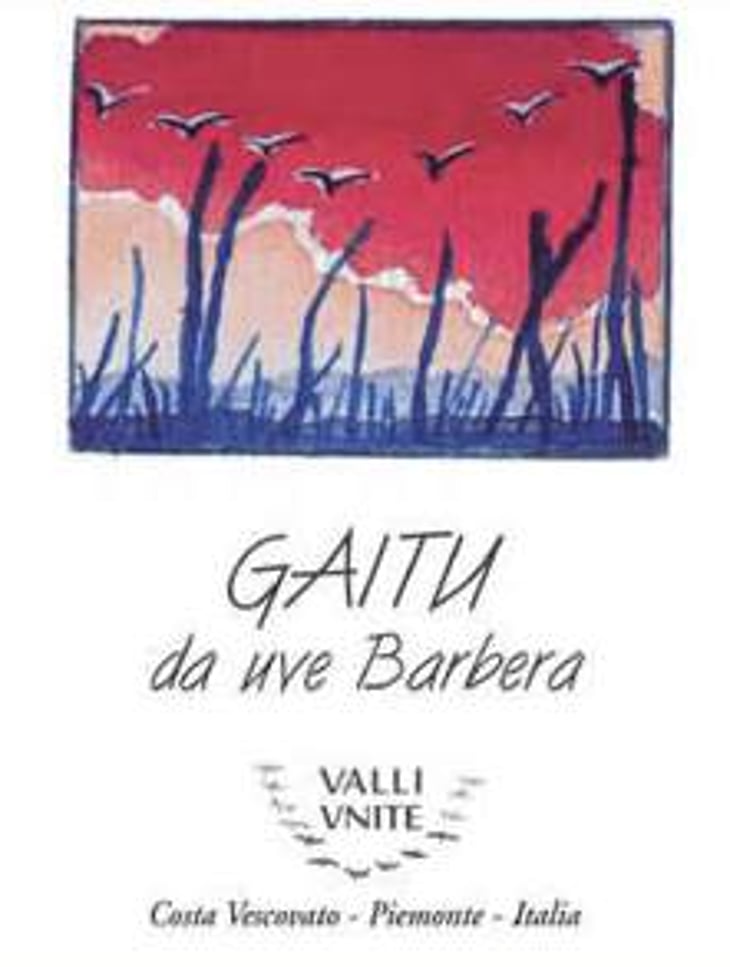
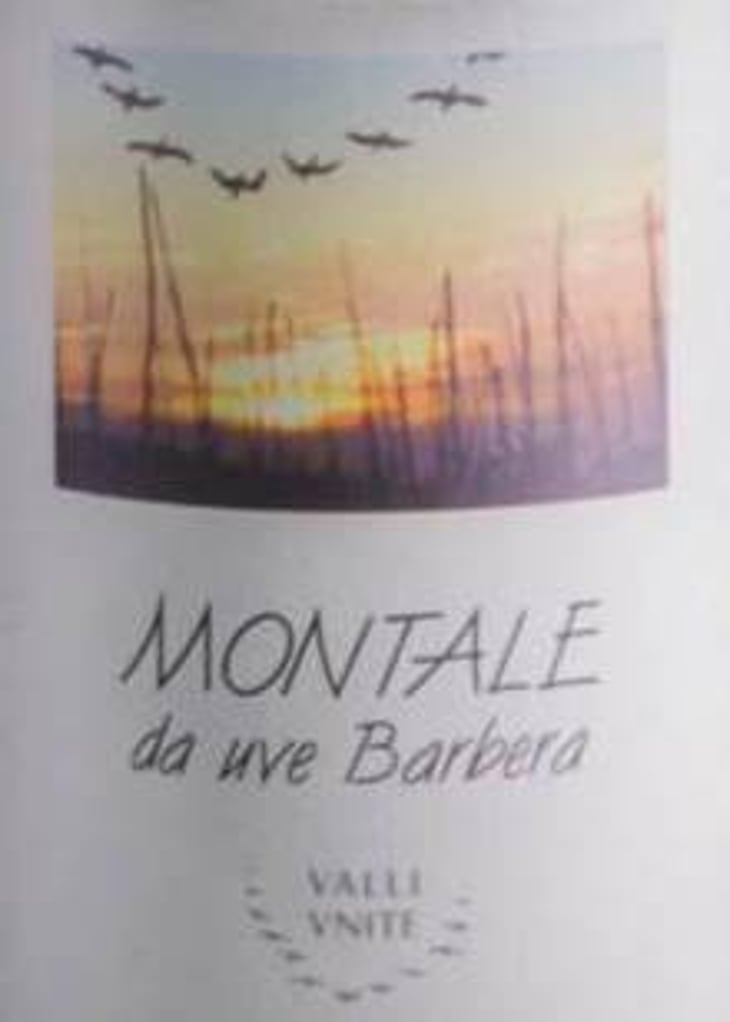
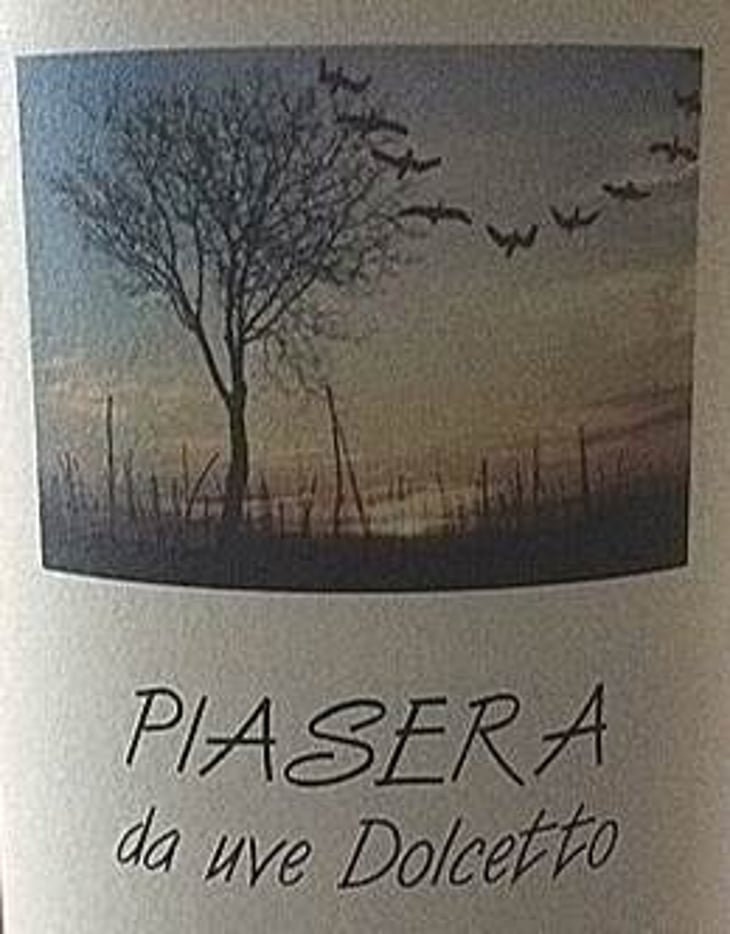
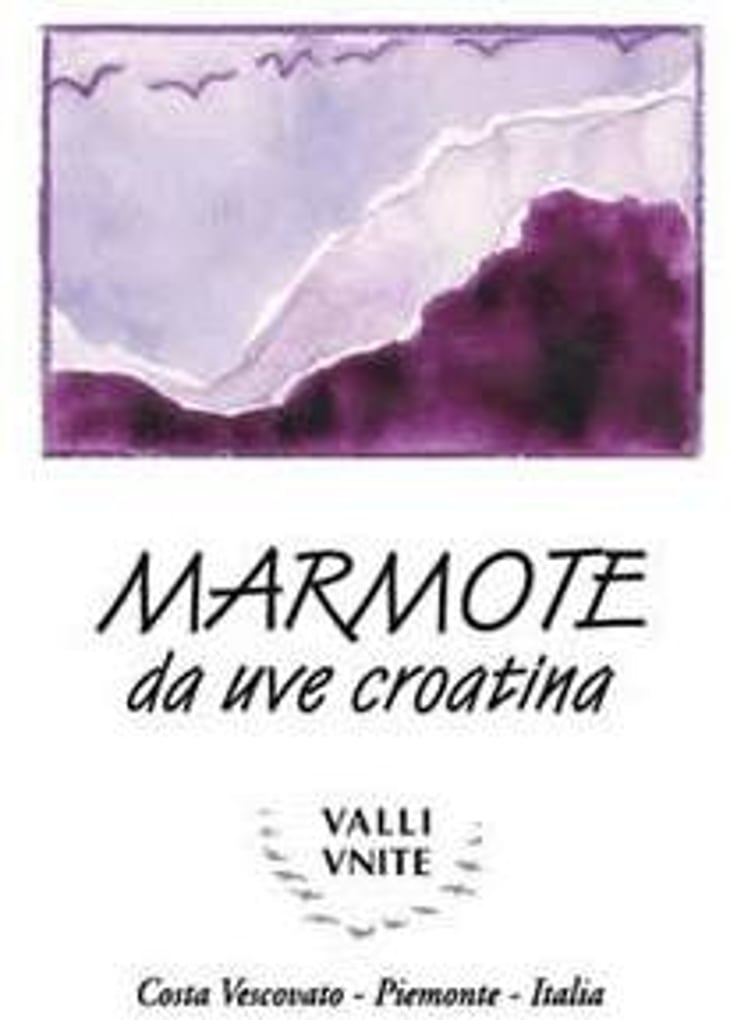
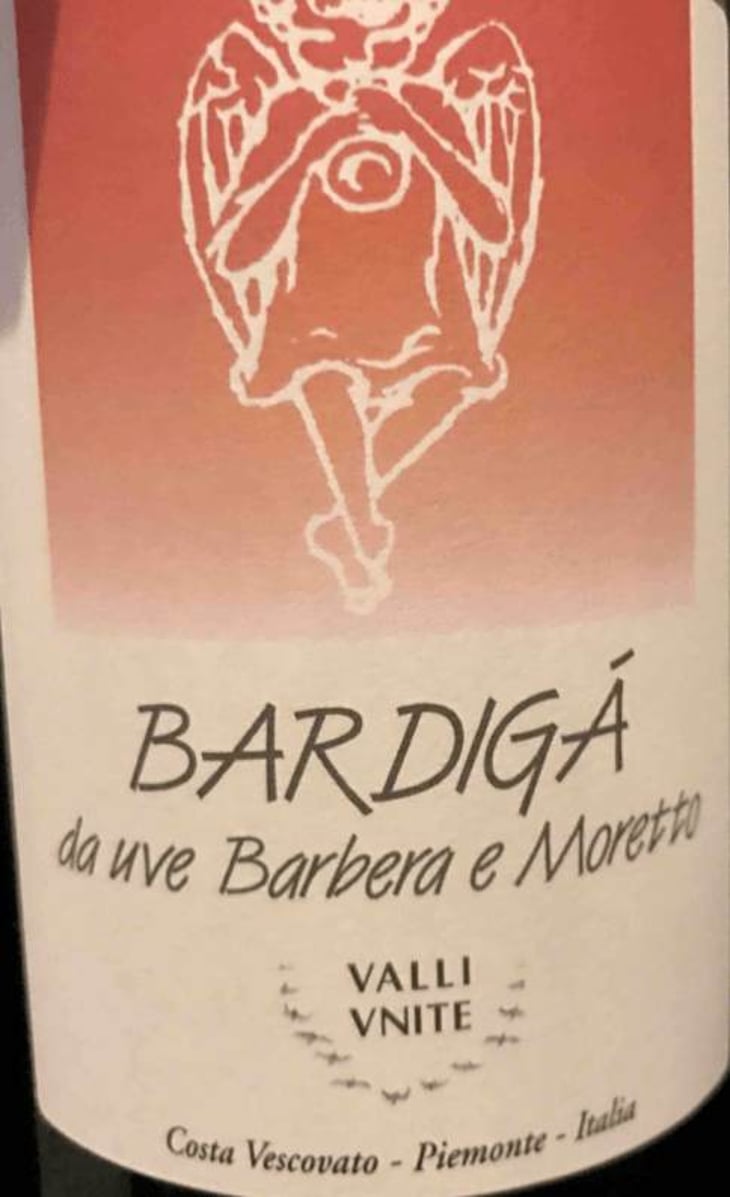
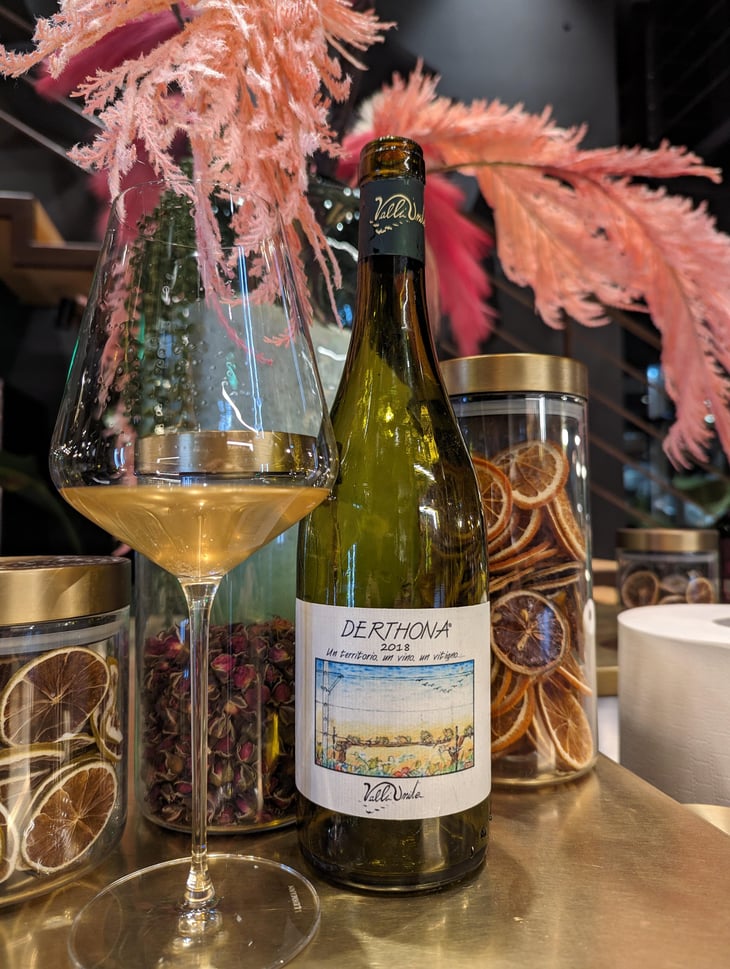
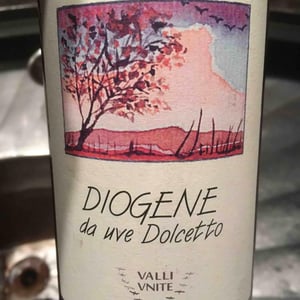
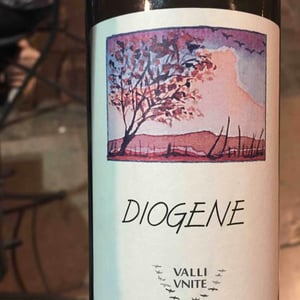
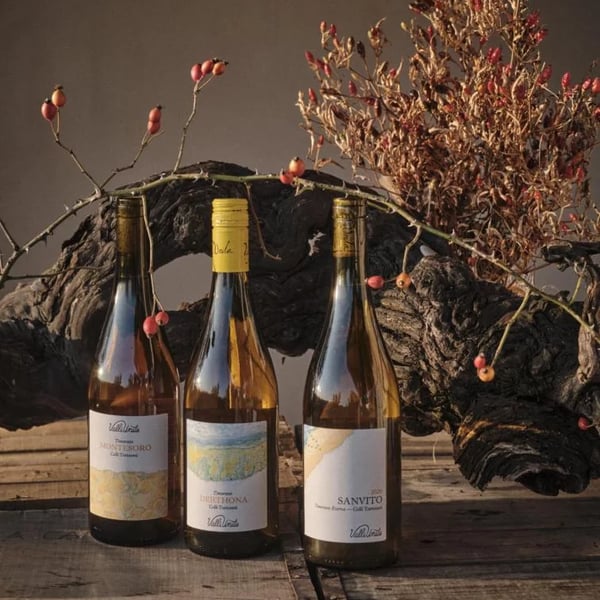
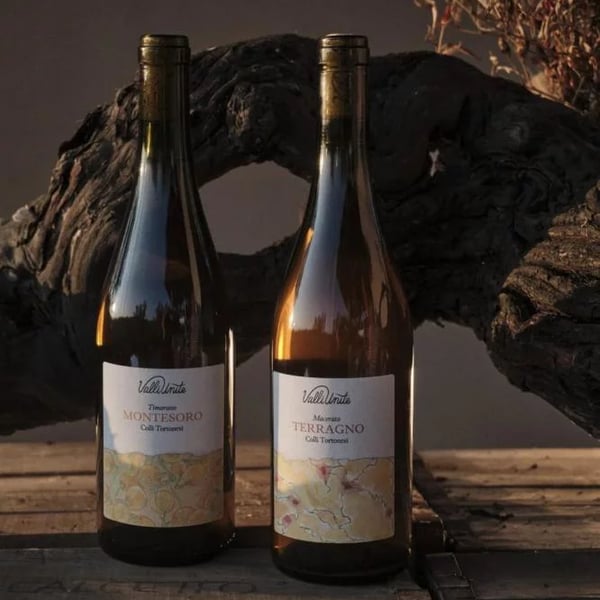
The varietals we use are all native and deeply rooted in local tradition, such as Timorasso, Dolcetto, Barbera, Croatina, Cortese, and Favorita . Unique and characteristic of our region is Timorasso, a grape variety cultivated since the Middle Ages but abandoned after the Second World War due to its low resistance to adversity. Its rediscovery occurred around the 2000s thanks to the insight of some local producers who decided to replant this ancient variety. The result is a versatile, structured wine, unique in its ability to age both in the bottle and in the cellar, like a red wine. We produce four styles: Derthona base, Derthona macerated, Derthona riserva, and Derthona spumante di montagna.
FIND THE EVENT YOU ATTEND
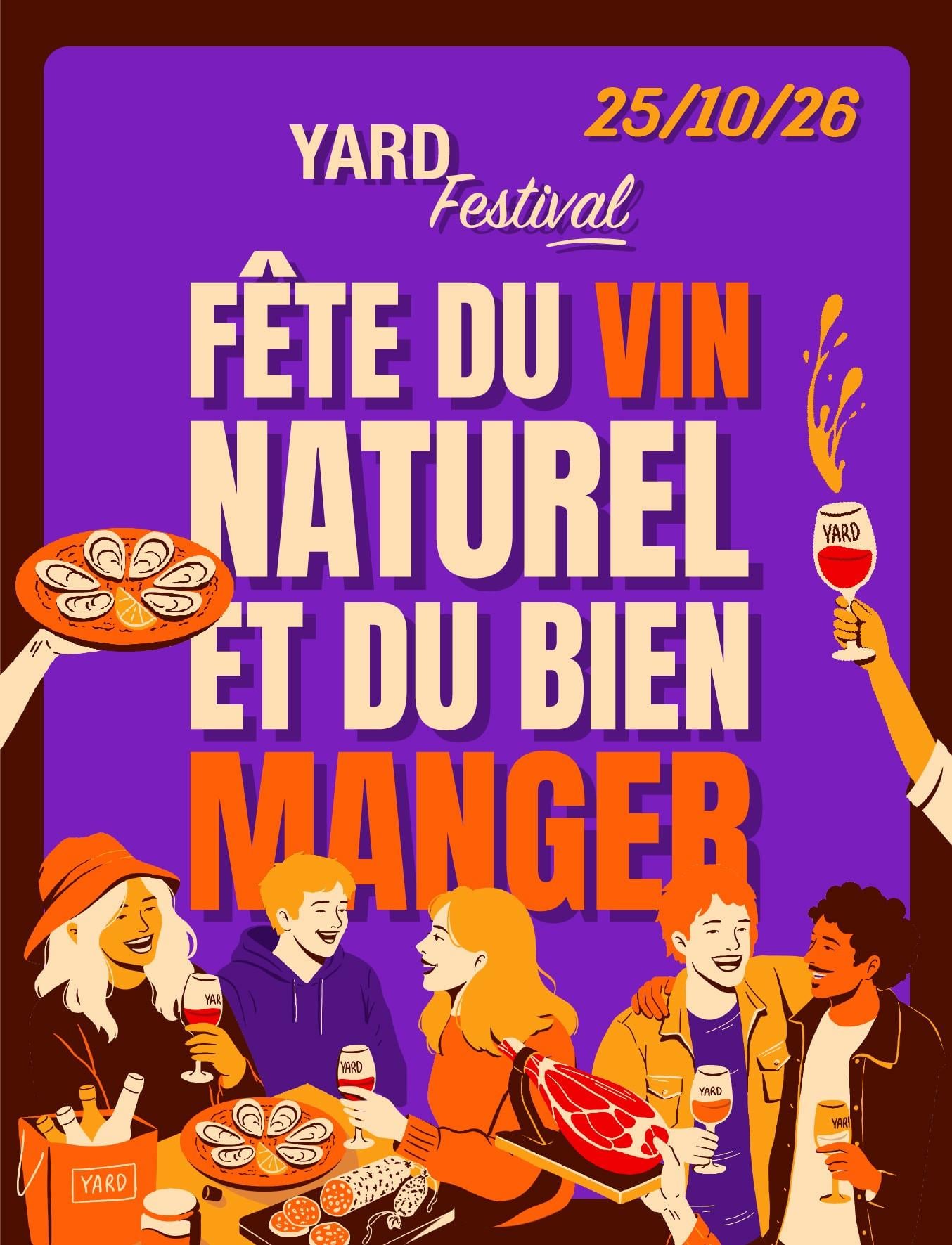
Sunday October 25
Paris
6492 KM
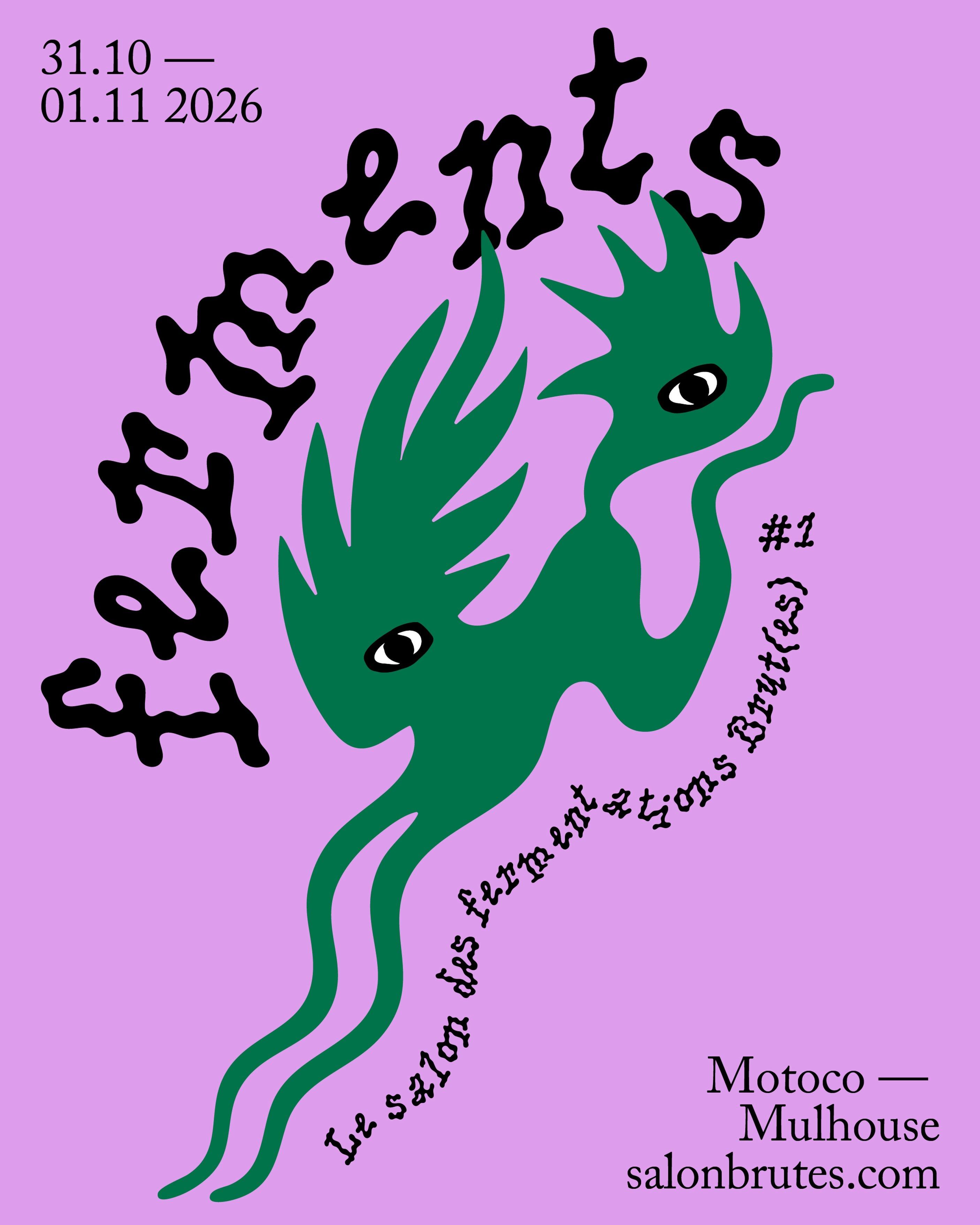
Saturday October 31 - Sunday November 01
Mulhouse
6872 KM
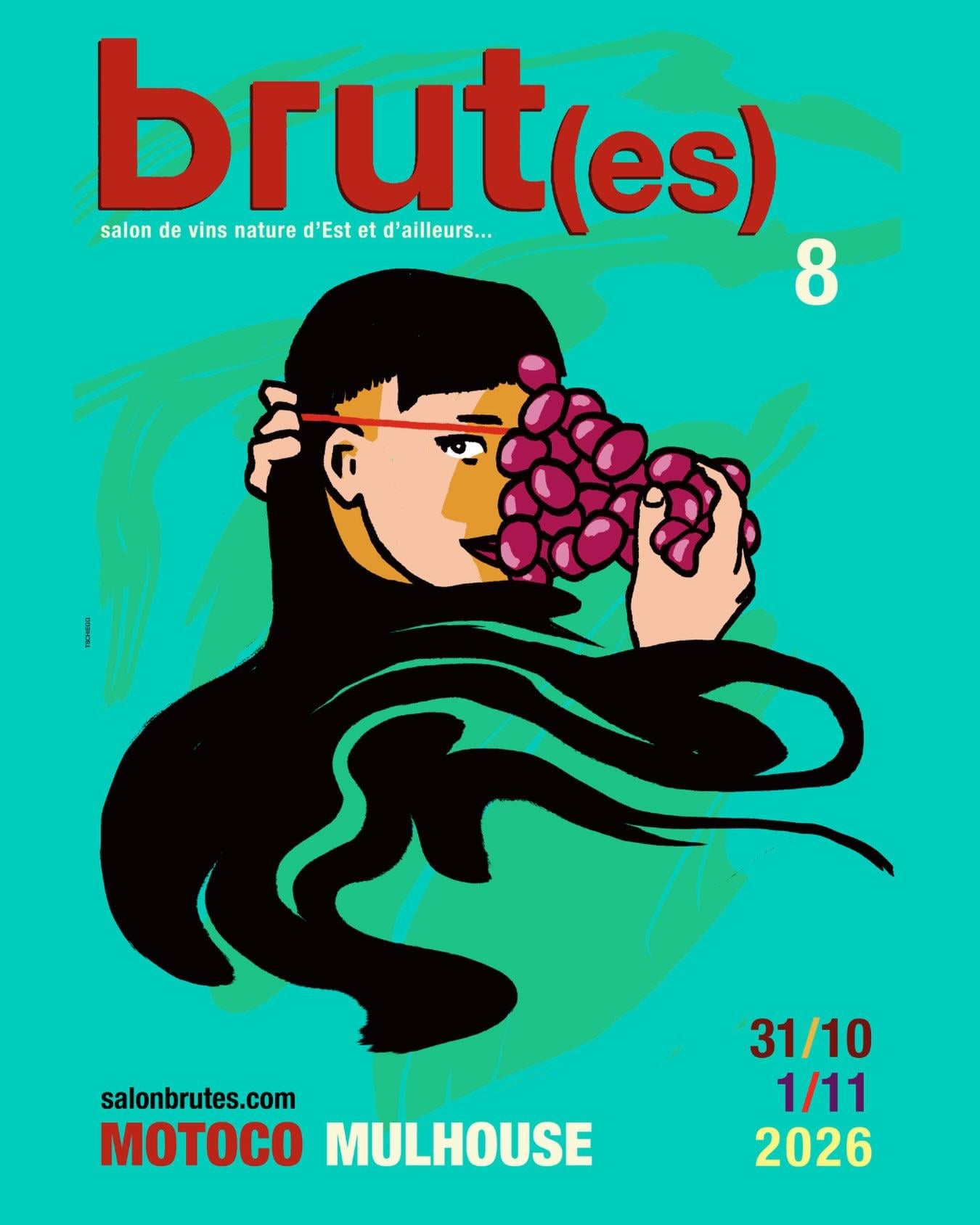
Saturday October 31 - Sunday November 01
Mulhouse
6872 KM

Sunday November 08 - Monday November 09
Turin
7047 KM
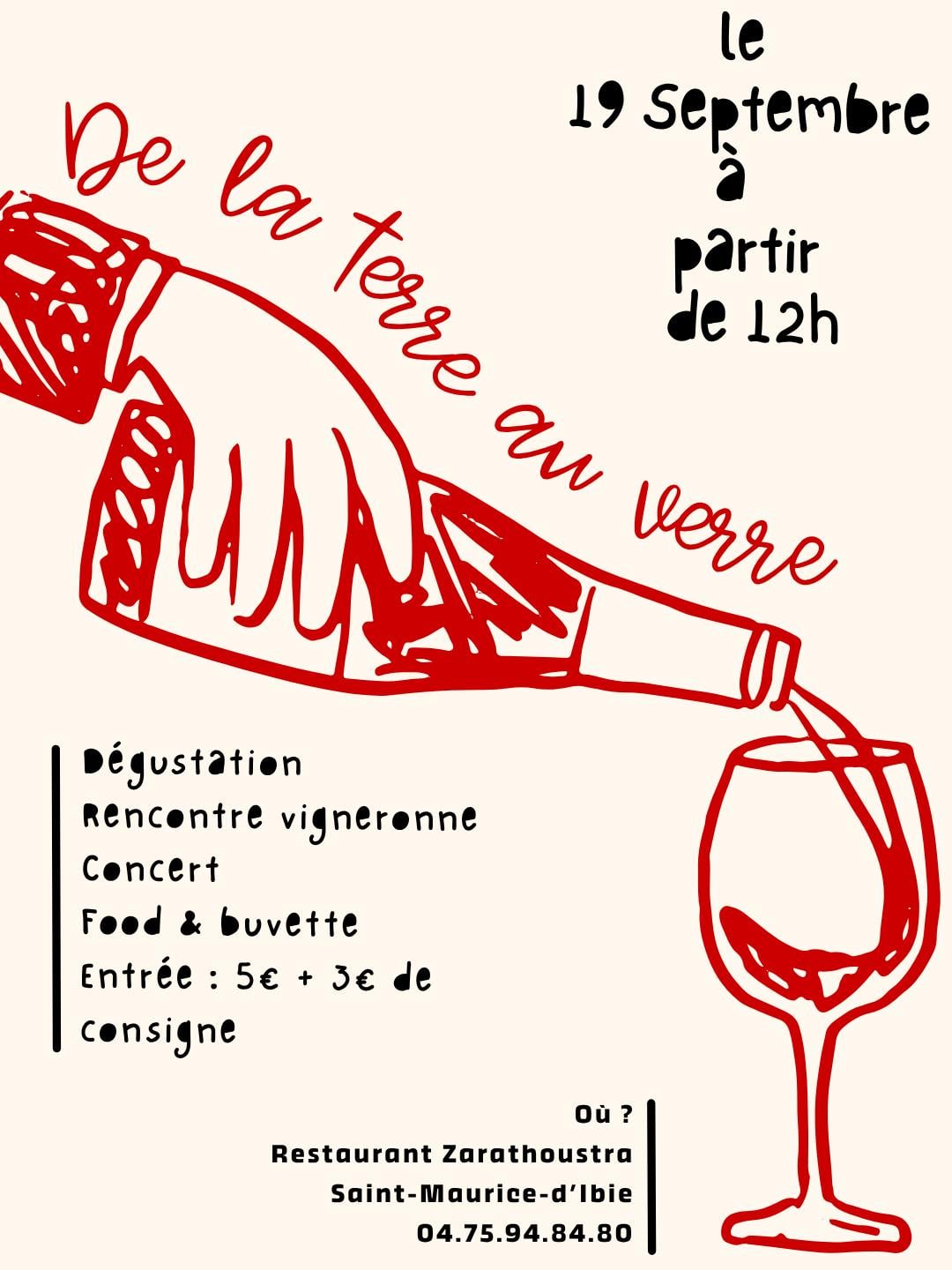
Saturday September 19
Saint-Maurice-d'IbieFrance
6860 KM
Saturday September 19
Amsterdam
6478 KM
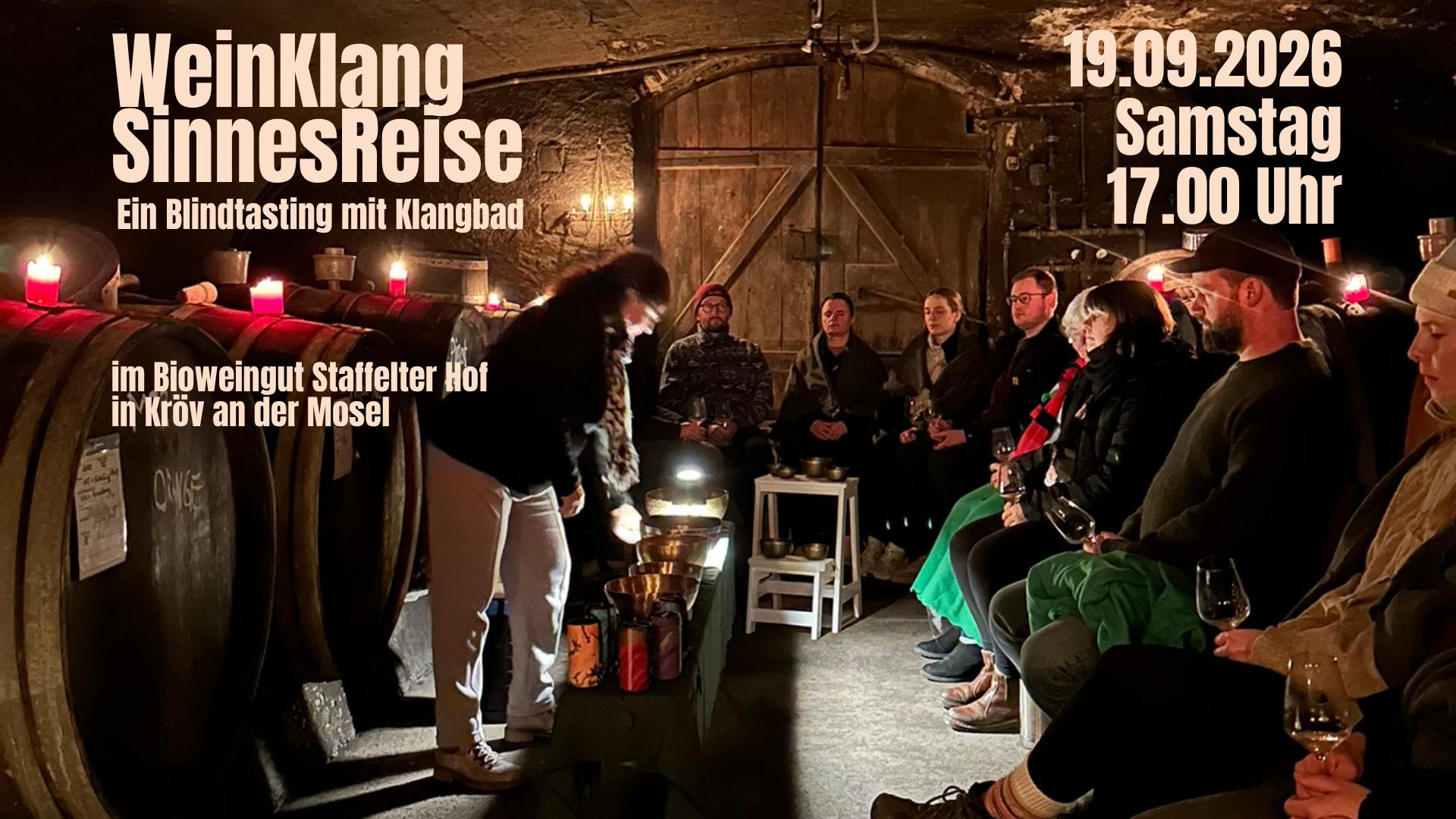
Saturday September 19
KrövGermany
6737 KM
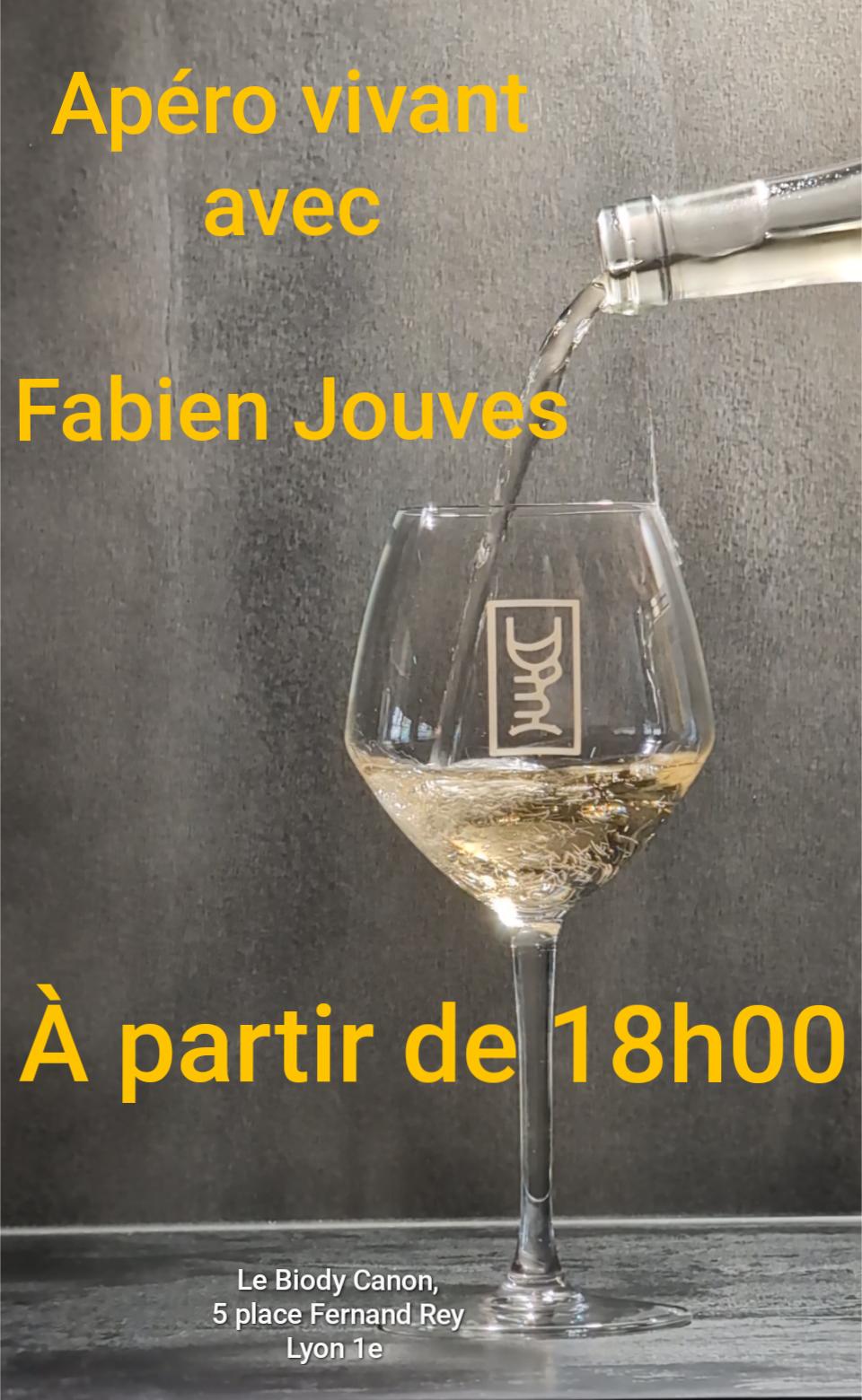
Wednesday September 23
LyonFrance
6814 KM
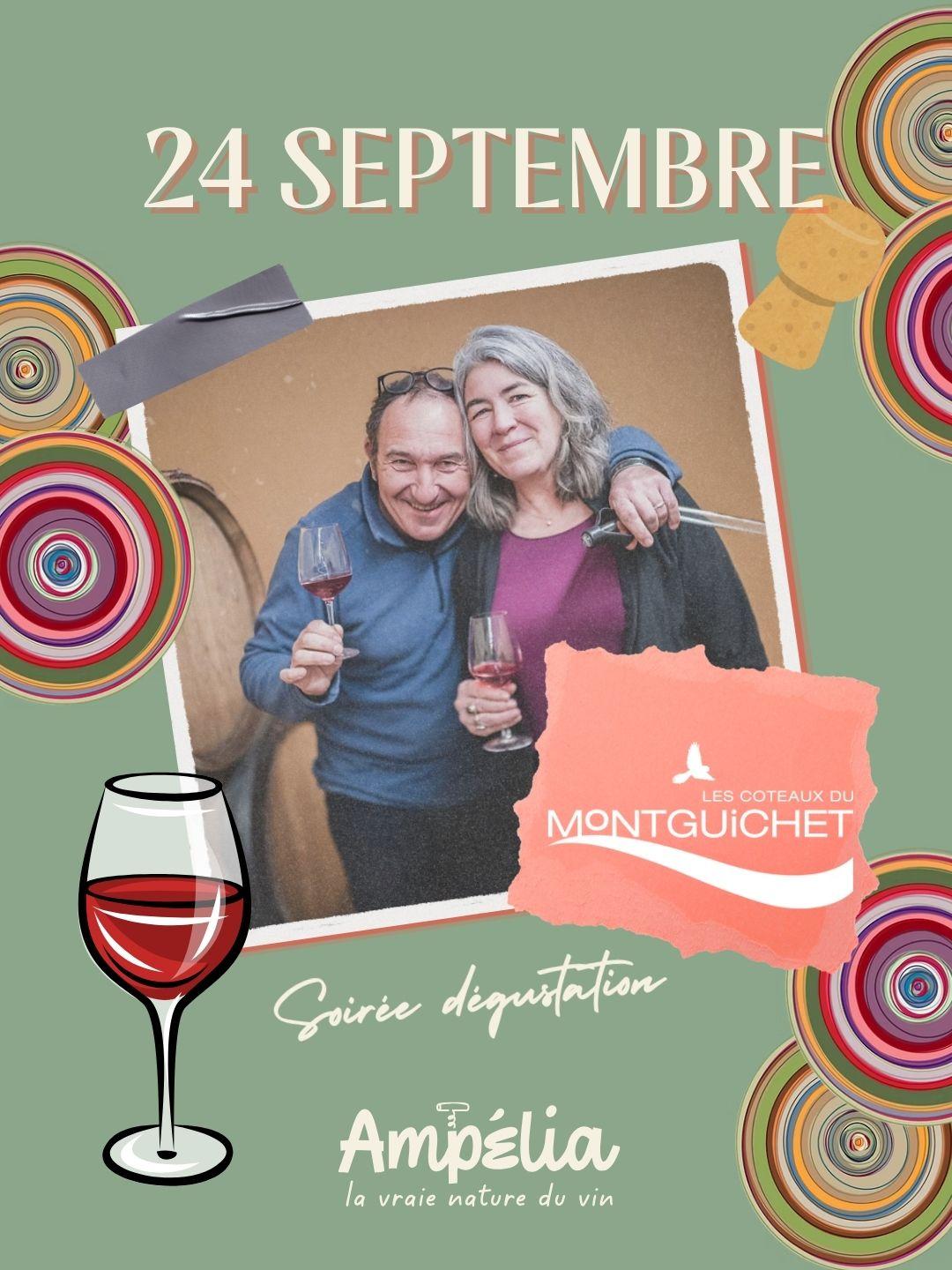
Thursday September 24
ParisFrance
6491 KM
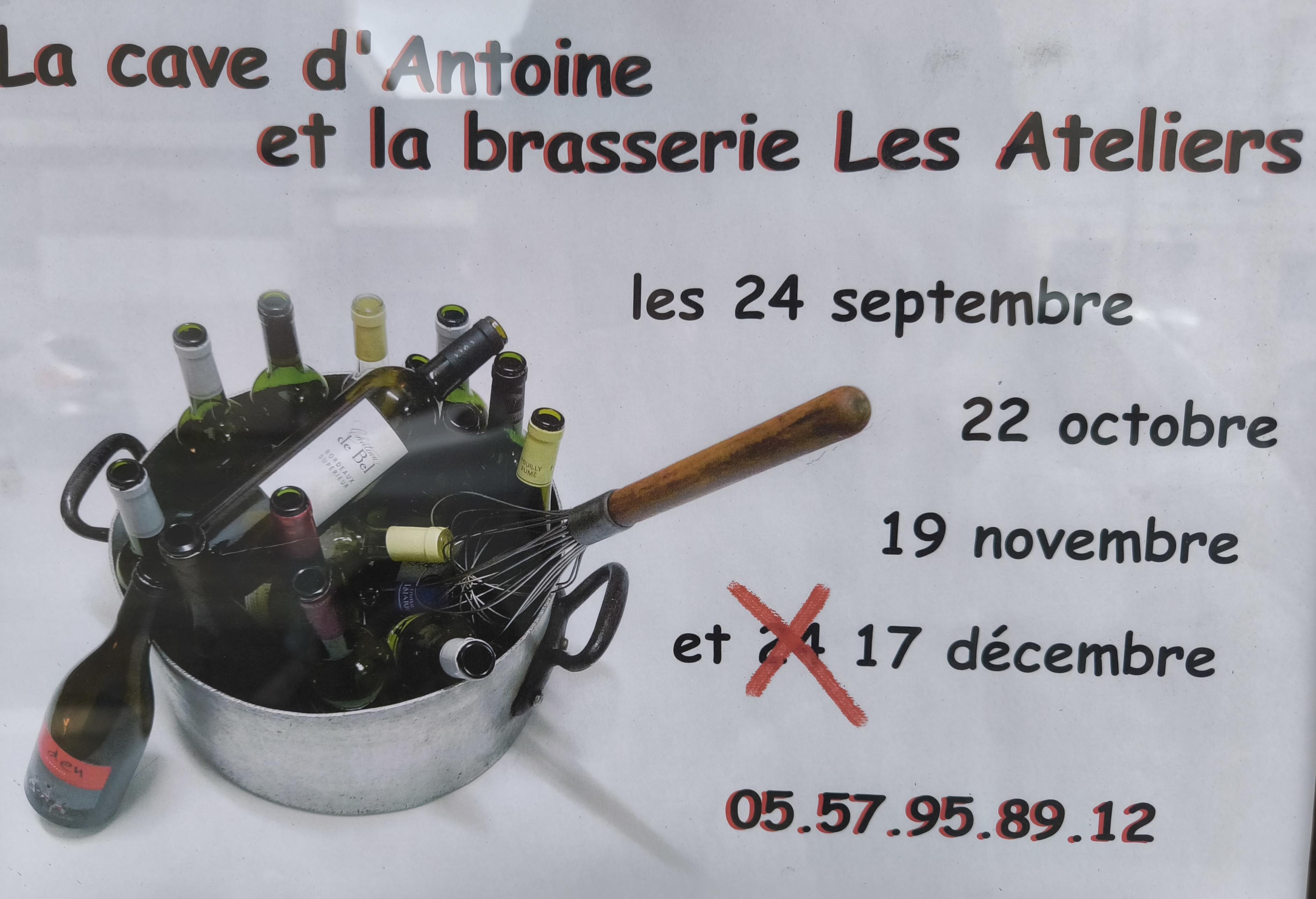
Thursday September 24
BordeauxFrance
6491 KM








11 5 5584 KM
🙋🏻 Local Wine Bar with strong focus on ORGANIC, BIODYNAMIC and NATURAL wines. Low intervention in the cellar with max respect …32 4 5668 KM
A natural wine bar and wine shop in the heart of Cork City, serving simple small plates and a wide selection of wines by the g…4 0 5927 KM
Craft beer shop with a great selection natural wines117 10 6174 KM
We believe in promoting natural, biodynamic and organic wines, made with respect for the environment. We love every wine we pu…47 2 6475 KM
Spanish orientated restaurant. We enjoy to serve our guest in a tapas style to have the best experience of our food and wines.…90 6 6495 KM
A women-led partnership championing inclusive, authentic, and sustainable values. Our diverse natural wine selection hails fro…8 1 6498 KM
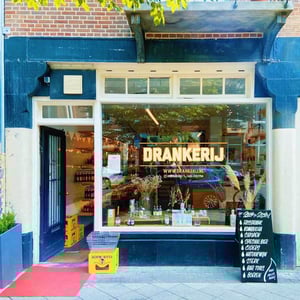
Drankerij - de Pijp: a Wine shop in Amsterdam with a selection of natural wines.10 0 6500 KM
The “Drankerij” is not-your-avergage liquor store. Next to carrying a cool selection of natural wine & ciders, we also have cr… Winemakers
 Restaurants
 Bars
Bars Wine Shops
 Accommodations
 Events