4 6 9285 KM
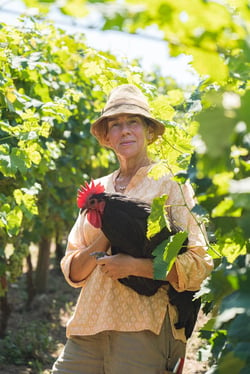
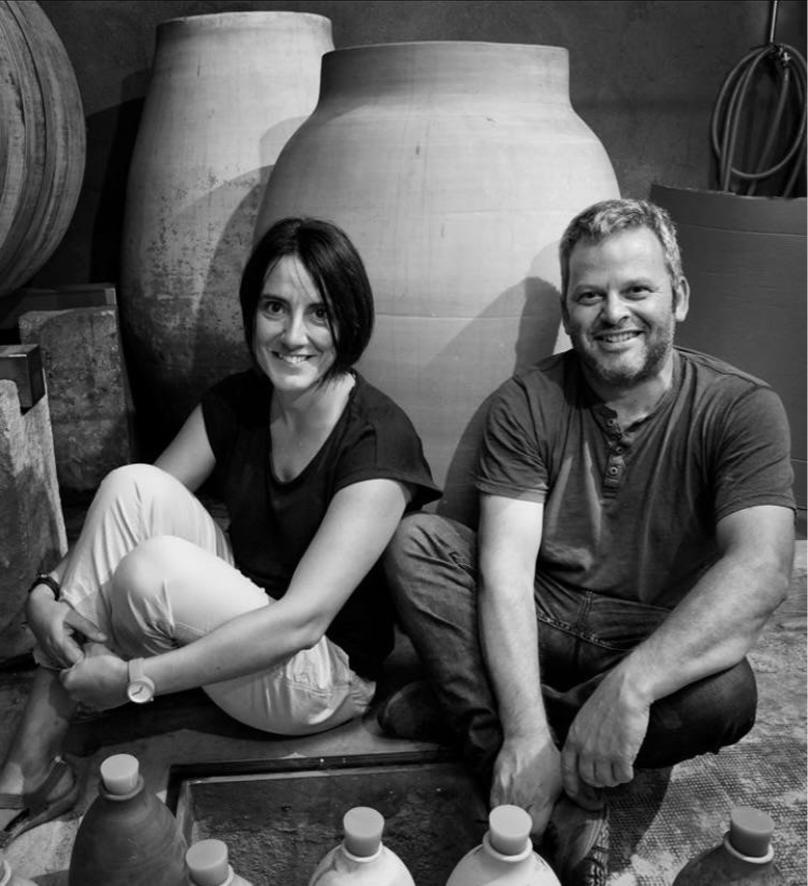
The work stems from a desire to re-establish a harmonious relationship between man and the land, through respectful and conscientious agriculture capable of producing healthy, vibrant wines deeply rooted in their place. The company's philosophy is based on the idea of preserving a small agricultural organism in which multiple plant and animal species coexist and support each other. The goal is to oppose monoculture and instead foster biodiversity, resilience, and vitality of the soil and plants. The vineyard is therefore conceived not as an isolated system, but as part of a broader agricultural balance. The chosen approach is biodynamic, understood as a tool for understanding and interpreting the place, its needs, and its fragilities. Each intervention is adapted to the specific context, with the aim of strengthening the agricultural organism's capacity for self-regulation and caring for the vines with sensitivity, avoiding standardized practices. Soil cultivation is carried out only when necessary, using tools that do not destroy the soil structure or the humus that we are trying to encourage, but that instead provide the right amount of oxygen and promote life underground.
Work in the vineyard
Vineyard management is characterized by the utmost respect for the plant and its natural rhythms. Every phase, from pruning to harvest, is handled with meticulous manual labor and a strong element of observation. The agricultural work is made particularly complex by both the slow pace imposed by the territory and the logistics of the terraces, but this very complexity becomes an integral part of the wine's identity. Grape selection is tied to the progress of the year and the desire to obtain healthy, vibrant fruit capable of clearly expressing the terroir's character. The sea profoundly influences the final result: the light reflected on the grapes and soil, the salty winds, and the Mediterranean environment contribute to unique ripening, intense aromatic profiles, and a pronounced flavor.
I work in the cellar
In the cellar, the approach is non-interventionist, but attentive. The winemaking process doesn't follow a fixed style, but rather adapts to the characteristics of the vintage and the grape. The goal is to allow the wine to reveal itself as freely as possible, avoiding imposing a dominant technical signature. Fermentations are spontaneous, in some cases promoted by a pied de cuve, and choices regarding containers, macerations, pressings, and aging times are determined year by year based on the grape profile. Depending on the wine, aging takes place in terracotta amphorae, steel, barriques, and in some cases demijohns. Sulfur dioxide is kept to a minimum and occurs exclusively before bottling, in the form of potassium metabisulfite.
No rose wines at the moment.
No orange wines at the moment.
No sparkling wines at the moment.
FIND THE EVENT YOU ATTEND
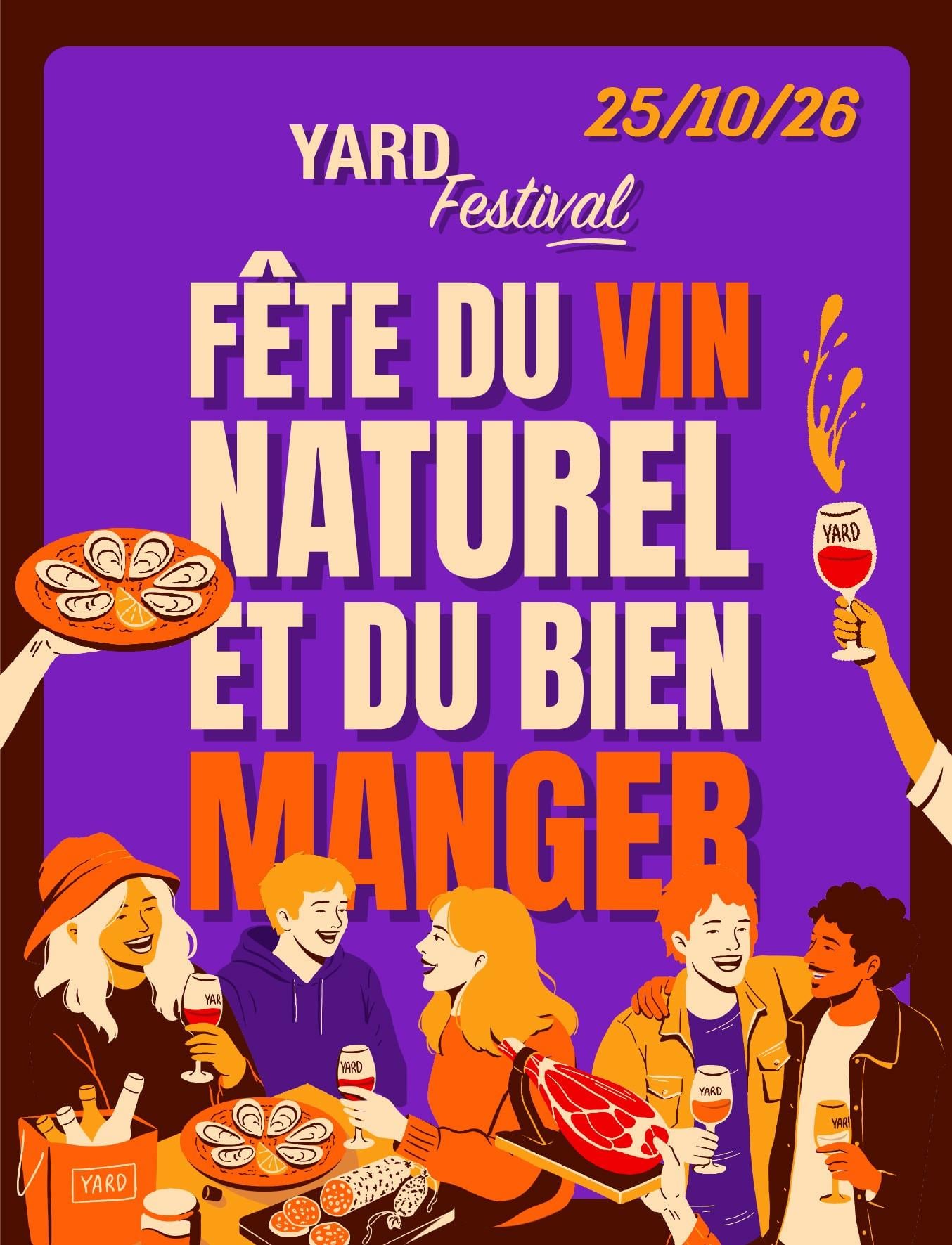
Sunday October 25
Paris
6492 KM
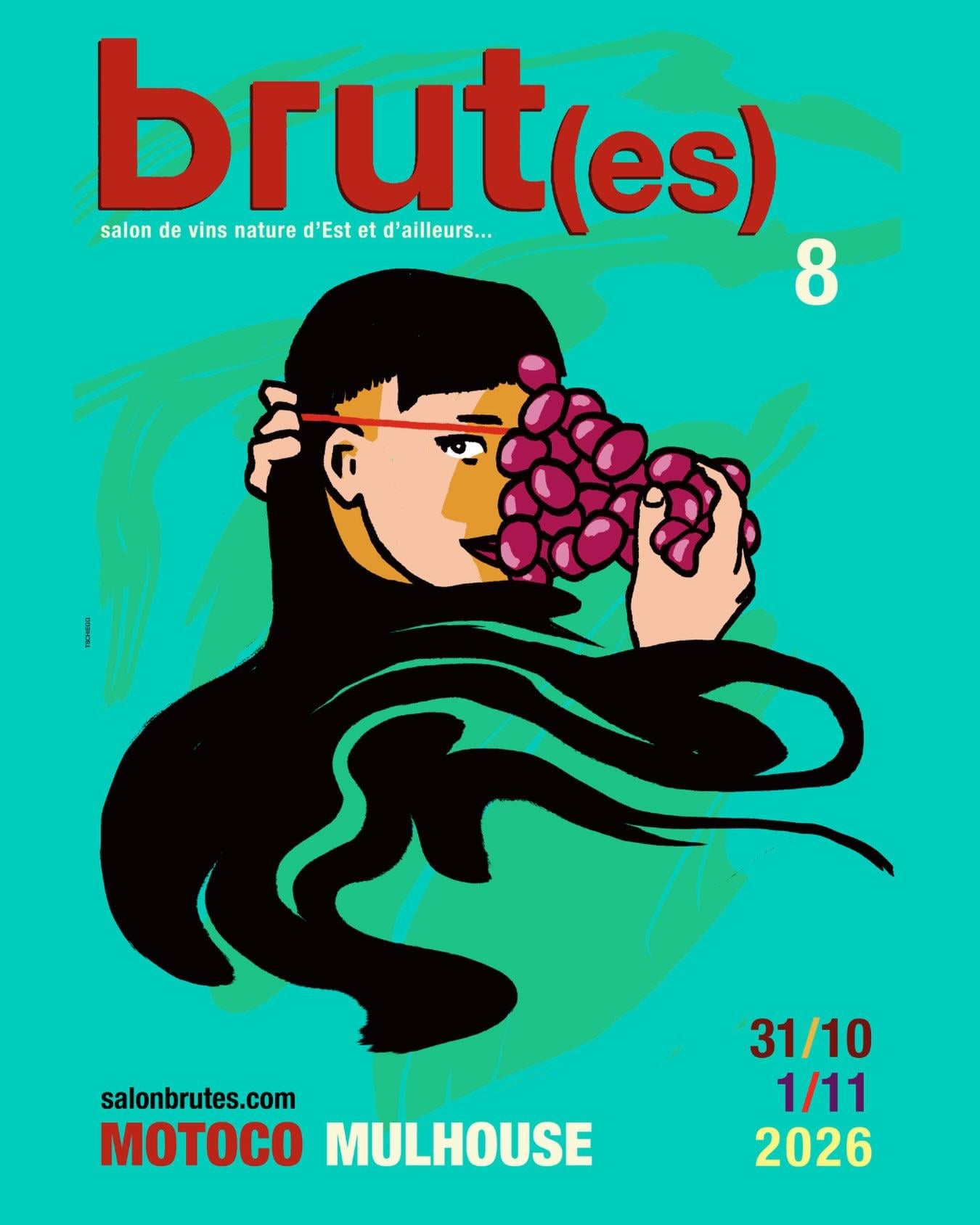
Saturday October 31 - Sunday November 01
Mulhouse
6872 KM

Saturday October 31 - Sunday November 01
Mulhouse
6872 KM

Monday November 02
Lille
6450 KM

Sunday November 08 - Monday November 09
Turin
7047 KM
Tuesday October 20
HamburgGermany
6722 KM
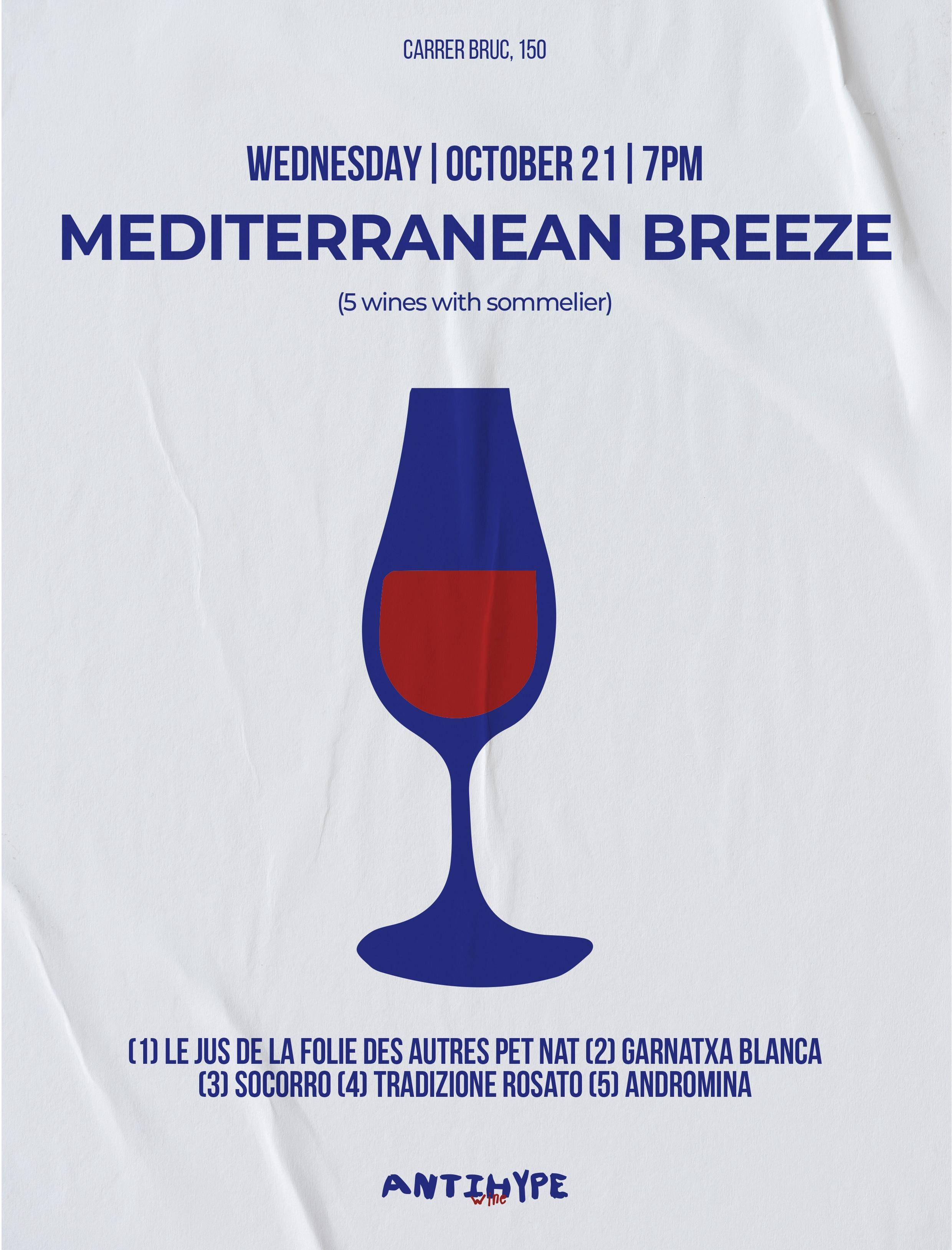
Wednesday October 21
Barcelona
6867 KM
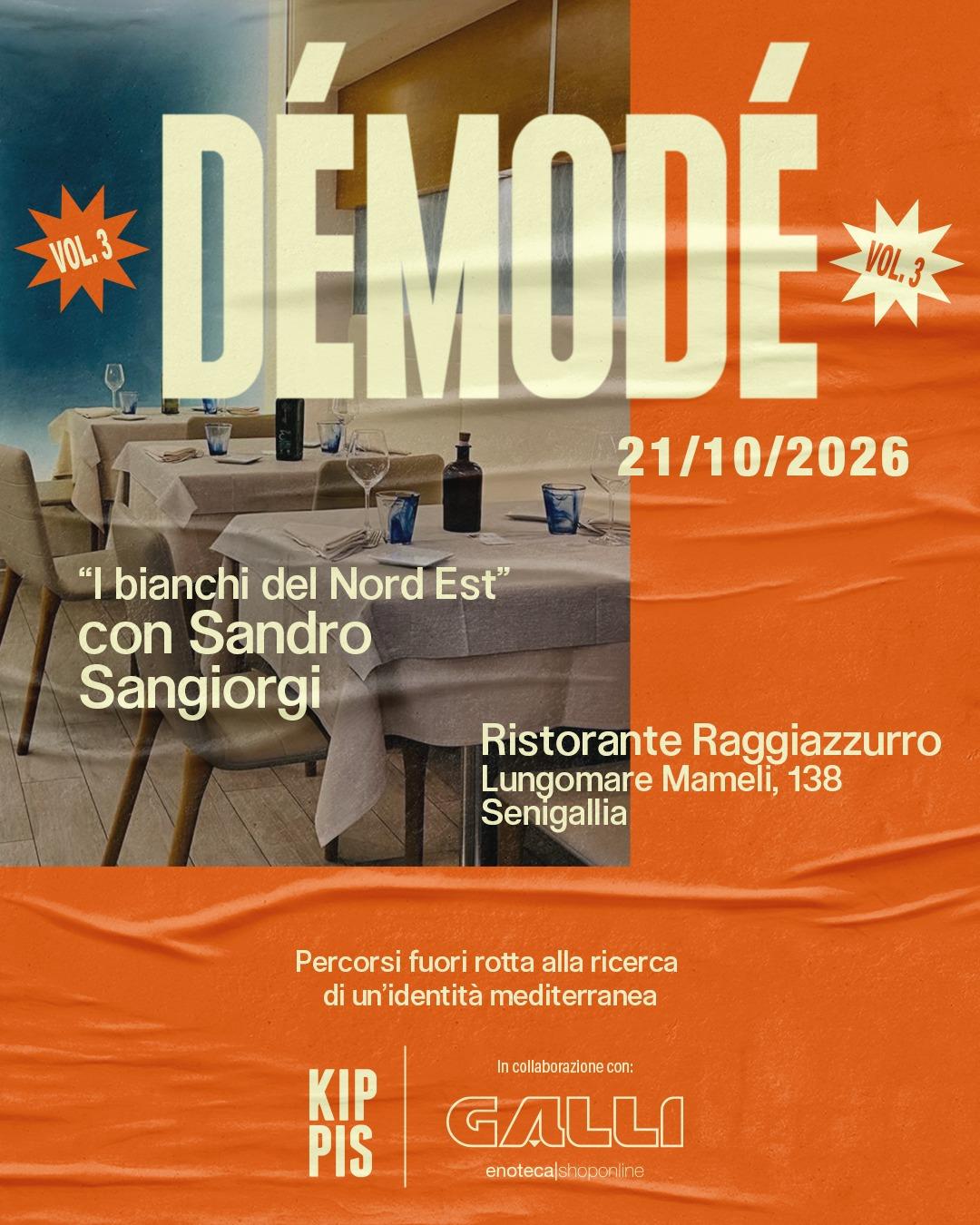
Wednesday October 21
SenigalliaItaly
7496 KM
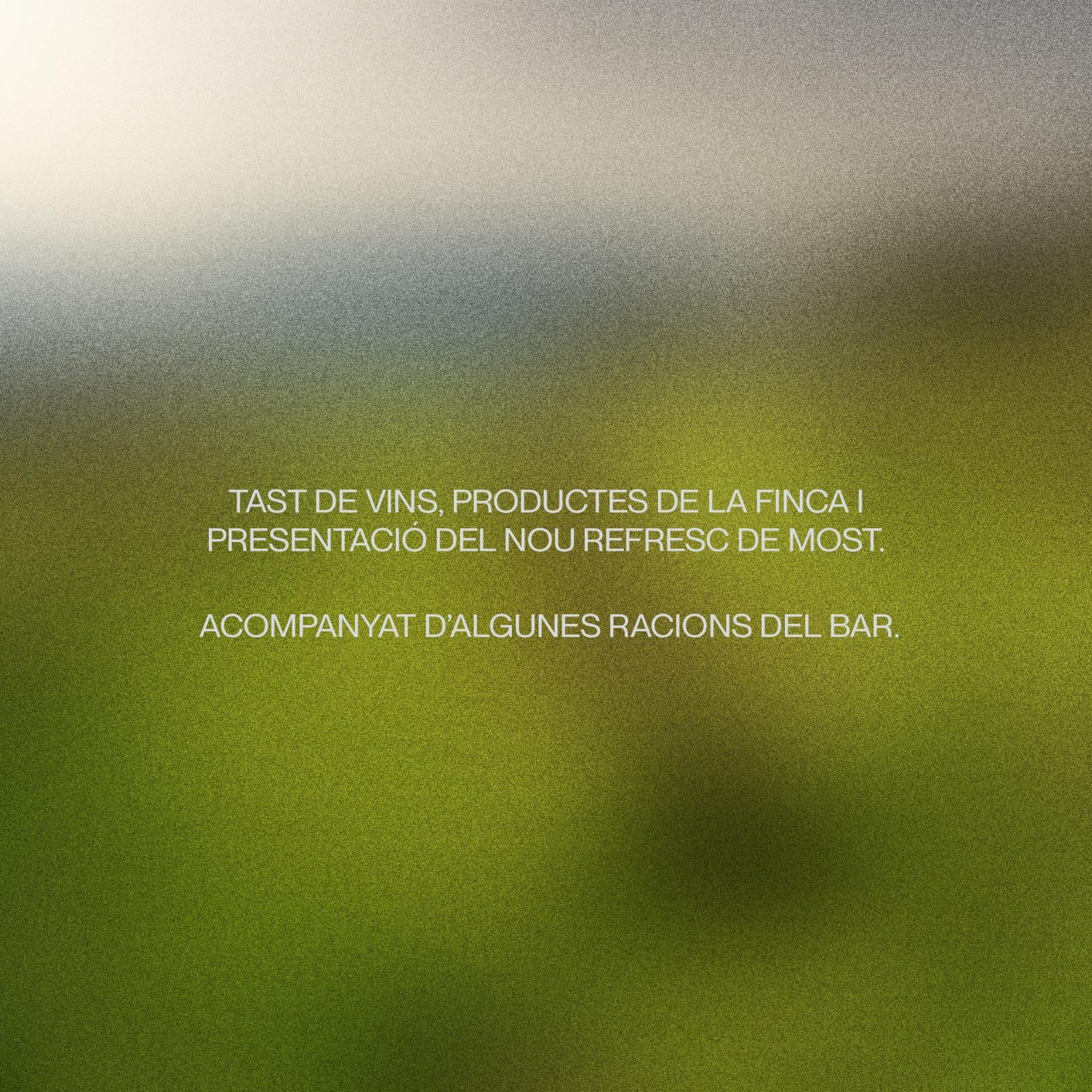
Wednesday October 21
BarcelonaSpain
6869 KM
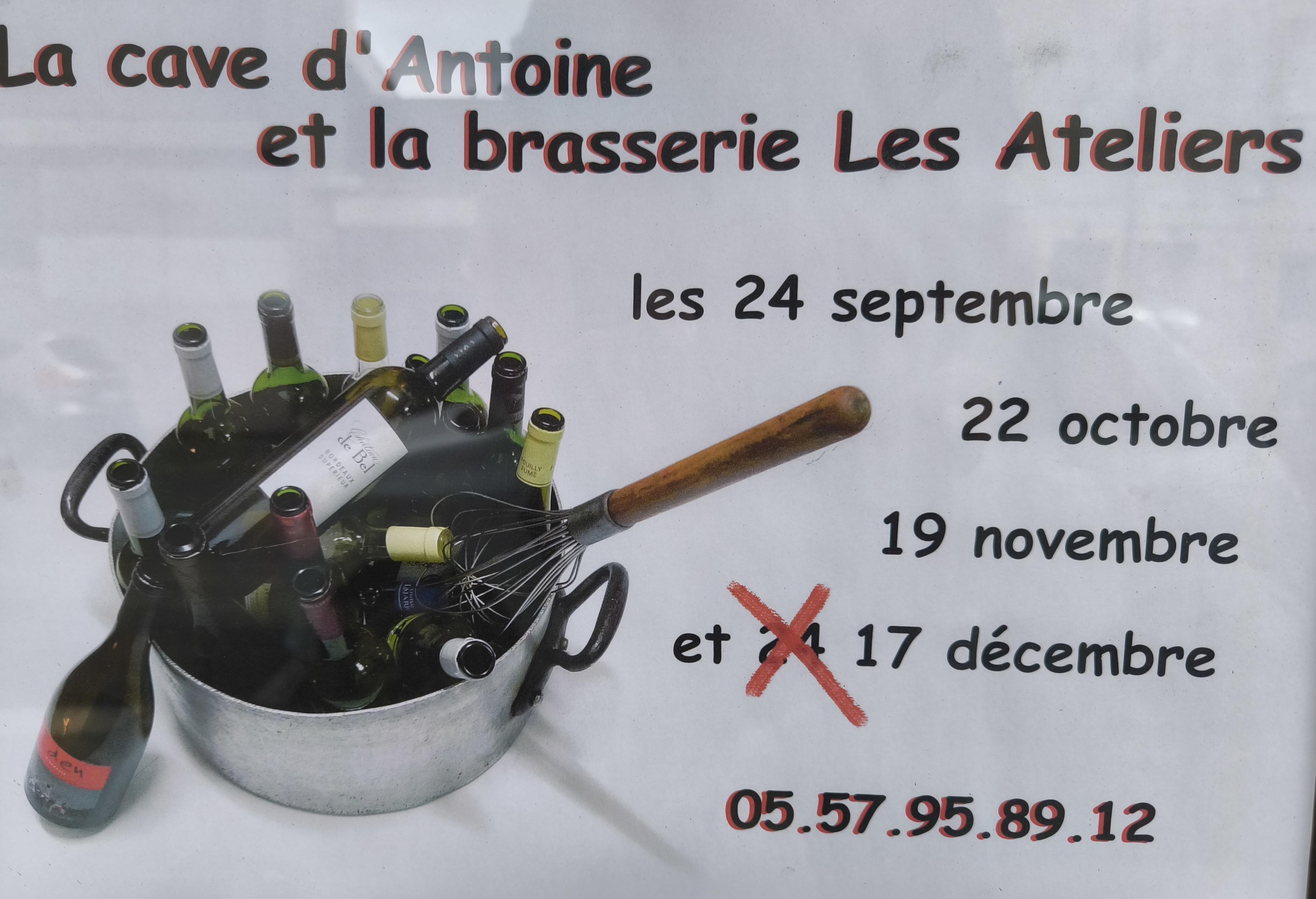
Thursday October 22 - Thursday December 17
BordeauxFrance
6492 KM


5 0 7187 KM
Öosteria: a Restaurant in Genoa with a selection of natural wines. Local, seasonal, organic food and natural wines. Winemakers
 Restaurants
 Bars
Bars Wine Shops
 Accommodations
 Events