August 04, 2026 - 1 comments
Making Wine Without Treatments: Servaas Blockeel's PIWI Experiment
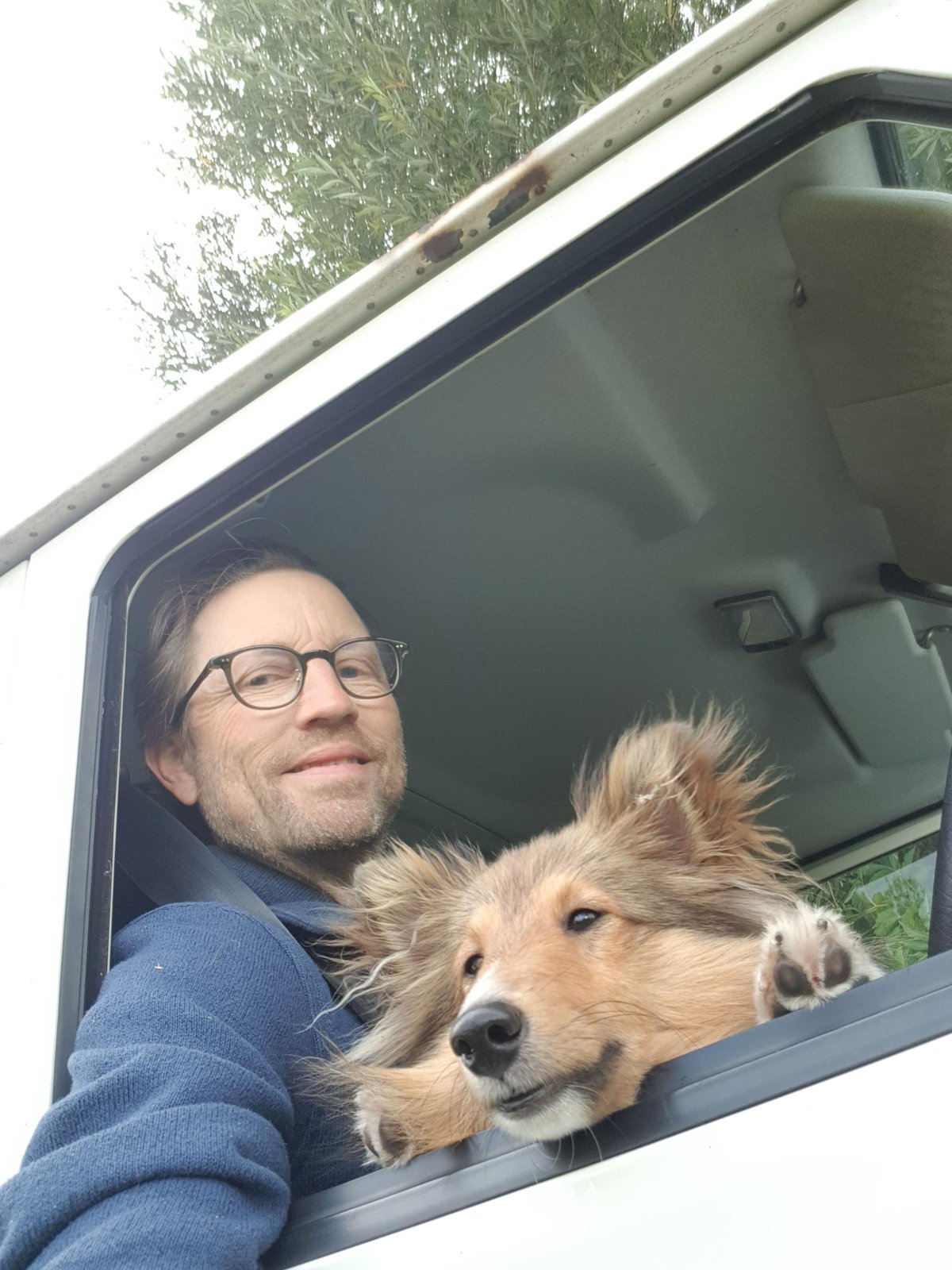
Beneath the vine rows in Otegem, West Flanders, an invisible world is at work. Fungi, bacteria, intertwined roots: an entire underground network connects the vines to the rest of the living world around them.
It is precisely this network that Servaas Blockeel, of the Wijngaard Lijsternest estate, has chosen to protect. Even if it means rethinking the way he grows vines from the roots up.
“All these fungi live in the soil, in contact with the root systems of plants, trees and everything else,” he explains. “I wanted to preserve that.” For him, this principle rules out from the outset one treatment that remains widespread in vineyards: Bordeaux mixture.
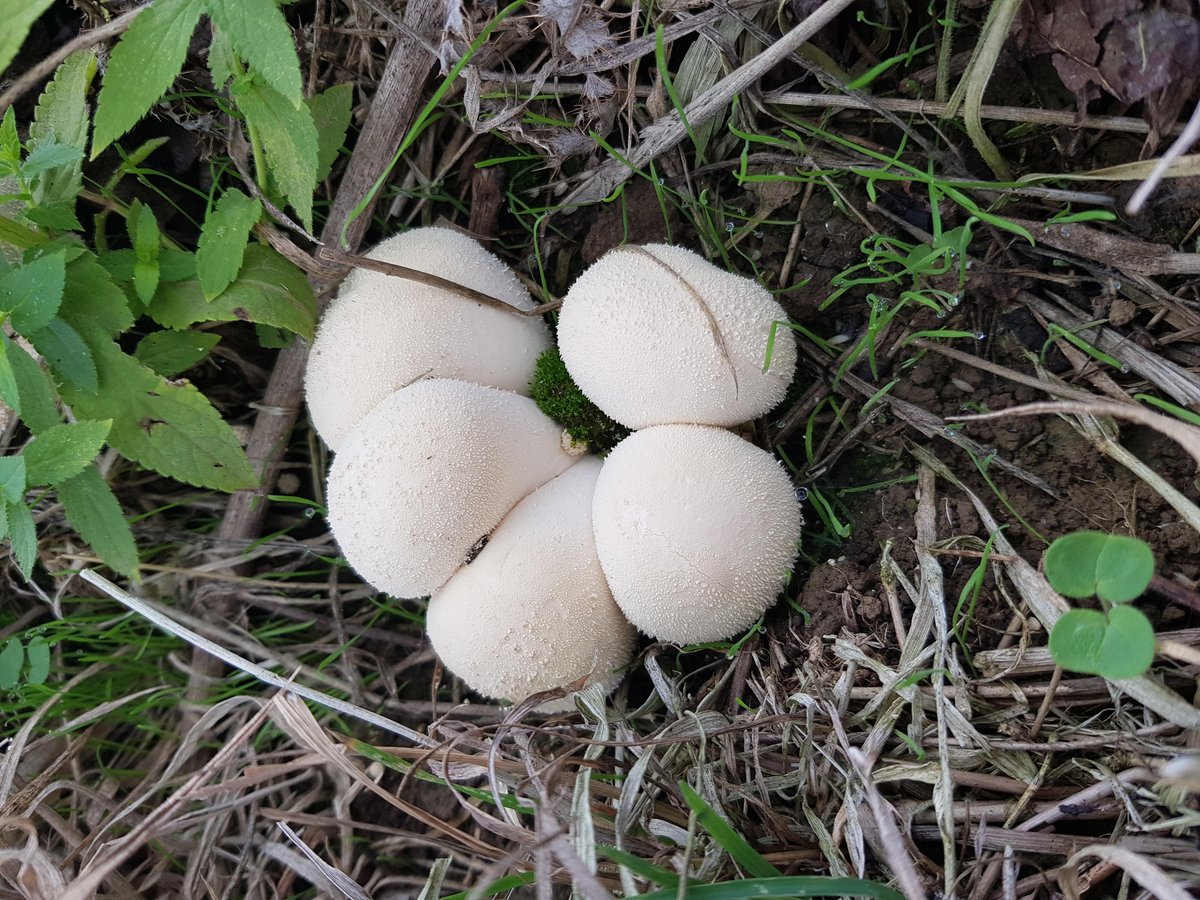
What is Bordeaux mixture?
Bordeaux mixture is a fungicide made from copper sulphate and lime, used since the late 19th century to combat downy mildew. Permitted in organic farming within certain limits, it remains widely used throughout Europe. Its downside is that copper accumulates in the soil over the years, harming the microbial life that Blockeel is seeking to preserve.
Without relying on Bordeaux mixture, a winegrower has two options.. change their practices or change the vines’ genetics. With Vitis vinifera alone, Blockeel knew what to expect: one good vintage every five years, with losses during the remaining years. “If we do not change the genetics, we have already lost,” he summarises. He needed different genetics.
PIWI grape varieties: different genetics for the vine
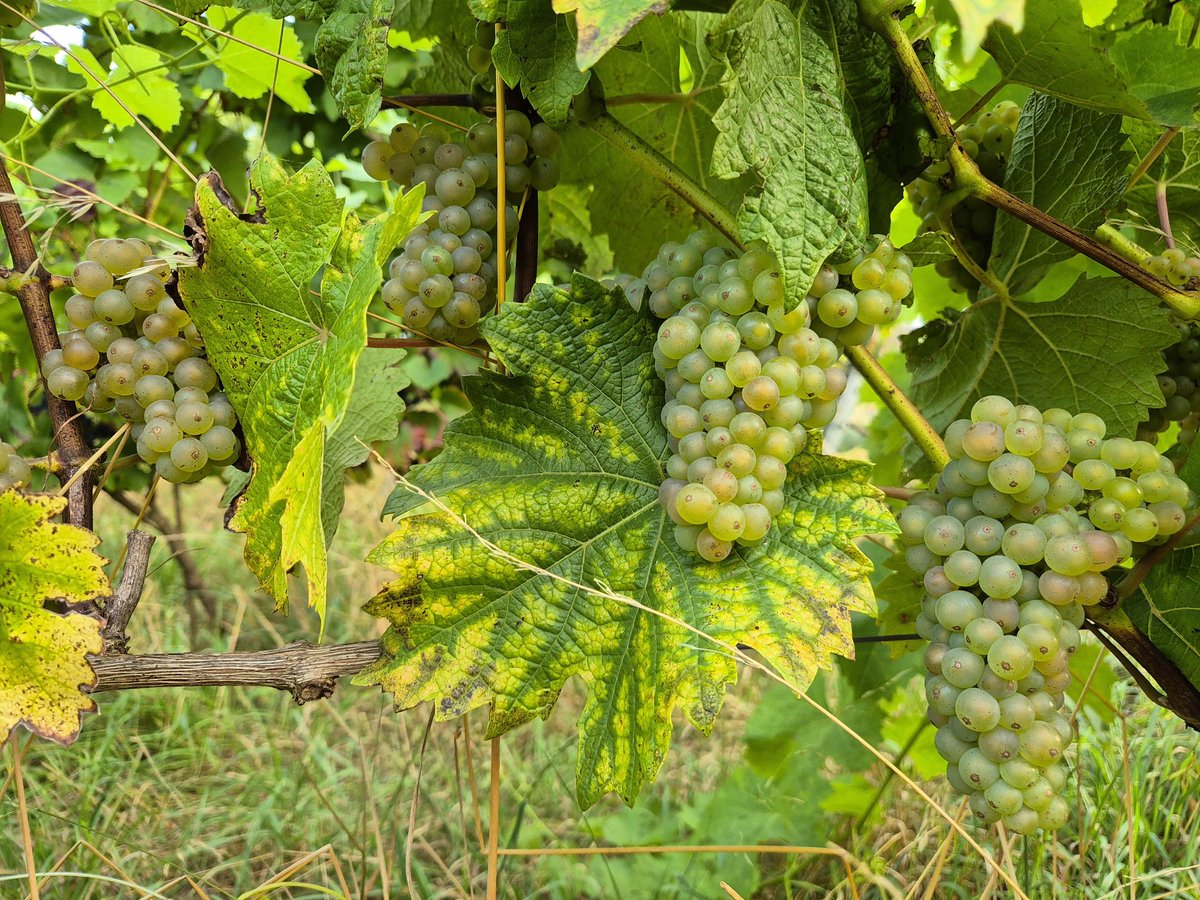
PIWI grape varieties—from the German pilzwiderstandsfähig, meaning “fungus-resistant”—are interspecific hybrids created by crossing Vitis vinifera with other vine species, particularly American and Asian varieties. Selected since the mid-20th century in Germany, Switzerland, Austria and Italy, they carry a natural genetic resistance to downy mildew and powdery mildew, the two fungal diseases that place the greatest pressure on vines. This makes it possible to drastically reduce, or even eliminate, the use of treatments.
Blockeel travelled to meet winegrowers who were already working with these grape varieties in all four countries. During tastings, one characteristic often returned: a slight green note typical of these varieties when vinified on their own.
Field blends as the answer: a cauldron of grape varieties
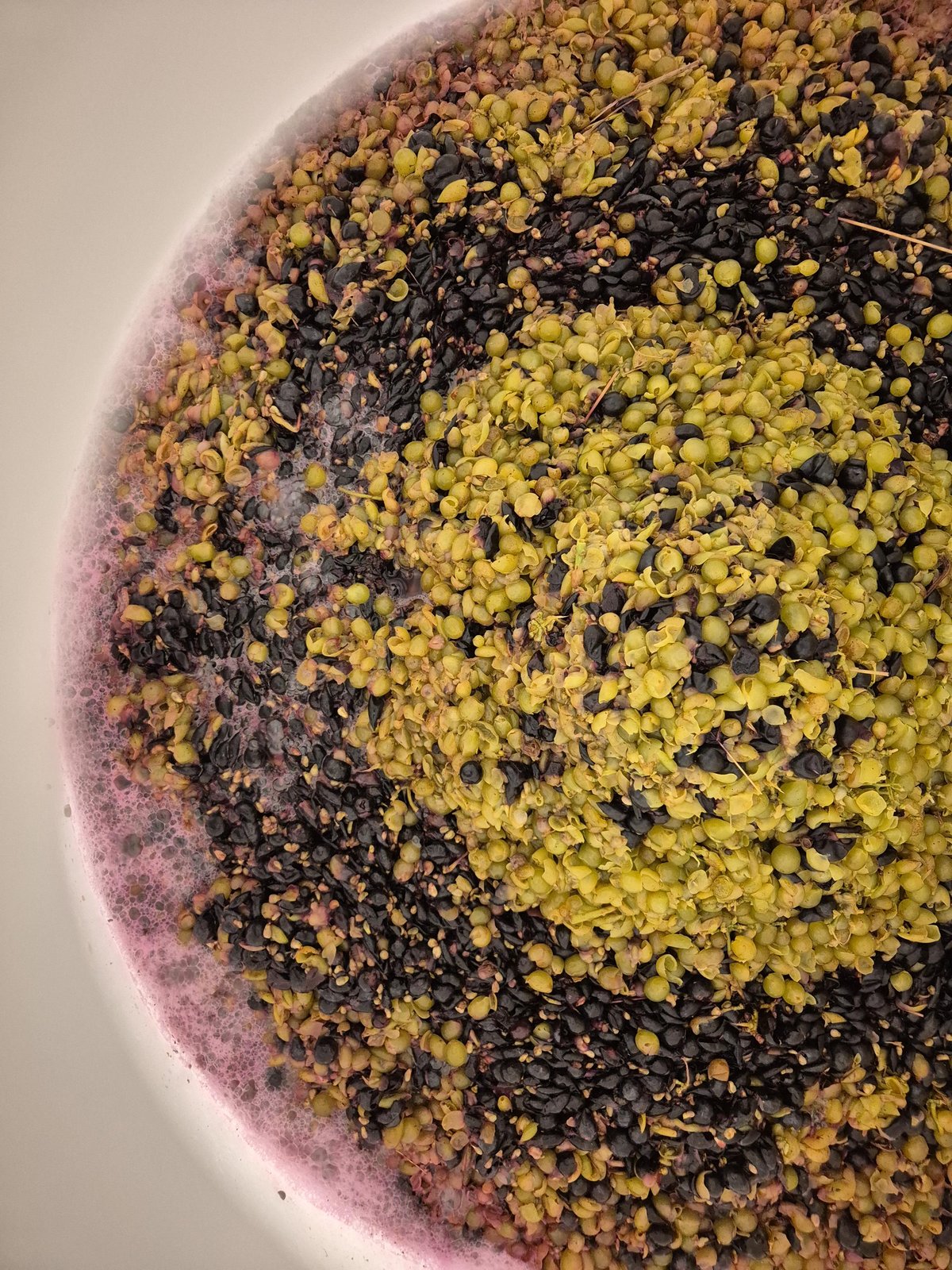
His answer was to blend them. He deliberately harvests between four and eight different grape varieties together, which then ferment together. “It creates a kind of bubbling cauldron, a melting pot, where you can no longer identify anything, but where everything is present,” he says. The green note fades, while the complexity grows.
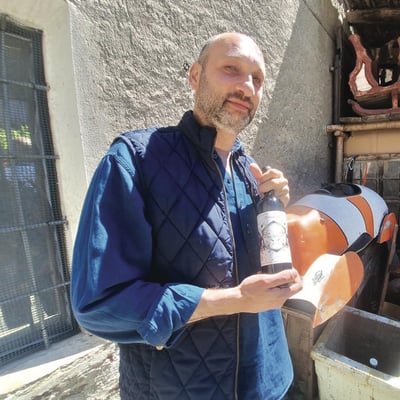
Wijngaard Lijsternest estate in Otegem
This approach shapes the entire estate. Between 2013 and 2018, Blockeel planted four hectares with new grape varieties—including Solaris, Sauvignac and Cabaret Noir—spread across three plots in Otegem. Today, the estate produces three red wines, one white and one rosé.
The soil is never tilled, allowing natural organisms to build its structure and maintain its fertility. Neither fungicides nor plant infusions are used: the balance between pathogens and predators is enough. A small tractor—using less than 80 litres of fuel over the entire season across the estate’s four hectares—is used only for the roller-crimper, an agricultural roller fitted with transverse blades that flattens cover crops, and for planting. Everything else is done by hand. There is no green pruning: the shoots are trained around the wire to ensure even ripening, with the quality of the tannins forming the estate’s signature. Harvesting only takes place once the grape seeds are ready to be crushed. In the cellar, everything is vinified in HDPE tanks; wood is not used at any stage.
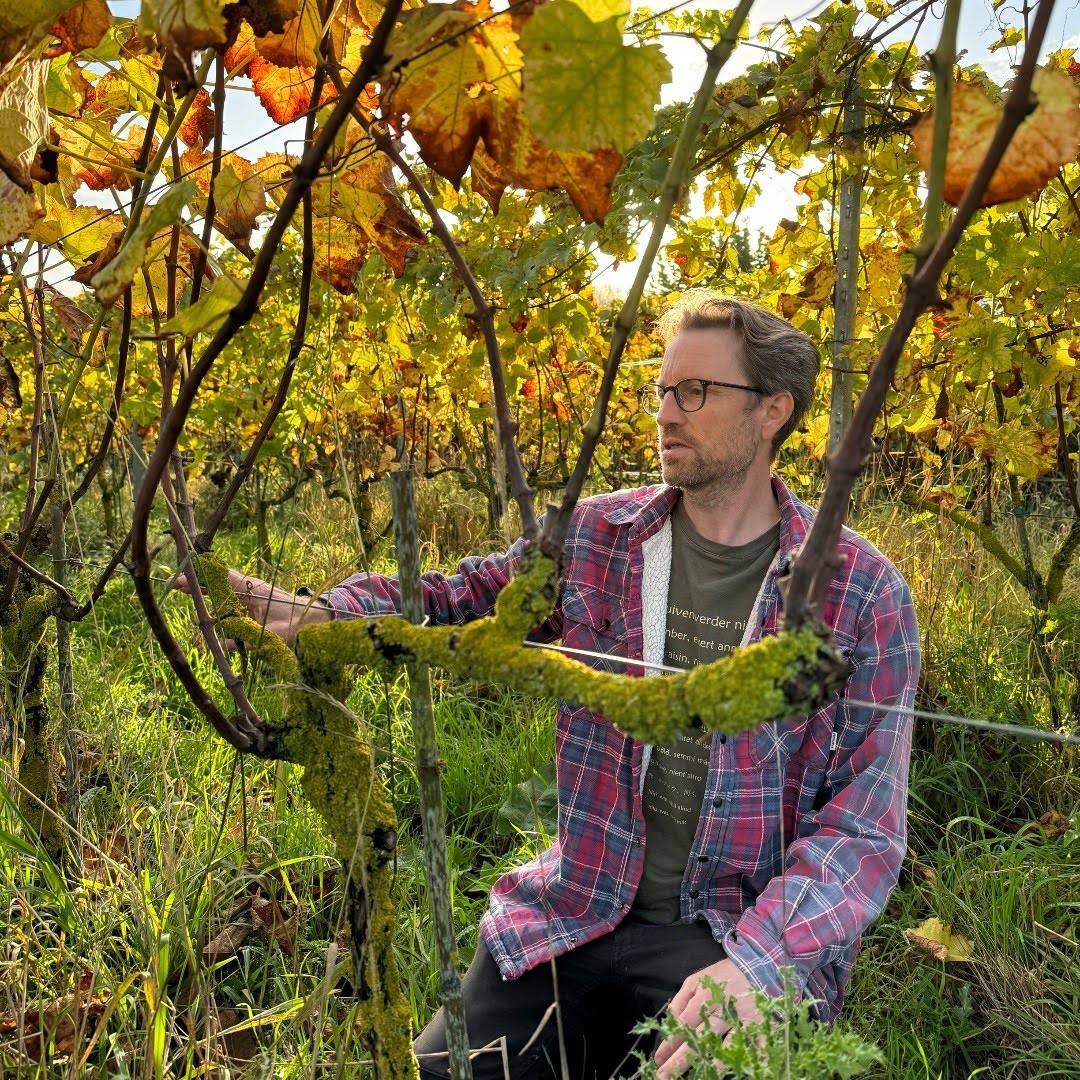
Servaas Blockeel, a leading figure in Belgian natural wine
Servaas Blockeel has established himself as one of the most committed figures in Belgian natural wine. In his writings, he uses a rigorous scientific approach to question intensive agricultural practices and advocates for interspecific grape varieties as being better adapted to climatic and disease-related pressures. Together with other winegrowers who share this vision, he founded BWA, Belgian Wine Alternative, a non-profit platform dedicated to exchanging and passing on knowledge.
All his wines come from field blends: several grape varieties planted, harvested and vinified together. These distinctive cuvées have found an audience both in Belgium and abroad.