May 05, 2026 - 0 comments
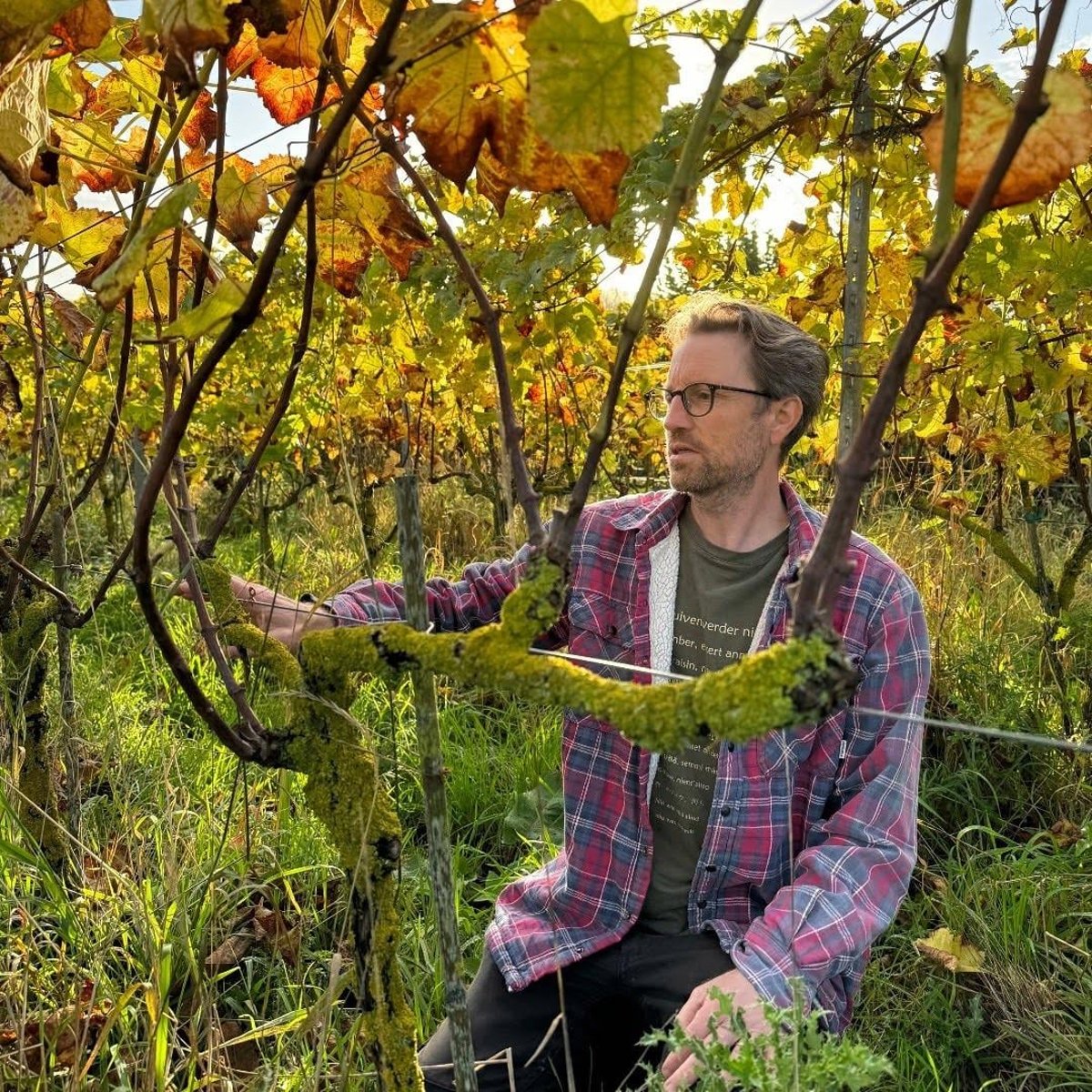
Wijngaard Lijsternest: In Servaas Blockeel’s soil, fungi are the ones in charge
"All these fungi live in the soil and are connected to the root systems of your plants, trees, and everything else." Servaas Blockeel, Wijngaard Lijsternest
There is a sentence Servaas Blockeel often hears in natural wine vineyards: we don’t use pesticides. But behind that statement, lies a contradiction. "Everyone here will tell you we don’t use pesticides, but everyone uses fungicides."
For him, that detail changes everything.
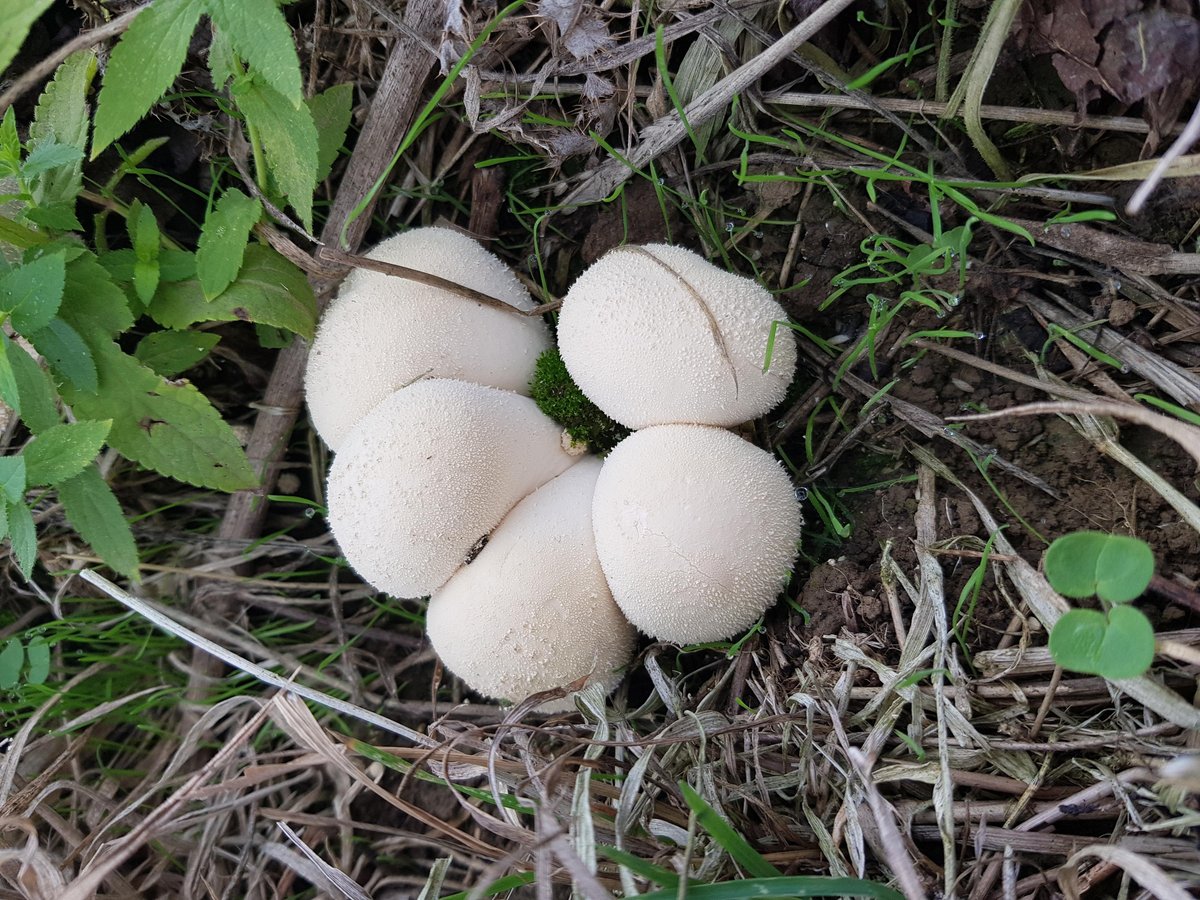
What the word "fungicide" really hides
A fungicide is not a pesticide in the way the general public usually understands it: no insects being killed, no shocking image. It is a substance that attacks fungi. And that is exactly where the problem begins, because fungi are not the enemy of the vine. They are its nervous system.
What soil biology has taken years to demonstrate, Blockeel placed at the center of his philosophy from the start: everything is connected through fungi. Mycorrhizal networks, those invisible fungal threads that colonize roots, allow plants to exchange nutrients, communicate, and defend themselves. Destroying these fungi in the name of protecting the vine means cutting off the branch you are sitting on. "We are learning that fungicides are far more devastating for nature than we first thought, because everything is connected in biology, everything is held together by fungi."
Even Bordeaux mixture, that copper-based fungicide that has been a pillar of organic and biodynamic farming for decades, is not an option for him.
Letting the soil speak
The logical consequence of that reasoning is to stop intervening in the soil altogether. Blockeel got there step by step. First, no tillage, from the very beginning: the soil should always be covered, always in photosynthesis, always inhabited. Then, for five years, he used a seeder to plant cover crops every year. Before realising that even that was still a form of control.
"I thought: what if I simply sold the machine and we stopped doing anything at all?"
What he got was wild vegetation, shifting from one year to the next, and precisely because it is not directed, it becomes a way of reading the soil. The plants that appear spontaneously are indicators: too much water, too much compaction, an imbalance somewhere. The vineyard tells its own story, as long as you know how to listen.
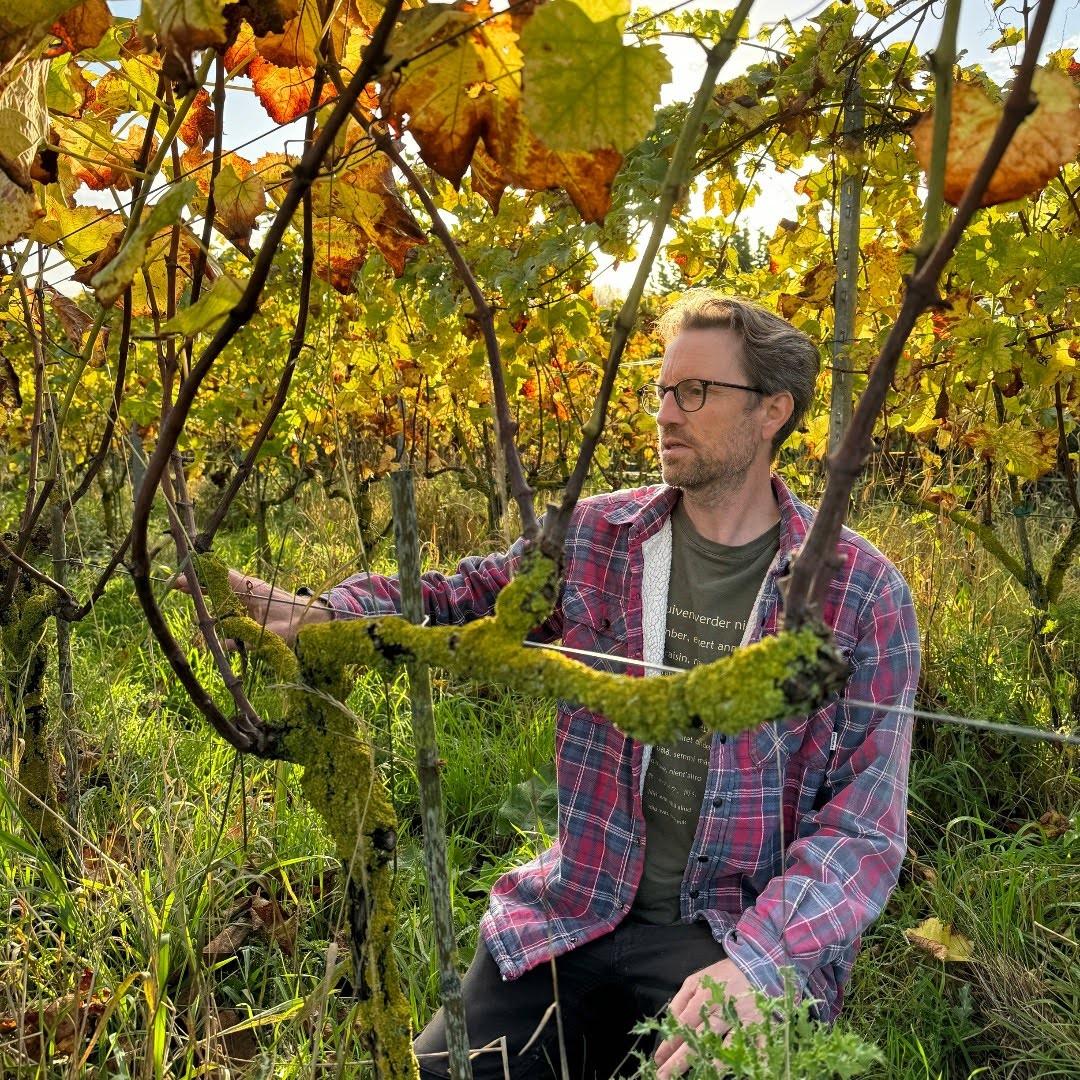
Changing genetics so nature does not have to be changed
But not using fungicides in a vineyard also means exposure. Downy mildew, powdery mildew, botrytis, these fungal diseases that devastate Vitis vinifera as soon as the climate allows, become permanent threats. And on this point, Blockeel is categorical: without changing the genetics of the vine, everything else is pointless. "If we don’t change the genetics, we are lost from the start."
That is what led him to PIWI grape varieties: resistant hybrids developed in Germany, Switzerland, Austria and Italy, which carry natural resistance to the main fungal diseases in their DNA. Not as a compromise, but as the sine qua non condition for farming without treatments. No PIWI, no consistency.
The soil as a starting point, wine as a consequence
What Blockeel is building at Wijngaard Lijsternest follows a logic that begins from below, quite literally. From the soil, its fungi, its wild plants, up toward the vine, and then toward the wine. Every decision in the cellar comes from a decision in the vineyard, which itself comes from a decision in the soil.
Once you accept that everything in the vineyard is connected, it becomes impossible to treat one part without affecting the whole.