May 07, 2026 - 1 comments
Would You Leave the City, Move to Italy, and Make Natural Wine?
Atavica Did It. Was the Dream Worth the Sacrifice?
There’s a fantasy that many wine lovers carry quietly with them. It usually starts the same way: you leave the city, buy a small farm somewhere, plant a few vines, and start making wine with friends. Days are spent outside, evenings around long tables. The wines are honest, the food is simple, and the work, though physical, is deeply satisfying.
It’s the kind of dream that lives somewhere between romance and rebellion. But what happens when someone actually does it?
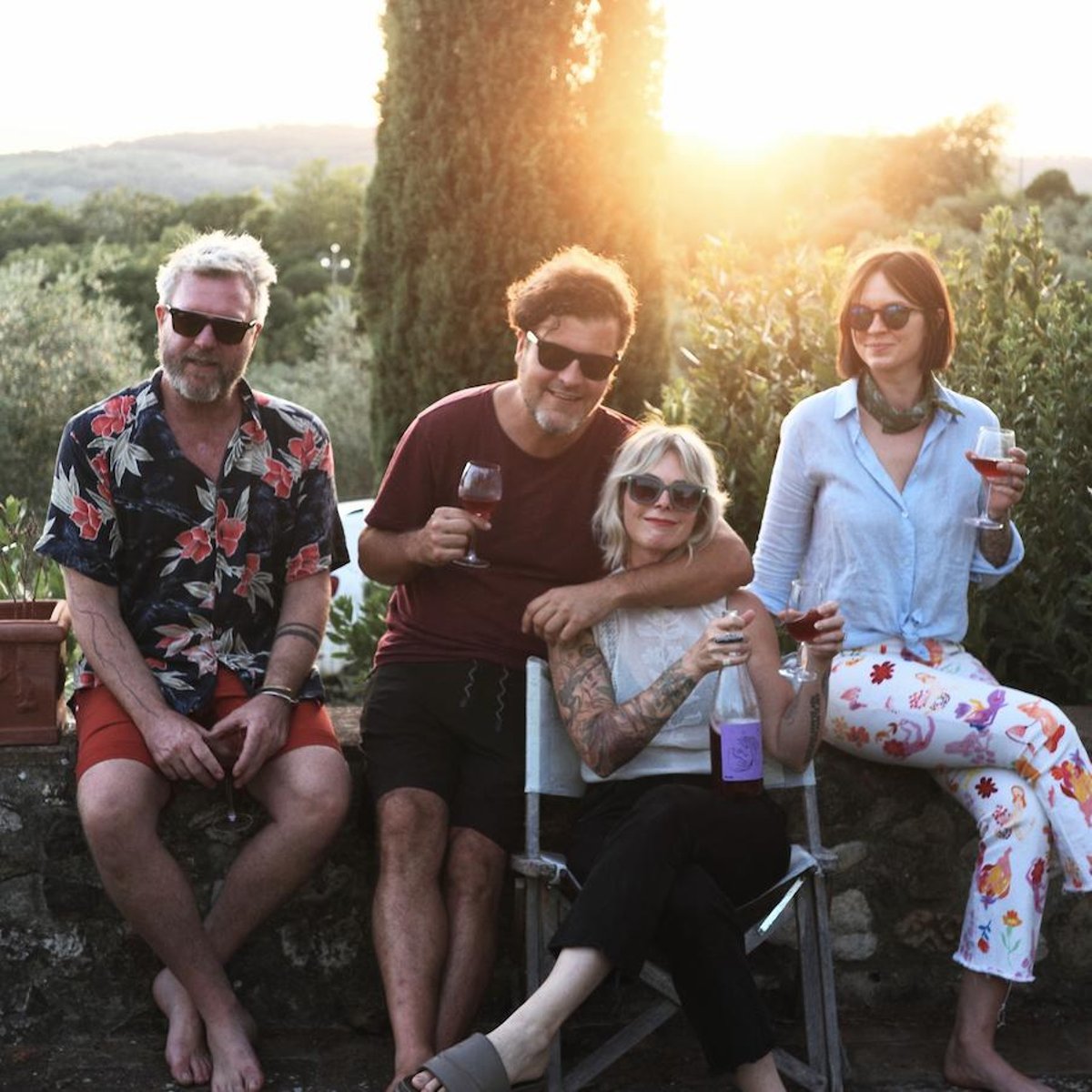
For the group of friends behind Atavica, Massimiliano Galli, Luca Luca D’Alfonso, Erin Skahan, and Evie Gavrilovich, the dream didn’t arrive as a grand plan. It emerged almost accidentally, during the strange, suspended months of the pandemic.
The group all met in Dublin, and the idea of a different life slowly took shape. Erin remembers it clearly: “We were all working online, so suddenly we could live anywhere.” Later, she adds, “And somehow, the idea of going to Italy came up.”
What followed was less a carefully orchestrated business venture than a chain of coincidences.
How the Dream was Born
Before Tuscany, there was Dublin. Luca ran a restaurant that became a gathering point for the group, and natural wine was already part of their lives, first as drinkers, then as enthusiasts.
For him, the discovery began years earlier when he noticed something odd about conventional wine. “After drinking beer I’d have terrible hangovers,” he recalls. “Then after a few years of drinking wine, I realized even wine was giving me terrible hangovers.” A visiting wine importer suggested he try natural wine instead.
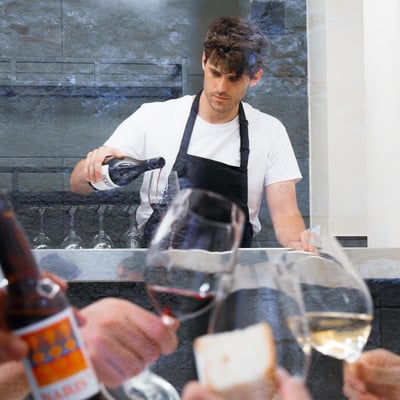
He realized straight away there was something different about drinking it: “I loved the flavor and the liveliness. The conviviality of sitting together and drinking and eating and chatting.” Once you enter that world, he laughs, there’s often no going back: “Once you are pulled into natural wine… you’re fucked. You can’t drink anything else.”
Natural wine began shaping how the friends traveled, where they ate, even how they chose places to live. Evie would scan Raisin for natural wine bars, reasoning that a concentration of shops meant an open-minded community. So when the idea of moving to Italy appeared, it didn’t feel so strange.
The Accidental Winery
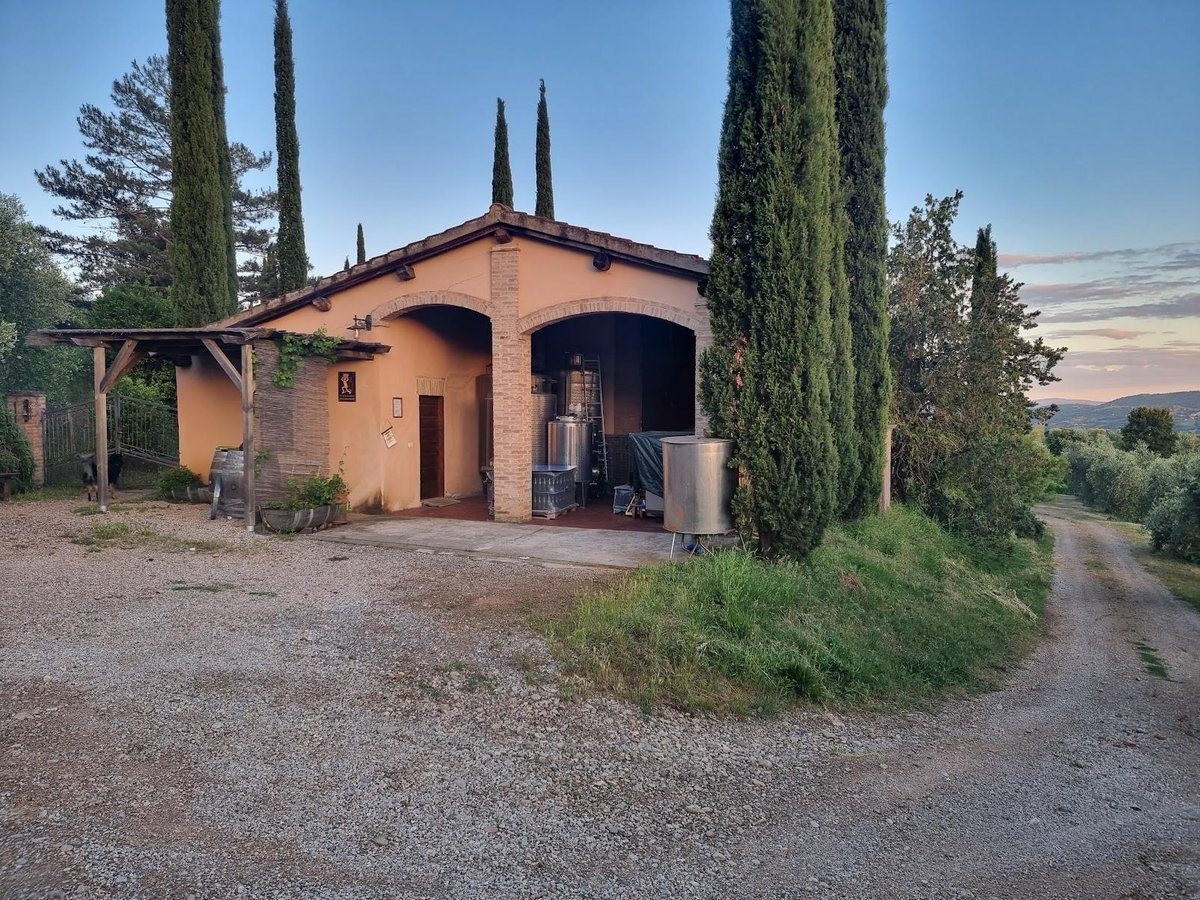
The original plan was simple: find a house in the countryside, maybe with a few vines to play with. They weren’t looking to start a winery. “We were actually looking for a house to live in,” Erin says. “Maybe have some vines just for us to make wine and play with it.”
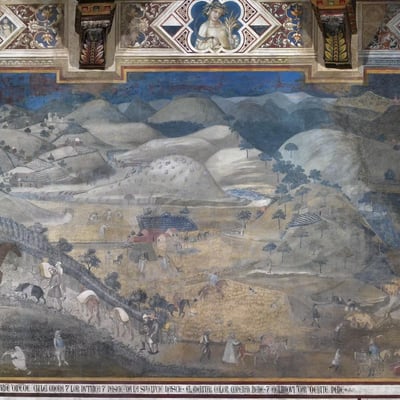
Instead, they stumbled into something much bigger: 17 hectares of land in southern Tuscany’s Maremma region. The farm sits in a wild, spacious landscape where forests, olive groves, and vineyards stretch across hills that once formed part of the ancient Etruscan world. The property came with vines, olive trees, forest, and farmland, but also the financial reality of farming.
“Starting a farm is a black hole,” Massimiliano says bluntly. “You keep throwing money into it for the first few years. You need cash all the time. You need to work hard. You need to wake up early and do both jobs.” Even now, most of them maintain other work to support the farm.
“It’s very romantic to think you move to the land and just make wine,” he adds. “But it’s serious, hardcore work.”
Freedom, and the Cost of It
One unusual element of their story is that the farm was purchased outright. That freedom shapes everything they do. “We are mortgage-free,” Massimiliano explains. “We are free from the banks.”
But it came with personal sacrifice. The only way to do it in cash, he says, is if you’re already rich, or if life events make it possible. For him, that event was losing his mother. “I sold an apartment in Milan after my mom passed away. If you ask me now, would you prefer the farm or to have her back? Obviously I would choose my mom.”
The moment captures the strange tension at the heart of the dream: freedom often arrives through complicated circumstances.
Learning to Make Wine the Old Way
When they arrived in Tuscany, the group didn’t really know how to make wine. They learned from farmers and natural winemakers, absorbing knowledge through experience rather than textbooks.
One of their earliest influences was a local farmer who made wine exactly as his father had. “No lab checks. No modern machines. Just tasting,” Luca recalls. The process was simple: crush the grapes, let them ferment naturally, and press them when fermentation finished. “When it stopped tasting like vinegar, they said, okay, we can press this now.”
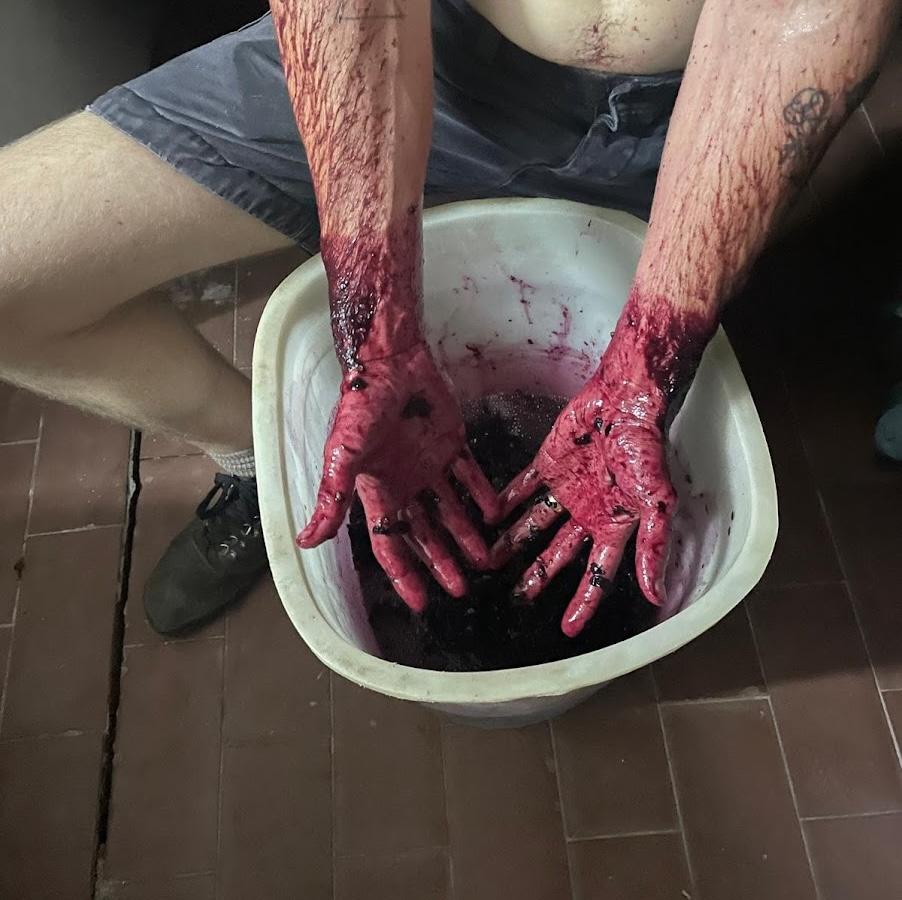
Later, an Australian natural winemaker friend guided their first harvests. His philosophy was even simpler: “You break the grapes, you put them in a bucket, and you move it twice a day. Everything else is the work you’ve done in the vineyard.”
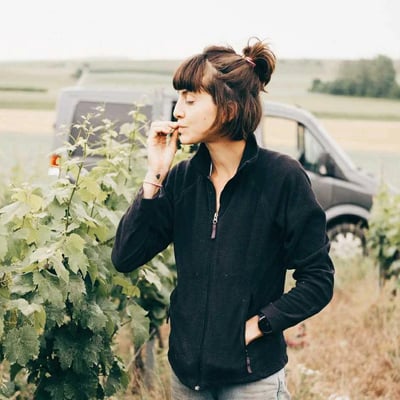
The friends realized quickly that good wine begins long before the cellar. “The grape and the soil are one thing,” Luca notes. “If you treat the vineyard well, the wine will respond.”
Natural Wine, With Transparency
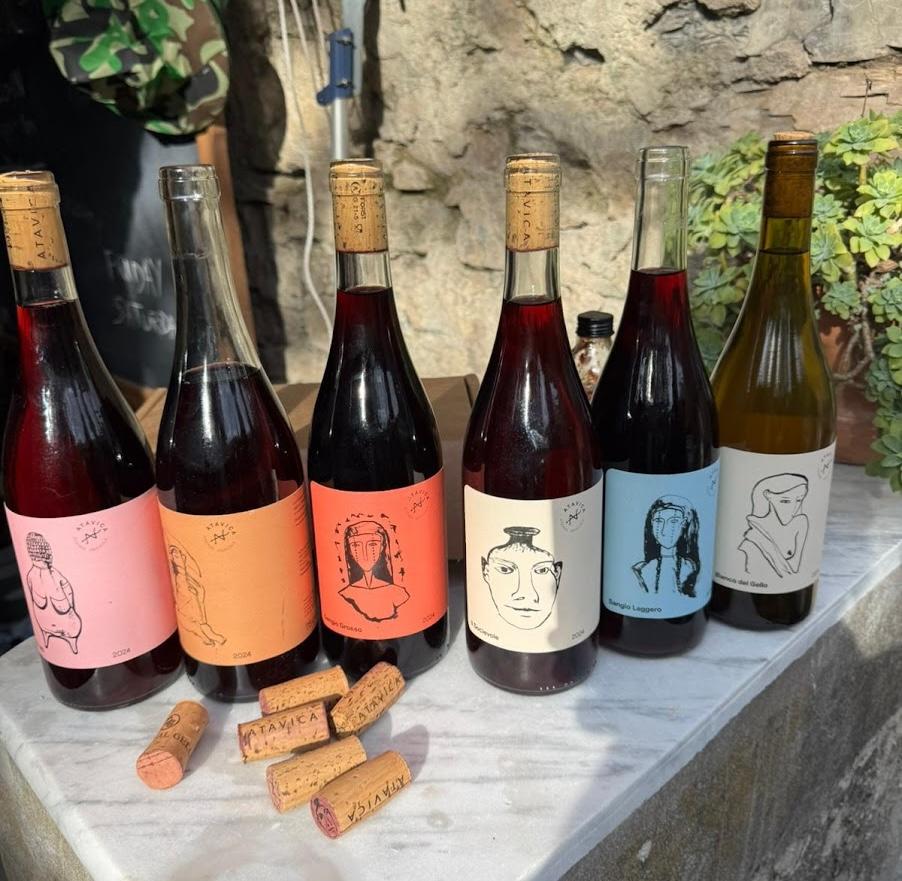
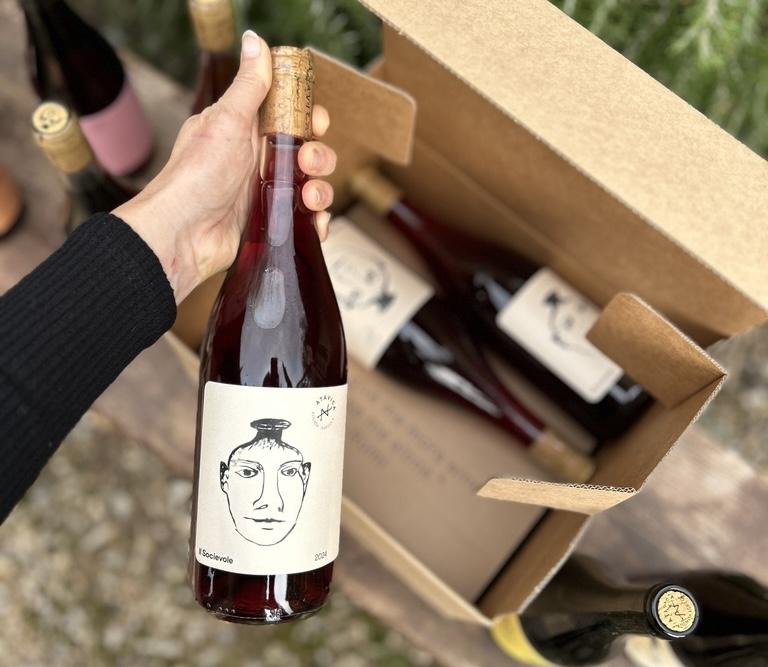
Today, Atavica’s wines follow a straightforward philosophy: minimal intervention, spontaneous fermentation, and full transparency. Most ferment naturally without additives, filtration, or manipulation. Some receive a tiny touch of sulfur, less than 20 mg/L, something they communicate openly rather than hide.
“We want to be transparent,” Evie says. “This is a process of learning.”
That openness extends to their broader view of natural wine. “There isn’t one definition. The only way to build trust with people is to be honest about what you do.” Some love their wines; others don’t. “That’s fine,” she adds. “We make wines we like to drink,” Luca says.
When a Mistake Becomes Your Favorite Wine
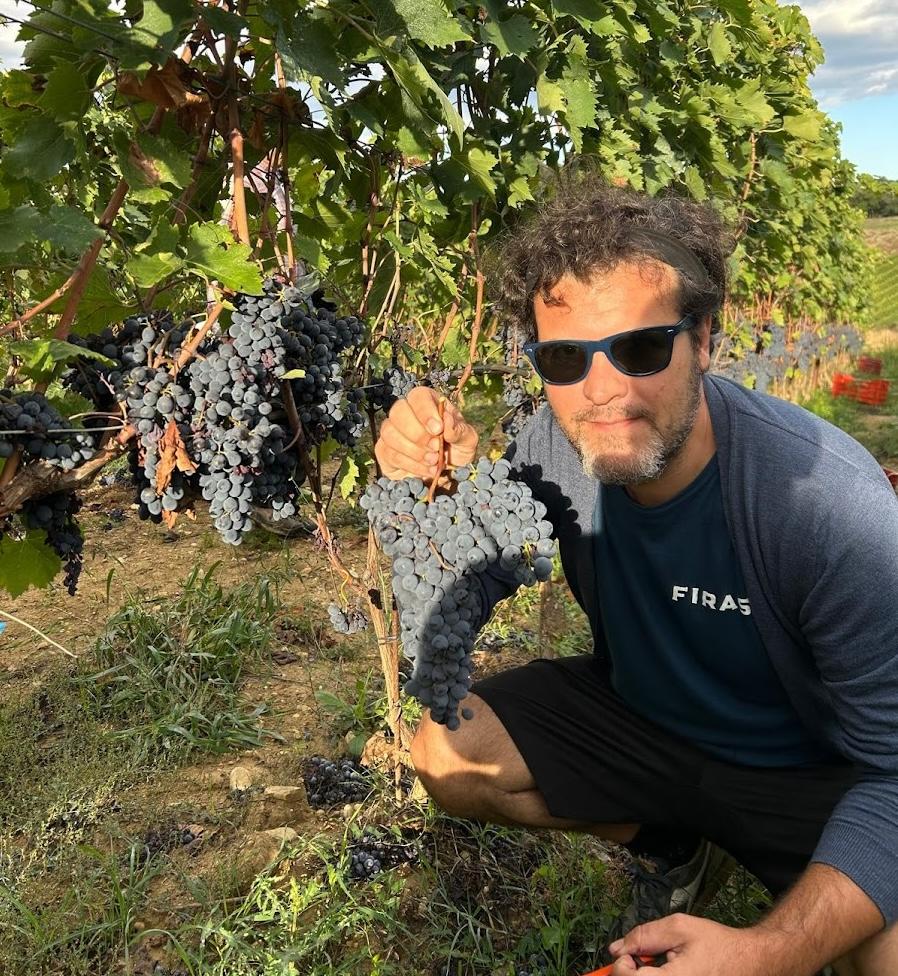
One of their favorite wines began as what most producers would consider a failure. In Tuscany, Sangiovese is usually harvested for powerful reds like Brunello. But one vineyard plot stopped ripening early, reaching only 11.5% potential alcohol, far below regional expectations.
“Most people would throw these grapes away,” Massimiliano says. Instead, they fermented them anyway. The result was a light, bright red, full of strawberries, low in tannin, and dangerously drinkable. “It’s like the wine our grandfathers drank. Very light. You can drink it like water.” Luca adds, “You could drink it instead of a beer on the beach.”
The Dream vs. Reality
For dreamers hoping to leave everything behind for wine in Italy, the founders of Atavica offer encouragement, but also caution. First: understand the work. “It’s not just the romantic dream. You need money, patience, and a lot of work,” Massimiliano warns.
Second: be open. In the countryside, community is essential. “Our doors are always open. People arrive, they taste wine, sometimes they stay for dinner, sometimes they stay for two days,” Evie says.
And finally: throw yourself into it. “I always throw myself completely into things,” Luca adds. “Things align when you do that.”
The dream might be romantic, but the reality, muddy boots, long harvest days, uncertain vintages, is something else entirely. And yet, sitting around a table in the Tuscan countryside with a bottle of their natural wine, the founders of Atavica seem to know something many dreamers suspect but rarely test. Sometimes, the dream is worth the chaos it brings.