April 07, 2026 - 3 comments
La Stoppa: What if true luxury is a wine’s identity
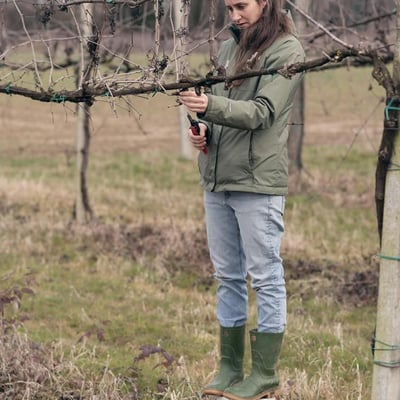
Thirty years ago, Elena Pantaleoni stopped producing Sauvignon Blanc at La Stoppa. She planted local grape varieties that no one wanted. Today, her estate is a global reference for natural wine.
Elena Pantaleoni’s bet at La Stoppa
At the beginning of her winemaking journey, Elena Pantaleoni was producing Sauvignon Blanc on her estate, La Stoppa, in Emilia-Romagna. One day, a client told her that her wine was good, but that he could buy a Sancerre at the same price. There was no point competing: selling a Sancerre will always be easier than selling a Sauvignon from an unknown region. She could have drawn the obvious conclusion, plant more international varieties, move closer to what sells. She did exactly the opposite.
Nearly thirty years ago, she abandoned easy grapes to focus on local varieties from her terroir: Barbera, Malvasia di Candia Aromatica, Bonarda. Grapes that almost no one was planting anymore, in a region that almost no one mentioned when talking about great Italian wines.
“We must not make copies. We must value our own grape varieties.”
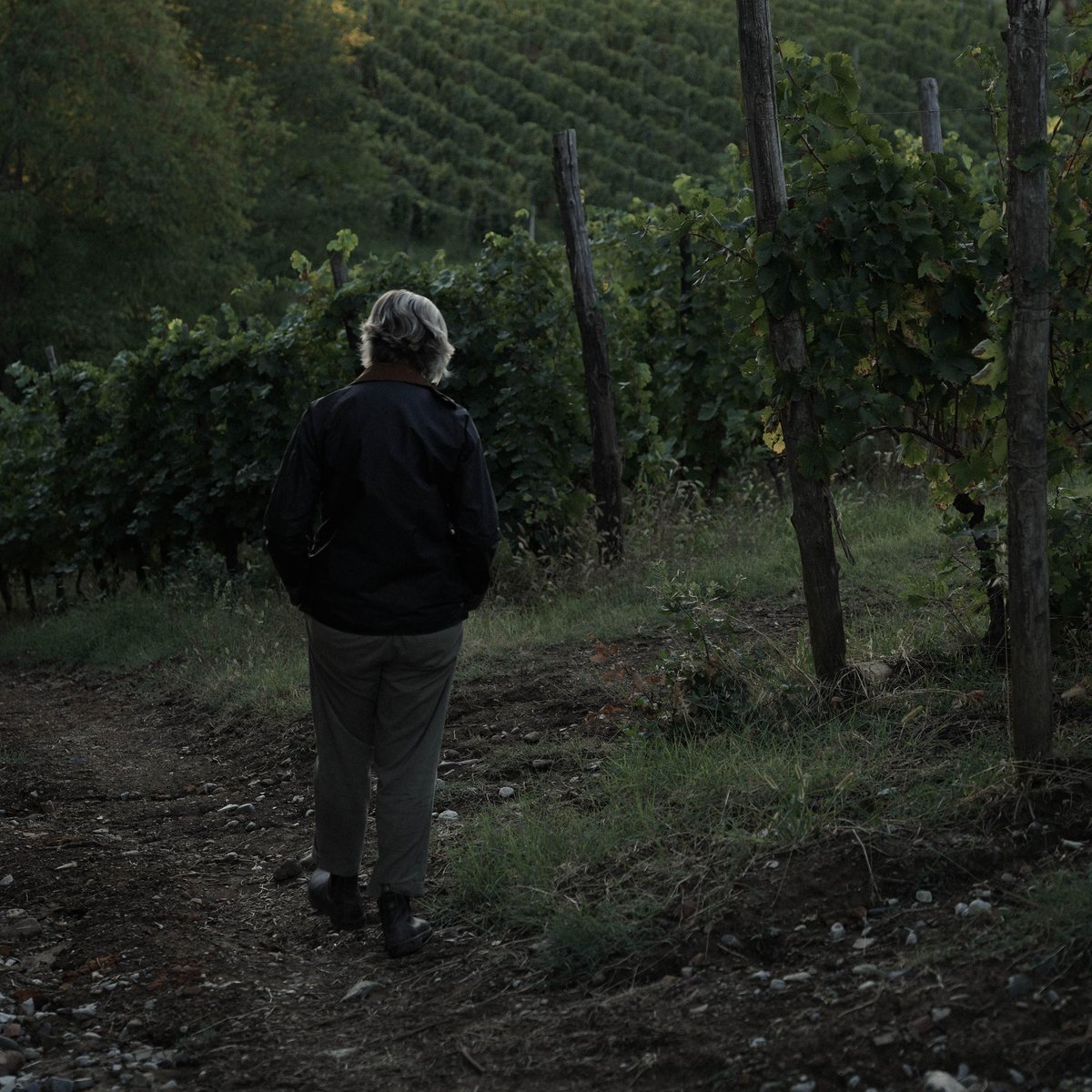
La Stoppa, a reference in Italian natural wine
This choice gave birth to one of the global references in natural wine. Today, La Stoppa is poured in top restaurants, imported to Japan, the United States, and wherever people are looking for wines that have something to say. Not despite the anonymity of the region, but partly because of it.
What happened is as much a decision of identity as it is of viticulture. In a market long dominated by appellations, where Bordeaux, Barolo or Sancerre act as guarantees, Elena Pantaleoni chose not to play that game. “I have always thought that I needed to give identity to my wines and my region,” she says. Not a borrowed identity. Her own.
Why La Stoppa’s model makes sense today
This choice resonates differently today. A whole generation of drinkers has grown up with the idea that pleasure can come from elsewhere: from an oxidative Jura, a cloudy Georgian orange wine, a grape variety no one knows how to pronounce. Fatigue with reassuring labels is real. The need for meaning and singularity too. Prestige alone is no longer enough.
Italy offers what Bordeaux, frozen in its 1855 classifications, can no longer truly offer: the freedom to reinvent what wine can be. Hundreds of native grape varieties, entire regions still untouched by commercial mythology. But it takes courage to explore them without a safety net.
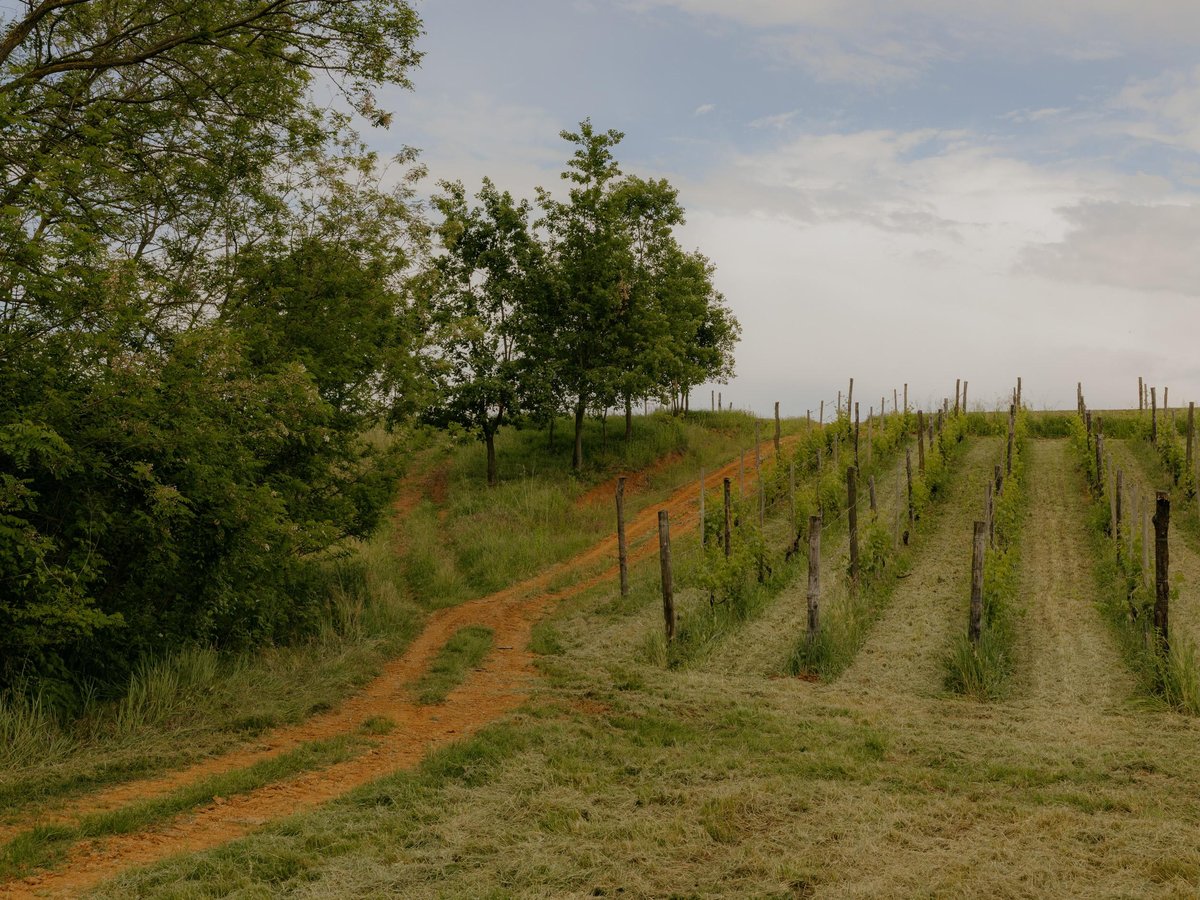
La Stoppa, a symbol of quiet resistance
Elena Pantaleoni made that choice thirty years ago. “I was probably not as aware of things as I am today,” she admits. The right decisions are sometimes made before we fully understand why they are right. It is a refusal to copy, a trust in the land, and the belief that a wine should first reflect where it comes from.
For natural wine, this is not just a cellar philosophy. It is a form of quiet resistance: preserving forgotten grape varieties, defending a taste biodiversity that the global market would have long sacrificed to Chardonnay and Cabernet Sauvignon. La Stoppa proves that this resistance can eventually become obvious.