Wine Fault: Cork Taint

March 28, 2024 - 0 comments

Wine Fault: Cork Taint


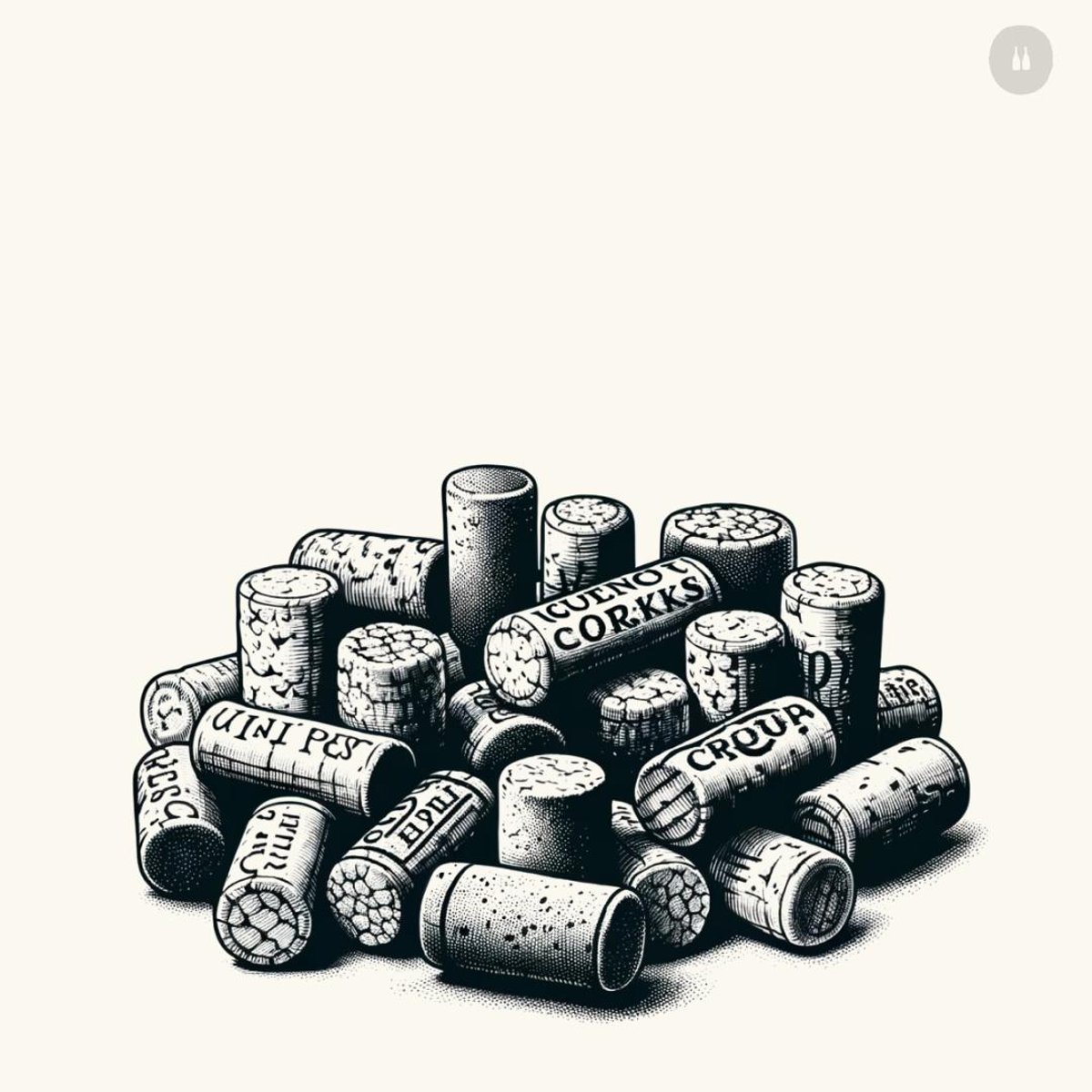
Cork taint, or the idea of a wine being ‘Corked’ scientifically known as TCA (2,4,6-trichloroanisole), is a common issue encountered in the world of wine, often resulting in unpleasant odors and flavors. This phenomenon occurs when natural compounds, usually fungus, found in cork interact with certain chemicals, such as chlorine-based cleaning agents, during the production process. The result is the formation of mould on the cork, which can affect the aroma and taste of the wine and yes even minimal intervention natural wines, can still get this problem from interactions with chemicals found in the winery or found on the tree from which the cork was made.

Imagine opening a bottle of wine and being greeted by a musty, moldy smell reminiscent of damp cardboard or wet dog. That's a telltale sign of cork taint. Additionally, the taste of the wine may be muted or dull, lacking the vibrant flavors that you'd expect.

While detecting cork taint is relatively straightforward, with its distinct off-putting characteristics, it's essential to note that not all affected wines exhibit the same intensity of TCA contamination. Some wines may only show subtle hints of cork taint, while others are unmistakably tainted.

To prevent cork taint from spoiling your wine experience, cork makers could implement stringent quality control measures during cork production to minimize the risk of TCA formation. Furthermore, storing wine bottles in a cool, dry environment can help mitigate the development of TCA over time.

For consumers, opting for wines sealed with alternative closures, such as screw caps, crown caps, synthetic corks, can offer a degree of protection against cork taint. 

It is important to note that Cork taint can happen to everyone, it is not a sign of bad quality wine. Sadly, it can happen that you open that special bottle you’ve been storing for years, and you find it’s corked. 



The fascinating world of natural wines!

At Raisin, we’re not just enthusiasts but passionate advocates for the unique stories and traditions behind each natural wine.

The natural wine movement is a beautiful blend of ancient techniques and modern innovation, inviting you to explore diverse flavours and experiences. We’ve curated a selection of articles that cover everything from the essentials of natural wine—like to insights on wine faults that can impact your tasting experience. Whether you’re a curious novice or a seasoned connoisseur, we invite you to dive into these resources.


Featured News About Natural Wine & Food

All you need to know about the natural wine movement and its savvy gastronomes.

Would You Leave the City, Move to Italy, and Make Natural Wine?
March 28, 2024
The latest natural wine spots to discover around the world! - April 2026
March 28, 2024
Wijngaard Lijsternest: Where Fungi Are in Charge
March 28, 2024
Natural Wine Fairs – May 2026
March 28, 2024
UNFINED Luxembourg — A Living Wine Fair at Cercle Cité
March 28, 2024
Today, the Raisin app turns 10
March 28, 2024
La Stoppa: What if the legal limit of volatile acidity no longer made sense?
March 28, 2024
La Stoppa: What if true luxury is a wine’s identity
March 28, 2024

ESTABLISHMENTS ARE RECOMMENDED THROUGH A STRICT CURATION PROCESS:

Natural wine is a key indicator to the best quality FOOD

Raisin guides you through the best bars, restaurants and wine shops with 30% minimum natural wine guaranteed .

WINE AND WINEMAKERS

Wine moderation process

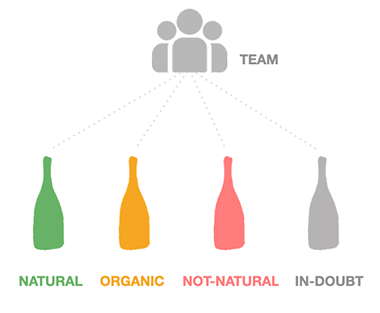
Our team screens, curates and references natural winemakers, all over the world.

FILTERING PROCESS

Estbalishements process

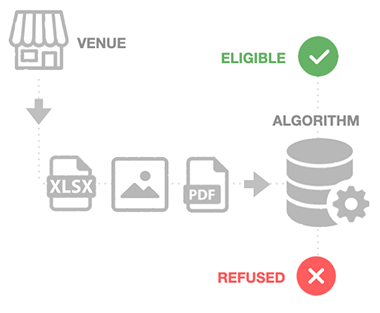
Based on wine lists, photos, & social media info. Our algorithm evaluates natural wine venues' compliancy, and our experts moderate.

All venues

Établissements recommandés : 30% min. de vin naturels.

We only include natural wine oriented establishments. 30% minimum natural wine in the offer is our promise.