February 10, 2026 - 1 comments
Les Maisons Rouges: when pigs replace tractors
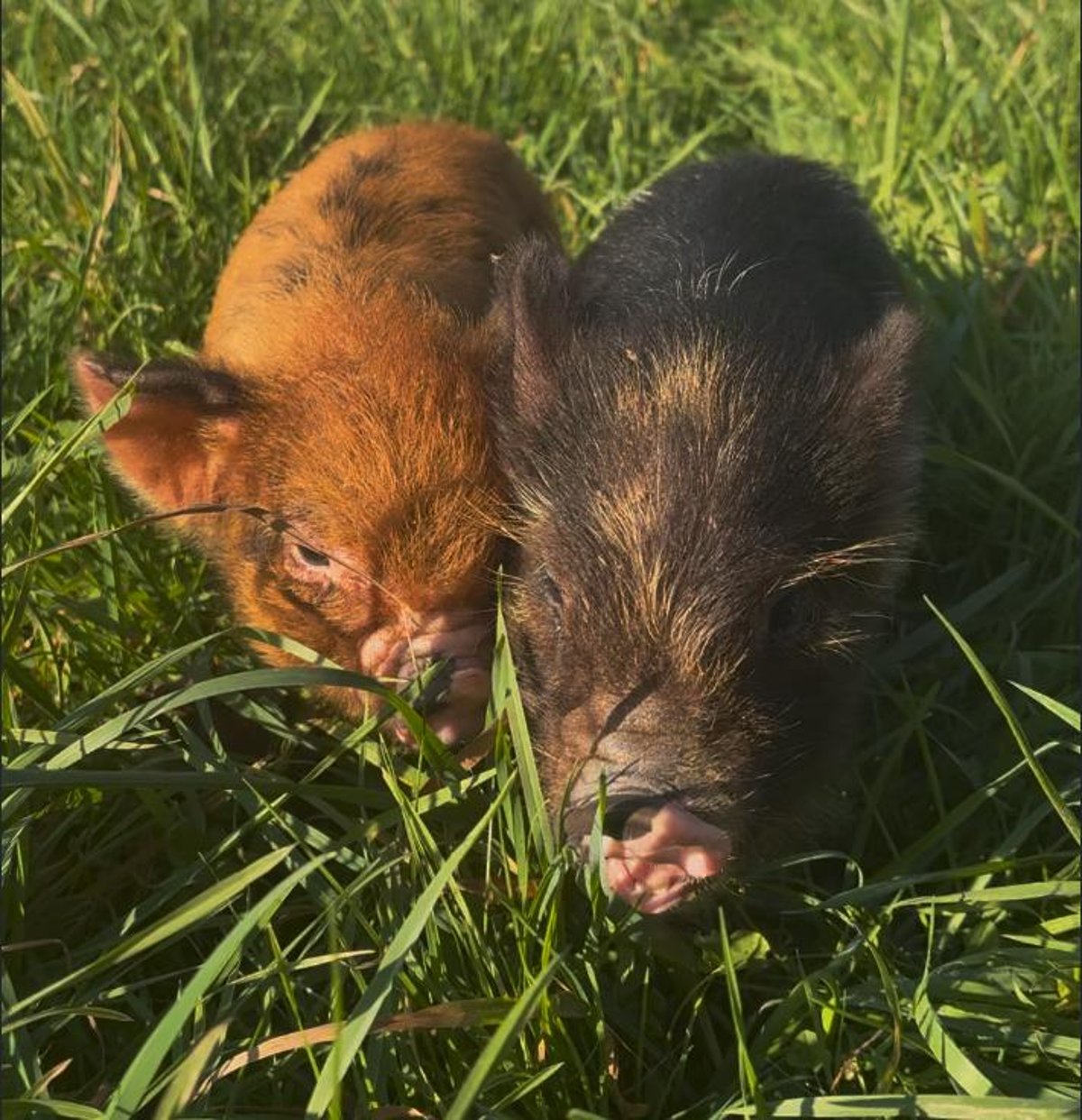
At Les Maisons Rouges, innovation doesn’t necessarily come from technology. Sometimes, it has four legs, a snout… and a name: the kune kune.
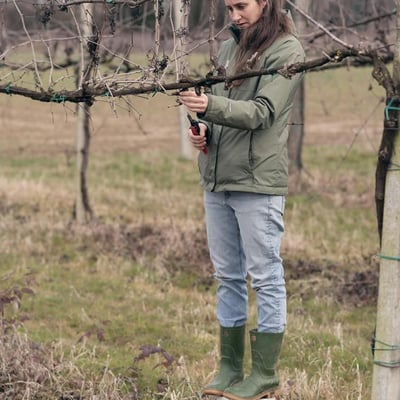
In its vineyards, the estate has long sought to preserve living, breathing soils rich in nitrogen. A particularly complex challenge in old, narrow parcels, where mechanisation becomes difficult or even counterproductive. Running tools to break up the soil or manage grass compacts the ground, exhausts teams, and can sometimes impoverish microbial life.
This year, the estate is trying a new approach: putting pigs to work.
Not just any pigs. Small kune kune pigs, a breed that cannot lift its head. Their morphology forces them to keep their snouts close to the ground: they eat grass and unwanted roots, lightly scratch the surface, and clean the parcels during winter, without ever touching the vine trunks. Unlike sheep, goats, or even small cattle, they don’t attack branches or bark once the grass is gone.
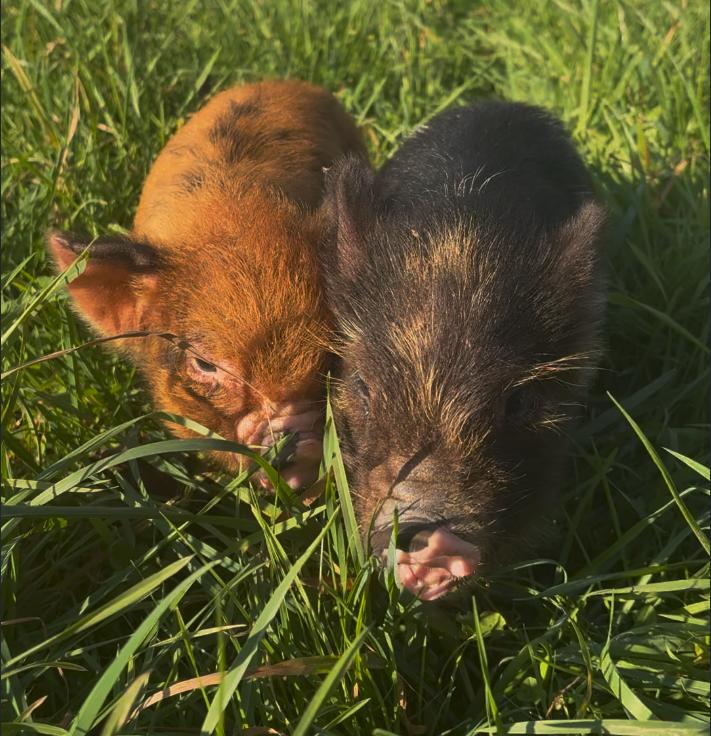
The idea is simple: move these vineyard pigs from plot to plot to limit tractor use, avoid soil compaction, and reduce part of the mechanical and human workload. A form of gentle, regenerative viticulture, almost self-evident when you see it in action.
Of course, everything depends on a delicate balance: the animals must be monitored, moved before they consume everything, and the process carefully guided. But for the Les Maisons Rouges team, the effort is worth it. Fellow growers already using this method report very convincing results.
At Les Maisons Rouges, this experiment fits into a broader philosophy: working with living systems rather than against them. Observing, testing, adjusting, and accepting that every solution takes time.
As always on the estate, nothing is set in stone. The team plans to evaluate the effects of this practice on soil structure and vine vigour before drawing any final conclusions. But one thing is certain: here, agriculture moves forward through curiosity, humility… and sometimes thanks to a few well-inspired pigs.