October 30, 2025 - 1 comments
DO Penedès: The first 100% Organic Appellation | Catalonia 2025
With the 2025 harvest, this Catalan region achieves a historic milestone by becoming the first Denomination of Origin (DO) to be entirely organic, a model proving that a more forward thinking kind of viticulture is possible.
The Penedès DO has achieved what many thought impossible: converting all its vineyards to organic farming. With the 2025 harvest onward, all wines under this Catalan DO are made exclusively from certified organic grapes, making Penedès the world’s first 100% ecological wine appellation.
This is not a publicity stunt. It’s the result of decades of collective work led by winegrowers committed to producing quality wine without harming the environment or exposing people to pesticides. That’s truly excellent news.

1978: When a Visionary Winegrower Paved the Way
The story begins in 1978, long before “ecology” became a trend. Josep Maria Albet, a winegrower from Sant Pau d'Ordal, received a fax from Denmark requesting organic wine. At the time, few in Spain even knew what that meant, but he decided to try.
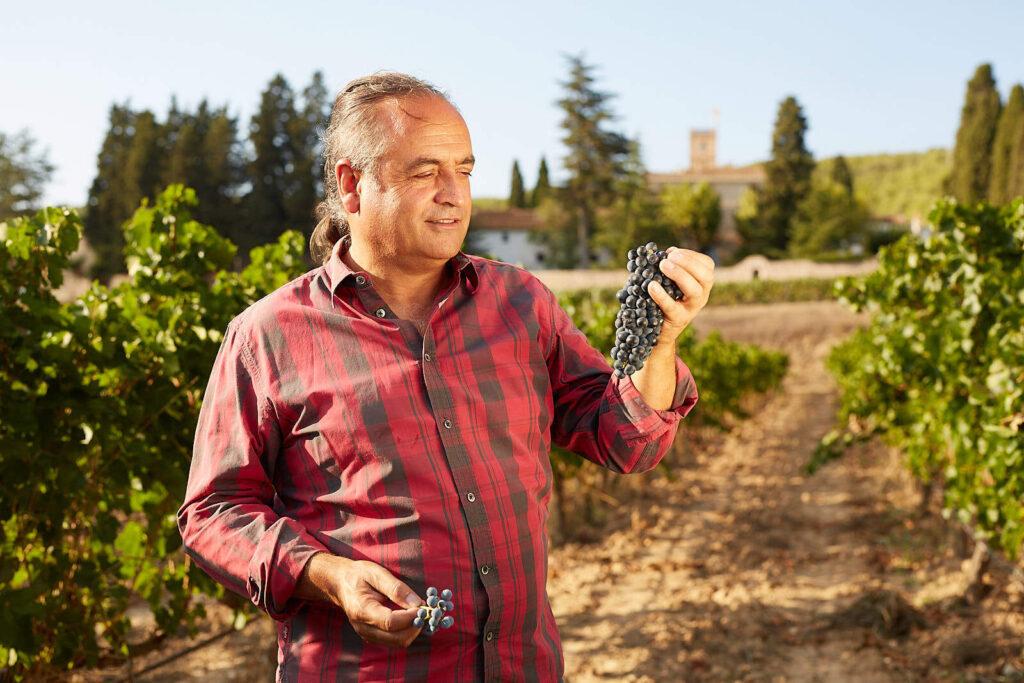
This 100% organic Tempranillo from the Ordal mountains became Spain’s first organic wine. “47 years ago, nobody knew what organic wine was,” recalls Josep Maria Albet. Today, his Albet i Noya winery is an international benchmark and has even earned B Corp certification for its social and environmental impact.

This pioneering choice helped create a local culture of respectful viticulture. “In DO Penedès, we’ve always had a connection with organic wines, even before it became a topic,” explains Joan Huguet, president of DO Penedès and owner of the Can Feixes estate.
A Participatory Plan to Move Away from Chemicals
In 2020, amid the pandemic, the Regulatory Council of DO Penedès made a bold decision: to ensure that all wines from the 2025 harvest would come from organic grapes. Ambitious, but achievable, many estates had already begun the transition.
The 2021–2030 Strategic Plan was drawn up collaboratively with winegrowers, wine merchants, restaurateurs, distributors, and consumers. Its primary focus: care for the land and sustainability, with emphasis on organic and regenerative farming, the fight against climate change, and preserving biodiversity.
Five years later, the goal has been realized. The 130 estates within the DO, producing 15 million bottles annually, now work exclusively with grapes certified by the CCPAE (Catalan Council of Organic Agricultural Production) under the European organic label.
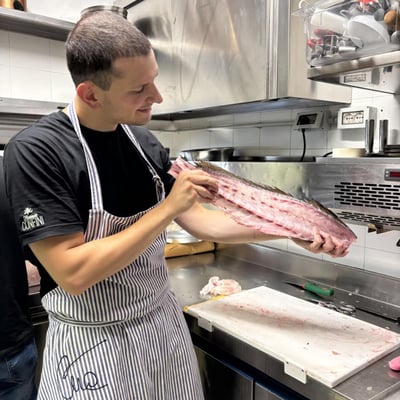
The official presentation took place in Barcelona, attended by Joan Huguet, Joan Gené (Director General of INCAVI), Enric Ferré (President of IGP Gall del Penedès), sommelier Ferran Centelles, and chef Oriol Llavina. The event coincided with the year Catalonia was named World Region of Gastronomy.
A Land Made for Ecology
Penedès spans 5,000 hectares of certified land under the DO, located across the comarques of Baix Penedès, Alt Penedès, Garraf, Baix Llobregat, Anoia, and Alt Camp. It is also the region with the largest area of organic vineyards in Catalonia.
“We have a perfect climate for growing organic grapes,” notes Joan Huguet. Unlike other wine regions, Penedès’ Mediterranean climate features moderate rainfall and low humidity, naturally reducing the pressure of fungal diseases such as powdery and downy mildew.
This year, abundant rainfall has contributed to one of the best harvests in recent memory, despite a delayed harvest and occasional storms. Both quality and quantity are excellent.
What Does “Organic” Actually Mean?
Working an organic vineyard means cultivating it in harmony with nature. Specifically:
Banned:
- Synthetic chemical fertilizers
- Chemical pesticides
- Herbicides
Used Instead:
- Manure and compost as natural fertilizers
- Sulphur and copper (in limited doses) to control disease
- Sexual confusion techniques to combat pests such as Lobesia botrana
- Biodiversity as a natural regulatory tool
- Weather stations to anticipate infection risks
Wines are certified and audited by CCPAE, ensuring compliance with European regulations. More than 60% of Penedès wines are organic throughout their entire production, keeping sulphite use to an absolute minimum.
A World First, But Not Alone
Penedès claims the world’s first 100% organic DO, and the facts support this. Yet this transition isn’t isolated—other European appellations are following similar paths, creating promising momentum.
In France, Les Baux-de-Provence became 100% organic in 2023, following a winemaker-driven approach. In Corsica, the Patrimonio appellation is moving decisively in the same direction, with many estates already certified; AOP Corse Calvi is close behind.

In Italy, the Calabria pioneered the ban of glyphosate as early as 2016, while Valdarno di Sopra DOC in Tuscany aims to establish full organics in its regulations, though for now, it remains an aspiration.
Each region has its own rhythm, context, and challenges, but all converge on one truth: the future of quality viticulture depends on abandoning synthetic chemicals. Penedès, with its 5,000 certified hectares and 130 committed estates, simply crossed the finish line first.
Beyond Organic: the horizon of natural wine
But Penedès doesn’t stop there. Going 100% organic is a major step, one that protects soils, residents, and biodiversity. It means saying no to synthetic pesticides, herbicides, and chemical fertilisers. That’s already huge.
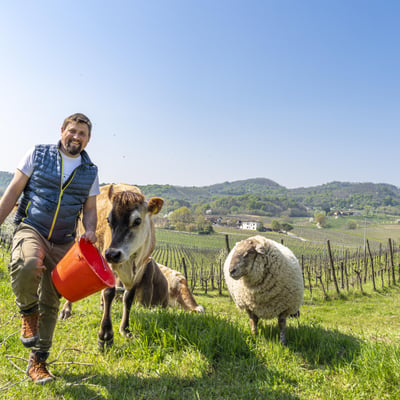
However, some winemakers go even further. They practise biodynamics, integrating the entire ecosystem (plants, animals, humans) and natural cycles into their vineyard work. ☄️
Other pioneers adopt regenerative agriculture: maintaining plant cover under vines to capture CO₂, regenerating soils after decades of ploughing, reducing emissions, and producing renewable energy.
Albet i Noya is pushing innovation even further by planting the first resistant xarel·lo vineyard in Penedès, the result of 13 years of research under the VRIAC project. “It’s a giant step towards more sustainable viticulture,” says Josep Maria Albet, who collaborates with Valentin Blattner, Josep Maria Pujol-Busquets, and Josep Piñol.
These resistant varieties drastically reduce the need for treatments, even organic ones. Because intensive copper or sulphur use, though permitted in organics, also raises long-term environmental concerns.
Beyond organic and biodynamics, there’s another level: natural wine. This approach focuses on the vineyard and cellar: no additives, spontaneous fermentation with indigenous yeasts, and minimal or no sulphur, letting the wine truly make itself, as it did before industrialization.
Several Penedès estates already follow this philosophy, combining certified organic viticulture, natural winemaking, Mediterranean terroir, and a total rejection of synthetic chemistry.
The Cost of Transition: Reasonable
Contrary to popular belief, organic grapes are only moderately more expensive—15–25% higher than conventional grapes. The highest-quality grapes sell for around €1 per kilo, compared to €0.50 for large companies and €0.40 for cooperatives. “We could never have done it without the commitment of thousands of winegrowers,” admits Joan Huguet. “Wine tastes better without chemicals. The land matters, and we must respect it.”
A Concrete Response to Climate Change
After three years of severe drought, Penedès recognizes that adaptation is essential. Organic farming enhances soil resilience, improves water retention, and fosters microbial life. “More than 2,700 years of winemaking heritage have taught us to adapt,” says Joan Huguet. “Now we must listen to the vine and respect it to continue making wine.” This philosophy contrasts with intensive agriculture, which depletes soils and exposes communities to pesticides. As the French PestiRiv study showed, residents near conventional vineyards experience 60% higher pesticide exposure during spraying, with children being the most vulnerable.
International Recognition
Penedès’ pioneering approach has earned prestigious awards:
- Lifetime Green Achievement Award (The Drinks Business, 2023)
- Environmental Excellence Award (Premios Ecovino, 2025)
“We’re leading a wave of ecological DOs,” says Joan Huguet. “We want organic grapes to become the signature of Mediterranean wine, because this is where the best wine is made and where viticulture began.” Josep Maria Albet adds: “It’s a clear advantage as climate change rises and organic wine gains popularity. It’s an achievement we can build on for years.”
A Model to Follow
Penedès proves that 100% organic viticulture at a DO scale is not a utopia but an economically viable reality. This transition demonstrates that it is possible to combine:
- Millennia-old tradition and sustainable innovation
- Exceptional quality and environmental respect
- Economic profitability and social responsibility
In the face of climate emergencies and public health challenges, Penedès sends a clear message: the future of wine lies in sustainability, which begins in the soil with the definitive abandonment of synthetic chemicals.
Other Catalan DOs, such as Alella or Bages, may soon follow. Across Europe, the Penedès model demonstrates that it can be achieved.
Discover Organic Wines with Raisin
Good news for Spanish-speaking wine lovers: Raisin has launched its app in Spanish! Now you can explore the world of organic, biodynamic, and natural wines, including those from Penedès, in your own language.
With Raisin, you can:
- Scan any label to access detailed wine information instantly
- Identify organic, biodynamic, and ecological wines using dedicated filters
- Receive personalized recommendations based on your taste and values
- Discover committed estates practicing sustainable viticulture like Penedès
- Learn about regions, grape varieties, and winemaking methods that respect the environment
- Create a digital cellar and track your wine discoveries
Whether in Spain, Latin America, or elsewhere, Raisin helps you make informed choices and support viticulture that respects the land, winegrowers, and consumers.
Download Raisin in Spanish now and join the community of sustainable wine lovers.