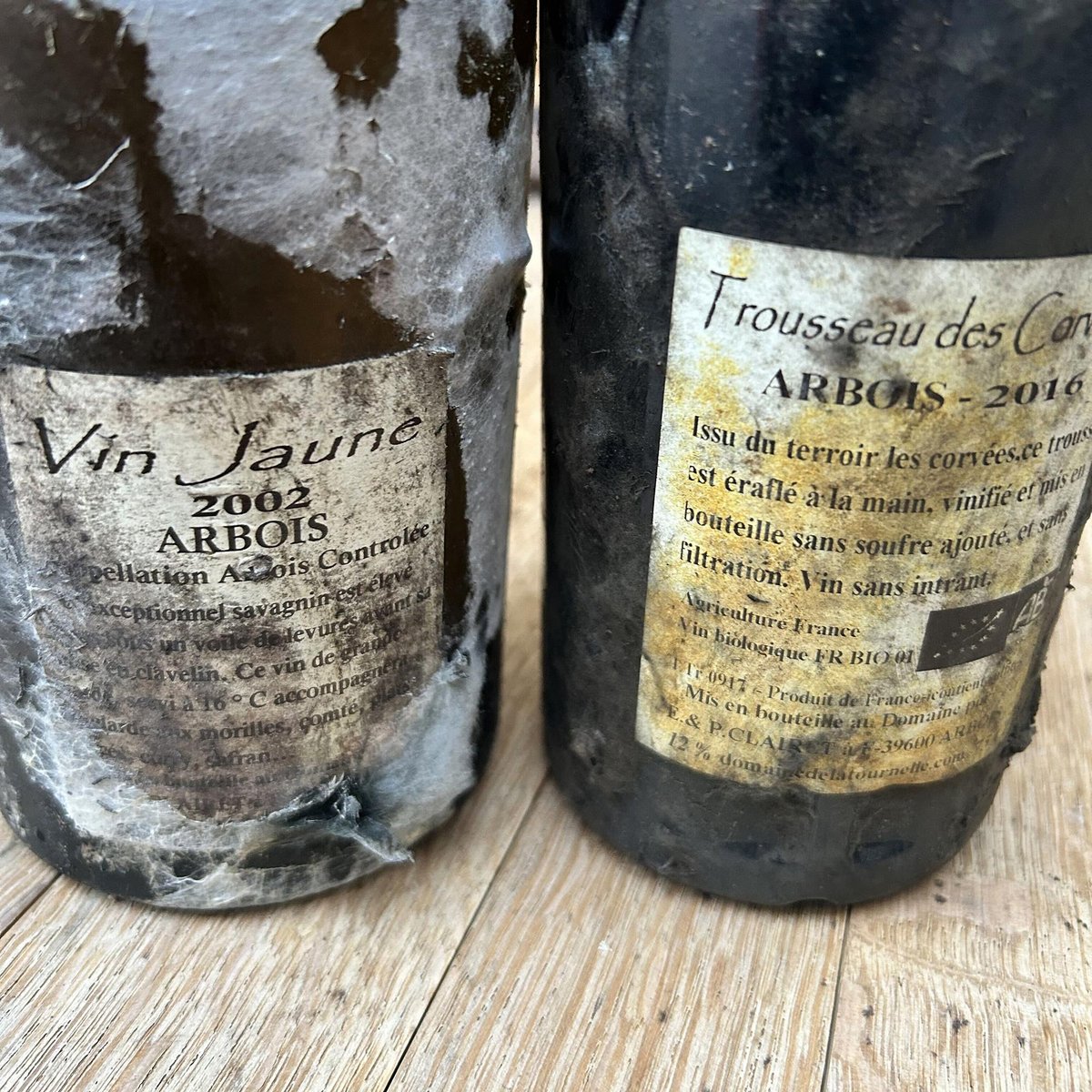
November 05, 2026 - Featured Winemaker - No comment
Domaine de la Tournelle: training vines to climb in the face of a changing climate
Evelyne Clairet grows her vines in Arbois,Jura. She puts it simply: The challenge is no longer selling wine. It's growing the grapes to make it.
Global warming is changing the rules. In the Jura, frost and drought can strike in the same year. Adapting is essential.
Protecting the vines all year round
When frost threatens, Evelyne Clairet does not rely on candles lit at dawn. They only offer protection in the moment. Yet that protection remains valuable: in spring 2026, hundreds of winegrowers lit candles and switched on frost fans across the vineyards.
She prefers to change the way the vines are trained. The work takes place from January to December.
Her idea is simple. A strong vine is more resistant. She compares it to us: when we are run down, we catch everything. When we are healthy, we can defend ourselves.
So she makes her vines more resilient.
Training higher, braiding, and no more hedging
In practice, vine training changes in three ways.
The vines are trained higher. The bunches sit a little further above the ground.
She stops trimming the tops of the vines. Without it, the vine returns to its natural climbing habit.
The shoots are woven together. The canopy grows taller and denser. It is time-consuming, physical work that very few winegrowers still practise. In return, it reduces the need for interventions during the season.
This foliage also protects the bunches from the sun during scorching summers. The same approach can be found at Château Beauséjour in Bordeaux: when temperatures reach 43°C, keep as many leaves as possible, with no hedging during the heatwave.
Keeping the Jura’s grape varieties
Many winegrowers are considering planting other grape varieties. Evelyne Clairet is taking a different path. Her fight is to preserve indigenous varieties by adapting growing methods rather than changing the plant material.
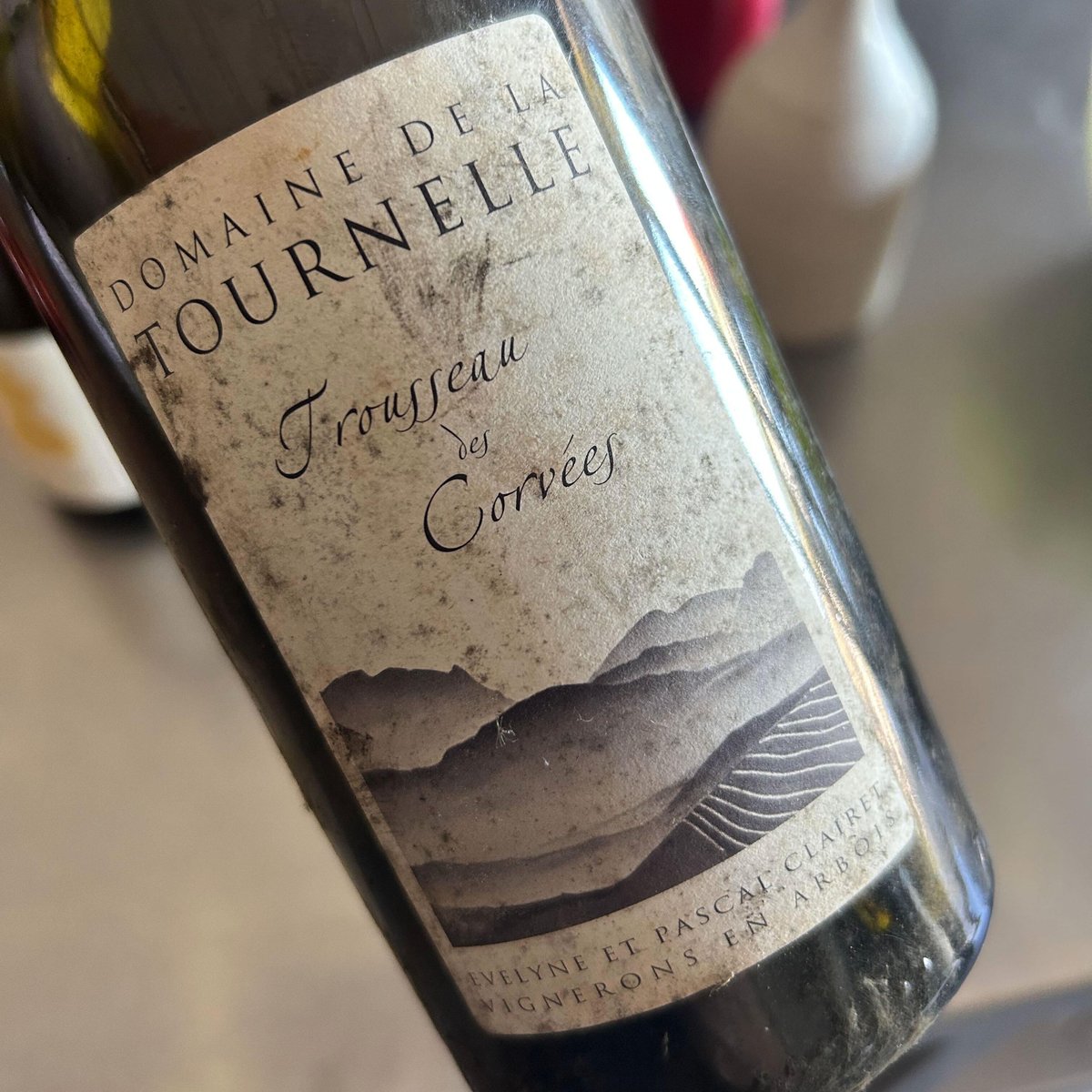
The estate grows Chardonnay, Savagnin, Trousseau, Ploussard, Petit Béclan, Pinot Noir and Syrah. New plantings use mass selection, taking material from old vines in the plots rather than using clones.
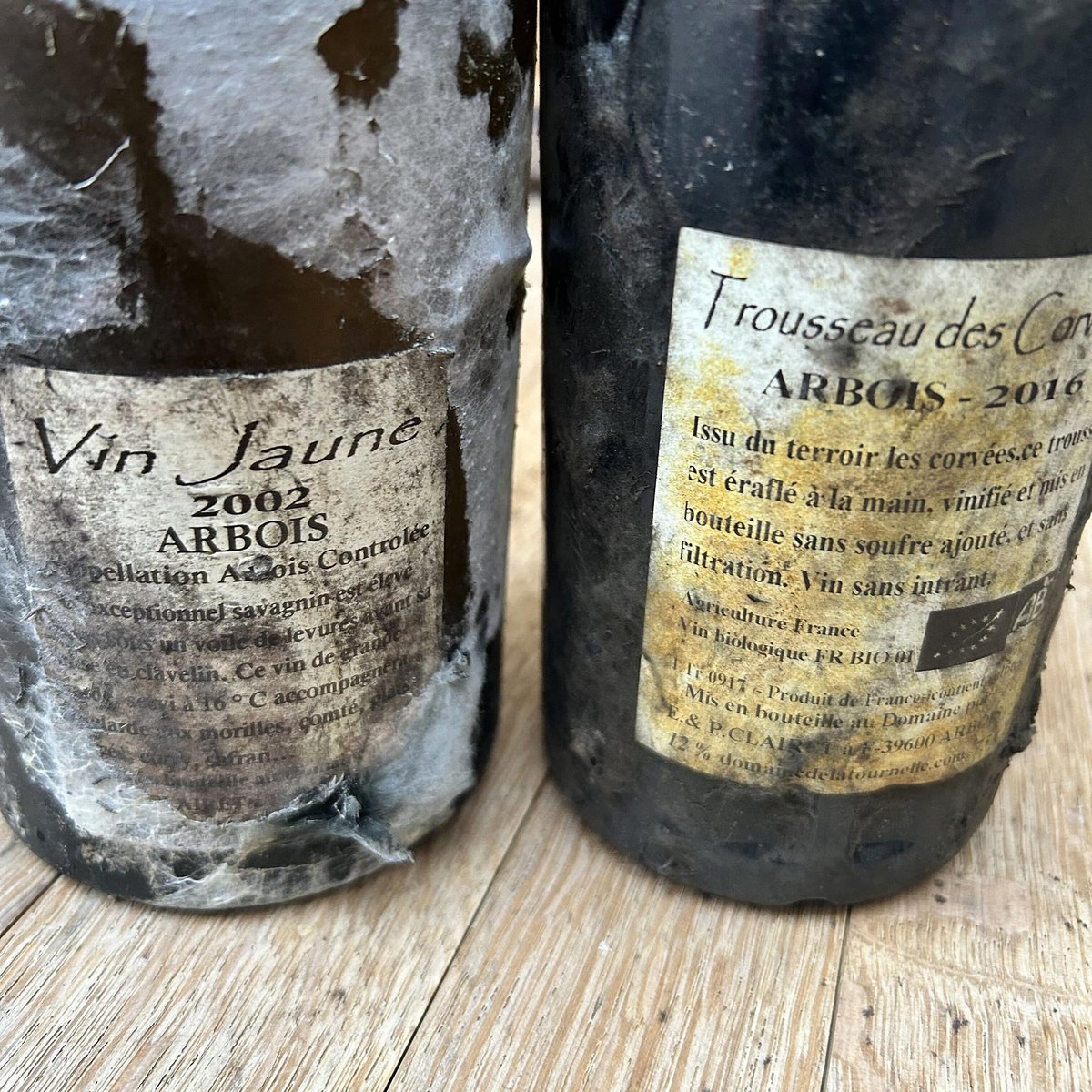
Evelyne Clairet and Domaine de la Tournelle
In Arbois, Evelyne Clairet works with precision, by hand. The estate makes wine exclusively from its own grapes. It buys neither grapes nor wine.
The soil is worked by hand with a hoe and ploughed, without chemical herbicides. Alternate rows are left under grass, while the others are ploughed. Grass, she points out, is the number one enemy in organic farming. Soil amendments are organic: composted horse manure, every three years. Bordeaux mixture, sulphur, silica, horn manure and other biodynamic preparations complete the work. The estate has been AB-certified organic since 2010.
The vines are pruned short, using single or double Guyot. The aim is around 40 hectolitres per hectare, striking a balance between vegetative growth and production.
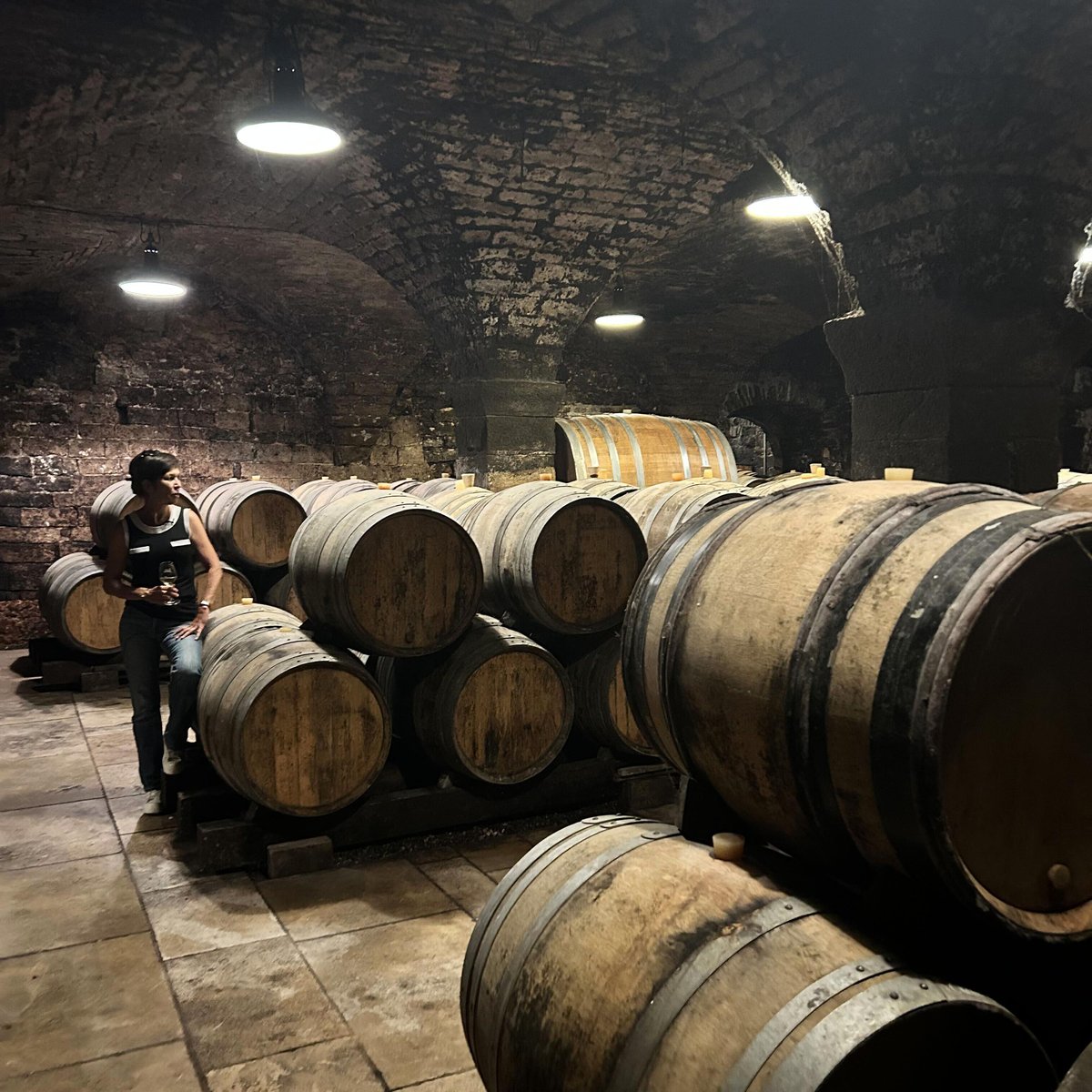
Harvesting is done by hand, in 20 kg crates. Careful selection begins in the vineyard. The grapes are gently pressed in whole bunches. Fermentation relies on indigenous yeasts. Vinification takes place without SO₂. The wines are aged in wood on their fine lees, with no new oak, in cool, vaulted cellars. They are bottled without filtration or added sulphur.
She sums it up like this: grow ripe, healthy grapes, so there is no need to add anything afterwards.