April 08, 2026 - Featured Winemaker - No comment
Aldo Viola: "Making wine is a balancing act."
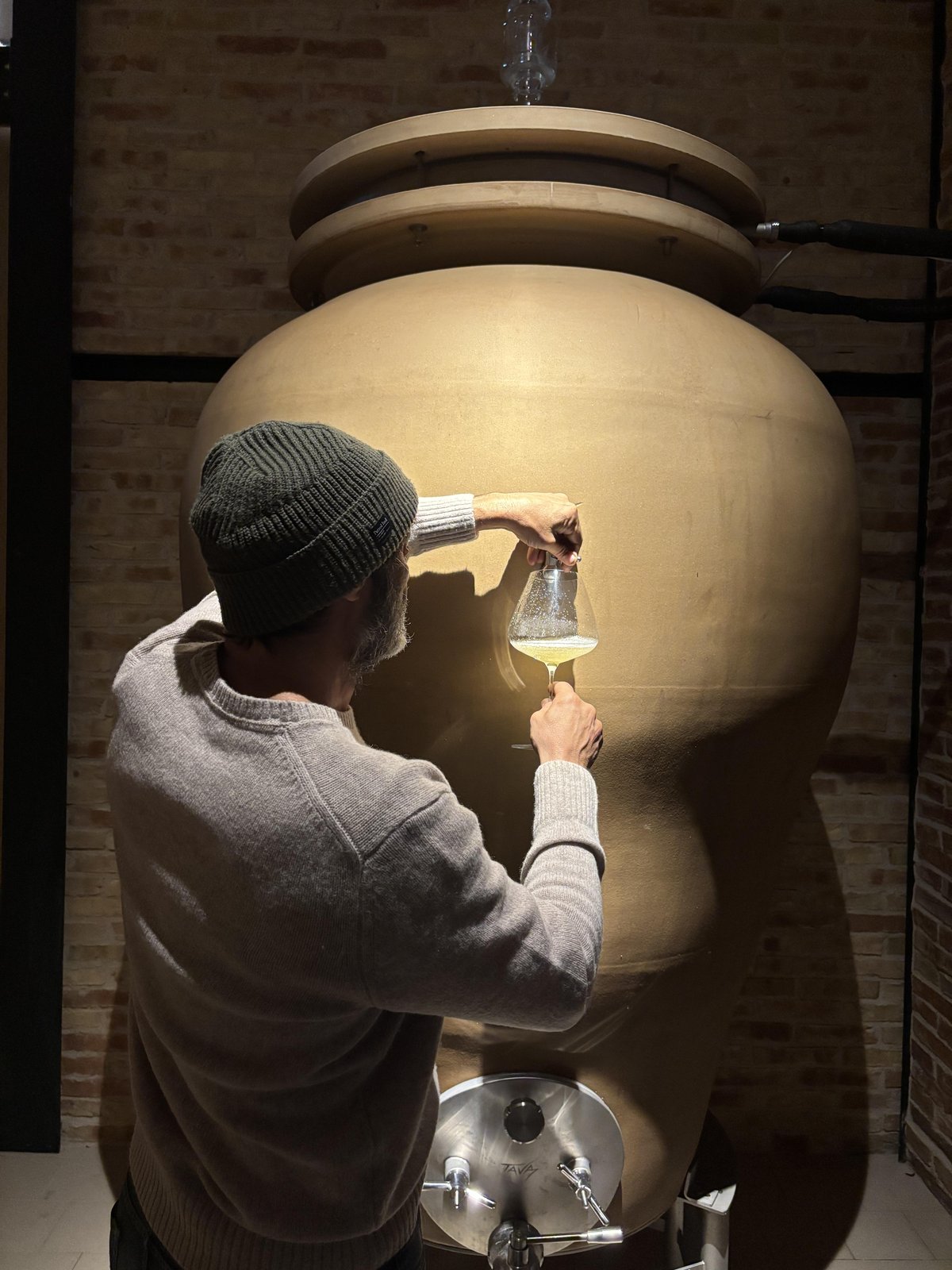
The Aldo Viola estate stands beneath the bright sunshine of Sicily, near Alcamo. Freshly back from an intense trip to Rome, the winemaker opens the doors of his cellar to us. From the very first exchanges, we understand that here, making wine is not just a matter of technique. It is a story of bloodline, of life choices, and, as Aldo likes to remind us, of a balancing act.
The generational conflict and the call of the land
The history of the estate, whose first vintage dates back to 2001, is above all a story of a turbulent family succession. The son of a winemaker, Aldo grew up in the vineyards, but his early career was marked by a rift.
His father, an enforcer of local tradition, outright refused to vinify anything other than white grape varieties. Faced with this deep disagreement, Aldo decided to walk away from it all. For six years, he left Sicily behind, traveling between India and Thailand. These “hippie” years would shape his worldview and, later, that of his wines: a quest for harmony and pure energy.
It was ultimately a call from his father that brought him back. His father had just found the perfect plot of land to finally make... red wine. Today, at 91, his father still roams the vineyards and gives his son advice.
The legacy of several lives
For Aldo, taking over the family estate isn’t just a simple transfer of land; it’s inheriting an invaluable rural heritage.
Aldo Viola. "The work of many people and many lifetimes, you can feel it in the wine. You can do all the experiments you want, but you know what works thanks to the knowledge acquired through these lives dedicated to the same plot of land. It is this wisdom, passed down from father to son, that allows you to make wines of a certain caliber."
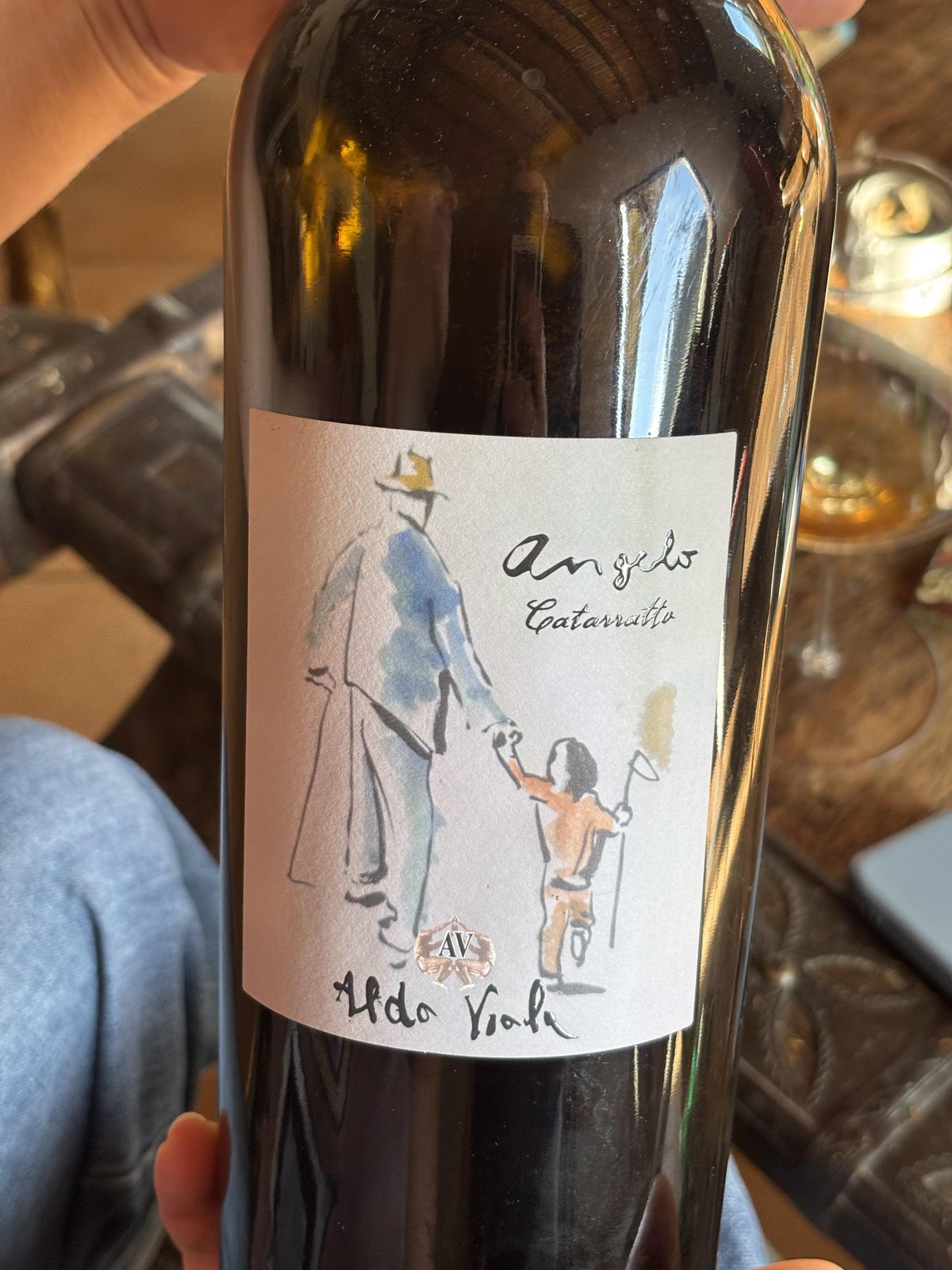
This notion of transmission can be found right down to the bottle. One of the cuvées we are tasting, a Catarratto from a solar vintage (2023), bears the name of Angelo, his own son. A way of linking the grandfather's past to the future of the new generation.
Delicacy as a philosophy
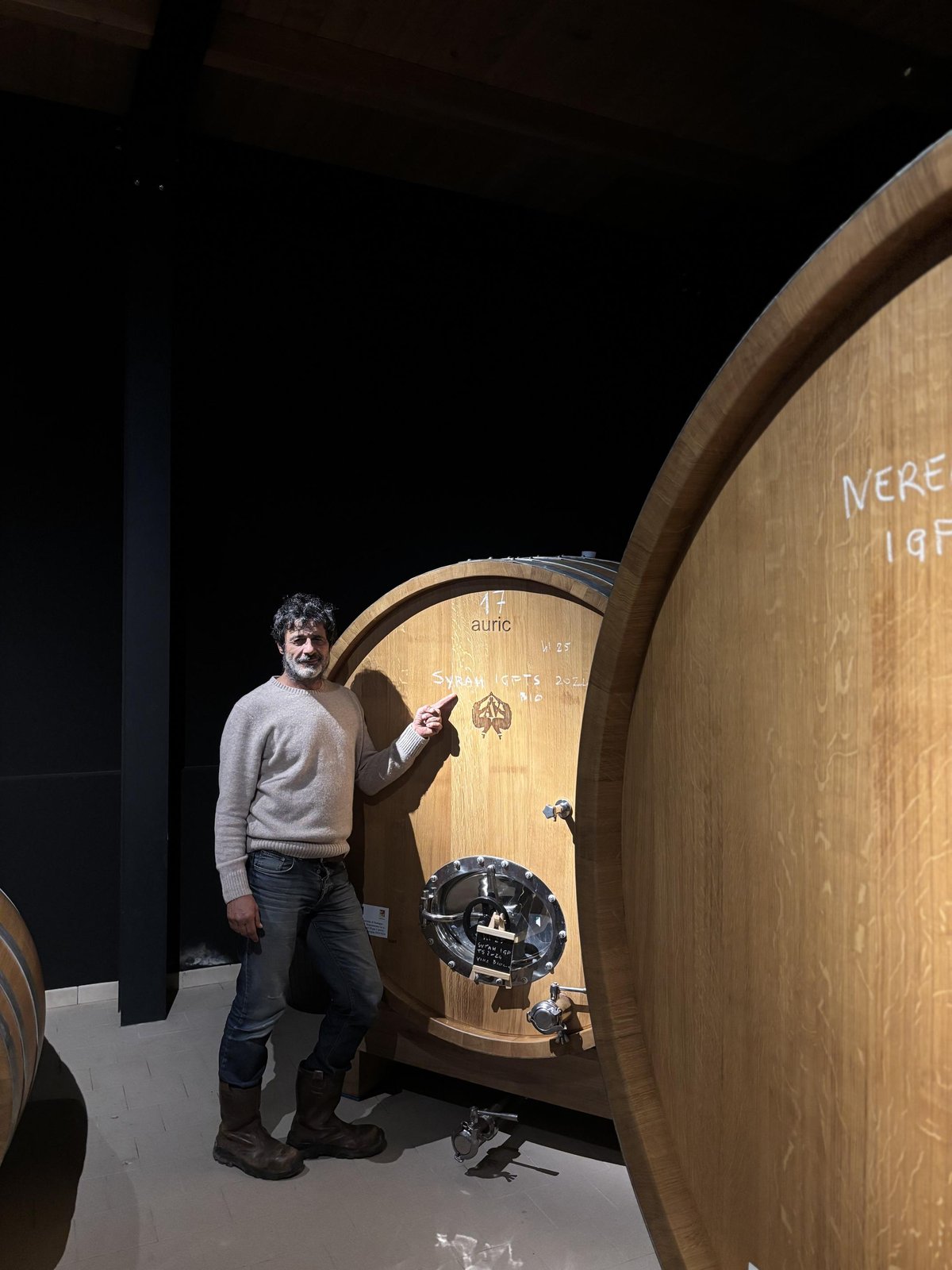
Rather than talking about complex winemaking, Aldo prefers to use everyday imagery to explain his vision. Faced with the often overly powerful and full-bodied wines found in Sicily in the 90s—a time when the industry was pushing international grape varieties like Syrah to appeal to the market—he chose the path of delicacy.
Aldo Viola. "It is like an infusion. If you let a tea bag steep gently for two minutes, you get something very fine. But if you squeeze the bag hard, bitterness comes out. Wine is the same. We seek elegance, not violence."
The price of freedom
Making bold, personal choices, however, comes at a cost. Aldo speaks candidly about the sometimes brutal reality of being a natural winemaker, particularly amid economic fluctuations or the sudden loss of certain foreign markets.
Aldo Viola. "You start in a garage, you do things out of passion, and the main ingredient is love. But after a while, love is not enough. You can't live on love alone; you also have to feed yourself. When your freedom of expression no longer aligns with some of your customers, that freedom ends. So, who pays for that freedom? It is a utopia, but we continue to do it because we are the first consumers of our own wines."
Never hiding behind the "natural" label
To protect this dearly acquired freedom, Aldo arms himself with absolute rigor. While he stands by his uncompromising, zero-additive approach, he categorically rejects the idea that a natural wine can excuse faults.
Aldo Viola. "Today, we have examples of natural wines that work very well, that are clean and precise. We must break the cliché of faulty natural wine. The approach must never justify a bad result."
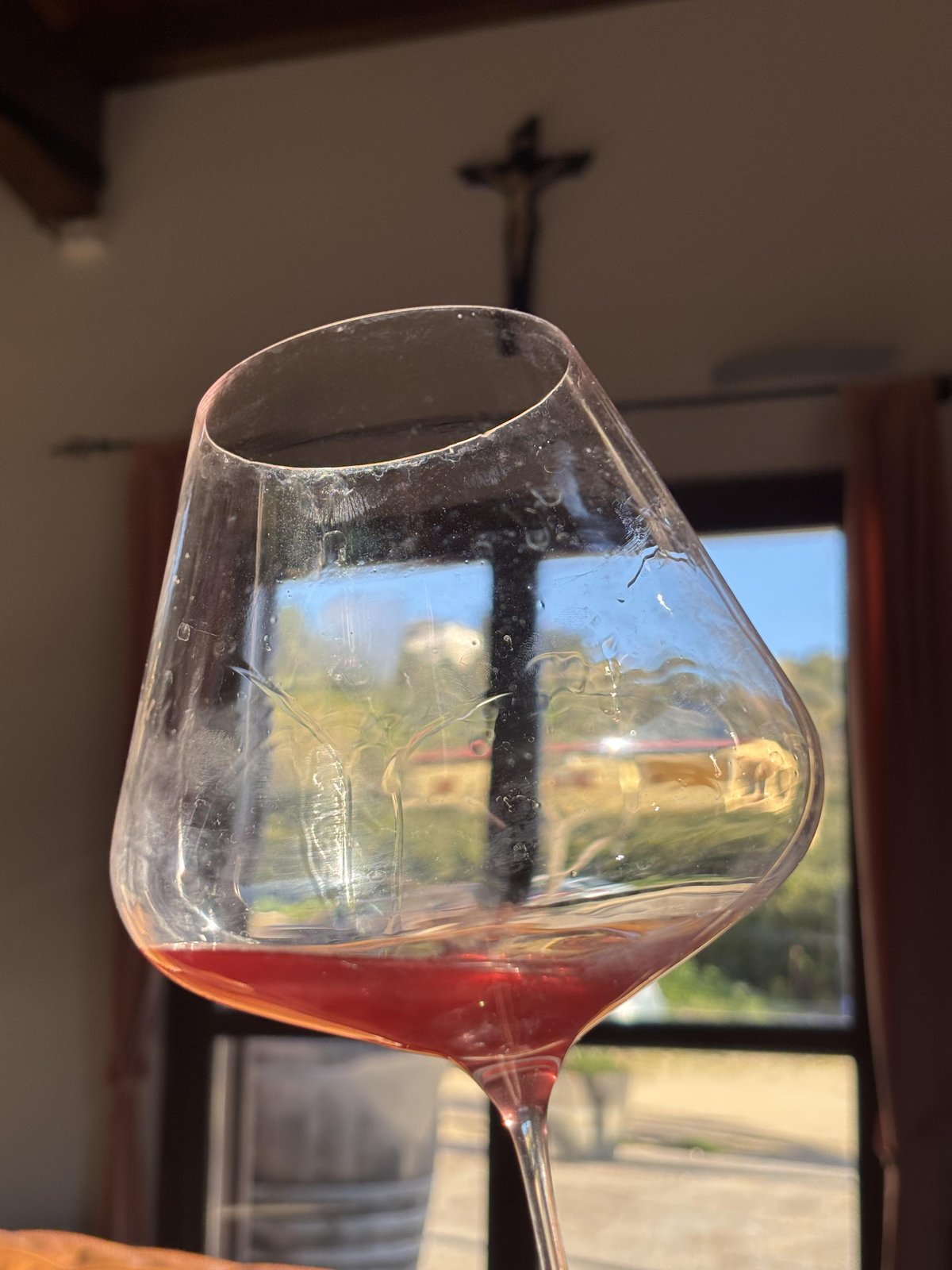
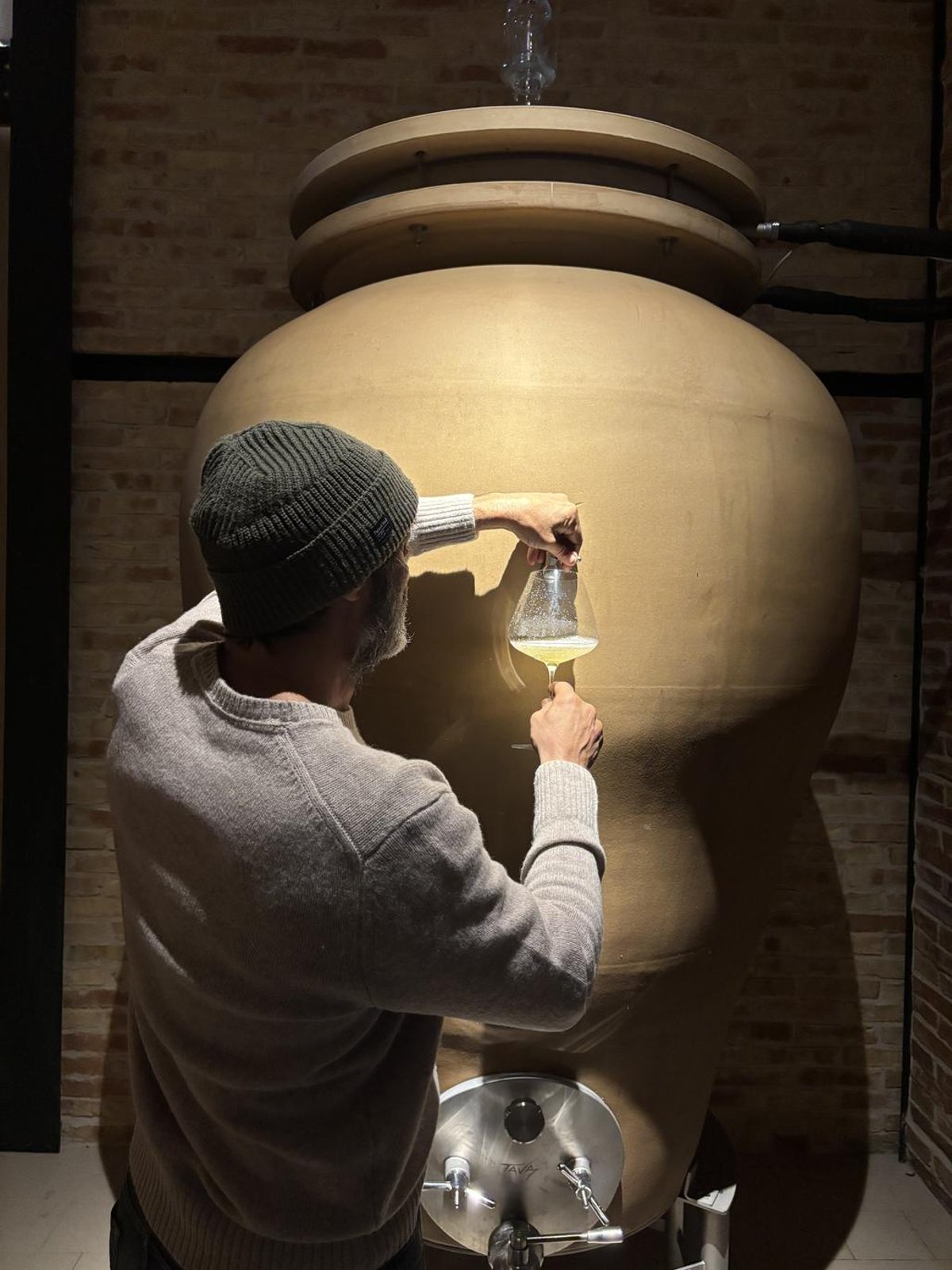
It is with these words and over a glass of 2025 Nerello Mascalese straight from the vat —a saignée red of invigorating lightness—that our visit comes to an end. Behind the intensity of the Sicilian sun, Aldo Viola's balancing act proves that nature, when accompanied by rigor, offers its very best. And he reminds us that at the bottom of the glass, a great natural wine will always be the embodiment of a deeply human story.