3 1 9476 KM
The story of Vinaio 98.3 began in 2003 when Nanda, an agronomist and passionate about regenerative agriculture, planted her first vineyard of approximately two hectares of Sangiovese, Merlot, and Montepulciano grapes on the outskirts of Maremma, overlooking the sea. Over the years, she has harvested healthy, high-quality grapes, experimenting with the production of wine without added sulfites.
In 2021, with the participation of the children, the Vinaio 98.3 winery was born and the first bottles were bottled.
Convinced of the enormous importance of practicing agriculture while remaining intimately connected to our surroundings and the unique characteristics of our land, we produce grapes using organic and regenerative methods to transform them into "sincere" wines.
For us, farming means adhering to the laws of nature, gaining experience through observation, and using modern technologies sensibly and with respect for our surroundings.
Conventional agriculture has forgotten the relationships that unite the soil with microorganisms and plants.
Many farmers are always concerned with plants and not with the Earth, forgetting that only a living and healthy organism can generate another equally living and healthy one.
The vineyard currently covers approximately 2.5 hectares with a density of 4,400 vines per hectare and Guyot pruning. It is located in Tarquinia, not far from the sea, and the soil is fertile and medium-textured.
We cultivate our historic grape varieties: Sangiovese, Merlot, and Montepulciano. We are also planting new whites: Trebbiano, Greco, and Malvasia Puntinata.
We like to define our wine as fermented grape juice: fermentation is spontaneous, with no additives or filtration. Our harvest, which is exclusively manual, is carried out respecting the ripeness of the different grape varieties. As soon as the grapes are harvested, they are brought to the cellar, destemmed and crushed, and the resulting must is poured into steel vats where it begins to ferment thanks to the presence of indigenous yeasts.
No orange wines at the moment.
No sparkling wines at the moment.
FIND THE EVENT YOU ATTEND
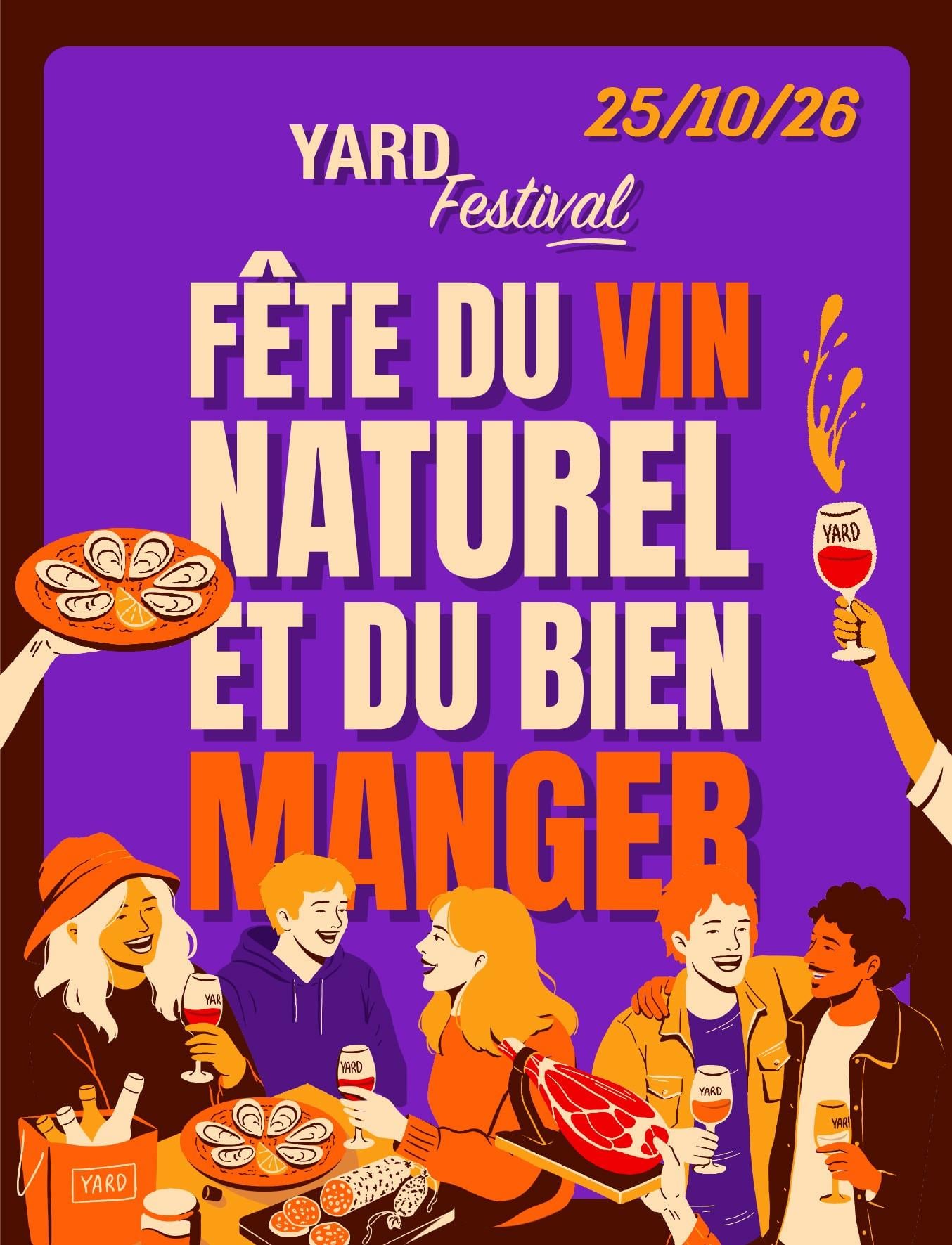
Sunday October 25
Paris
6492 KM
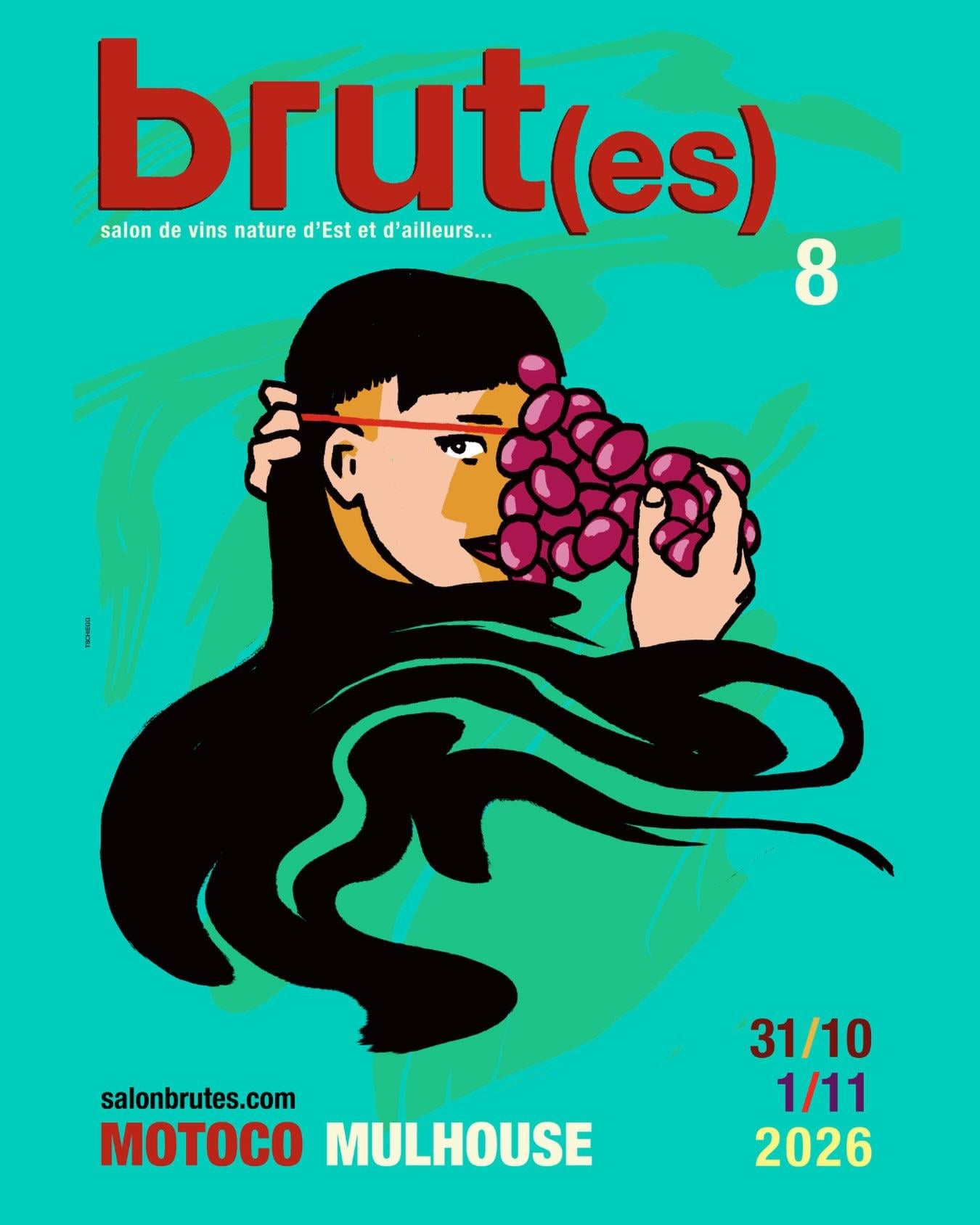
Saturday October 31 - Sunday November 01
Mulhouse
6872 KM

Saturday October 31 - Sunday November 01
Mulhouse
6872 KM

Monday November 02
Lille
6450 KM

Sunday November 08 - Monday November 09
Turin
7047 KM
Tuesday October 20
HamburgGermany
6722 KM
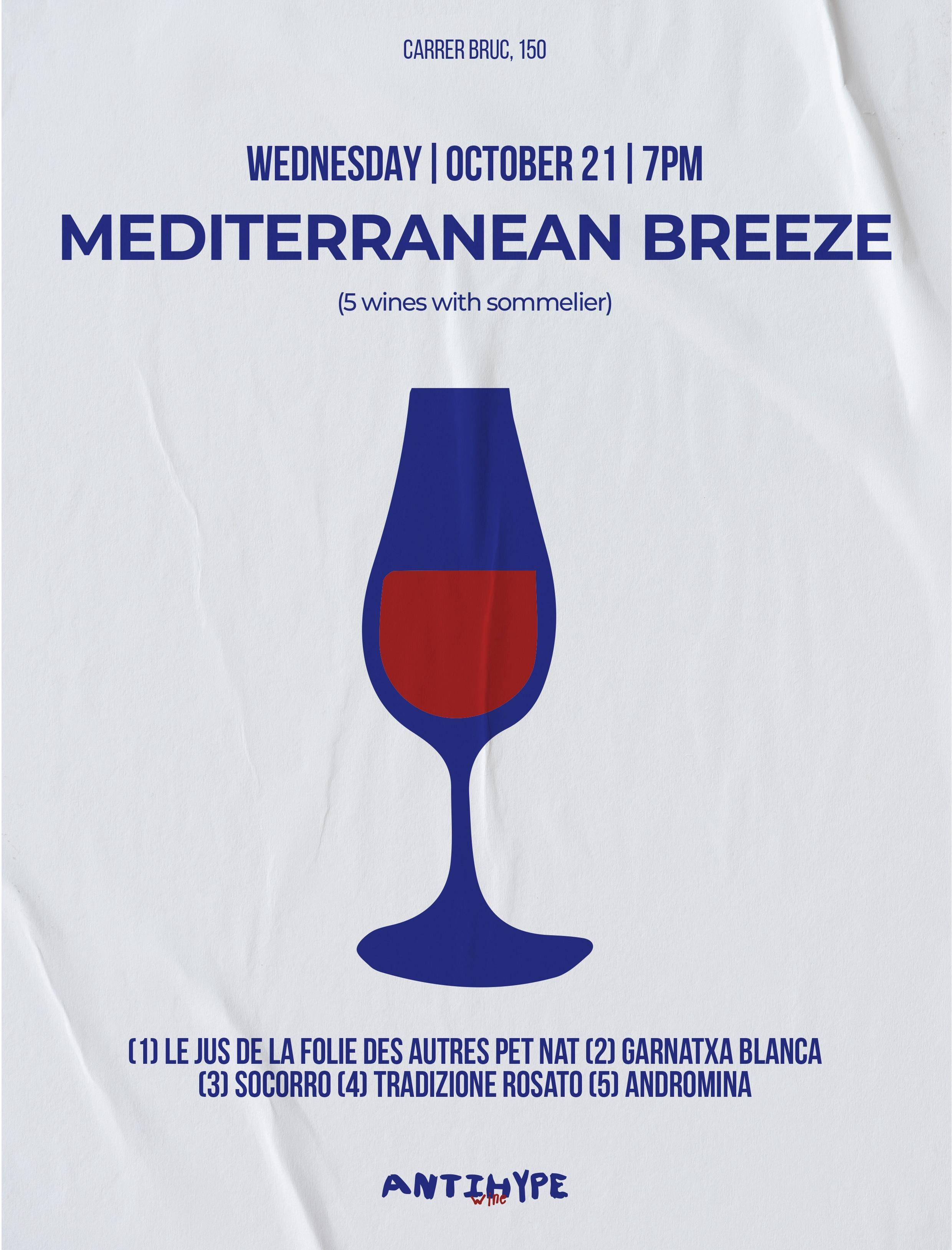
Wednesday October 21
Barcelona
6867 KM
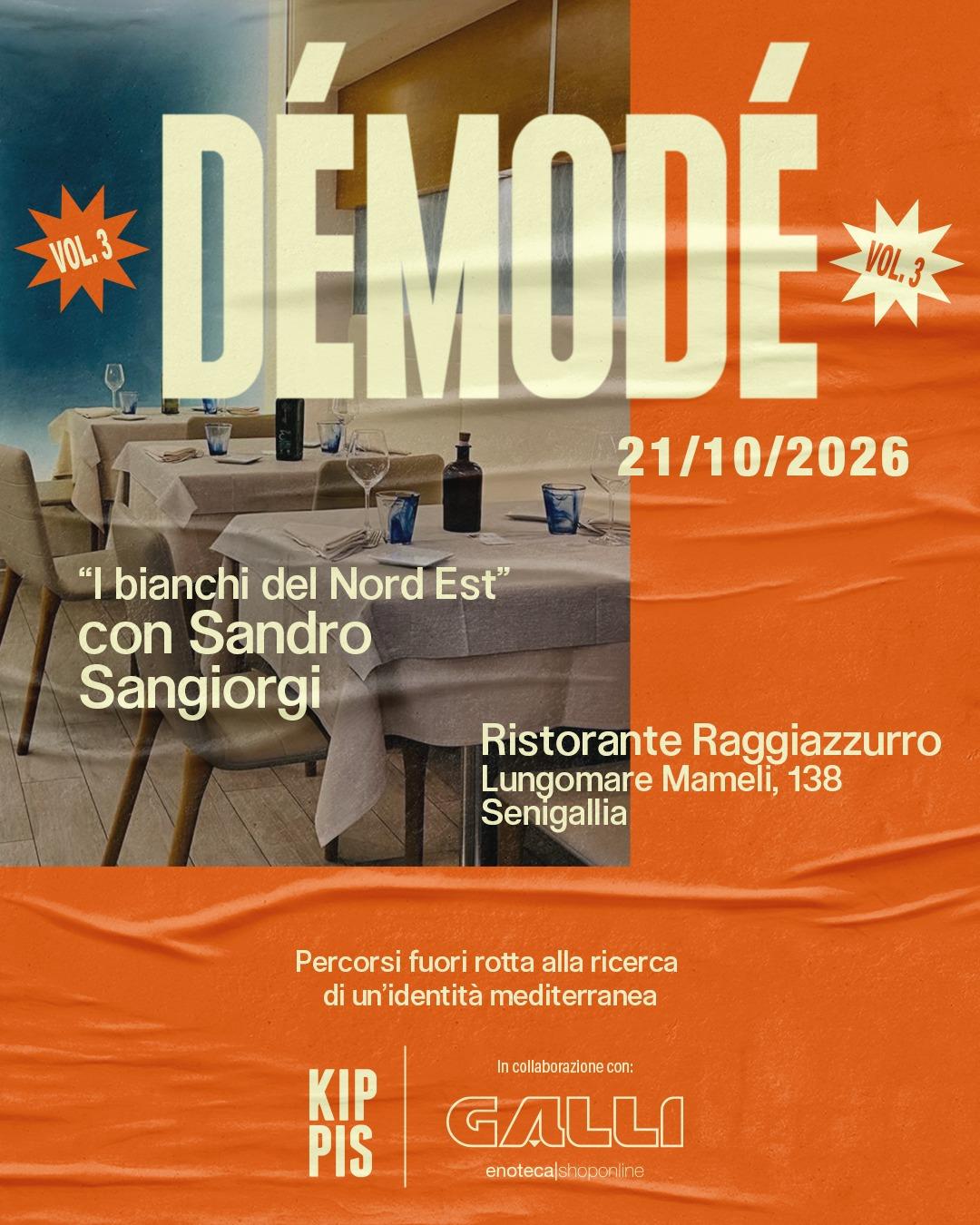
Wednesday October 21
SenigalliaItaly
7496 KM
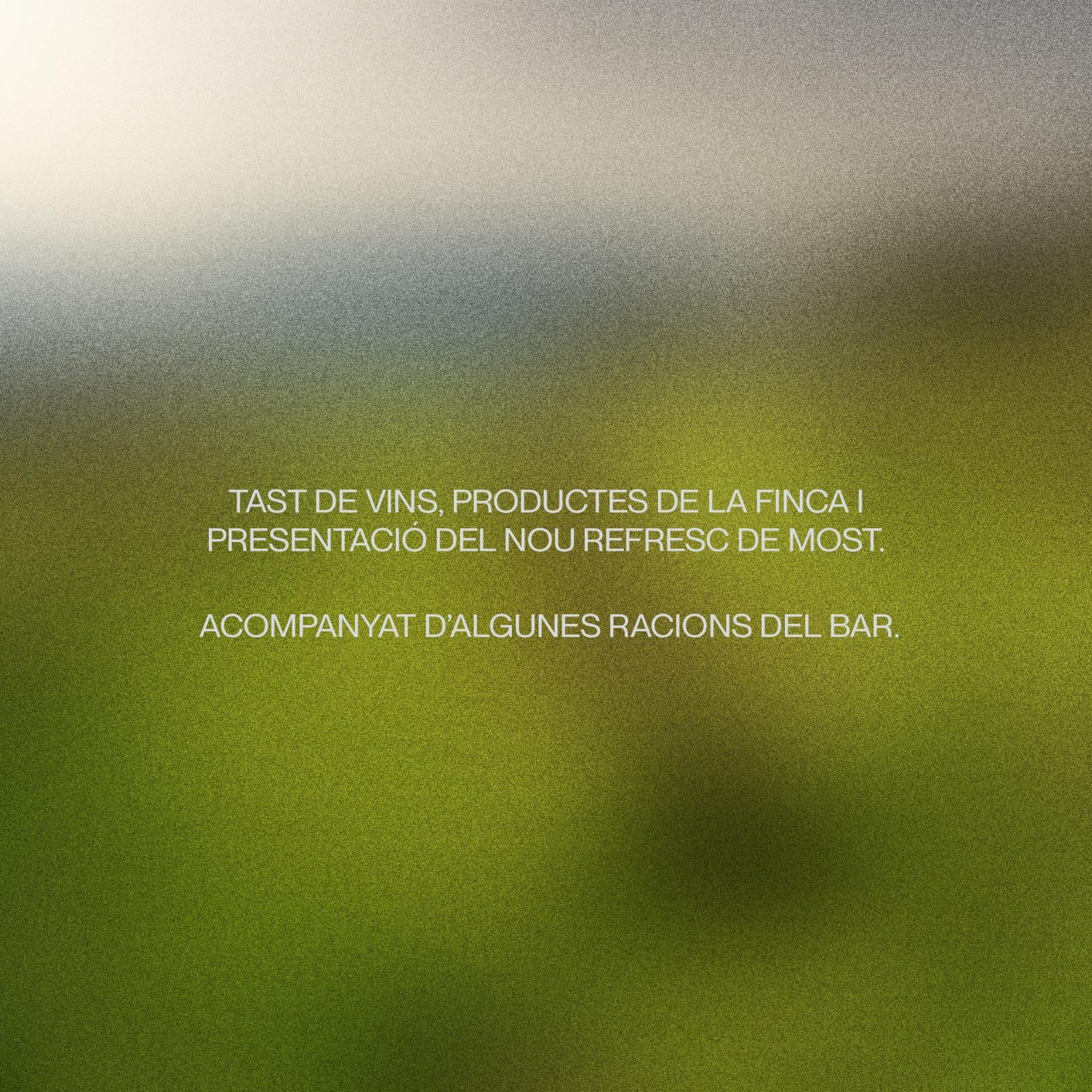
Wednesday October 21
BarcelonaSpain
6869 KM
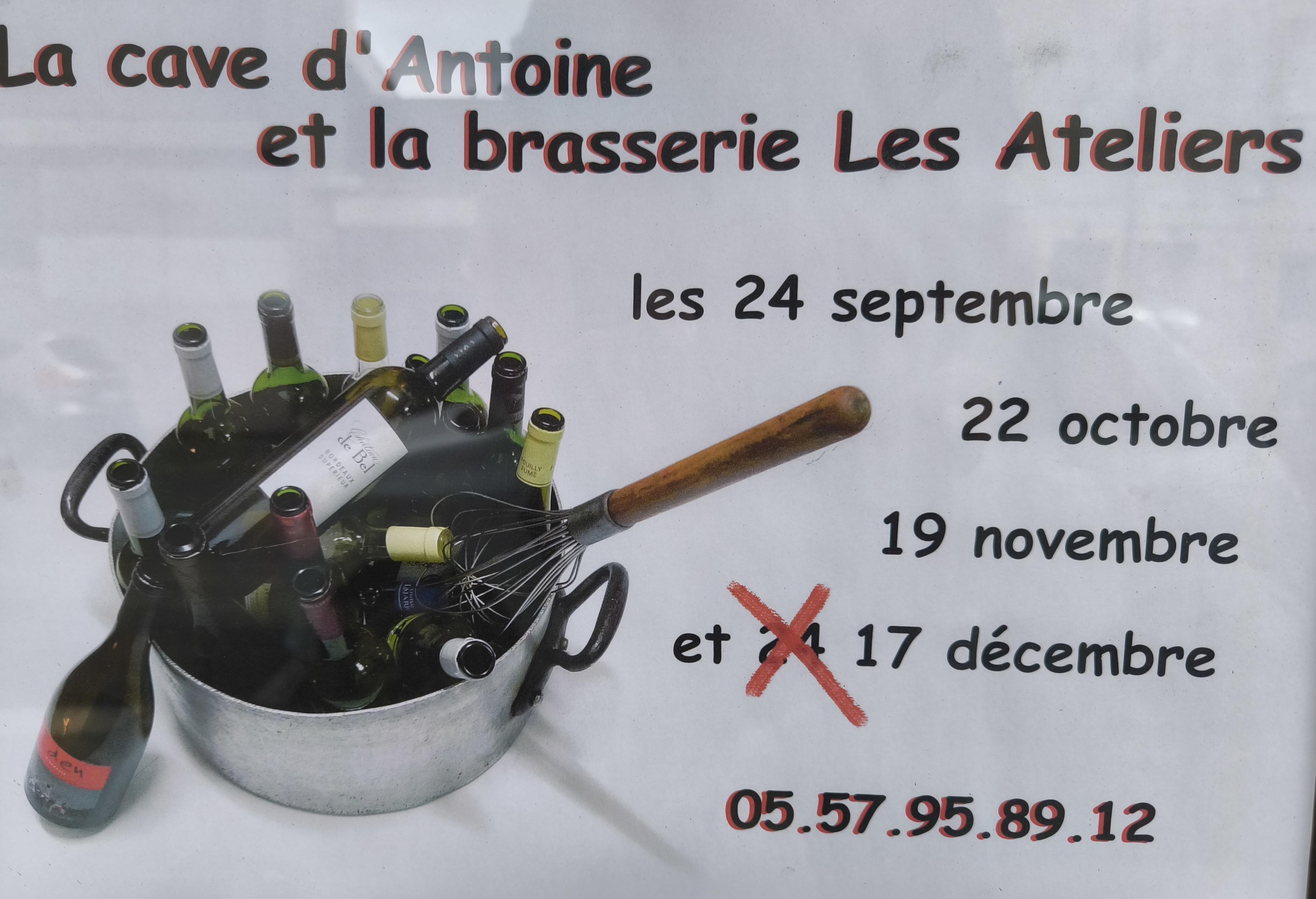
Thursday October 22 - Thursday December 17
BordeauxFrance
6492 KM


 Winemakers
 Restaurants
 Bars
Bars Wine Shops
 Accommodations
 Events