September 08, 2026 - 0 comments
Sari Khoury: rediscovering Palestine’s native grapes
At Philokalia, Sari Khoury is making wine exclusively from native Palestinian grapes, looking deep into the past to understand what they can become.
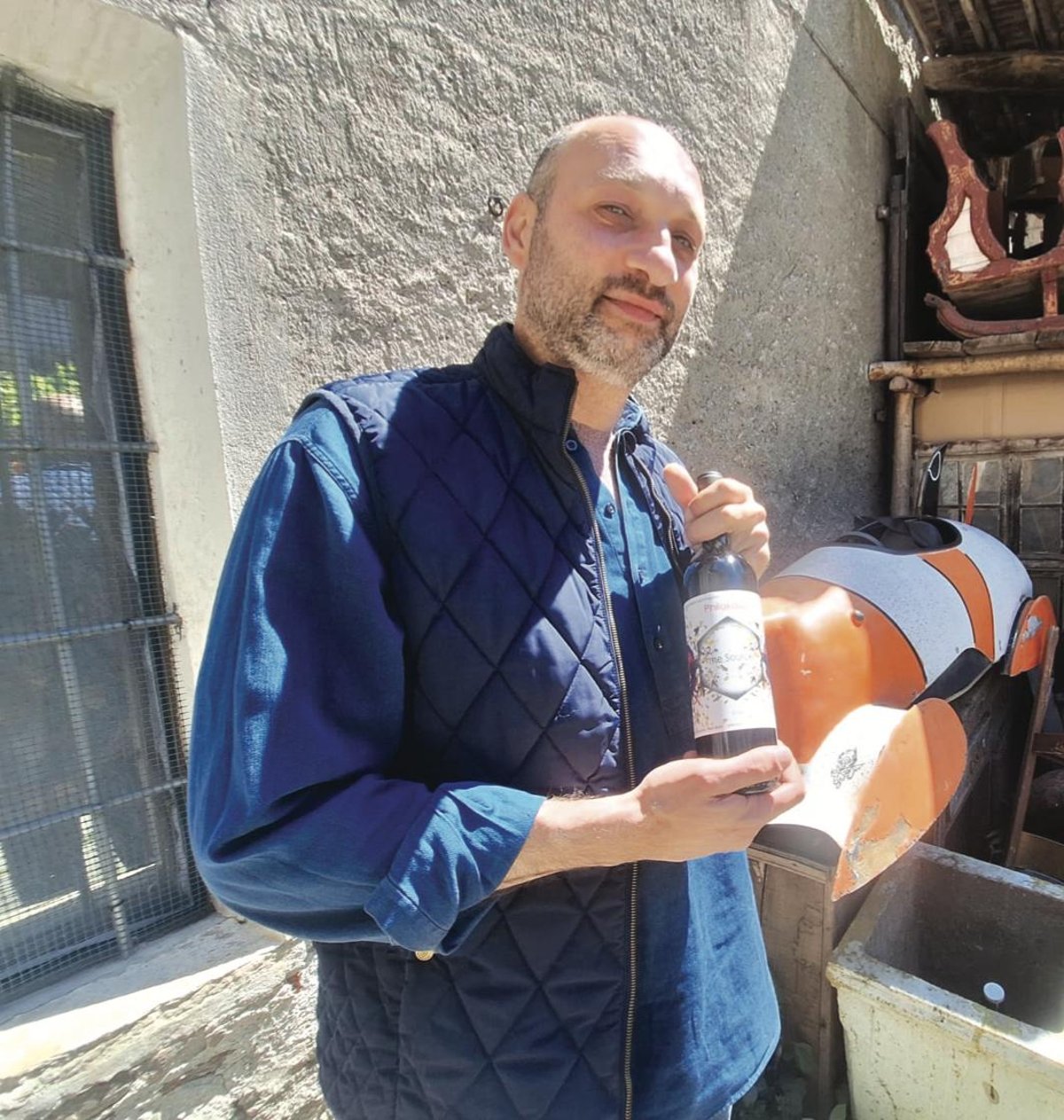
For Sari Khoury, making wine in Palestine starts with a simple question: why make Cabernet Sauvignon when the land already has its own grapes?
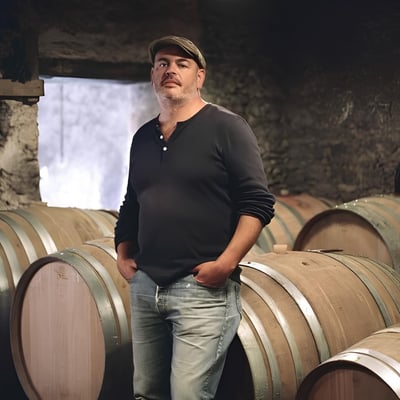
An architect from Jerusalem, Khoury founded Philokalia in Bethlehem in 2015 to rediscover Palestine’s forgotten grape varieties and the knowledge surrounding them. The project sits somewhere between winemaking, research and preservation: old vines, local farmers, ancient techniques and a history of viticulture stretching back thousands of years.
“Everything came together around the native grapes,” Sari explains. “Local wine, local cuisine, local climate.”
Palestine has been making and moving wine for a very long time. By the late 4th millennium BCE, wine from the southern Levant was already reaching Egypt. Hundreds of Canaanite wine jars were deposited in royal tombs at Abydos, including the tomb of Scorpion I, dating to around 3100 BCE. Some of these ancient vessels are now in the Louvre.
Thousands of years later, Gaza became one of the region’s great wine centres. Between the 4th and 7th centuries CE, Gaza wine was being produced on an enormous scale and shipped across the Mediterranean. The distinctive “Gaza jars” used to transport wine have been found across the region and as far away as Britain, Germany and Yemen.
At Yavne, just inland from the central coast, archaeologists uncovered a vast Byzantine winery dating to around the 6th century CE. With multiple presses, fermentation and storage facilities, and kilns for producing amphorae, the complex could produce an estimated two million litres of wine a year.
The wine traveled far beyond Palestine. By the 5th and 6th centuries, Gaza wine reached Egypt, Constantinople, and western Europe. Sixth-century texts record Gaza wine reaching Gaul, while historians have also linked the trade to Bordeaux in the 6th and 7th centuries. By the 7th century, however, this once-flourishing trade was beginning to decline.
For Khoury, this isn't simply history to be preserved. It is something to investigate.
That means going back even further. Archaeological evidence from Georgia has pushed the earliest known chemical evidence of grape wine back to around 6000–5800 BCE. Armenia also has an extraordinary early winemaking record, including the Areni-1 cave complex dating to around 4000 BCE.
But Khoury is interested in a slightly different question: not simply where the earliest wine was made, but when humans began deliberately cultivating the vine.
“The conscious choice of taking a seed from a grape that you like, planting it, and then eventually taking cuttings from that mother vine… that is the beginning of conscious agriculture,” he explains.
The distinction matters. The earliest evidence of wine and the domestication of the grapevine are not necessarily the same thing, and the archaeology is still evolving. Research on ancient Georgian grape pips, for example, suggests that domestication was more complex than simply identifying the oldest wine.
For Khoury, the important thing is the relationship that develops between people, vines and place.
“That history continues,” he says, “with wine exports to ancient Egypt, with olive oil export, from the fourth and fifth millennium BC up to… exports to ancient Rome. So it’s quite this continuous history… of several millennia.”
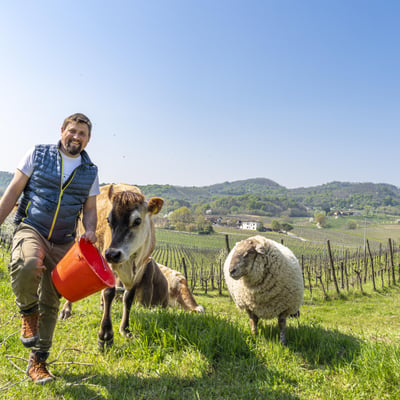
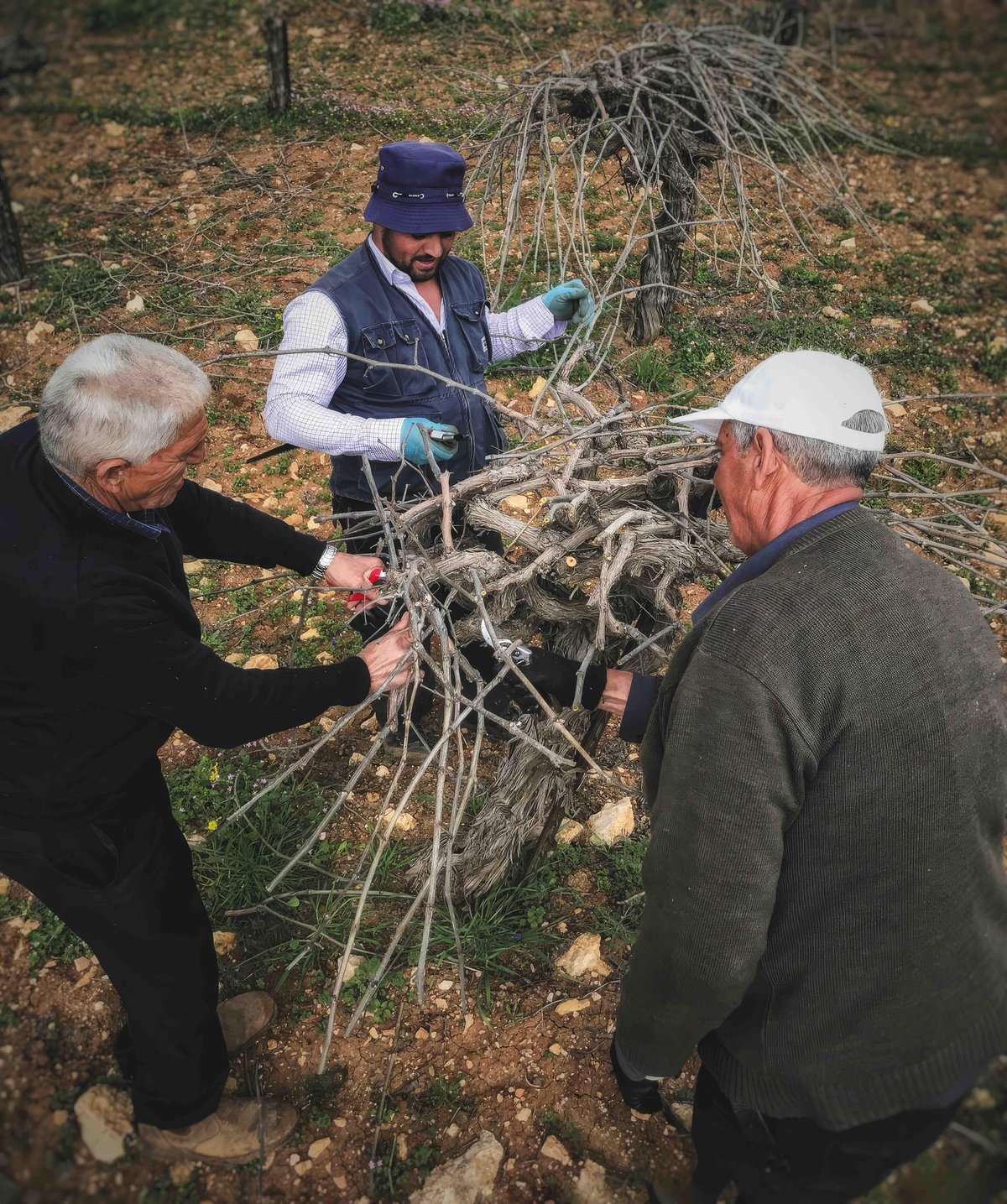
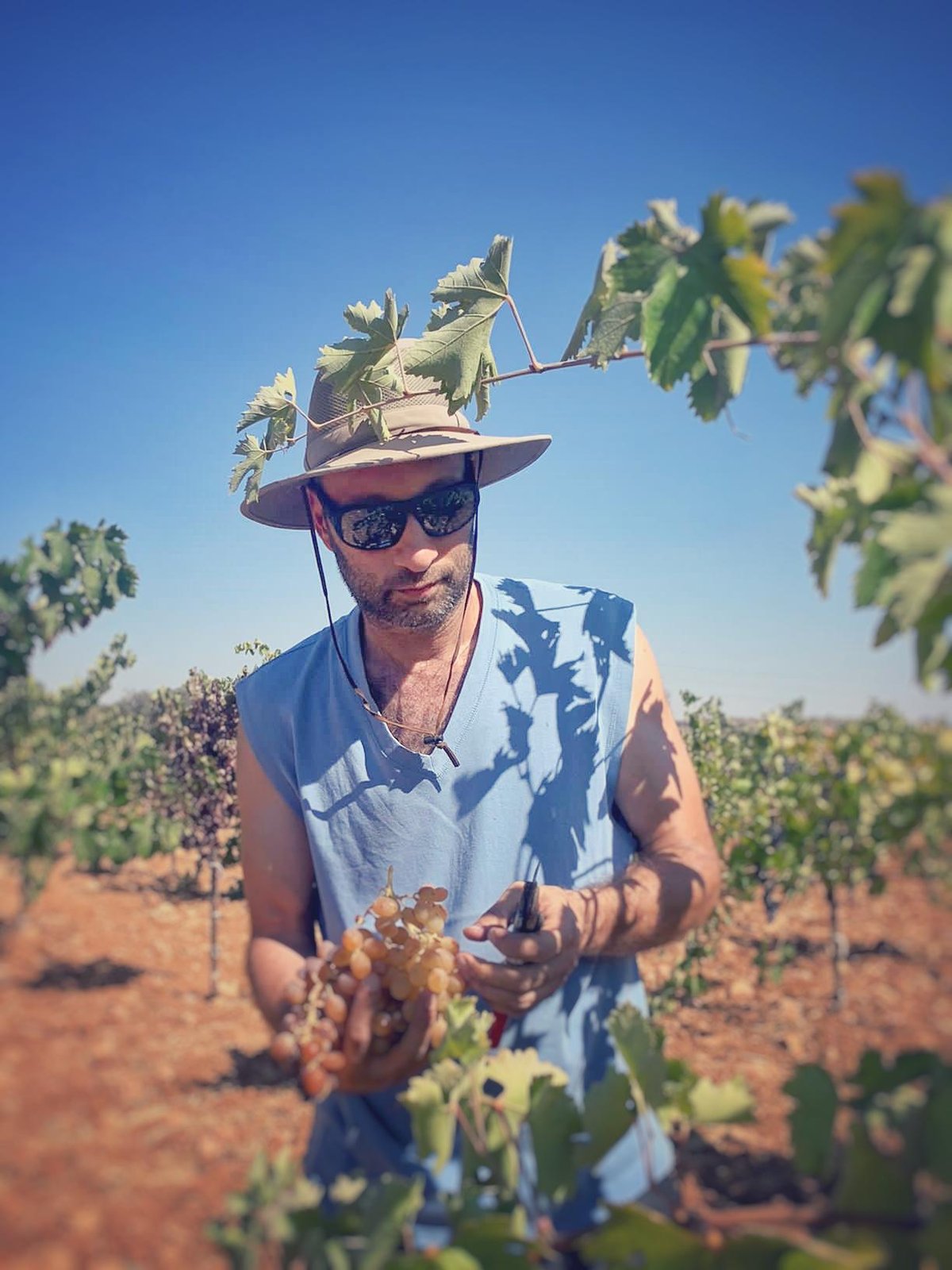
That sense of continuity is central to Philokalia. Khoury works with old, non-irrigated native vines in the Bethlehem governorate, speaking with farmers who have maintained their vineyards for years and preserving small plots that might otherwise disappear. He uses minimal-intervention methods, including stainless steel and custom-made clay vessels, and produces only a few thousand bottles a year.
“There’s a lot to discover,” he says. “We are working exclusively with native grapes.”
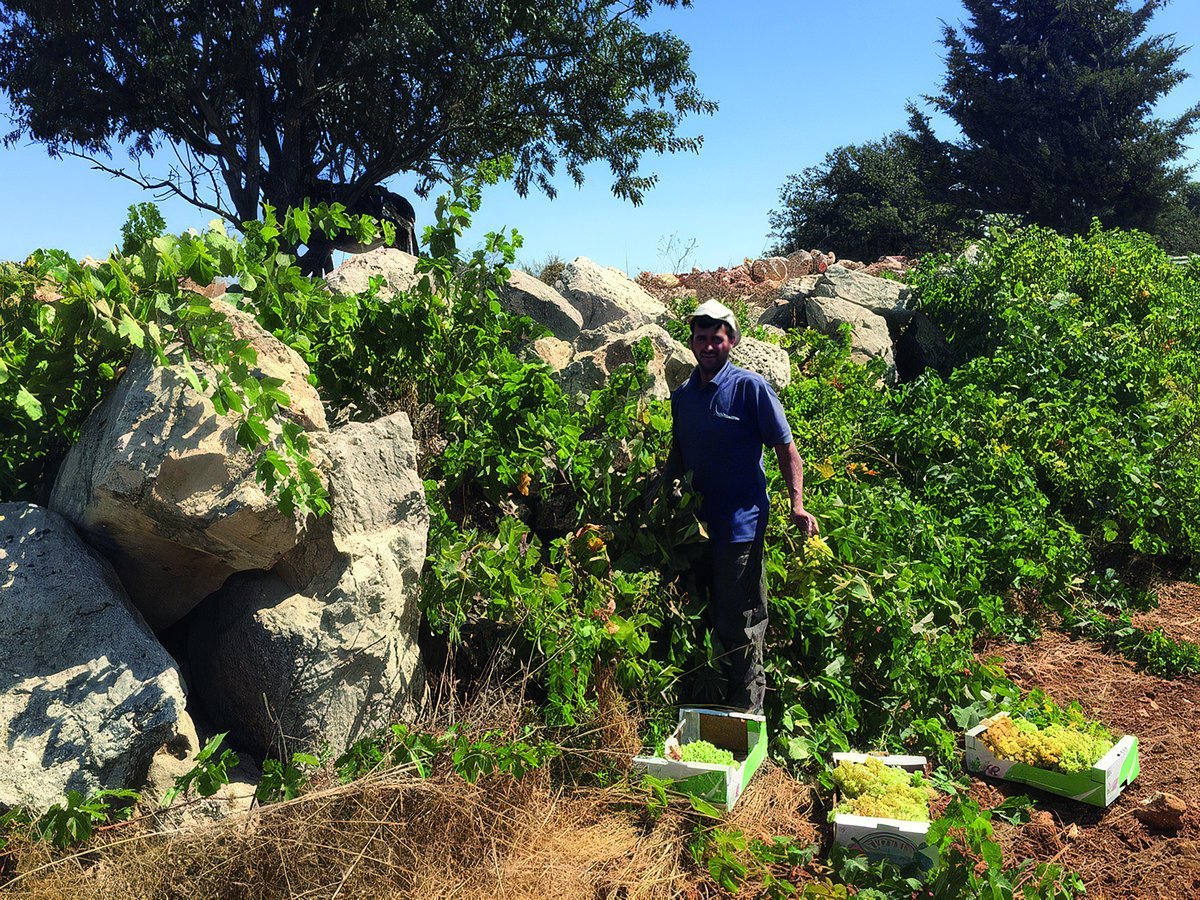
And there is a deeper possibility in that work. What Philokalia produces is not only a few thousand bottles of wine, but the result of an experiment: what happens when native grapes, local agriculture, food, climate, history and contemporary creativity are brought back into conversation with one another? The results may open possibilities for more complex cultural realities, ways of understanding and developing a place that are rooted in its own history while remaining firmly in the present.
The point isn't to recreate an ancient wine. It is to find out what these grapes can do now, in their own climate, alongside the food, agriculture and culture of the place they come from. In that sense, the wine becomes part of a larger process of rediscovery: not simply recovering something that was lost, but seeing what new possibilities can emerge from what remains.
And that is where the Cabernet Sauvignon question comes back in.
“How do I tell you all that and go produce a Cabernet Sauvignon?” Sari asks. “It’s schizophrenic.”