September 25, 2025 - 0 comments
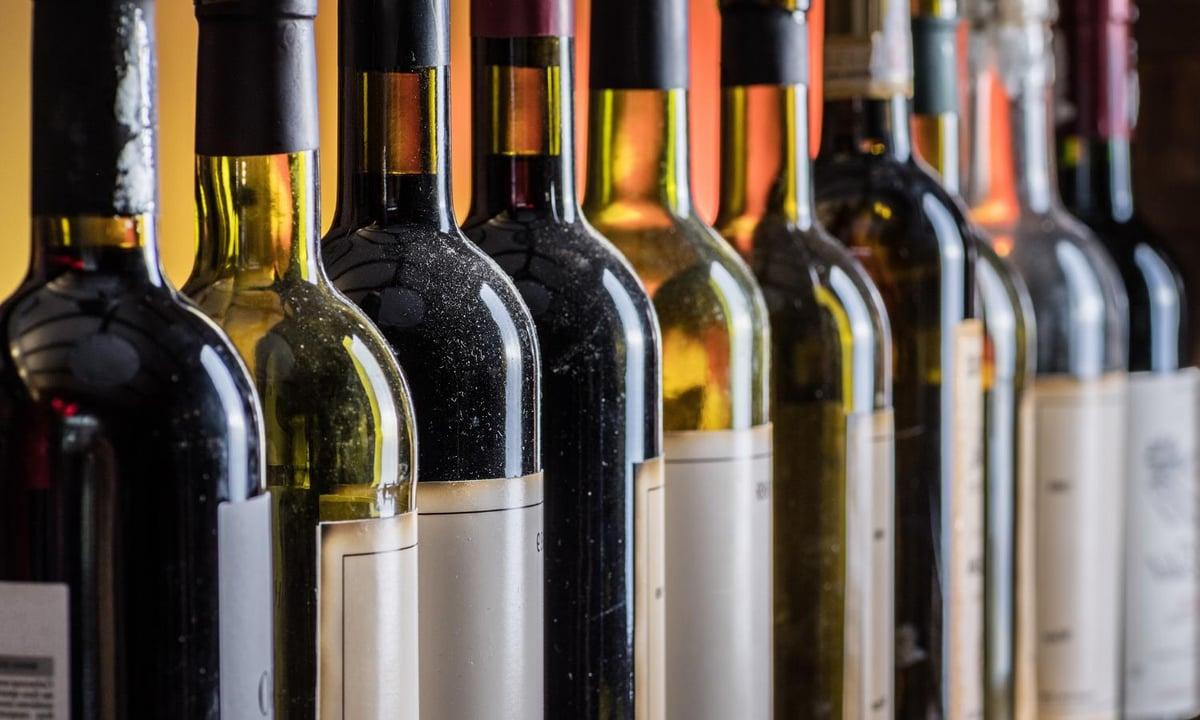
Do you get lost among AB, Demeter, AVN, and other acronyms on wine labels? Don’t worry. Behind these logos are distinct philosophies, precise rulebooks, and… a good dose of marketing confusion. Let’s sort it all out.
Organic: the official starting point
- Organic wine is the first level of alternative viticulture compared to conventional methods. Since 2012, the European AB label has set out strict rules built on four pillars:
- In the vineyard: A total ban on synthetic pesticides, herbicides, and chemical fertilizers. Grapes must be 100% certified organic.
- In winemaking: A reduced list of permitted additives, restrictions on certain physical processes (like electrodialysis and sterile filtration), and lower sulfite limits: 100 mg/L for reds, 150 mg/L for whites (compared to 150–200 mg/L in conventional wines).
- The catch: Organic certification guarantees that grapes are grown without chemicals, but it places few restrictions on winemaking itself. Industrial yeasts, enzymes, added tannins… most of it is still allowed in the cellar.
Biodynamics: two schools, one philosophy
Biodynamics goes further than organic by adopting a holistic view of the vineyard. But be careful: two certifications exist, each with a slightly different philosophy.
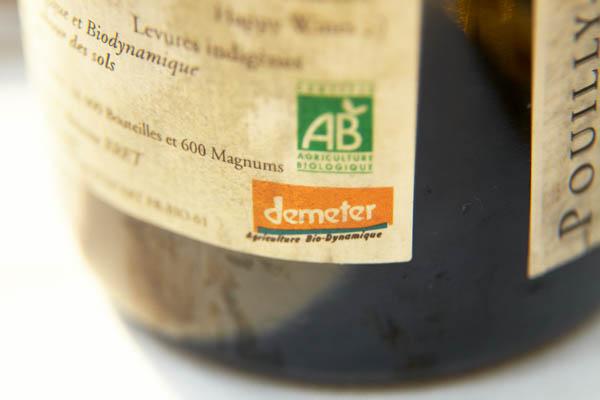
Demeter: anthroposophic rigor
Demeter requires organic certification first, followed by the strict application of biodynamic practices. These preparations include horn manure (500) and horn silica (501), as well as following the lunar calendars and converting the entire estate.
- Sulfite limits: 70 mg/L for reds, 90 mg/L for whites
- Philosophy: A spiritual approach rooted in Rudolf Steiner’s anthroposophy
Biodyvin: winemaking excellence
Biodyvin is a growers’ union with a more “elitist,” high-end reputation. Unlike Demeter, Biodyvin actually tastes the wines before certification.
- Sulfites: 100 mg/L for reds, 130 mg/L for whites
- Philosophy: Less dogmatic, focused on experimentation and quality of taste
Natural wine: a jungle of charters
Natural wine doesn’t exist in EU law. Attempts to define it officially have failed, leaving a patchwork of private charters.
.jpg)
AVN (Association des Vins Naturels)
- Grapes must be organic or biodynamic
- Only native yeasts allowed
- Sulfites capped at 30 mg/L for reds, 40 mg/L for whites
- No other oenological additives permitted
Raisin relies on this charter to guide its selection of natural wines and ensure consistency in moderation.
S.A.I.N.S (Sans Aucun Intrant Ni Sulfite) = Without additives or sulfites
- As the name says: zero added sulfites
- Zero additives, zero manipulations
- The strictest charter of all
Vin Méthode Nature
This is the only label officially recognized in France by the DGCCRF since 2019. Manual harvesting is mandatory, and only native yeasts are allowed. There are two levels of certification:
- Vin Méthode Nature <30 mg/L: sulfites limited to 30 mg/L
- Vin Méthode Nature: no added sulfites, but lab analysis allows up to 20 mg/L of naturally occurring sulfites
Key certifying bodies
Organic:
- Ecocert, Qualité France, Certipaq (official control bodies)
Biodynamic:
- Demeter International (global certification)
- Biodyvin (French growers’ union)
Natural:
- AVN: free association of growers
- SAINS: collective charter
- Vin Méthode Nature: certified by Bureau Veritas
Beyond labels: reality on the ground
Certifications only tell part of the story. Many growers use organic or biodynamic methods without certification (due to costs, paperwork, or philosophical disagreements). Others combine multiple labels: one estate might be certified AB, Demeter, and Vin Méthode Nature depending on the cuvée. The line between organic, biodynamic, and natural is therefore blurred.
The consumer paradox
Here’s the takeaway: growers who practice organic and/or biodynamic farming in the vineyard can then vinify their wines naturally, without being bound by existing certifications. They may choose to add a “Vin Méthode Nature” label as a guarantee of quality and transparency, or skip labels altogether to craft wines according to their own vision, while remaining committed. “We do what we say, and we say what we do!” In the end, it’s the commitment that counts. The solution? Learn to read beyond the labels, get to know the wines and the natural winemakers, and understand their practices. Your trusted wine merchant becomes a precious ally for navigating this jungle of labels and certifications.
Furthermore, the Raisin app allows you to scan labels and discover the story behind each bottle. Because ultimately, the best wine is the one you enjoy and that aligns with your values. Between marketing and authenticity, certifications and labels remain helpful guides… provided you know how to decode them!
Related articles:
- What's natural wine?
- Can a wine be truly vegan?
- Why we’re saying ‘no’ to non-alcoholic wine?
- Should I decant my Natural Wine?
- Why is my natural wine labelled "Vin de France"?
- I don’t want eggs in my wine!
- Why Does My Natural Wine Say it ‘Contains Sulphites’?