March 31, 2026 - 1 comments
La Stoppa: turning terroir into a strength, not a constraint
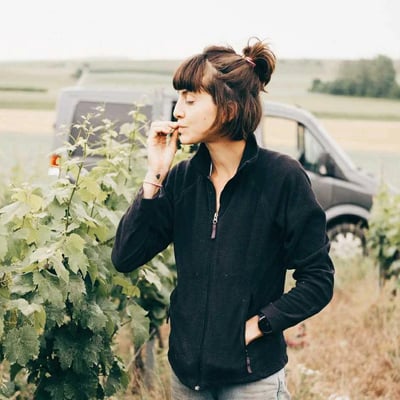
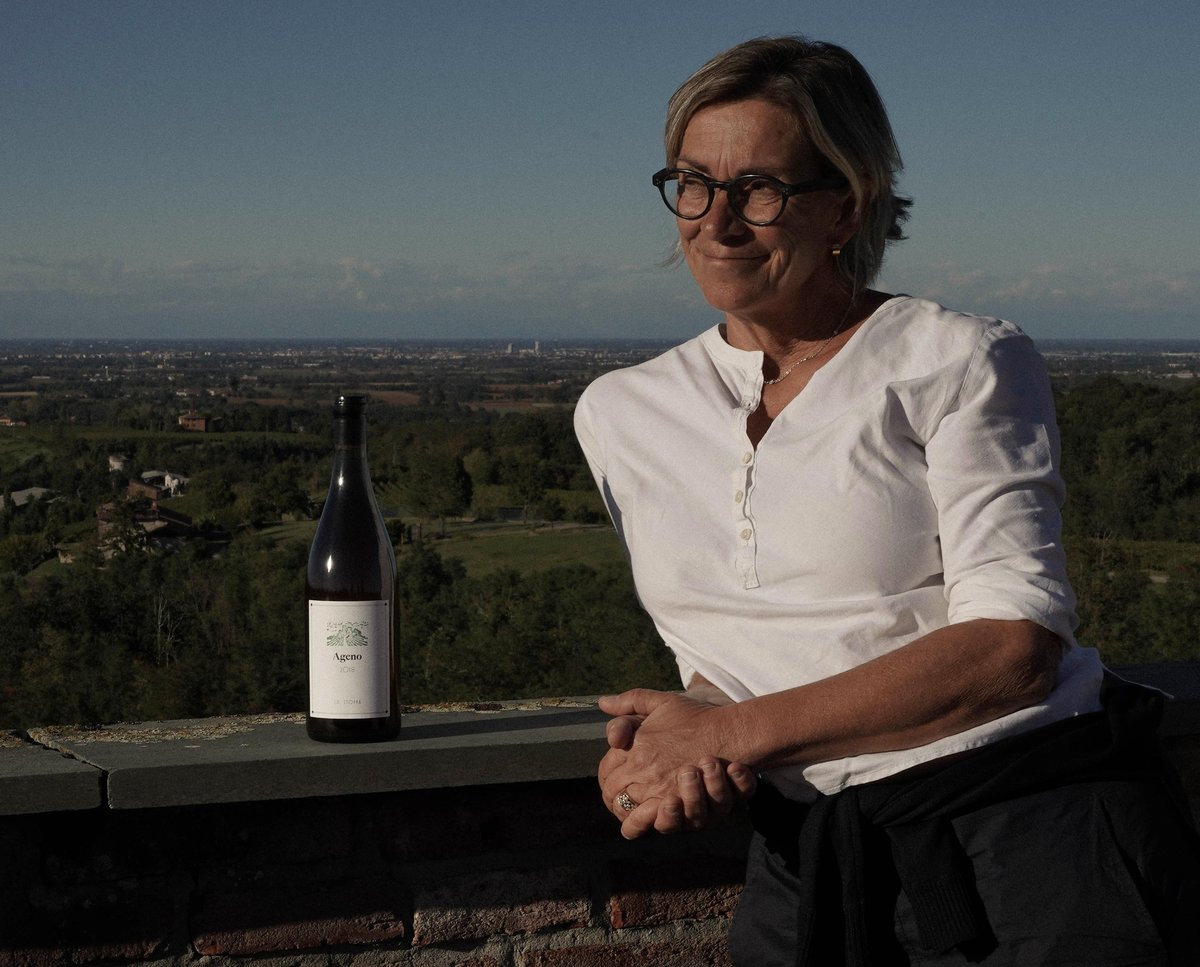
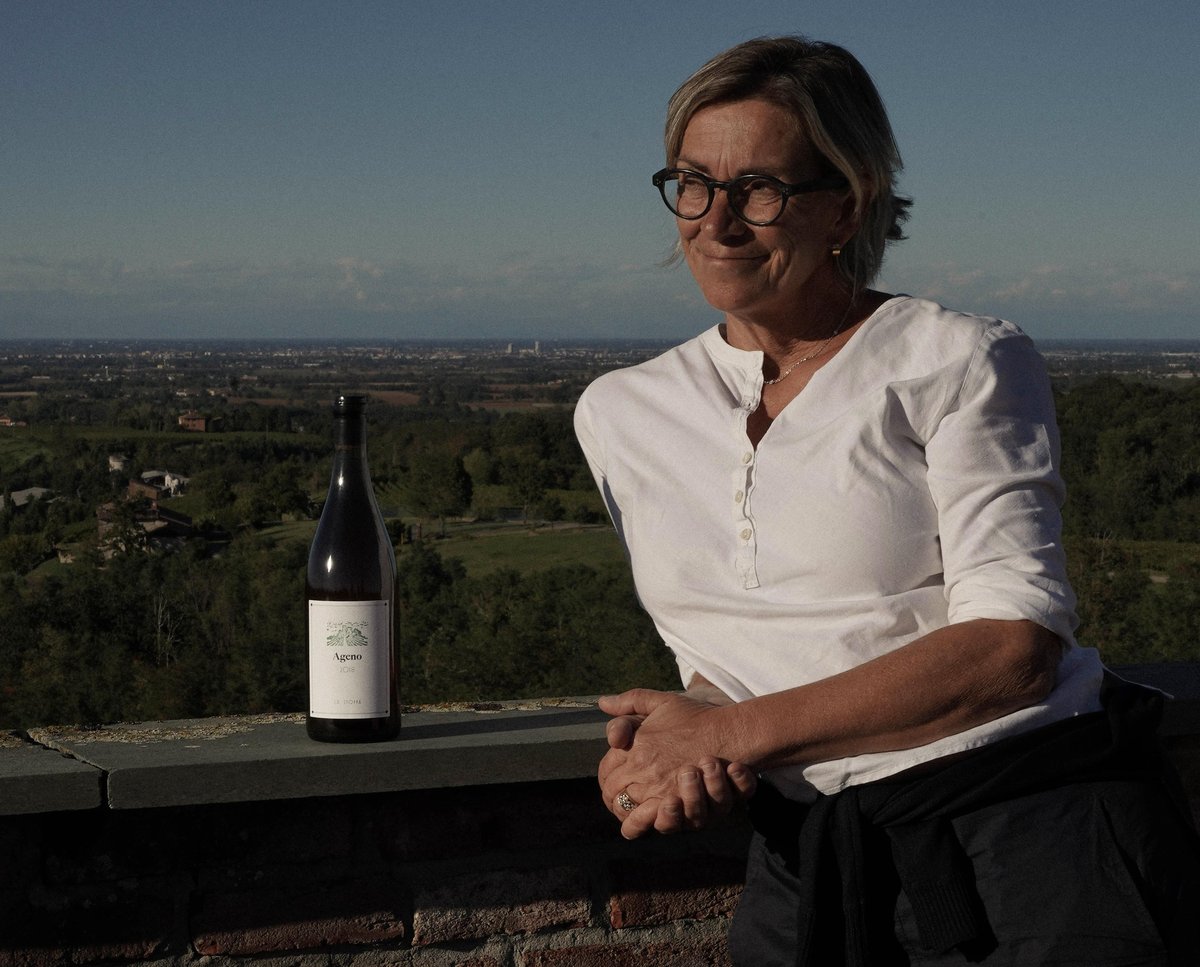
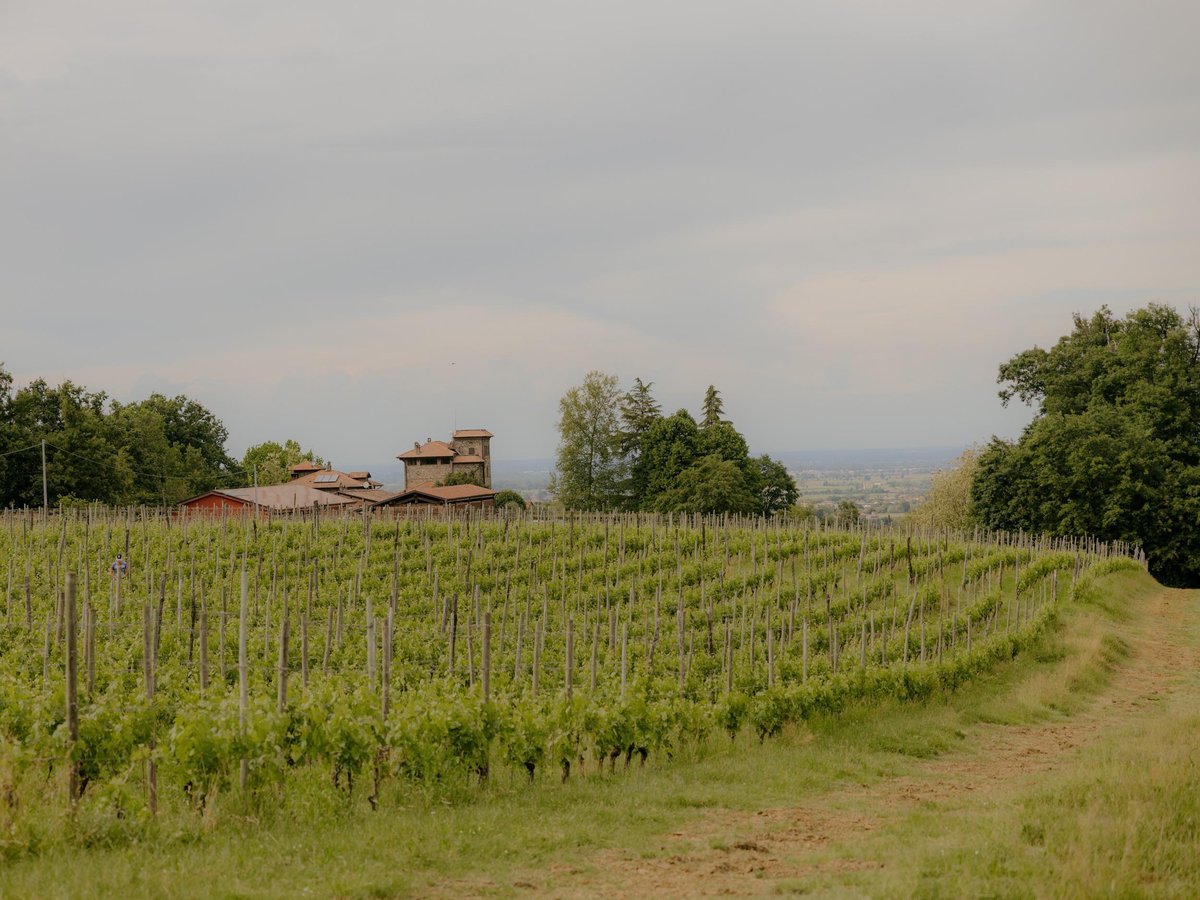
Some estates apologize for their soil. La Stoppa has made it its identity. In the hills of Emilia-Romagna, Italy, between Piacenza and the Apennines, Elena Pantaleoni has been running this 58-hectare estate, 30 of vines and 28 of woodland, since the mid-1990s, with a rare conviction: terroir is not something to tame, it is something to understand and adapt to.
A soil that sets the rules
The red clay of La Stoppa is rich in iron and poor in nitrogen. It is not an easy soil. Fermentations do not always finish in autumn and sometimes restart the following spring, driven by native yeasts that no one here has ever considered replacing. For many natural winemakers, this would be a problem. For Elena Pantaleoni, it has become one of the winery’s signatures.
“A good volatile acidity is a very good friend for us”, she says. And that sentence says it all: where others see a flaw to correct, she sees a characteristic to embrace.
Minimalism in the cellar, patience in the bottle
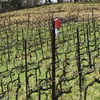
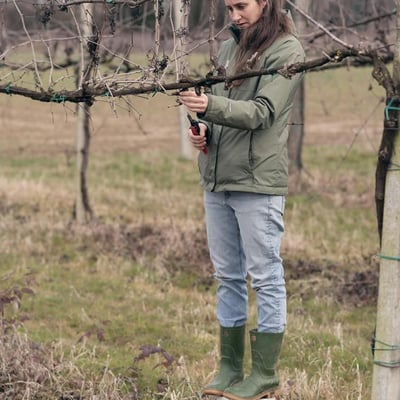
The work begins in the vineyard, farmed under certified organic agriculture, without fertilizers or herbicides. Everything is done by hand, pruning, trellising, harvesting, to preserve the best of the grapes. Old vines, with naturally low yields, produce wines for long ageing. Younger vines produce fruitier wines meant to be enjoyed earlier.
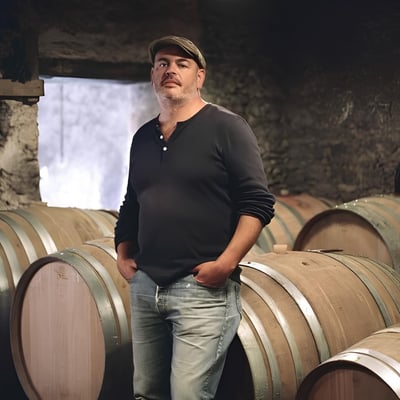
In the cellar, the approach follows the same philosophy: stainless steel and concrete tanks, long macerations, ageing in oak barrels, long bottle ageing. No added sulfur, no selected yeasts, no shortcuts. Time does the work and here, it is trusted. Elena releases her wines when they are ready, not before. “I don’t want people to tell me to see what this wine will be like in five years. I want to drink it now.”
The grape varieties are those of the territory: Barbera and Bonarda for reds, Malvasia di Candia Aromatica, Ortrugo and Trebbiano for whites. Names rarely found on fine dining tables, yet carrying the full memory of a place. And this choice is no coincidence. Thirty years ago, Elena was still producing Sauvignon Blanc. A client told her it was good, but that he could buy a Sancerre at the same price. She learned from it: there is no point in copying what already exists elsewhere. It is better to value one’s own grape varieties and give identity to a region.
Craft as a philosophy
What Elena Pantaleoni defends is a simple and profound idea: each place produces different wines, and that is precisely what makes it beautiful. No standardization, no universal recipe. Just listening to a soil, a climate, a plant.
La Stoppa has existed since the second half of the 19th century. The Pantaleoni family has been running it since 1973. And since Elena took over, the estate has continuously refocused on what matters most: making terroir-driven wines.
In a wine world that often tries to smooth out imperfections, La Stoppa cultivates them. And that is exactly why people keep coming back.