June 12, 2026 - 1 comments
Montesecondo: Two Terroirs, One Grape Variety. And Everything Changes.
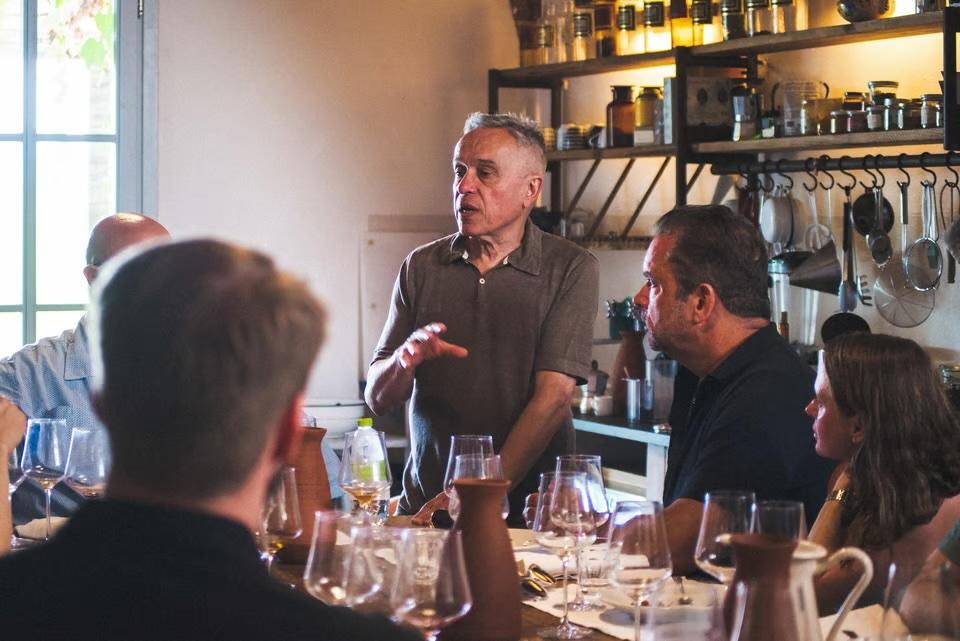
Some winemakers talk about their wines. Silvio Messana talks about his soils.
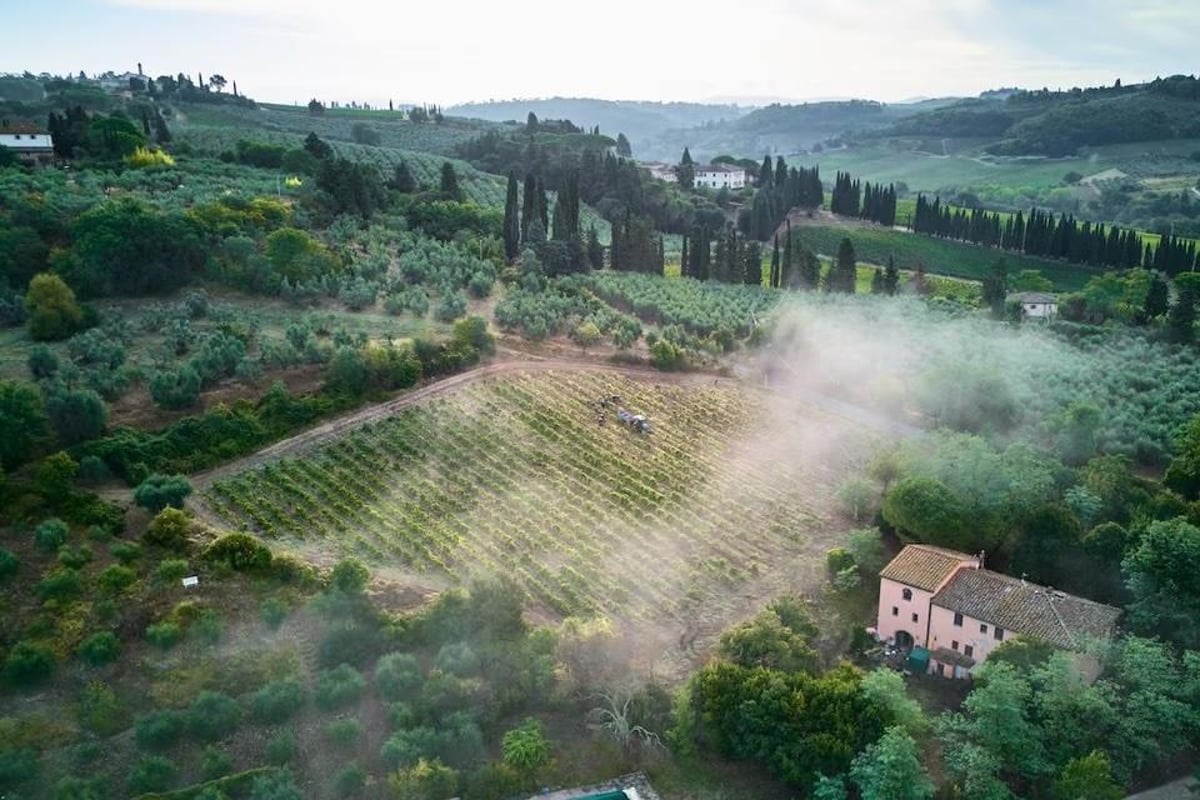
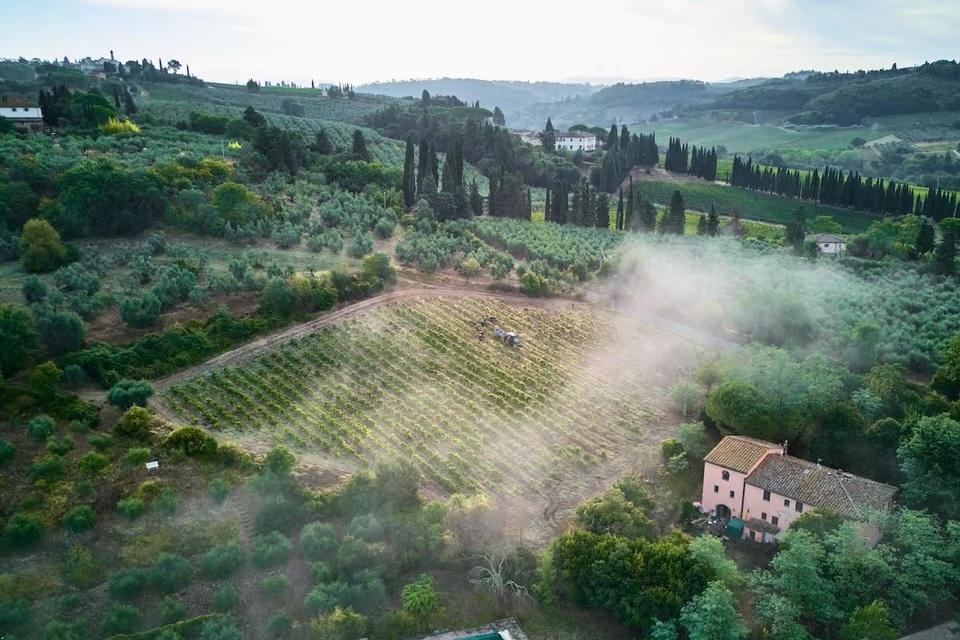
At Montesecondo, in the hills of San Casciano Val di Pesa, in the north-western part of Chianti Classico, he works with two vineyards that could not be more different. One sits at 500 metres above sea level on well-drained marl soils. The other lies below, at 150 metres, on clay, sand and pebbles. Same estate, same grape variety, same hands, but two radically different pieces of land.
That experience, he says, taught him the most important lesson of all.
The Lesson of Two Vineyards
The same grape variety grows in both places: Sangiovese, the king of Tuscany, capable of producing both greatness and disappointment depending on where it is planted. That is precisely what Silvio wanted to understand.
"Working with the same grapes in two very different places, with different soils... it was a great lesson. It taught me how much the soil can change the wine."
The lower vineyard (12 hectares of clay, sand and pebbles at 150 metres) produces fruity, juicy and generous wines. The upper vineyard (6 hectares of well-drained marl at 500 metres) gives wines that are vertical, complex and tense. Same winemaker, same philosophy, same grape variety. Yet the two expressions could not be more distinct.
"It's neither better nor worse. It's simply different. And that's fascinating."
A sentence that perfectly captures what terroir really means: not hierarchy, but diversity. Proof that the vine, when allowed to speak, faithfully translates what the land gives it.
A Low-Intervention Approach to Viticulture
Montesecondo has been certified organic since 2004 and is farmed according to biodynamic principles. Grapes are harvested by hand. Fermentations rely solely on indigenous yeasts naturally present on the grapes. Sulfites, when used, are added only in very small quantities and only before bottling.
This is not simply a list of virtuous practices. It is a coherent philosophy: intervene as little as possible so that the soil can express itself. Everything Silvio does in the vineyard and cellar follows the same principle: not to cover up what the land has to say.
Sangiovese as a Revealer
What is striking about Silvio’s approach is his choice of grape variety. Sangiovese is renowned for its sensitivity to terroir. More than many other varieties, it amplifies differences in soil, altitude and exposure. It is a demanding grape, sometimes unforgiving, but capable of remarkable transparency when conditions are right.
"I find that Sangiovese is sensitive enough to adapt and transmit the quality of the soil into the wine."
That is exactly why it is so valuable in this two-vineyard experiment. It hides nothing. It reveals everything. And for Silvio, that seems to have been the goal from the very beginning.
Montesecondo is exactly that: an estate that could have pursued consistency and a recognisable house style. Silvio chose the opposite path: embracing differences, exploring them and bottling them. Two terroirs, one grape variety, and the conviction that it is in that gap that wine becomes truly interesting.