August 28, 2025 - 2 comments
'yeast is really an autumn fungus that we’re now asking to do its job in summer.’ - Pierre Overnoy
In natural winemaking, where fermentation depends entirely on indigenous yeasts clinging to grape skins, cellar walls, and vineyard air, this is a seismic shift. Unlike conventional winemakers, who can add commercial yeast to kickstart fermentation, natural winemakers depend on the delicate ecosystem of microorganisms that climate change is disrupting.
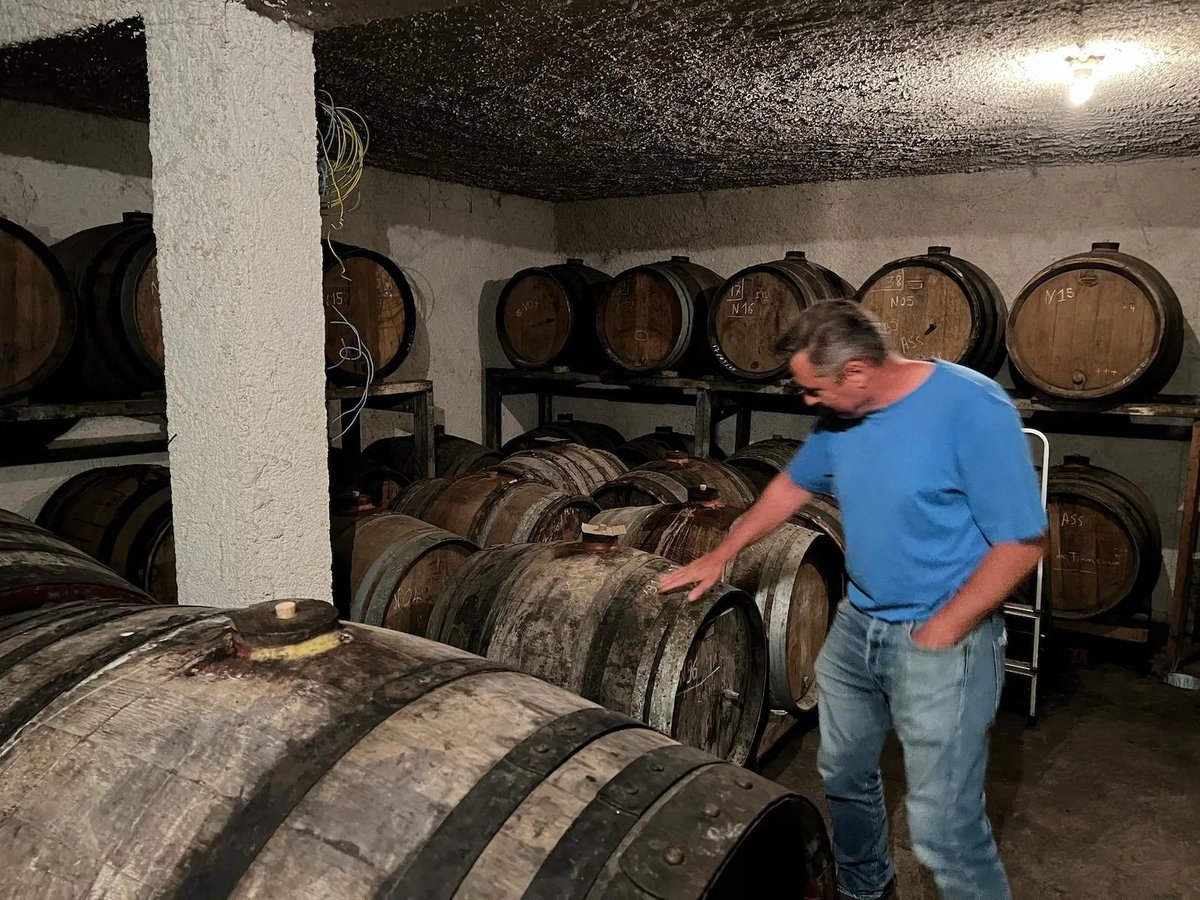
Warmer summers mean grapes ripen faster, pushing harvest dates earlier by weeks. But the cooler, damp autumn conditions that encourage a diverse and abundant yeast population no longer coincide with picking time. This not only risks sluggish or stuck fermentations, but also alters the aromas and textures that make natural wines so distinctive.
The issue doesn’t end there. Rising temperatures also accelerate the breakdown of malic acid**,** the naturally occurring acid that brings freshness, tension, and balance to wine. In natural winemaking, malic acid is especially prized because it helps preserve wine without chemical intervention, and plays a role in natural malolactic fermentation, which softens acidity while adding complexity.
The shifting climate is also reshaping life between the vines. In Jura, traditional insect populations, lacewings, ladybirds, predatory beetles, are declining, while warmer-loving pests, such as certain moths and invasive wasps, are moving in. The loss of beneficial insects weakens natural vineyard defenses against disease and imbalance, making it harder to farm without synthetic sprays.
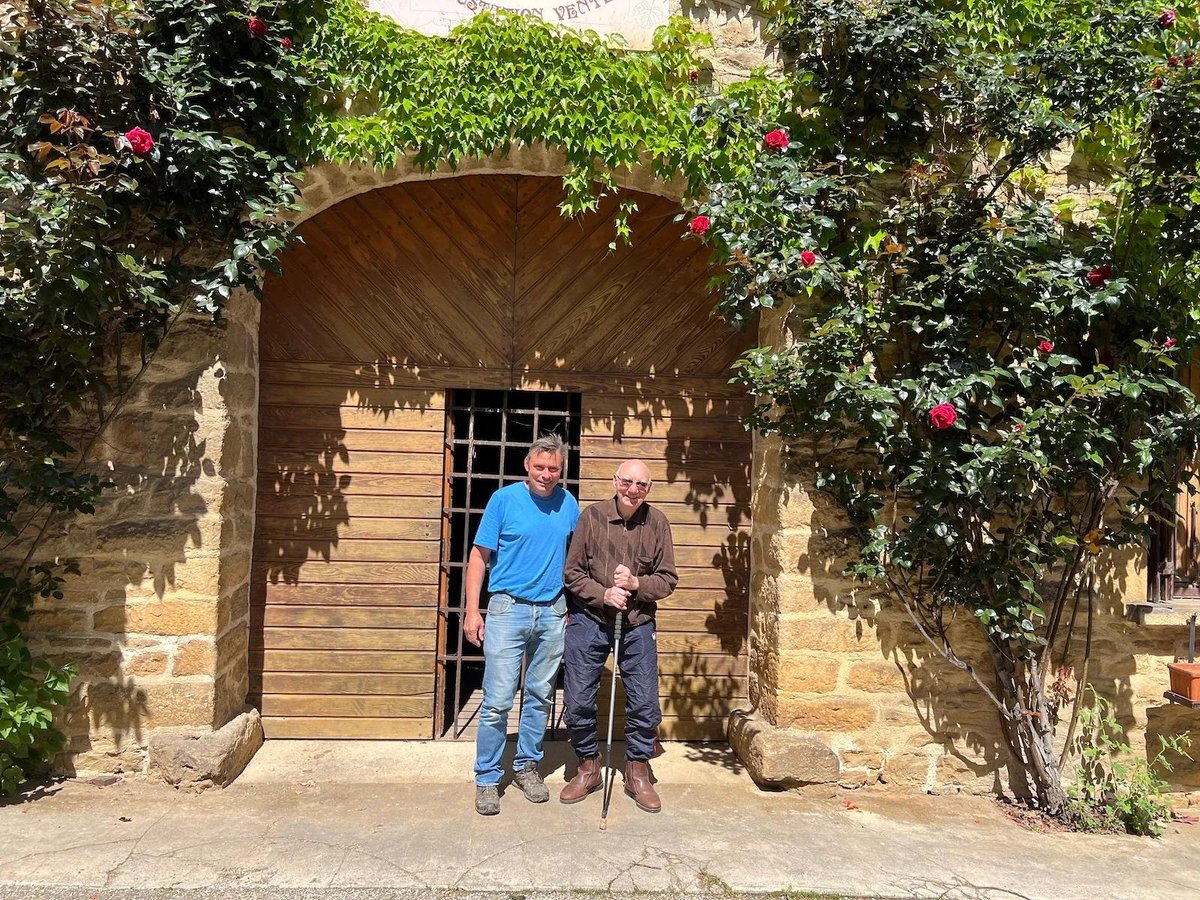
In Overnoy’s lifetime, these changes have been gradual but undeniable. “It’s not one thing, it’s everything at once,” he says. The yeast, the acid, the insects, each is part of a finely tuned system that natural winemaking depends upon. As the climate shifts, that system is being tested to its limits.
For natural wine, the risk isn’t just a lost vintage, it’s losing the very conditions that make these wines possible.