January 15, 2026 - 2 comments
5 reasons why your natural wine might be slightly fizzy
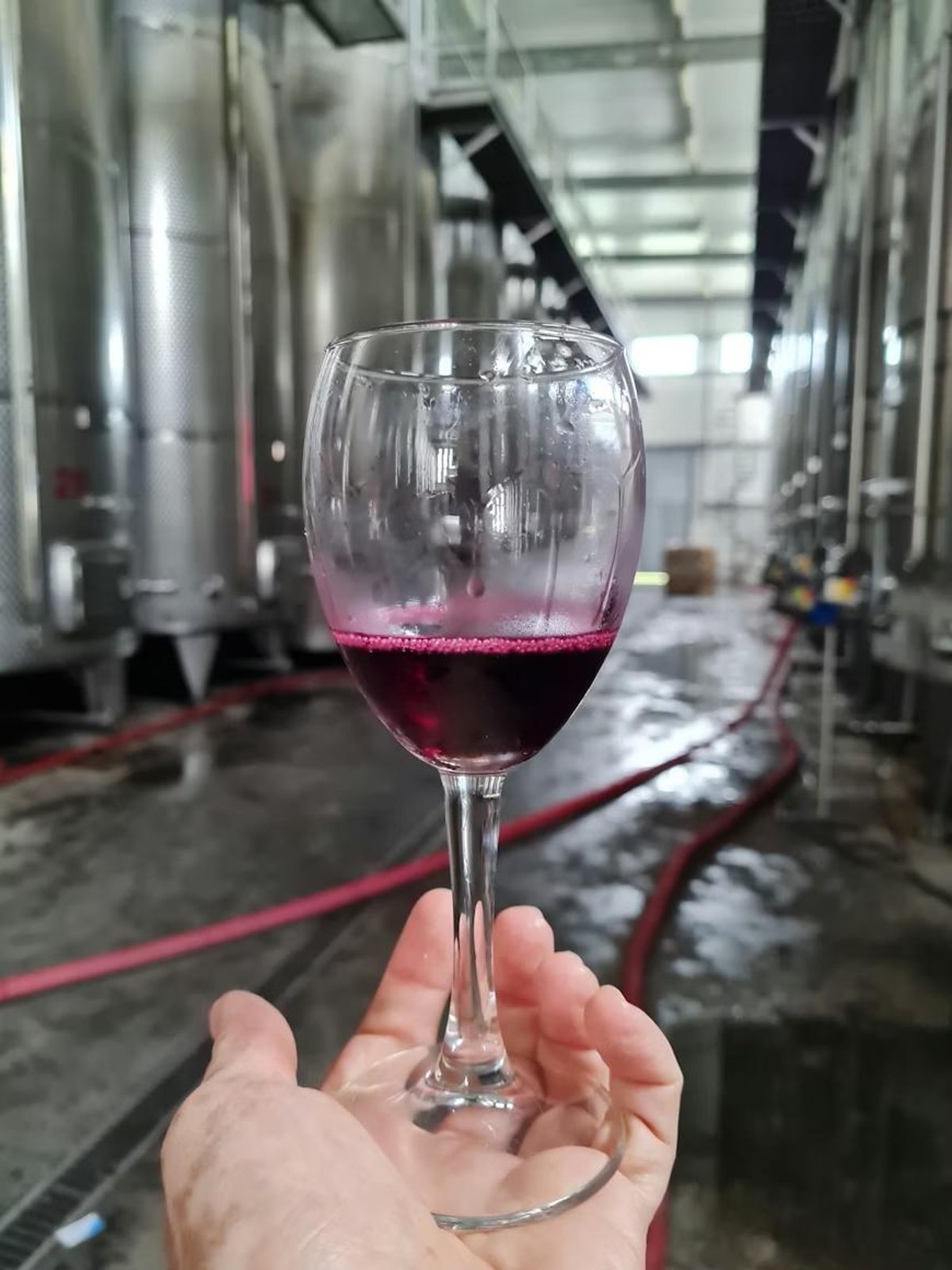
You open a bottle of natural wine and, surprise: a few tiny bubbles appear in your glass. Don’t panic, this isn’t a flaw. In the world of natural wine, bubbles tell a story: that of a living wine that hasn’t been over-manipulated. Here are five reasons that explain this gentle fizz that pleasantly tingles on the palate.
1. Natural residual CO₂, a winemaking choice
During fermentation, yeasts transform sugar into alcohol and release CO₂. In conventional wines, this gas is filtered out, degassed, and removed entirely. But in natural wine, many winemakers choose not to intervene. Without intensive filtration or technical degassing, a small amount of CO₂ remains dissolved in the wine. It’s not an oversight, it’s a decision: preserving that living texture, that freshness that reminds us the wine has just been born. The result is a light fizz upon opening, bringing brightness and energy to the palate.
2. Early bottling to preserve freshness
In natural wine, some winemakers bottle early to capture the fruit at its most vibrant. If fermentation isn’t completely finished at bottling, a few yeasts continue working quietly inside the bottle. This creates a touch of gas, a delicate effervescence that lifts the aromas. It’s an ancestral technique, a form of know-how that requires both courage and experience. The winemaker trusts the natural process rather than controlling everything chemically. The result? Lightly sparkling wines that are fresh, digestible, and vibrantly textured in a way you won’t find elsewhere.

3. Temperature: cold reveals the fizz
Here’s a very simple explanation that has nothing to do with winemaking: cold traps CO₂ in the wine. If your bottle comes straight out of the fridge, it will seem more fizzy than it actually is. It’s pure physics: low temperatures keep the gas locked in. As the wine gently warms in your glass, it opens up, the gas softens, and the effervescence becomes more discreet. So if your wine feels a bit too fizzy, let it breathe for a few minutes at room temperature. You’ll see, it makes all the difference.
4. Transport agitation: a temporary phenomenon
Natural wines often travel without chemical stabilizers. Recent transport, with its movement, vibrations, and jolts, can cause gas to rise to the surface. This is especially common if you’ve just received a delivery or brought bottles back directly from the winemaker. This temporary effervescence naturally fades after a few days of rest. Simply let the bottle stand upright, away from light, for 2 to 5 days. The wine settles, the gas integrates, and everything falls back into place. It’s just a wine recovering from its journey.

5. A gentle re-fermentation, a sign of life
With little or no added sulfur, natural wine retains its ability to live and evolve in the bottle. If a bit of residual sugar remains after the main fermentation, indigenous yeasts can wake up months later and get back to work. This gentle re-fermentation consumes the remaining sugars and releases CO₂, creating a delicate pearly texture. It’s not an accident, it’s proof that the wine has stayed alive, that nothing was added to block its natural evolution. In conventional wines, sulfur and stabilizers prevent this from happening. In natural wine, this soft re-fermentation is part of the wine’s wild, authentic character. That’s exactly what distinguishes a living wine from a chemically stabilized product: its ability to keep moving, evolving, and surprising us.
So what should you do with these bubbles?
If you open a slightly fizzy natural wine and it wasn’t expected, don’t worry. Taste it first. Often, these bubbles are subtle and bring welcome freshness, a texture that makes the wine easier to drink and more digestible. If they really bother you, you have a few options: let the wine aerate in the glass, serve it a bit less cold, or decant it with a little splash. The bubbles will gently fade as the wine meets the air.
Above all, don’t see this fizz as a problem. It’s proof that you’re drinking a living wine, one that hasn’t been tamed by modern oenological chemistry. It reflects the work of a winemaker who chose to trust nature rather than a catalog of additives. That effervescence is the signature of a wine that dares to be itself, with all its personality and character.
And honestly? That’s exactly what makes natural wine so fascinating. Every bottle is an adventure, a meeting point between fruit, terroir, the winemaker’s hand, and the mysteries of fermentation.
Have you ever discovered a fizzy natural wine that surprised you? Share your experience on the Raisin app and discover other winemakers working with passion and without compromise.