October 09, 2025 - 2 comments
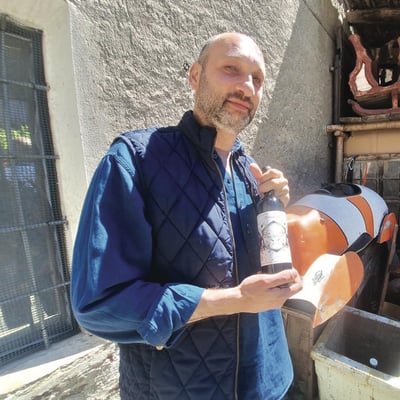
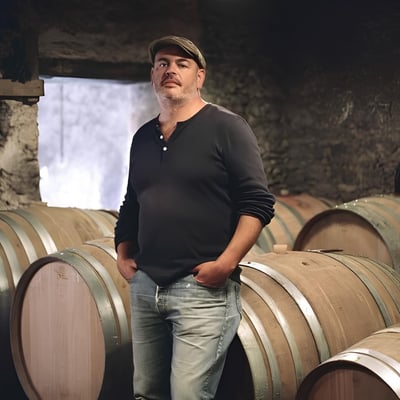
“Why do we find bottles of wine for €2 in supermarkets?” The question might sound naïve, but it raises a very real issue, one that Roberto Salvaneschi, winemaker at Cascina Gasparda in the Monferrato hills of Piedmont, doesn’t hesitate to call out.
The Math Doesn’t Add Up
Do the math: the cost of the glass bottle, cork, label, packaging, the wages of everyone involved in production, transportation. How can all that fit into €2? “I wouldn’t even use it to wash my feet,” says Roberto bluntly.
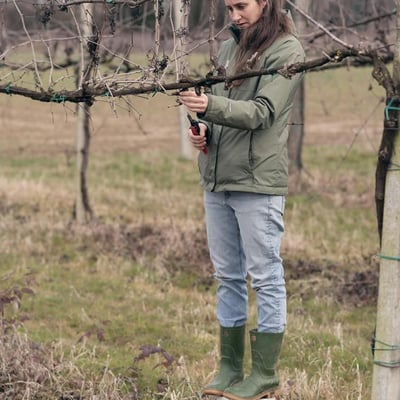
At Cascina Gasparda, a 7-hectare family estate converted to biodynamics, Roberto and his brother Mauro work their vines 365 days a year. Pruning, soil care, hand harvesting, natural vinification without filtration or clarification, sometimes even without added sulfur. “It’s not just about leaving the vines there and picking the grapes,” he insists. “And you can only make wine once a year.”
And that’s the heart of the problem: unlike other agricultural products, a winemaker bets everything on a single annual harvest. A full year of work, care, and climatic risk for one shot at success. When you make natural wine, without the safety net of modern oenology, every mistake can be fatal.
The Other Extreme: The €1000 Bottle
But Roberto doesn’t stop at cheap wine. He also questions the other end of the spectrum, the bottles that sell for €1000, flaunted on Instagram like trophies. “We do the same work. It’s exactly the same,” he observes. “Yields may differ, but we’re in the same ballpark. Just because an area is super famous, they can charge whatever they want, and people buy it.”
It’s not envy speaking. Roberto fully acknowledges the skill behind these prestigious estates. But he questions the imbalance: why should the work of a Monferrato winemaker be worth so little compared to that of a big name from Burgundy or Bordeaux, when the effort and dedication are the same?
“Good for them,” he concedes. “But sometimes there should be a bit more balance between things.”
The Right Price: A Question of Balance
This reflection goes to the heart of our relationship with wine. Between industrial wine sold at rock-bottom prices and luxury bottles turned into investment assets, there’s a whole world of winemakers working with integrity, respect for the land and for people, without the marketing power of the big appellations.
Estates like Cascina Gasparda, cultivating Barbera, Nebbiolo, Freisa, and Grignolino on UNESCO-listed hills, deserve to be valued for what they truly are worth. Neither €2, which doesn’t even cover production costs, nor €1000 born through speculation.
The right price is the one that reflects real work, the commitment to living, sustainable viticulture, and the time invested. A natural wine, crafted without artifice, sold at a price that allows the winemaker to live with dignity from their craft.
So next time you see a bottle for €2, ask yourself: how is that possible? And more importantly: at what cost?