March 12, 2026 - 0 comments
What Are Terpenes in Wine?
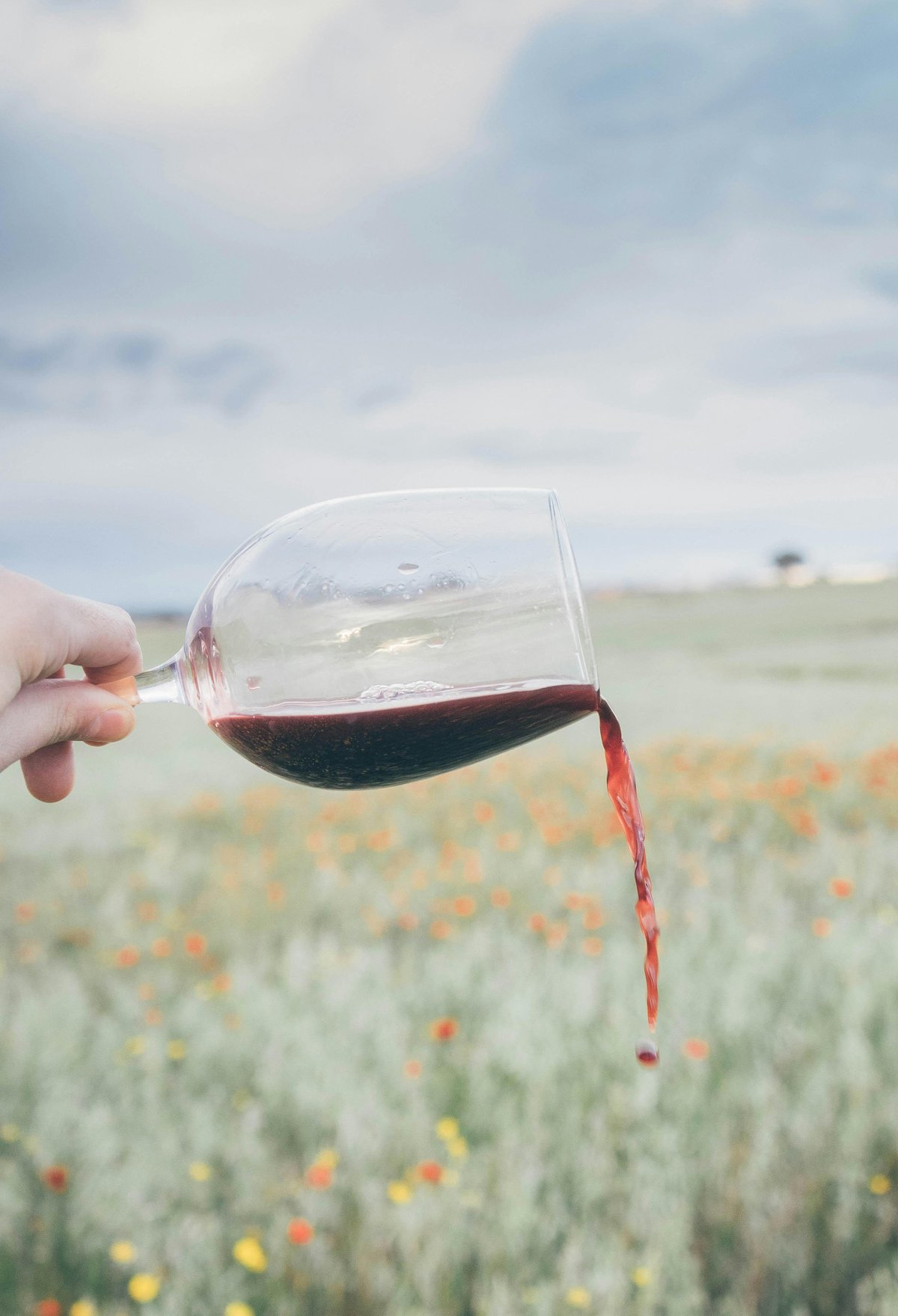
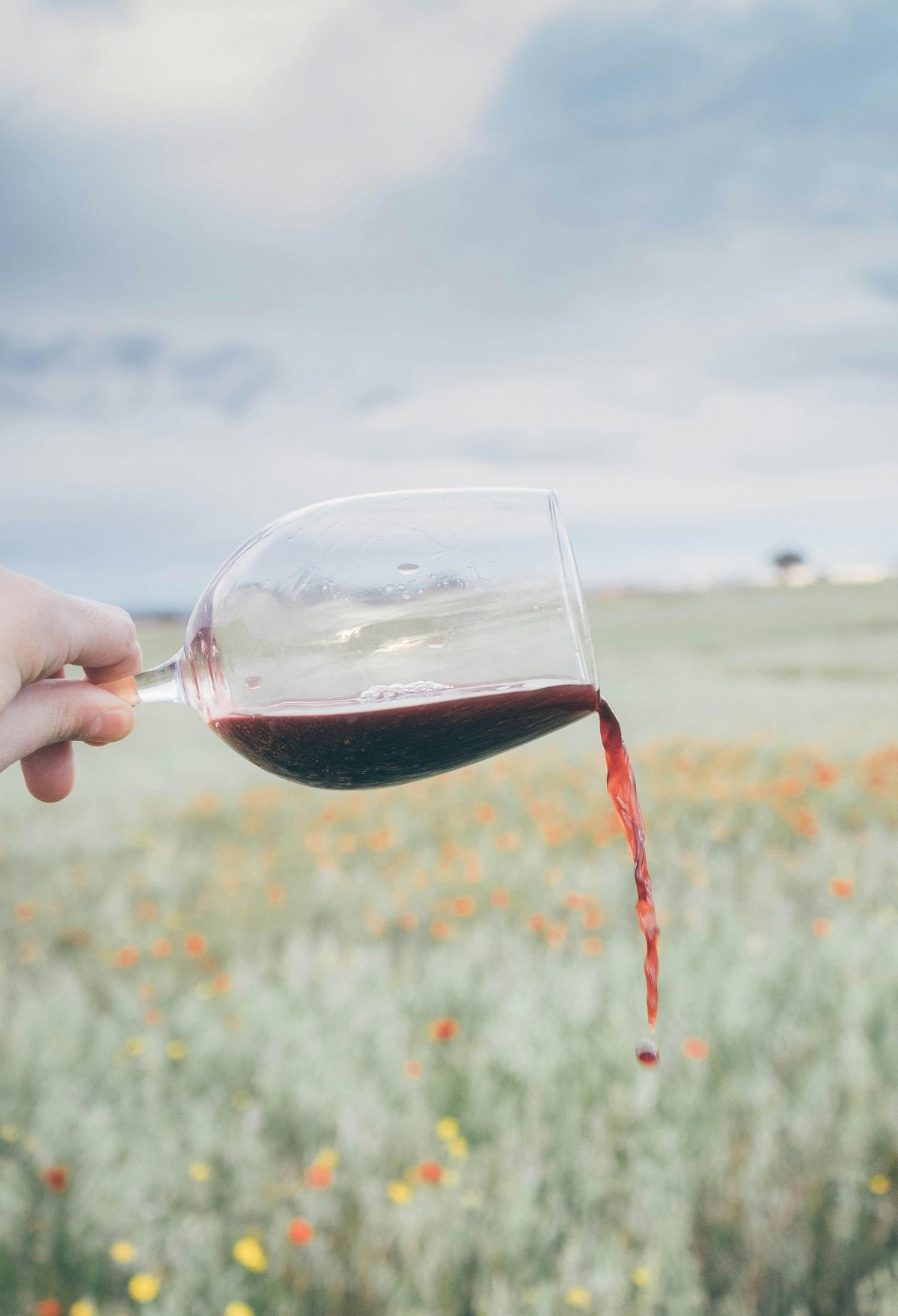
If you’ve ever sniffed a glass of wine and thought, “That smells like citrus… or maybe lavender?”, you’ve already experienced terpenes in action. These fascinating molecules are part of what makes wine so aromatically rich and diverse, and they’re especially noticeable in many natural wines.
Terpenes - a guide
Terpenes are aromatic compounds naturally found in grapes (and many other plants, like herbs, flowers, and citrus fruits). In wine, they contribute floral, fruity, and sometimes herbal aromas, think rose, orange peel, or fresh pine. Essentially, terpenes are the fragrance fingerprint of certain grape varieties.
At a molecular level, terpenes are made of carbon and hydrogen atoms arranged in specific patterns. Their chemical structures give each terpene its unique scent, and even tiny changes can create very different aromas. One way to imagine this: picture each terpene molecule as a tiny, invisible flower floating in the wine. Some float lightly and reach your nose easily, while others stay tucked away. This is why swirling your glass releases more of those scents.
Different grapes produce different terpenes, which is why a Gewürztraminer smells like lychee, a Muscat like orange blossom, and a Riesling often carries citrusy notes. They’re sensitive little molecules, and their expression in wine depends on grape variety, terroir, ripeness, and even winemaking choices.
How Terpenes Show Up in Your Glass
- Grapes: Some grapes naturally produce more terpenes. Aromatic varieties (Muscat, Gewürztraminer, Riesling) are famous for this.
- Ripeness: Terpenes increase as grapes ripen, so the timing of the harvest matters.
- Winemaking: Minimal intervention wines often preserve more of the grape’s natural terpene profile. Filtration and certain additives can mute them.
Fun Fact: Terpenes aren’t just in grapes; they’re also what give cannabis its signature aroma and some of its therapeutic properties.
Terpenes vs. Other Aroma Compounds
It’s easy to call any smell in wine an “aroma,” but scientists like to be precise. Terpenes are just one family of aroma molecules. Others, like esters, form during fermentation and bring fruity notes, while thiols can create tropical or even savory, funky scents. Terpenes are special because they often give that instantly recognizable floral, herbal, or citrus scent that hits your nose first. They’re volatile molecules, which means they easily evaporate into the air above the wine, making them noticeable even at low concentrations. Which grape varieties do you think show off their terpenes the most?