March 08, 2026 - 0 comments
Rachel Carson: The Scientist Who Changed Our Relationship with the Earth
On March 8th, we often think of activists, visible pioneers, voices that spoke loudly and clearly. But some revolutions begin in silence, or rather in the denunciation of a silence. The silence of birds that no longer sing. The silence of soils that no longer live. The silence of a nature we have poisoned without truly paying attention. Rachel Carson was one of them.
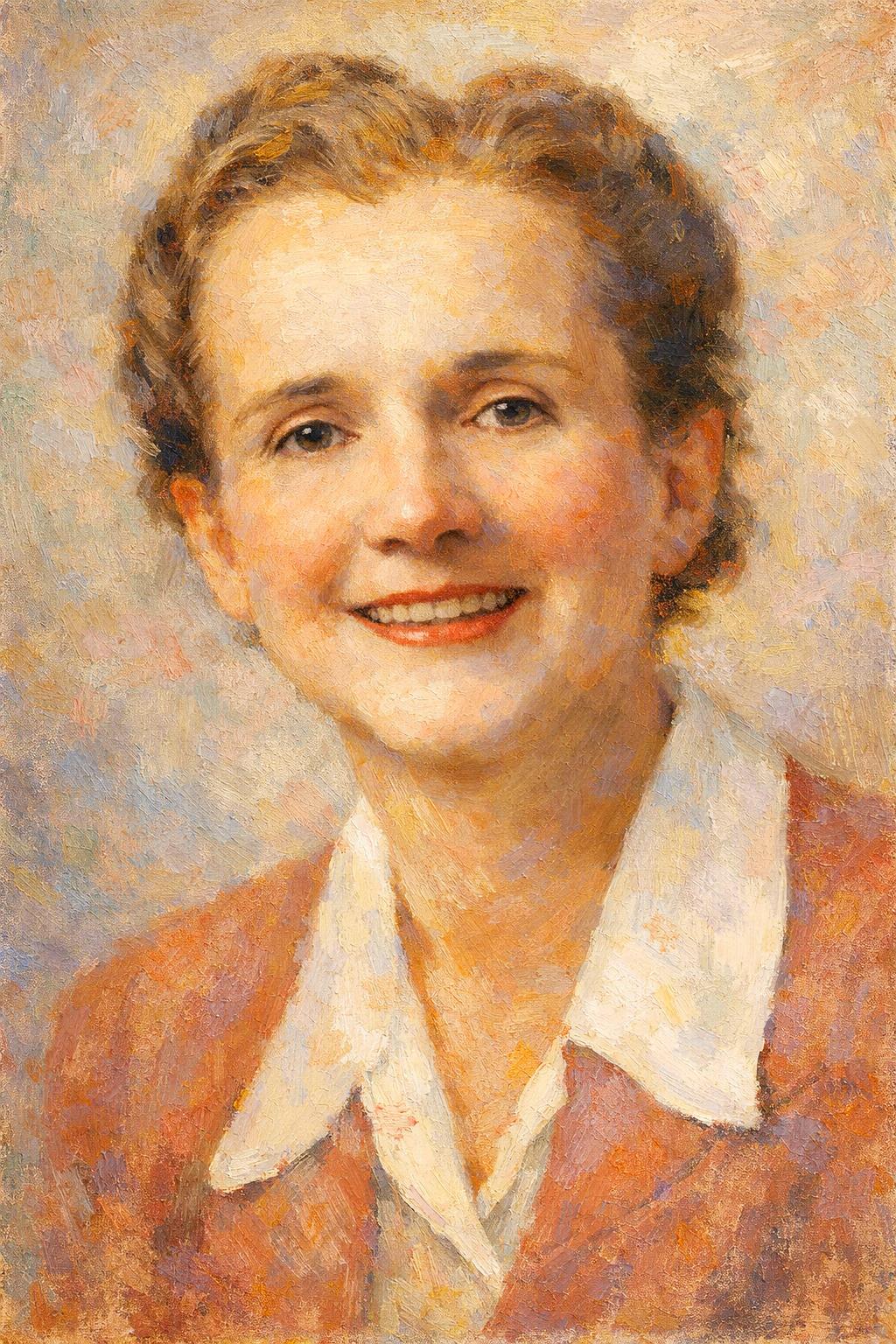
Biologist, writer, visionary
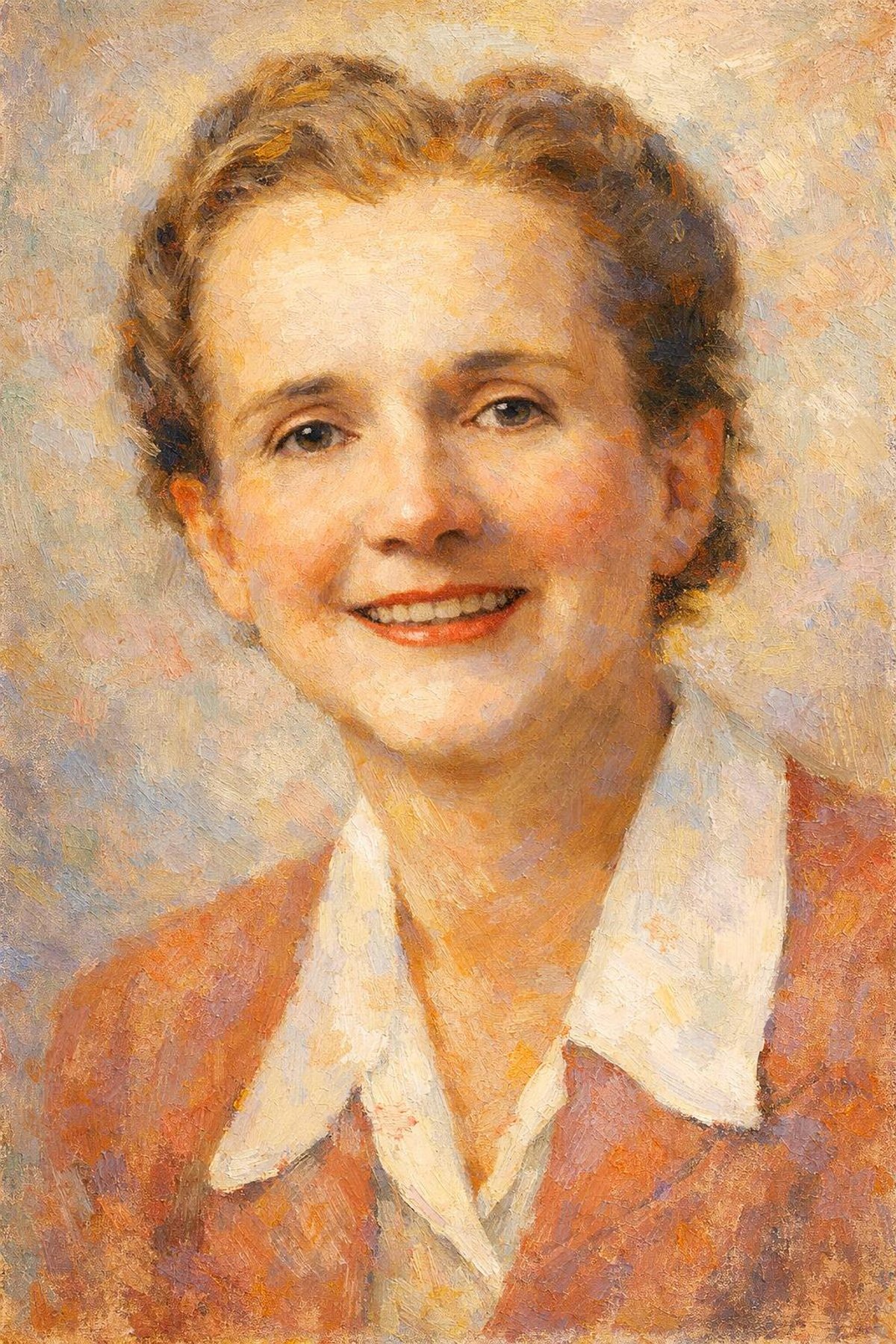
Rachel Carson (1907–1964) was not a winemaker. She never held pruning shears or harvested grapes under the September sun. Yet if today you hold a glass of natural wine in your hand, a living wine made without chemicals by a winemaker who has chosen to respect soil and ecosystem, she has something to do with it.
An American marine biologist, she graduated from Johns Hopkins University during the Great Depression and began her career at the U.S. Bureau of Fisheries. Very quickly, one thing set her apart from her colleagues: her ability to make science feel almost alive, accessible. She wanted the public to understand the living world, not just experts in white lab coats.
Her sea trilogy, Under the Sea-Wind in 1941, The Sea Around Us in 1951, and The Edge of the Sea in 1955, established her as one of the great scientific writers of her time. The Sea Around Us became an international bestseller and won the National Book Award. At its core was a powerful idea that would resonate for decades: humans do not dominate nature. We are part of it.
Silent Spring: The Book That Changed Everything
In 1962, she published Silent Spring.
The book exposed the widespread use of chemical pesticides, particularly DDT, a synthetic insecticide considered a miracle solution since World War II. Carson demonstrated, with scientific evidence, how these substances infiltrate soils, contaminate groundwater, accumulate in the bodies of animals and humans through the food chain, and cause the silent deaths of birds. The title itself is chilling: a spring without birdsong. A world where what once sang has been silenced.
The impact was immediate and immense. The chemical industry fought back aggressively. Carson was portrayed as emotional, hysterical, incompetent, and anti-progress. The attacks were fierce, gendered, and dismissive. She testified before the U.S. Congress. She remained calm, factual, and irrefutable. What is often forgotten is that she wrote Silent Spring while battling breast cancer. She died two years after its publication, in 1964. But her work endured.
A Tangible Legacy
Rachel Carson’s impact goes far beyond symbolism. It is measurable. DDT was banned in the United States in 1972. The Environmental Protection Agency was created in 1970. The global environmental movement gained decisive momentum. And above all, one idea took root: our agricultural choices have invisible, slow, systemic consequences. This idea lies at the heart of natural wine.
What She Has to Do with Your Glass
Rachel Carson did not speak about vineyards. But she spoke about living soils, fragile food chains, and the illusion that we can drench the earth in poison without consequences. The natural winemakers you find on Raisin, those who refuse herbicides, pesticides, and synthetic additives, continue her work in their own way. They trust the invisible living world: soil microorganisms, wild yeasts, the ecosystems that allow a terroir to truly exist. Without the awareness Rachel Carson sparked, without the book that forced the world to confront the consequences of chemical agriculture, the path toward more respectful practices (What's the Difference Between Organic, Biodynamic, and Natural Wine?) would have been much longer and far more difficult.
She opened a path. Others followed, pruning shears in hand.
One Sentence, One Philosophy
She wrote:
“In nature, nothing exists alone.”
Not a vine. Not a soil. Not a bird. Not a human being. Not a glass of wine.
Celebrating Carson Means Celebrating All Those Who Held Their Ground
On March 8th, we celebrate women who changed the world. Among them are outspoken activists and methodical scientists who stood up to powerful industries armed with data and courage. Rachel Carson was one of them. She did not ask for permission. She wrote. She proved. She resisted. And somewhere, in every glass of natural wine, in every winemaker who chooses not to spray, in every soil that still breathes, she is there.
Happy International Women’s Day. And to all the Rachel Carsons still working, in vineyards and beyond. As spring begins, take a moment to open the window: if you hear birds singing, it is also a little thanks to her. 🍷