May 21, 2025 - 2 comments
Why Wein Goutte Is Betting on PIWI Grapes for Sustainable, Natural Wines
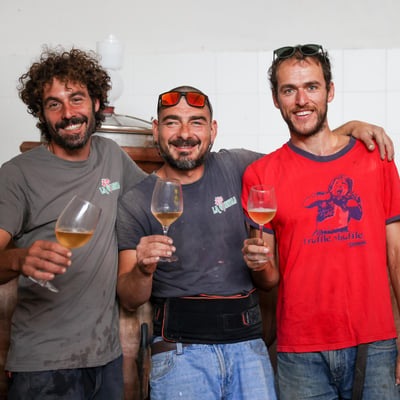
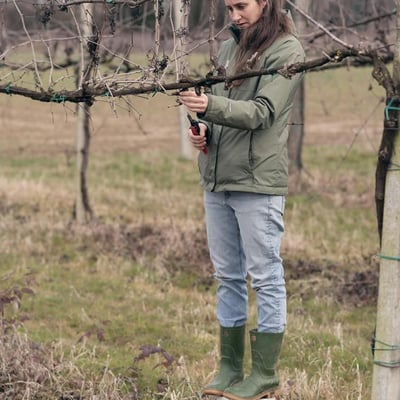
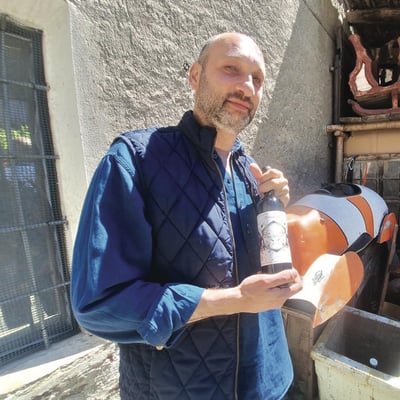
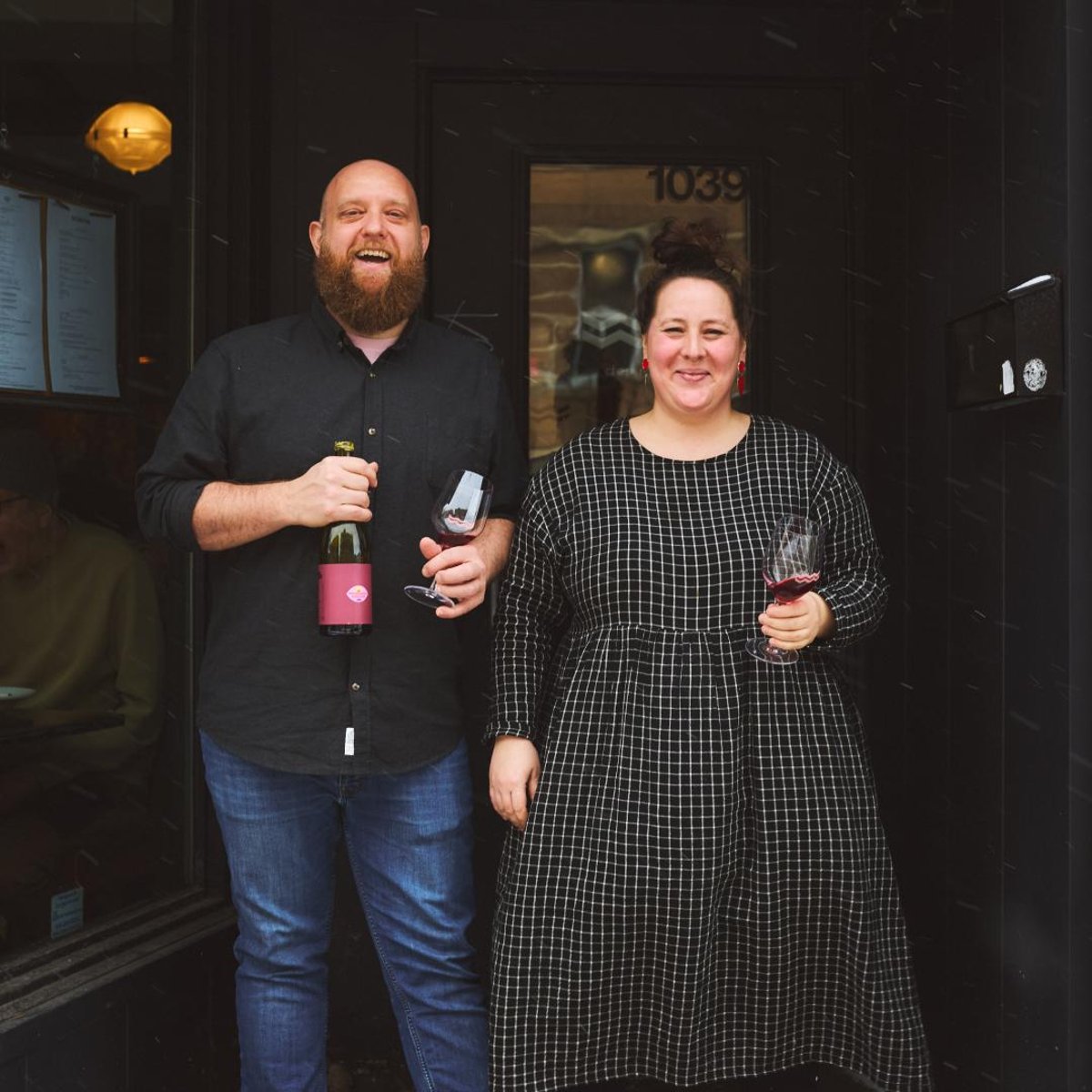
Wein Goutte is the project of Emily Campeau and Christophe Müller, a former chef and sommelier who left restaurant life behind to make wine rooted in care, creativity, and sustainability. After meeting during harvest in 2018, they moved to Franconia in 2021 to take over the organically farmed vineyards of Linda and Erhard Hassold. Working largely with PIWIs, fungus-resistant hybrids like Johanniter and Muscaris, they craft expressive, natural wines inspired by their culinary past. Each vintage comes with playful new labels and names, keeping their identity as fluid and intuitive as their process.

📸 Credits @danielpeterphotography @audreyeve.beauchamp @fannie_laurence
At Wein Goutte, the future of wine might just lie in grapes most people still haven’t heard of. Since taking over a longtime organic farm in Franconia, the team has fallen hard for PIWIs, fungus-resistant hybrid varieties, that are changing the way they think about growing and making wine. "One-third of our grapes are hybrids, and we wouldn’t change that for the world."

PIWI stands for "Pilzwiderstandsfähig", a German term meaning fungus-resistant, and refers to a modern type of hybrid grape bred to require little or no spraying in the vineyard. “We were so excited when we learned that we had a few PIWIs vineyards to work with,” they explain. “Some of them are over 25 years old, and one Johanniter plot on the hillside of the Tannenberg has never, ever been sprayed.”
That kind of resilience makes a big difference, especially in the face of climate change and rising vineyard costs. Even in a wet year like 2024, their other PIWI plots only need about three treatments. “That in itself is extraordinary.” They’re not just easier in the vineyard. These grapes bring character to the wines, too. “Johanniter is the workhorse of our white blend every vintage, bringing structure and acidity. Muscaris adds perfume and floral notes. Regent, with a short maceration, brings bright fruit and playfulness to our reds.”
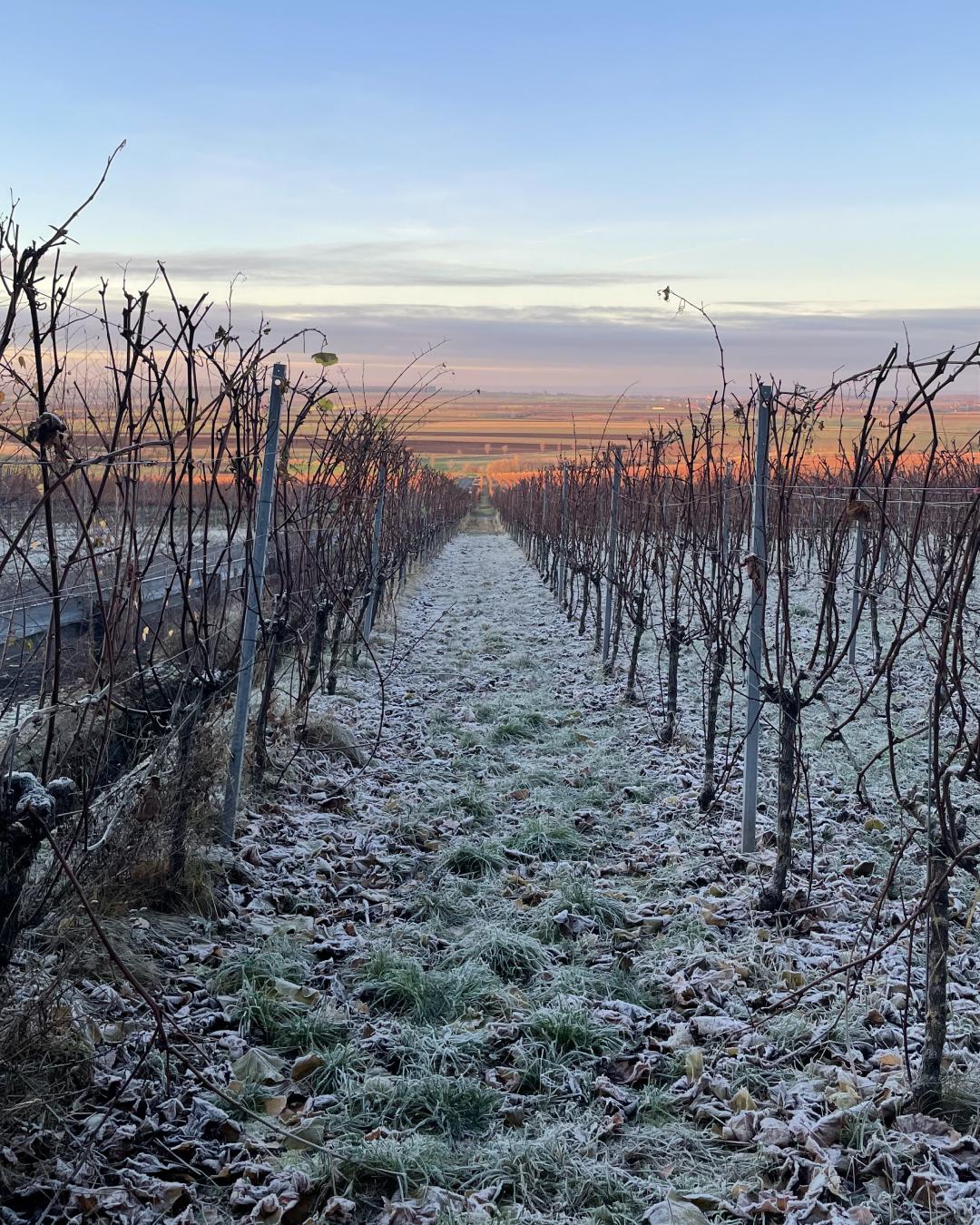
Not everyone’s on board yet. “The conversation around PIWIs is not changing fast enough,” they say. “You’re not going to make white Burgundy with Johanniter, but you can make something delicious and respectful of the grape with a lower environmental impact.” For them, it’s a no-brainer. “If we ever had to replant, we’d go with PIWIs again. Maybe even a field blend of different colors.”

Have you tried PIWI’s? What’s been your favourite?