June 04, 2026 - 0 comments
Grafting: The Invisible Scar Inside Every Bottle of Wine
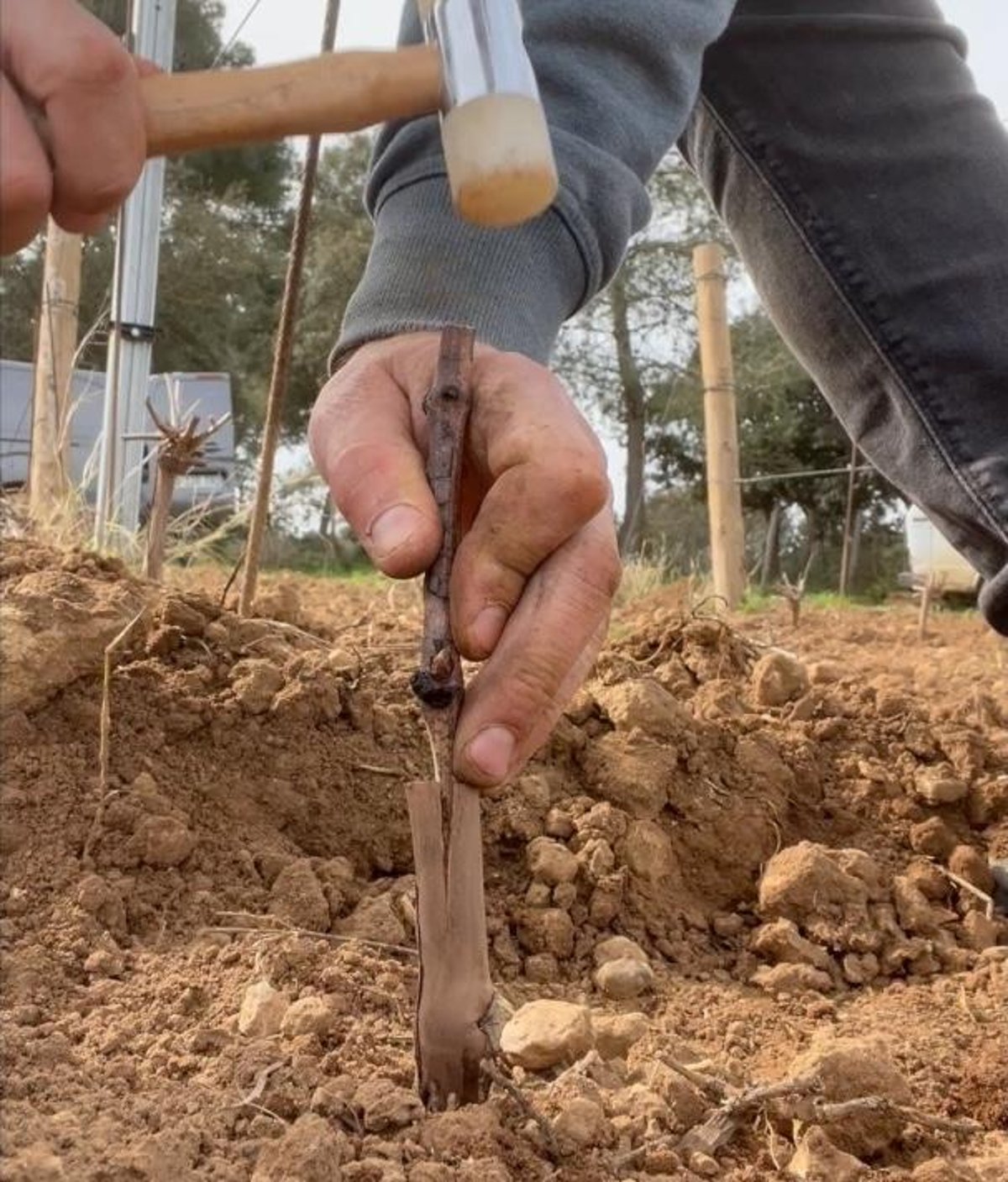
There is a cut hidden in almost every vine in the world. Discreet, close to the ground, often overlooked. Yet without it, European wine as we know it would probably no longer exist. It is the scar of grafting, and it tells the story of one of the greatest crises in wine history.
The Day the Vines Almost Disappeared
From the 1860s onwards, a tiny insect from North America arrived in Europe through imported vine cuttings. Its name was phylloxera. It attacked the roots of Vitis vinifera, the European grapevine, in silence. Vines would often decline for years before anyone fully understood the cause. First reported in France in 1863, it devastated large parts of the French vineyard within a few decades before spreading across Europe. Bordeaux, Burgundy, Champagne and many other wine regions were severely affected. European viticulture was on the brink.
Ironically, the solution came from the very same continent. American grapevines had evolved alongside the insect and were far more resistant to its attacks. Growers began grafting European grape varieties onto American rootstocks. The roots protected the plant, while the grafted vine produced the fruit. Two origins. One vine.
The taste remains that of European grape varieties. The roots, however, are American.
Today, the vast majority of the world's commercial vineyards are grafted. Every bottle carries this invisible scar.
A Skill Learned, A Craft Passed On
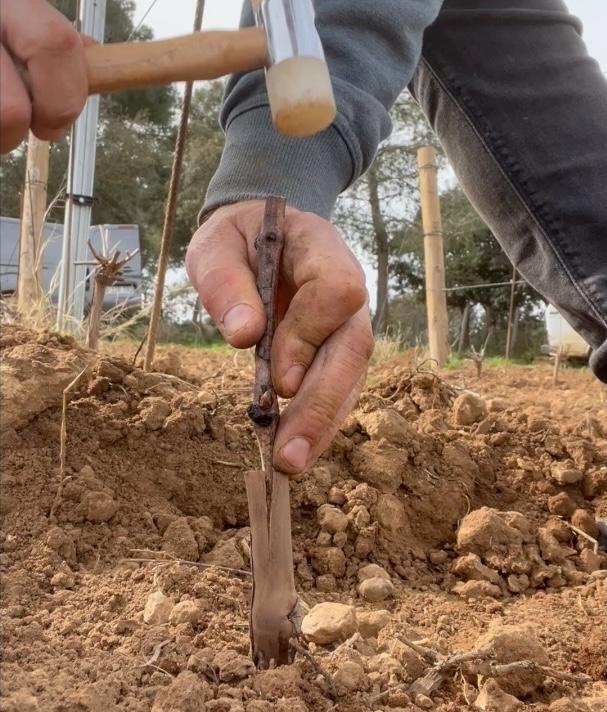
More than a century later, grafting remains a specialised skill at the heart of vineyard management. This is where Vitigreffe comes in. Founded by Jérôme and Grégory Ragueneau and based in Roquevaire, in southern France, the company has specialised in vine grafting and top grafting for more than twenty years. They work throughout France and internationally, using precise, proven techniques passed down with care.
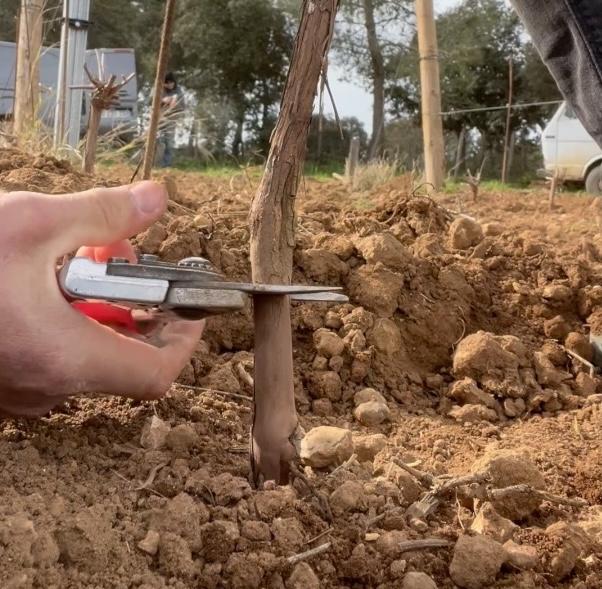
Their work addresses a variety of situations: changing grape varieties without uprooting established vines through top grafting, renewing vineyards affected by trunk diseases such as esca through re-grafting techniques, or promoting deeper root development in challenging soils through field grafting. Each situation calls for a different approach, adapted to the vineyard's needs.
Grafting Is Also About Healing
What is less often discussed is that grafting can also be a powerful tool for vine health. Top grafting, for example, removes years of pruning wounds and necrotic wood in a single operation. These accumulated injuries can disrupt sap flow and gradually weaken the vine. The result is a healthier framework and the possibility of harvesting again as early as the following year.
As climate change reshapes winegrowing, encouraging deep root systems from the moment a vineyard is planted has become increasingly important. Vines that access water from deeper soil layers are often better equipped to withstand drought, heatwaves and the challenges of more variable vintages.