August 31, 2026 - 0 comments
Domaine Adrien Berlioz: freshness is also built in the press
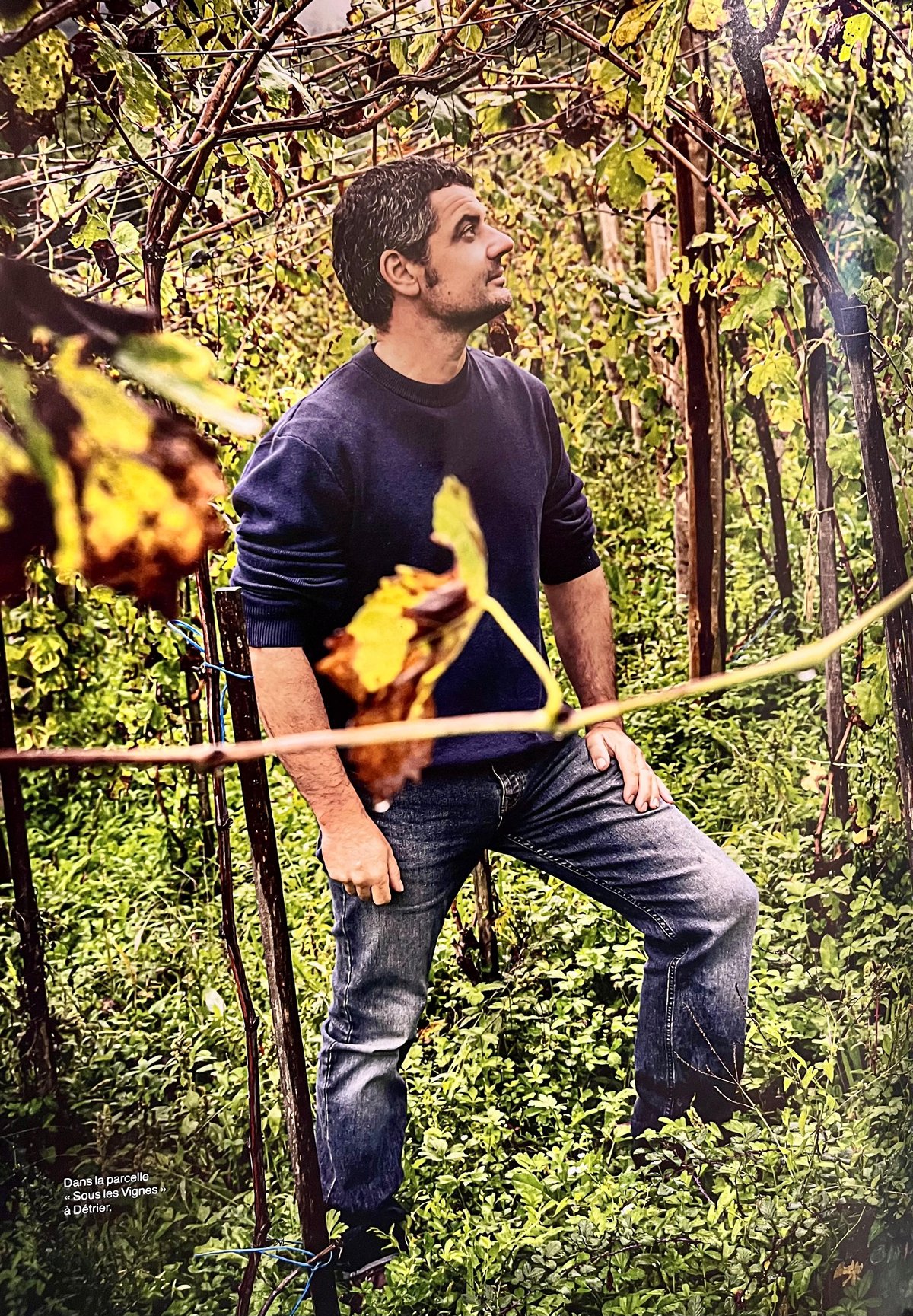
Adrien Berlioz makes wine at Domaine Adrien Berlioz in Chignin, Savoie. In the face of climate change, much of the freshness in his wines is built at the press.
A new quest in a warming climate
The climate is changing, and so is the way we think about wine. Today, most winemakers are looking for the same thing in different forms: acidity, minerality or bitterness. Three different ways of bringing freshness to wines that heat can otherwise push towards heaviness.
Long pressing for Roussanne
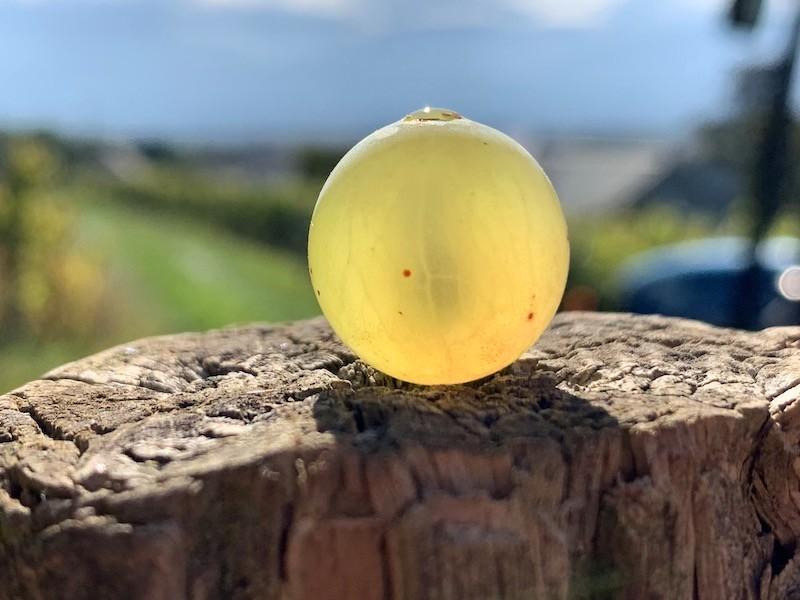
For Roussanne, one of the estate’s key grape varieties, Adrien Berlioz has chosen to work with bitterness. The pressing is long, pneumatic and patient.
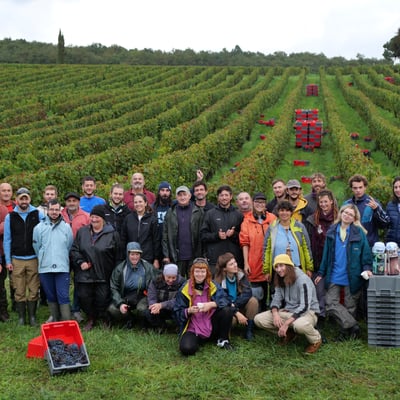
It all begins at harvest. The grapes are picked into crates so that they reach the press intact, with very little juice already oxidised. Preserving the condition of the grapes is essential for what comes next: methodically, the winemaker seeks out the subtle bitter notes that give the wine depth and a fresh finish.
A sensitive process, carried out as a team
There is no fixed recipe for successful pressing. Above all, it is a matter of sensitivity, and Adrien Berlioz relies on his team as much as on his own judgement: they observe the appearance of the bunches, assess the condition of the grapes and taste, again and again.
In the cellar, there are always three or four people making decisions together. “I often trust my impressions,” he says, but nothing is set in stone: at any point during pressing, the team can reconsider its decision, slow things down, stop or extend the process.
Pressing time changes every year
Most of the time, pressing lasts four hours. It can go up to six. But in a difficult vintage like 2024, when the stems were not ripe enough, the team preferred to stop after two hours to avoid extracting too much.
The estate grows sixteen different grape varieties. That means sixteen different ripening cycles, and just as many decisions to make each year, without any fixed framework. “Every year is a new challenge,” Adrien Berlioz sums up.
As the climate warms, freshness is no longer only a matter of what happens in the vineyard. It is also built patiently at the press, one decision at a time.
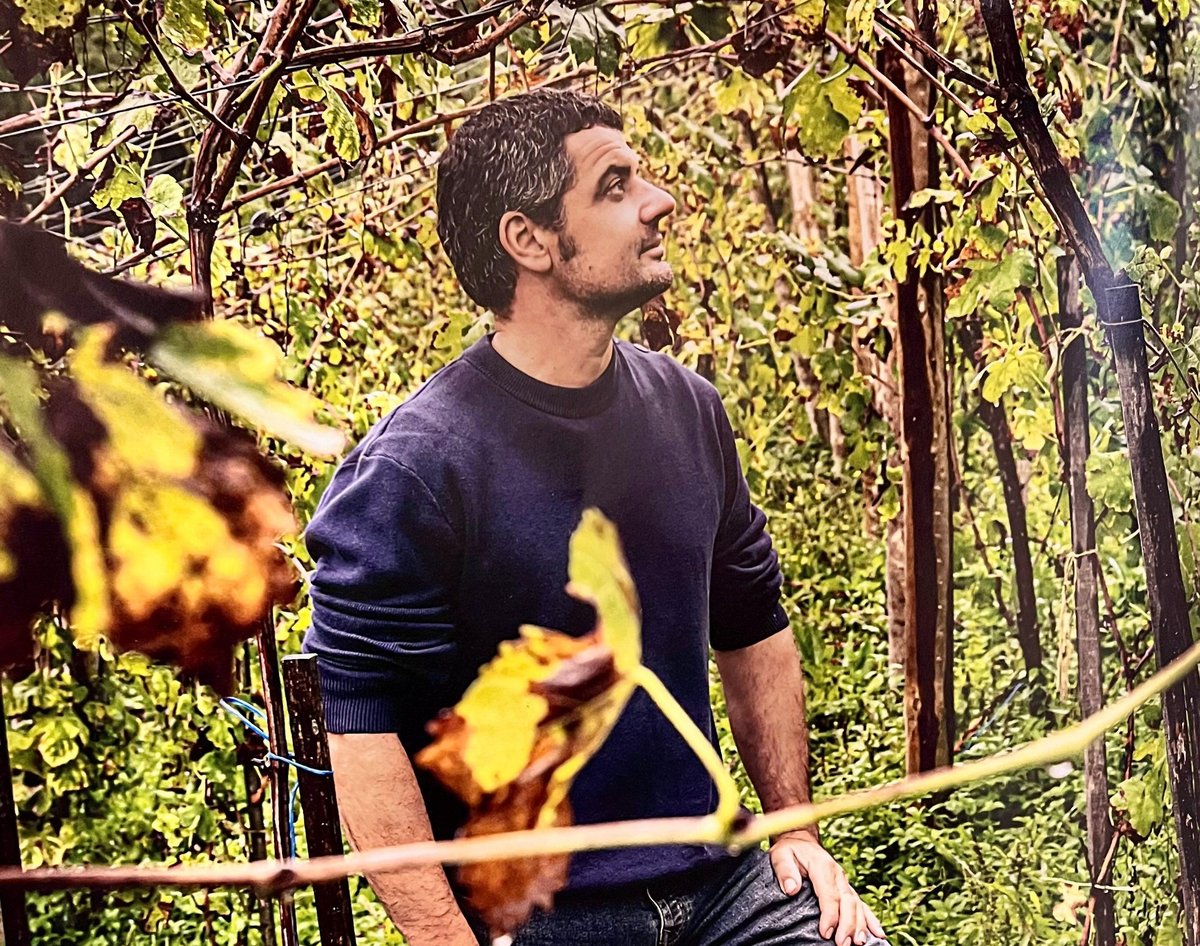
The estate at a glance
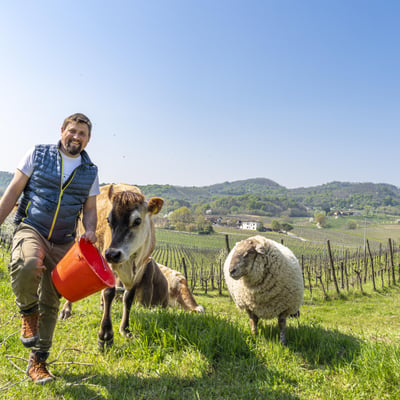
Domaine Adrien Berlioz grows sixteen grape varieties on the clay-limestone soils of the Bauges foothills. The mountains have created many different soil types over very short distances, so the estate works each plot individually. In the vineyard, techniques are adapted to the slope: hand tools, animal traction with mules and horses, tractors and winches on the steepest hillsides. Farmed according to organic and biodynamic principles (Demeter and Ecocert AB certifications), the estate produces wines under the AOP Vin de Savoie, Chignin, Chignin Bergeron, IGP Vin des Allobroges and Roussette de Savoie appellations, from grape varieties including Jacquère, Altesse, Roussanne, Mondeuse and Persan.