July 27, 2026 - 1 comments
Chinon: the appellation as a framework, not a straitjacket
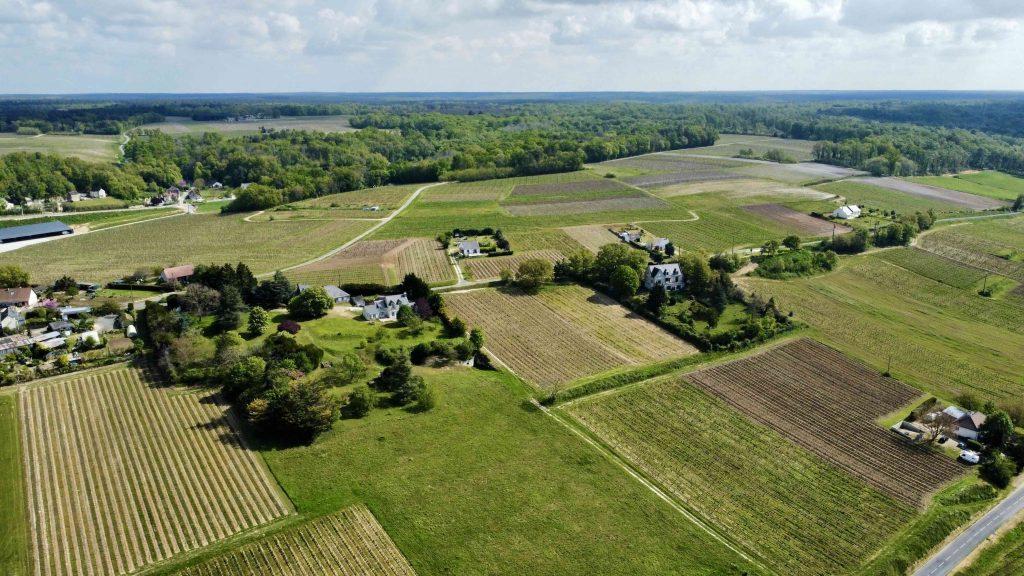
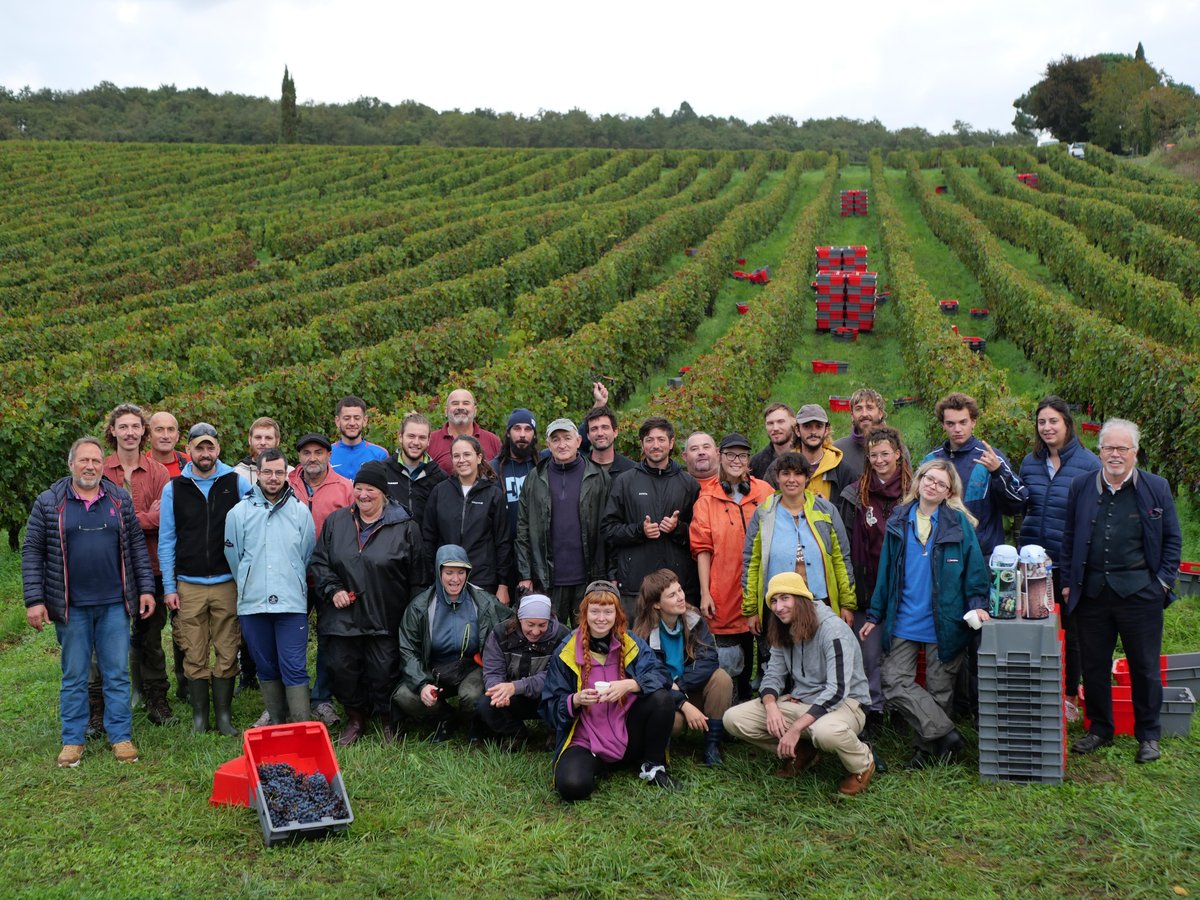
In Cravant-les-Côteaux, Domaine des Bernard farms thirteen hectares of vines within the Chinon appellation: ten hectares of Cabernet Franc and three of Chenin, all organically farmed since the estate's first vintage.
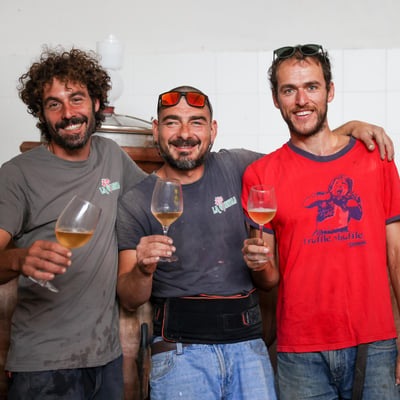
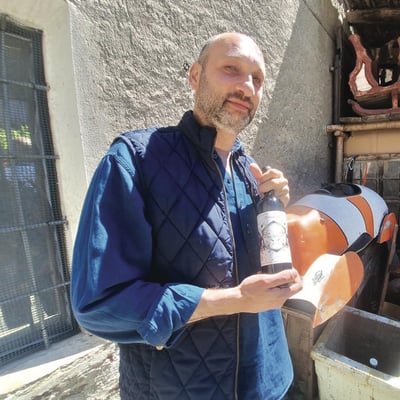
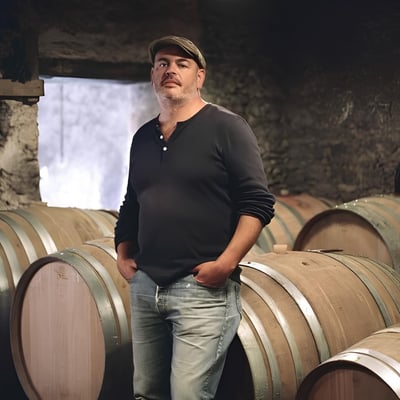
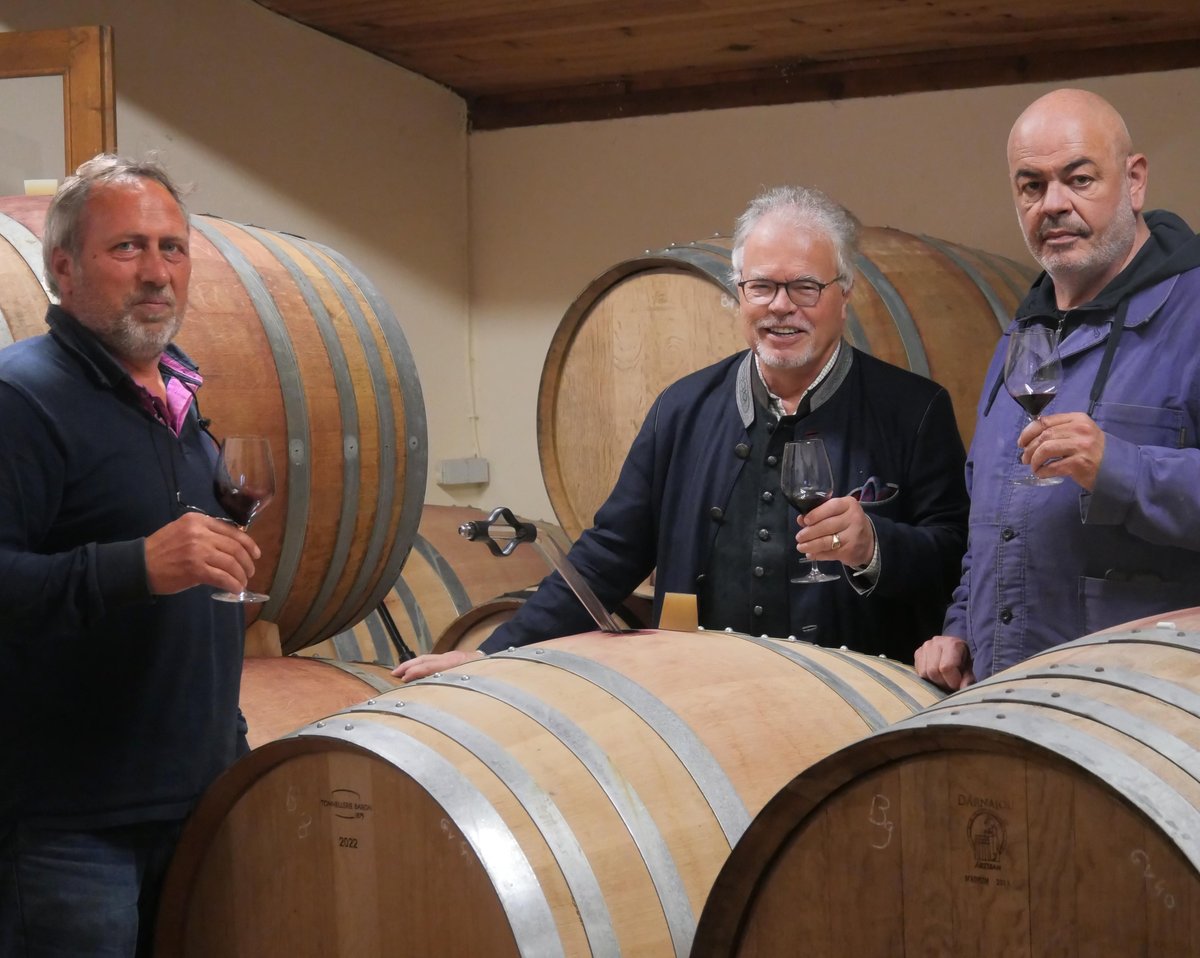
Cabernet Franc produces Chinon red, the heart of the appellation, while Chenin, planted on the same slopes, is used to make a small-production Chinon white. The soils vary considerably from one plot to another: sandy-silty soils at the foot of the slope, where the Les Trois Piliers cuvée is produced; more clay-rich soils halfway up the slope, in Pallus; and limestone at La Croix Boissée, at the top of the hillside. Nicolas Reau, a winemaker known for his natural approach, and Bernard Pelé, the estate manager, work together using a low-intervention winemaking approach: hand harvesting, no added yeasts, no pumping and sulphur kept to an absolute minimum.
It was with Bernard Pelé that we discussed a subject that shapes every aspect of his work: the appellation.
A framework that raises standards
For Bernard Pelé, the appellation is not primarily a constraint. It sets out precise rules for vineyard management, including row spacing and the number of buds per hectare. He considers these rules broadly beneficial because they bring discipline to the vineyard without diminishing it.
It also organises a selection of terroirs. Some plots are classified within the appellation, while others are not, depending on the nature of their soils. It is a selection based on soil types, one that gives structure to the vineyard rather than confining it.
The temptation of freedom
Bernard Pelé does not deny that tensions can arise. Straying slightly from the established path can result in a wine being rejected. He knows natural winemakers who have left the appellation in order to gain greater freedom in their methods, and he understands their decision.
But his conclusion remains clear: the appellation still carries weight. It is a framework, and choosing to work within that framework remains an interesting option, not an obstacle to work around.