October 22, 2026 - Featured Winemaker - No comment
Bringing Polish Natural Wine to the World
Maciej Sondij of Dom Bliskowice on making natural wine in Poland, finding an audience abroad, and the people who helped him follow his own path.
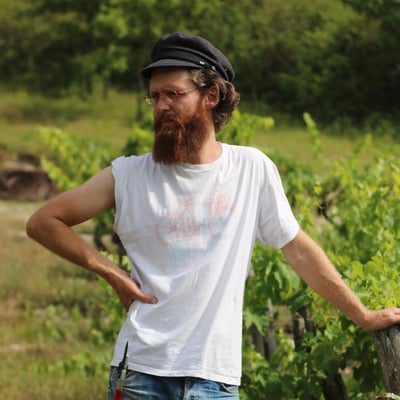
Ten years ago, Poland had around 20 wineries. Today, there are hundreds. But for Maciej Sondij, co-founder of Dom Bliskowice alongside Lech Mill, the growth of Polish winemaking has not necessarily meant a shift towards natural wine.
“Around 80% of wineries were still going the conventional way.”
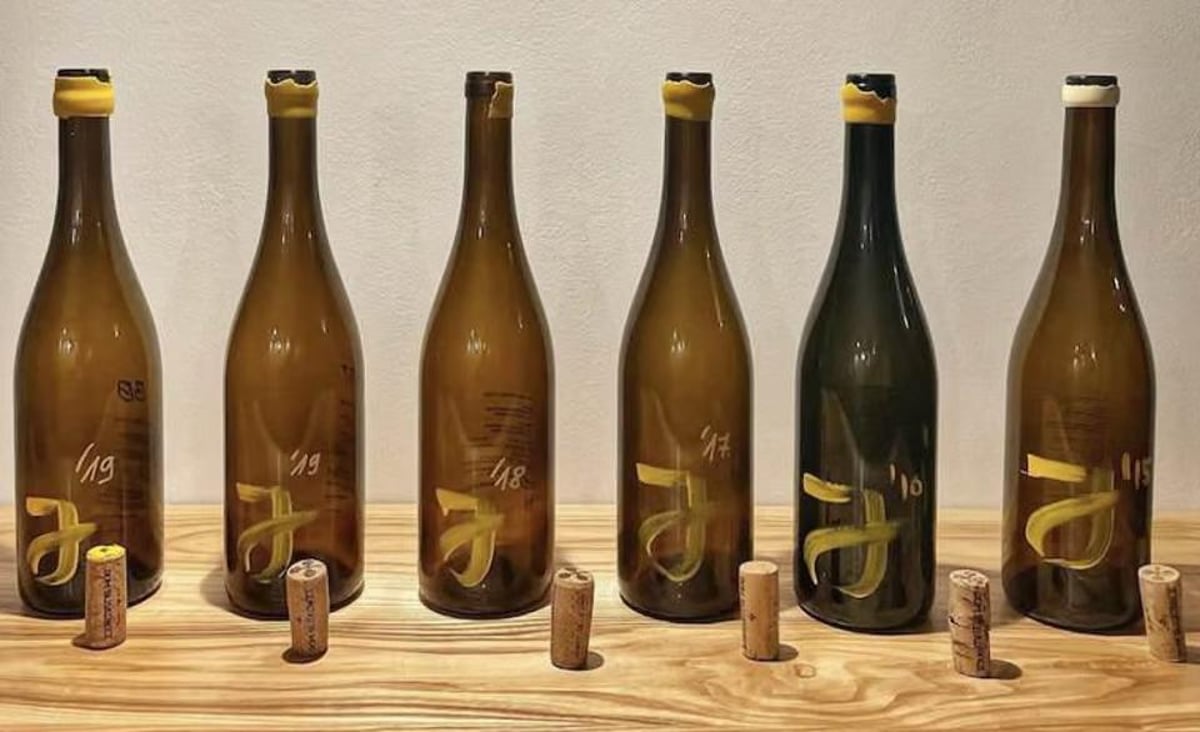
Based in Bliskowice, in eastern Poland's Lubelskie region, Dom Bliskowice has become one of the country's pioneering natural wine producers. With minimal intervention in both the vineyard and the cellar, the project was built on a clear philosophy: let the grapes and their surroundings speak, rather than trying to reproduce a predetermined style.
Starting from Scratch
Poland is not a country traditionally associated with wine production, at least in the minds of many contemporary wine drinkers. Its modern wine industry has developed relatively recently, and producers have had to establish both their vineyards and their place in a market dominated by more established wine-producing countries.
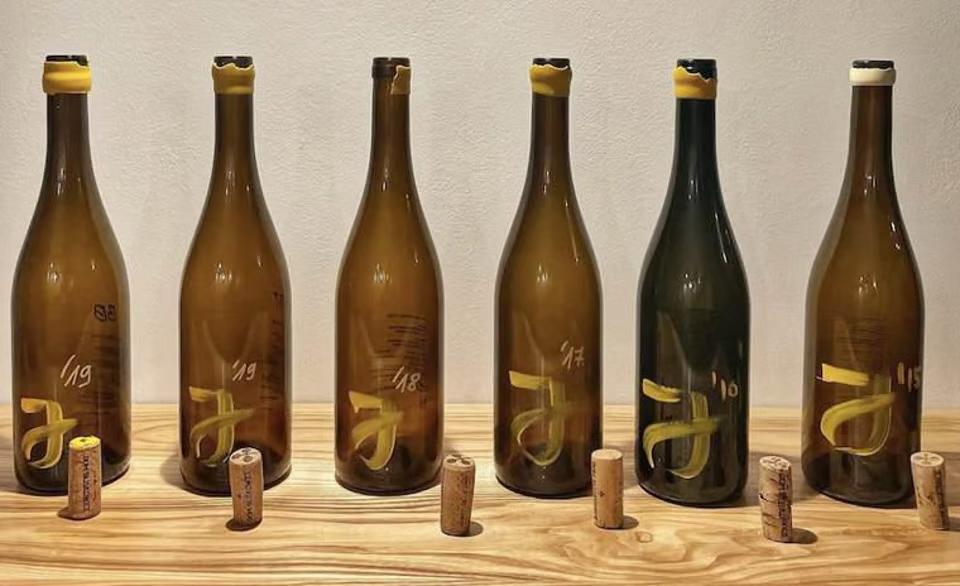
Dom Bliskowice planted its first vines in 2009 on the limestone slopes overlooking the Vistula River. The site, with its south-western exposure and distinctive soils, became the foundation of the project.
The philosophy was one of minimal intervention, with a focus on working as closely as possible with nature. Sondij describes their approach in simple terms: hand harvesting, spontaneous fermentation, and a commitment to natural winemaking from the outset.
There was no conventional model to move away from, no established identity to preserve. They were building something of their own.
“It's Good for a Polish Wine”
At first, selling the wines at home proved difficult.
Sondij remembers presenting the wines to Polish consumers who were more familiar with conventional styles. The response was often qualified.
“It's good for a Polish wine, but, you know, I had a better Italian wine from the supermarket.”
The comment captures a challenge producers in emerging wine regions face. People judged the wine not only on what was in the glass, but also on where it came from.
Poland's wine culture was still developing, and expectations were shaped by countries with centuries of established production and international recognition. For a producer working outside those familiar regions, changing perceptions could be just as difficult as making the wine itself.
Rather than accept that limitation, Sondij looked elsewhere.
From Raw Wine to Dive Bouteille
The wines began traveling. Sondij took them to Raw Wine events in Vienna, London and Berlin, as well as Karakterre in Vienna and, eventually, Dive Bouteille in France.
These gatherings offered something different from the domestic market: an audience already interested in natural wine, open to unfamiliar regions and willing to discover producers beyond the traditional wine capitals.
“People don't care if it's Poland, if it's Moldova, if it's Slovenia. They just come. If it's good, it's good.”
The reaction was a revelation. Instead of having to overcome the assumption that Polish wine could only be good by Polish standards, the wines could be judged on their own merits.
And the response was encouraging.
“Where are you from? Poland? Poland? You make such fantastic wine there?”
For Sondij, this was the moment he understood the way forward. The wines had found an audience, and their origin was becoming a point of interest rather than an obstacle.
A Polish Wine with an International Audience
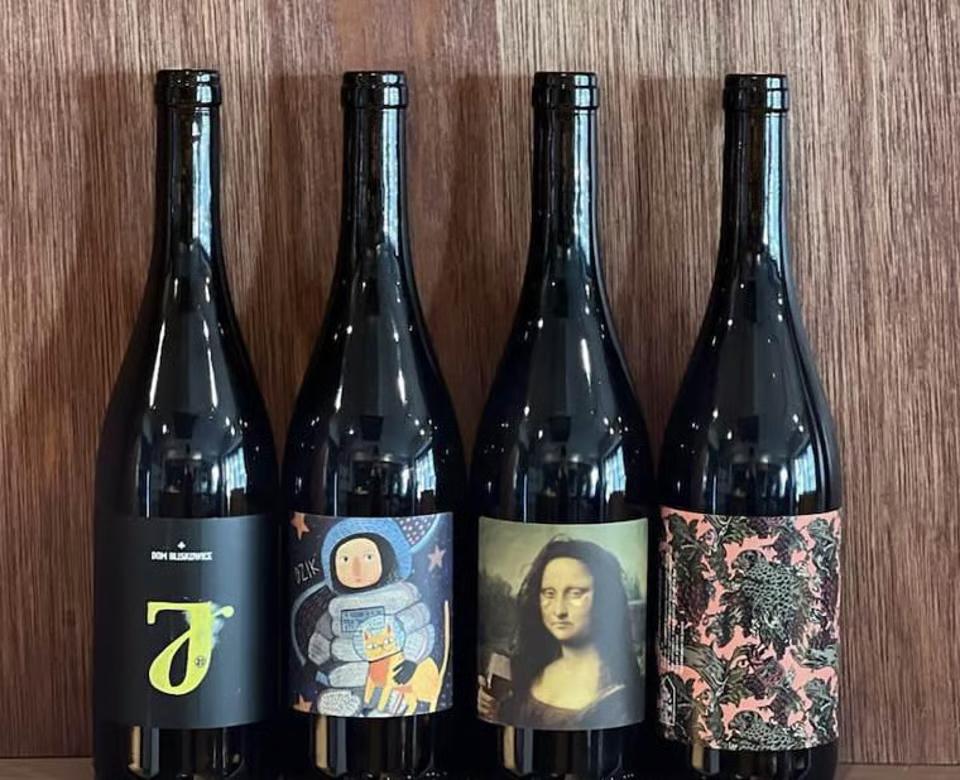
After five years of attending wine fairs, Dom Bliskowice had built a substantial international market.
Today, Sondij estimates that around 70% of the winery's production is exported, reaching countries from Canada to South Korea. The remaining 30% stays in Poland.
This striking balance for a Polish producer reflects the natural wine community's role in bringing unfamiliar wines to new audiences.
Poland's wine industry has continued to expand. Official figures from the country's National Support Center for Agriculture recorded 673 grape growers cultivating more than 1,000 hectares of vines in the first quarter of 2025, alongside more than 300 businesses involved in wine production or bottling.
But growth in the number of producers does not automatically translate into recognition for Polish wine. For Sondij, the domestic market remains more reserved towards its own wines than he has experienced elsewhere.
Years of trying to sell wine at home have shaped this perception, and it helps explain why international fairs and independent wine bars have been so important to the winery's development.
The People Along the Way
Despite the importance of international markets, Sondij quickly acknowledges that the journey has never been a solo effort.
“A lot of people helped me and pushed me. The community of natural wines, they are such beautiful people.”
That sense of community is central to the natural wine world. Growers, importers, independent wine shops, restaurants, wine bars, and festival organizers create networks that let producers meet new audiences and build lasting relationships.
For a winery in a country still establishing its contemporary wine identity, those connections can make a real difference. They offer a route into international markets, but also something less tangible: encouragement to keep going when the response at home is uncertain.
At Dom Bliskowice, that community's support helped turn an ambitious project into a winery with international reach.