October 20, 2026 - Featured Winemaker - No comment
Domaine de la Borde: Julien Mareschal and the Perfume of Volatile Acidity
At Domaine de la Borde in Pupillin, in the Jura, winemaker Julien Mareschal has an unusual way of describing volatile acidity. He compares it to perfume.
It is a simple analogy, but one that captures something essential about wine: the difference between an aroma that adds complexity and one that overwhelms everything else.
Pupillin, a Cellar in a Former Distillery
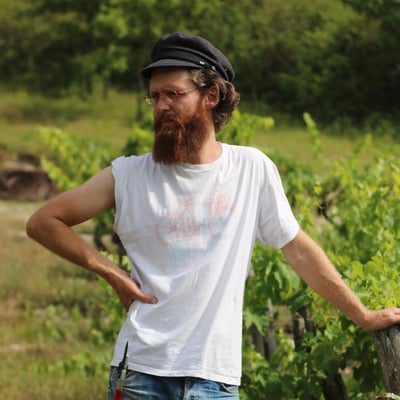
Julien Mareschal founded Domaine de la Borde in 2003, without any family connection to wine. He grew up in a family of grain farmers and studied agriculture before finding his way into viticulture.
He established his cellar in a former municipal distillery overlooking the vineyards. Today, the estate covers around five hectares, planted with the Jura's traditional grape varieties: Ploussard, Trousseau, Savagnin, Chardonnay and Pinot Noir.
Each plot brings its own combination of soils, exposure and character.
In the cellar, intervention is kept to a minimum. Fermentations rely on indigenous yeasts, no additives are used, and sulphur is kept to an absolute minimum.
Volatile Acidity: A Question of Balance
Few subjects divide natural wine drinkers quite like volatile acidity. For some, it is a fault to be avoided. For others, it can contribute to a wine's aromatic complexity. The difference often comes down to intensity and balance.
Julien Mareschal approaches the subject through the language of perfume.
"Once you start noticing it, there's too much of it."
A perfume does not need to announce itself to be present. Its presence can be subtle, almost imperceptible, yet still shape the impression it leaves.
Volatile acidity can work in a similar way. At low levels, it may contribute lift and aromatic complexity without dominating the wine. As it becomes more pronounced, however, its sharper, vinegar-like or solvent-like notes can begin to overshadow everything else.
The distinction is not simply between presence and absence, but between integration and excess.
For Mareschal, the aim is not necessarily to eliminate volatile acidity altogether. It is to find the point at which it contributes to the wine without becoming the first thing you notice.
Vin Jaune: Ageing Under a Veil of Yeast
This attention to nuance finds another expression in Vin Jaune, one of the Jura's most distinctive wines.
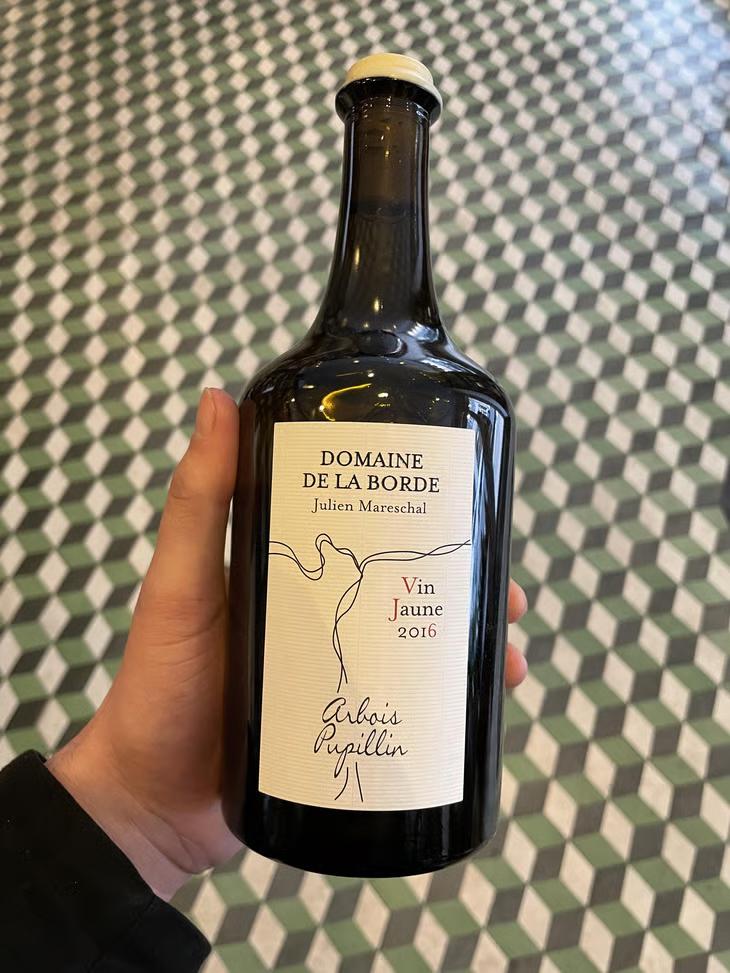
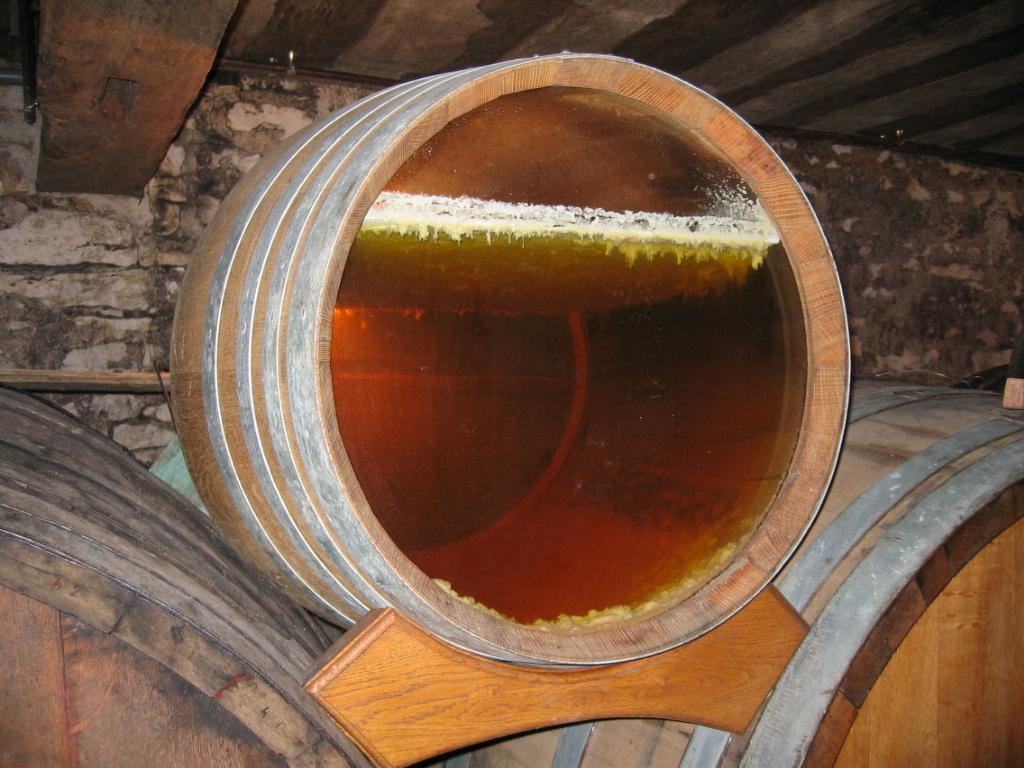
Made exclusively from Savagnin, Vin Jaune owes much of its character to an unusual ageing process. Rather than keeping the barrels topped up, the winemaker allows an air space to develop as the wine gradually evaporates.
A layer of yeast forms on the wine's surface. Known as the voile in French, or flor, this living veil influences the wine's development throughout ageing.
Oxidation, Carefully Managed
The veil of yeast changes the way the wine interacts with oxygen. It does not seal the wine off completely, but creates a distinctive environment in which biological ageing can take place.
Over time, the wine develops the complex aromas associated with Vin Jaune: notes that can evoke walnuts, spices and dried fruit, alongside its characteristic savoury depth.
This is different from ageing wine without a protective veil, where oxidative development follows another path and can lead to styles associated with rancio.
Vin Jaune must be aged for at least six years and three months before release. In practice, the process can extend to seven years or longer.
Throughout this time, the barrel remains deliberately untopped. What might appear to be neglect is, in fact, a defining part of the winemaking process.
Ouillage: The Art of Topping Up
In most winemaking, the opposite approach is taken.
Known as ouillage in French, topping up involves replenishing a barrel as wine evaporates, preventing an air space from developing. The winemaker regularly checks the level and adds wine as needed to limit exposure to oxygen.
It is a routine practice in cellars around the world, yet one that rarely attracts much attention. As Mareschal points out, it is so familiar that it often goes unremarked.
Vin Jaune turns this convention on its head. Rather than correcting the space left by evaporation, the winemaker deliberately preserves it, allowing the veil of yeast to develop.
A comparable tradition exists in Jerez, in Andalusia, where flor plays an essential role in the production of certain Sherry styles.

In Pupillin, Knowing When to Leave Things Alone
A perfume that never overwhelms. Volatile acidity that contributes without dominating. A barrel left untopped, allowing a veil of yeast to shape the wine over years of ageing.
These ideas are not identical, but they share a concern with balance: understanding when a process should be restrained, and when allowing it to unfold can bring something valuable to the wine.
At Domaine de la Borde, Julien Mareschal's comparison offers a different way of thinking about volatile acidity. Not simply as something to eliminate or accept, but as one element among many that shapes a wine's aromatic identity.
Sometimes, the most revealing qualities are the ones you notice only when they are in balance.
Related Articles:
- "Funky": The Word That Gets Under Dario Nocci's Skin
- La Stoppa: What If the Legal Limit for Volatile Acidity No Longer Made Sense?
- Les Maisons Rouges: Volatile Acidity, the Salt and Pepper of Wine
- Les Maisons Rouges: Using Clay Against Fruit Flies