November 17, 2026 - Wine shop - | No comment
Beaujolais Nouveau and vins primeurs: More than just a reason to celebrate
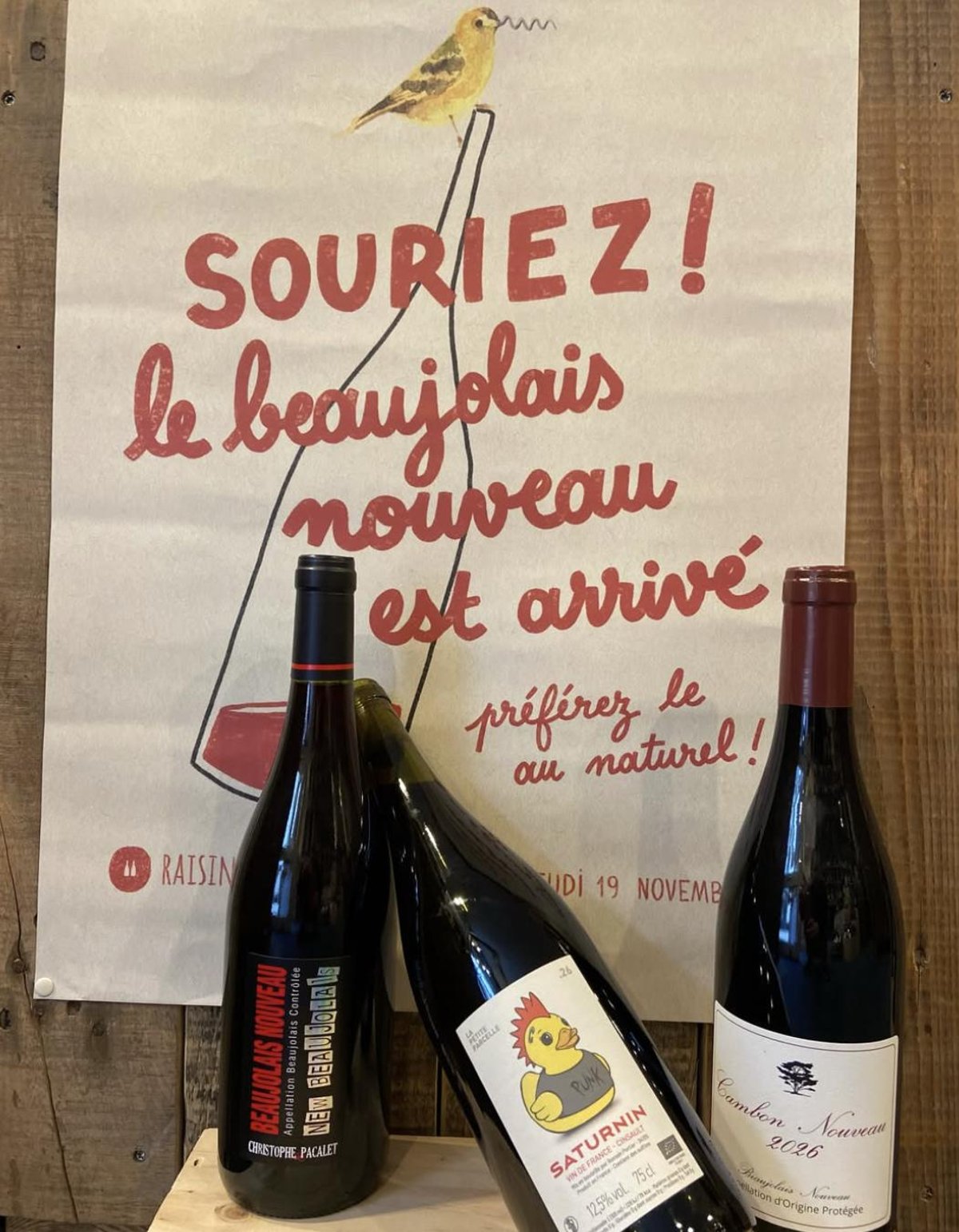
Every November, Beaujolais Nouveau returns to the spotlight. But beyond the celebrations and familiar bottles, there's a whole world of young wines worth discovering. At Raisin, we're celebrating the natural and low-intervention producers making these wines their own.
For many people, Beaujolais Nouveau still carries an outdated reputation: simple, mass-produced wine, drunk once a year and quickly forgotten. The familiar association with banana aromas and industrial production hasn't helped. But this tells only a small part of the story.
Behind the name is a much wider tradition of vins primeurs: wines made and bottled shortly after the harvest, ready to be enjoyed while the vintage is still fresh. Beaujolais Nouveau might be the best-known example, but it's far from the only one. Across France, natural and low-intervention winemakers are producing young wines in different styles, with different grapes and approaches.
These wines deserve to be judged on their own merits, not on the reputation of an industrial style that has come to define the category.
A first taste of the vintage
One of the pleasures of primeur wines is their immediacy. They're an early opportunity to discover what a particular year has produced, without waiting months or years for a wine to mature.
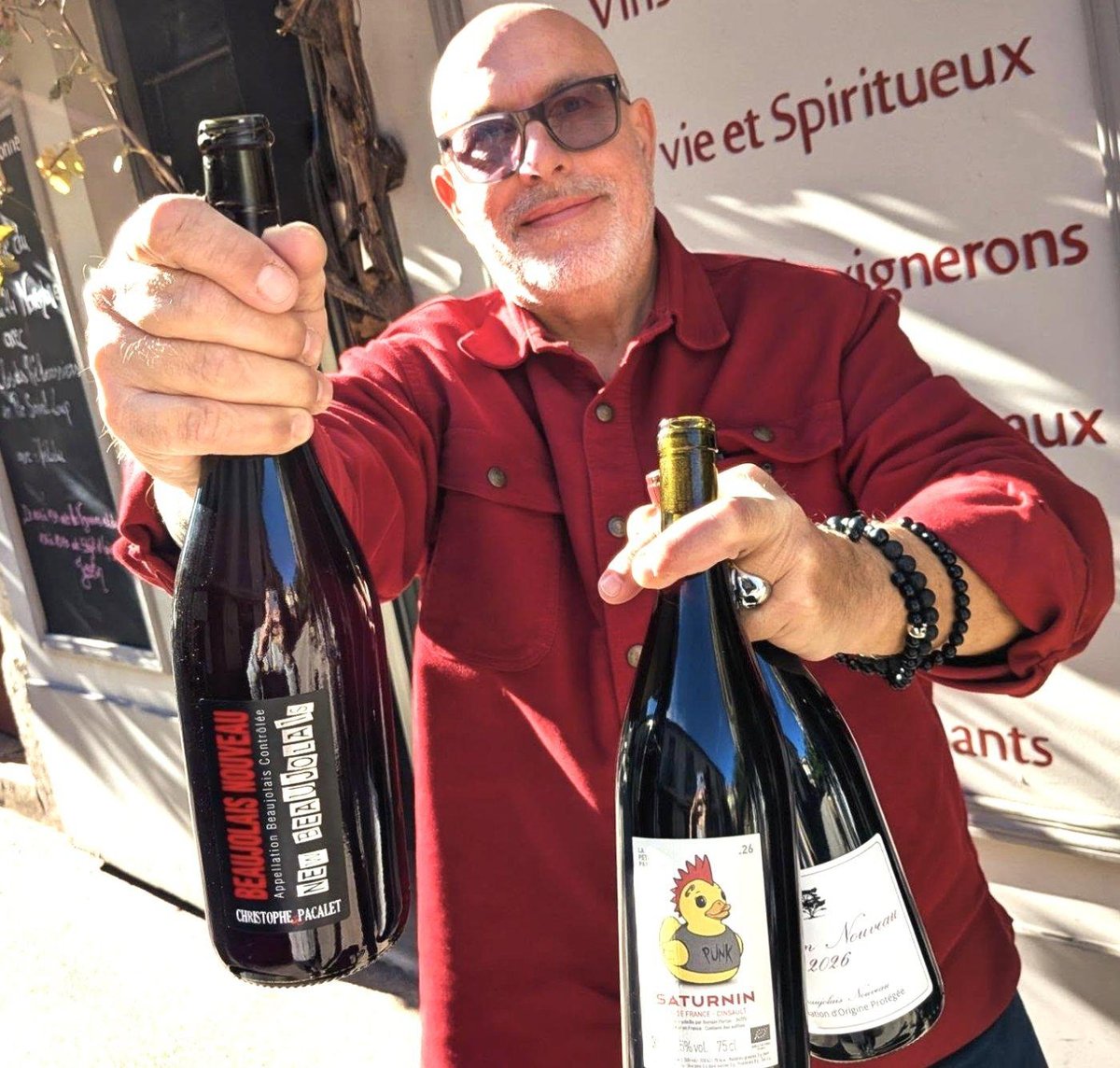
As Fred Jeanjean of La Cave des Arceaux in Montpellier explains, Beaujolais Nouveau and other primeur wines are made and bottled in the same year they're tasted, just weeks after the harvest.
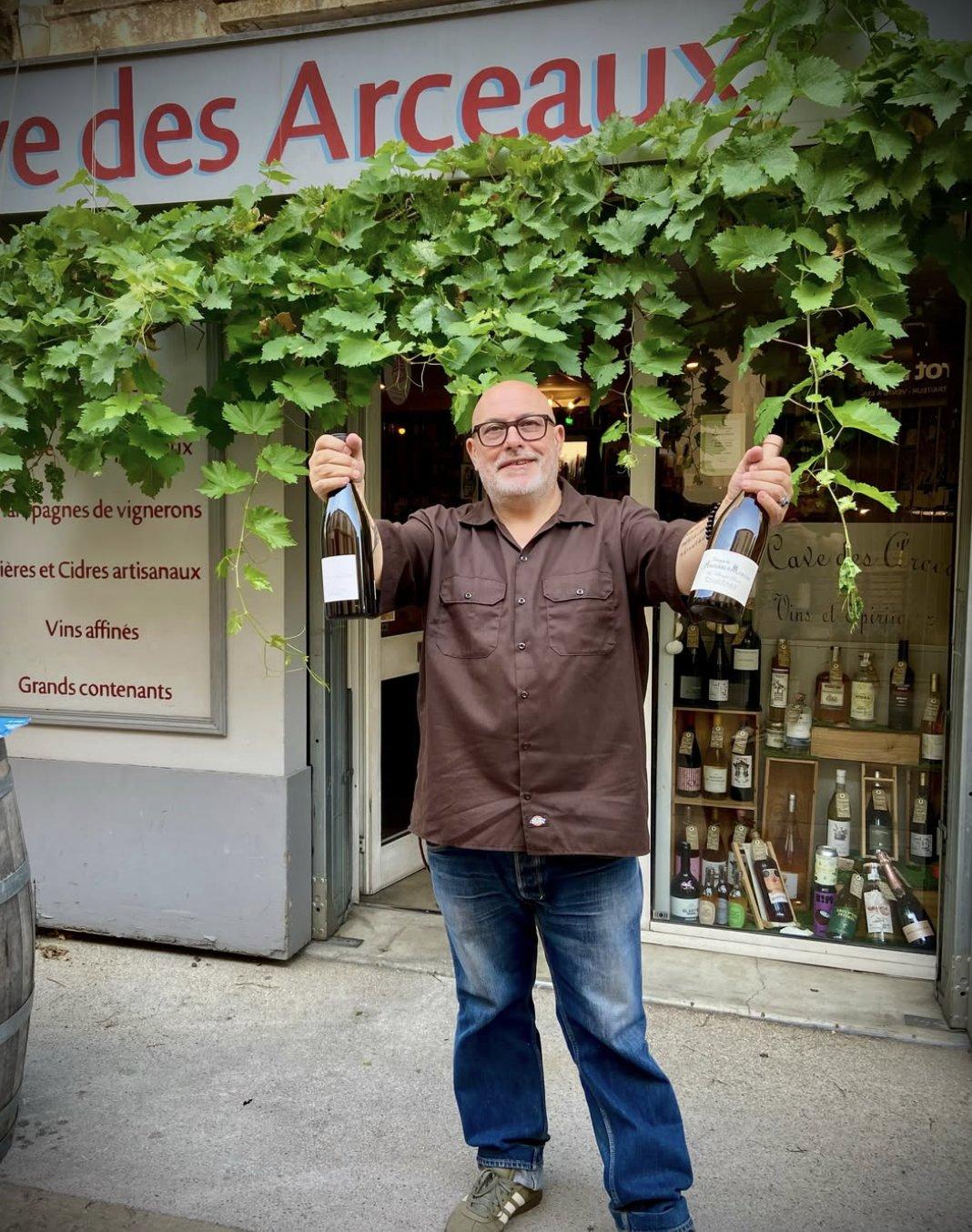
Talking about Gamay, he describes the grape as “a sponge for the terroir”, capable of expressing the soil, climate and geographical influences of its surroundings. Working with natural wines, with few or no additives, allows the character of the vintage to come through.
For Fred, this is a world away from the predictable banana flavours often associated with Beaujolais Nouveau. Instead, it's about discovering the grapes, the place and the conditions of that particular year. As he puts it, the result is “a truly living product, a product that's a real pleasure to drink.”
An important moment for winemakers
There's another reason to appreciate these wines, beyond what's in the glass.
Making wine involves considerable costs, much of which comes long before a bottle reaches the customer. After months of work in the vineyard, the harvest brings another round of expenses, while most of the wines produced that year may still need months or years before they're ready to sell.
Primeur wines offer an opportunity to bring a product to market much sooner. By selling part of the new vintage within weeks of the harvest, winemakers can generate an early source of income, helping support their cash flow at an important point in the production cycle.
For smaller independent producers, this early return can make a meaningful difference. It also gives them an opportunity to introduce their work to new customers and build relationships with cavistes, restaurants and wine bars.
A reason to open a bottle
At Raisin, we want to celebrate the natural and low-intervention producers making primeur wines for everything they represent: the diversity of winemaking, the character of each vintage and the people working hard to bring them to life.
We don't think primeur wines need to be complicated or taken too seriously. They can be fresh, lively, playful and full of personality. But they can also be thoughtful expressions of their terroir and an important part of a winemaker's business.
So this November, we're raising a glass to Beaujolais Nouveau, but also to all the other primeur wines made by the independent natural winemakers featured on Raisin.
Forget the old stereotypes. Find a bottle, discover a producer and enjoy the new vintage. After all, wine is also about pleasure, and that's something worth celebrating.