5 12 8688 KM
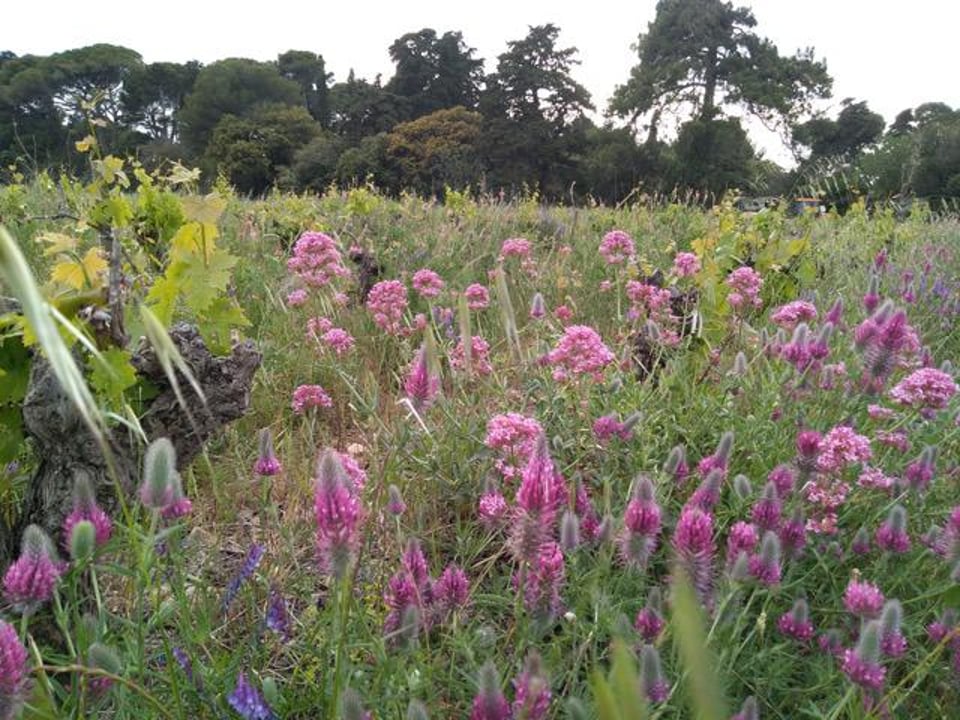
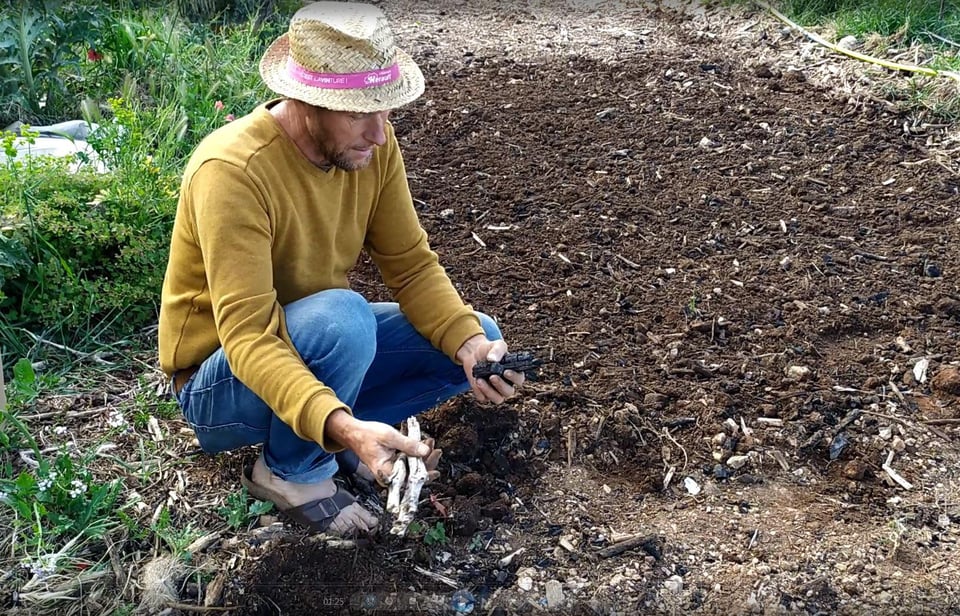
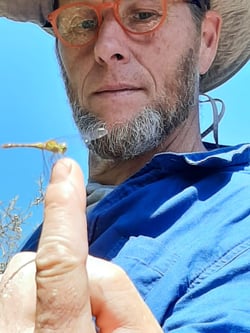
Despite the owners having cultivated 8 hectares organically for 17 years, the soil was degraded when they took over. Passionate about agronomy, Pierre-Yves now practices permaculture to develop a new way of farming, taking nature as his model for development. Composting, mulching, letting native grasses grow, allowing sheep to graze during the winter, and planting and sowing trees and shrubs in the vineyard are some of the tools he uses to increase fertility, biodiversity, and restore the water cycle.
For Pierre Yves, switching from monoculture to agroforestry is the best way to cope with climate change. Regarding the vineyards, particular attention is paid to respecting sap flow through physiological pruning.
As a nature lover, Pierre Yves practices "natural winemaking," which he believes is the best way to achieve the best "terroir" expression in the bottle. In the 1950s, the Frontignan region was replanted with a single grape variety: Muscat Petit Grain. Traditionally, Muscat is vinified with a high alcohol content (mutage) and a lot of residual sugar, but this type of wine is now shunned by consumers.
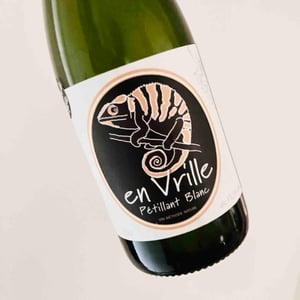
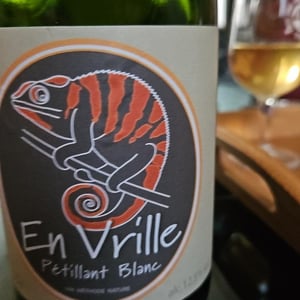
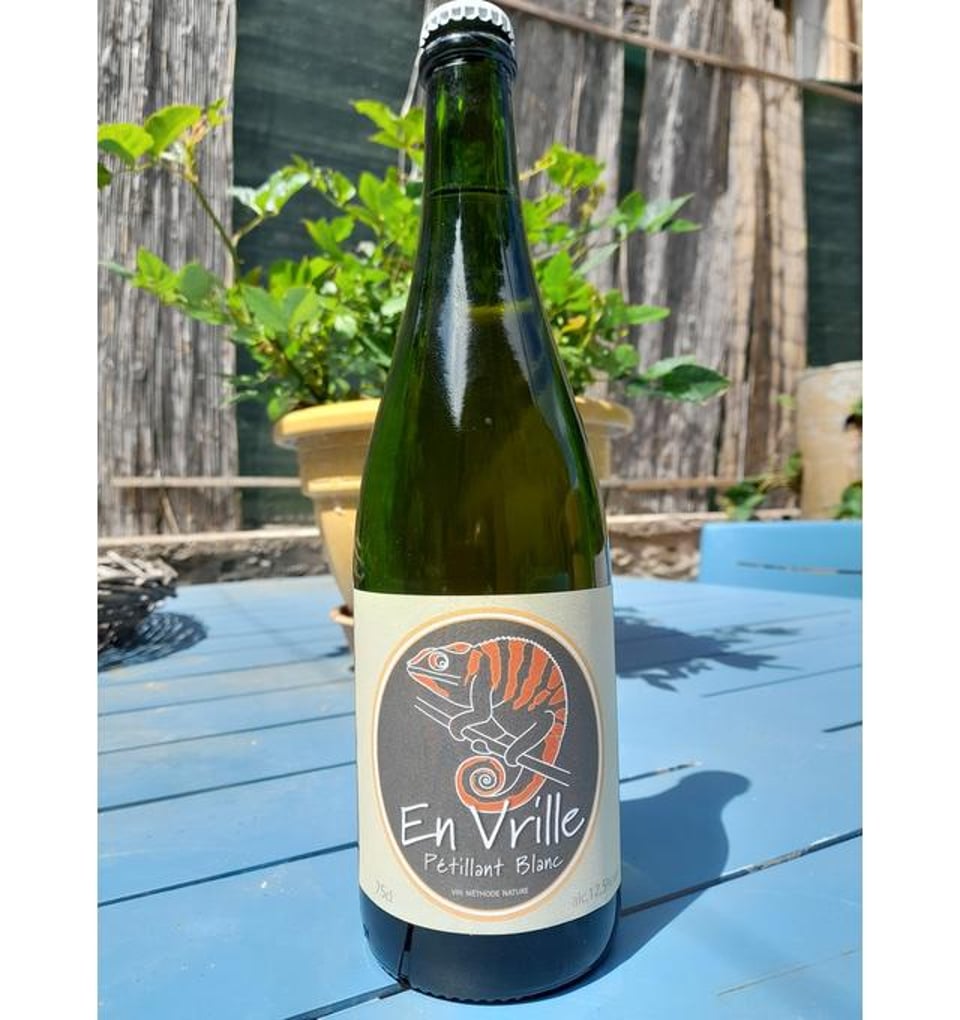
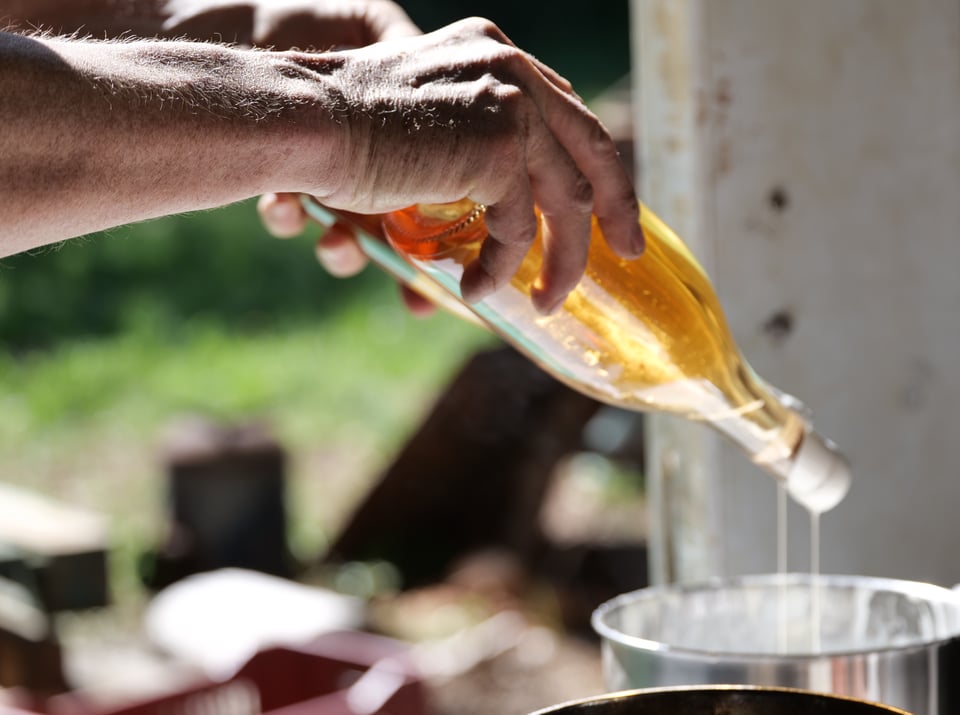
So Pierre-Yves, aided by a seasoned winemaker colleague, decided to innovate by making Natural Sparkling Wine with an ancestral method consisting of filling the bottles with the must before the end of fermentation and letting the fermentation continue in the bottle at a cool cellar temperature to obtain fine bubbles and a subtle flavor.
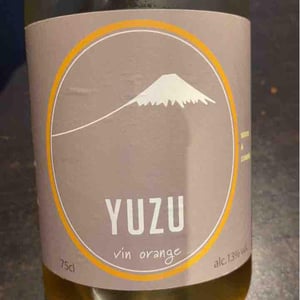
Pierre-Yves also adopted the old Georgian method known as "orange wine" to vinify Muscat Petit grain, this method consists of letting the whole grapes ferment with the must as is done for red wine.
The entire vineyard is harvested by hand and the grapes are transported in 10 kg crates to respect the fruit.
The vineyard covers a total of 6.5 hectares:
Visits are available on Wednesdays from 2pm or by appointment at 06 51 85 77 62
No white wines at the moment.
No rose wines at the moment.
FIND THE EVENT YOU ATTEND
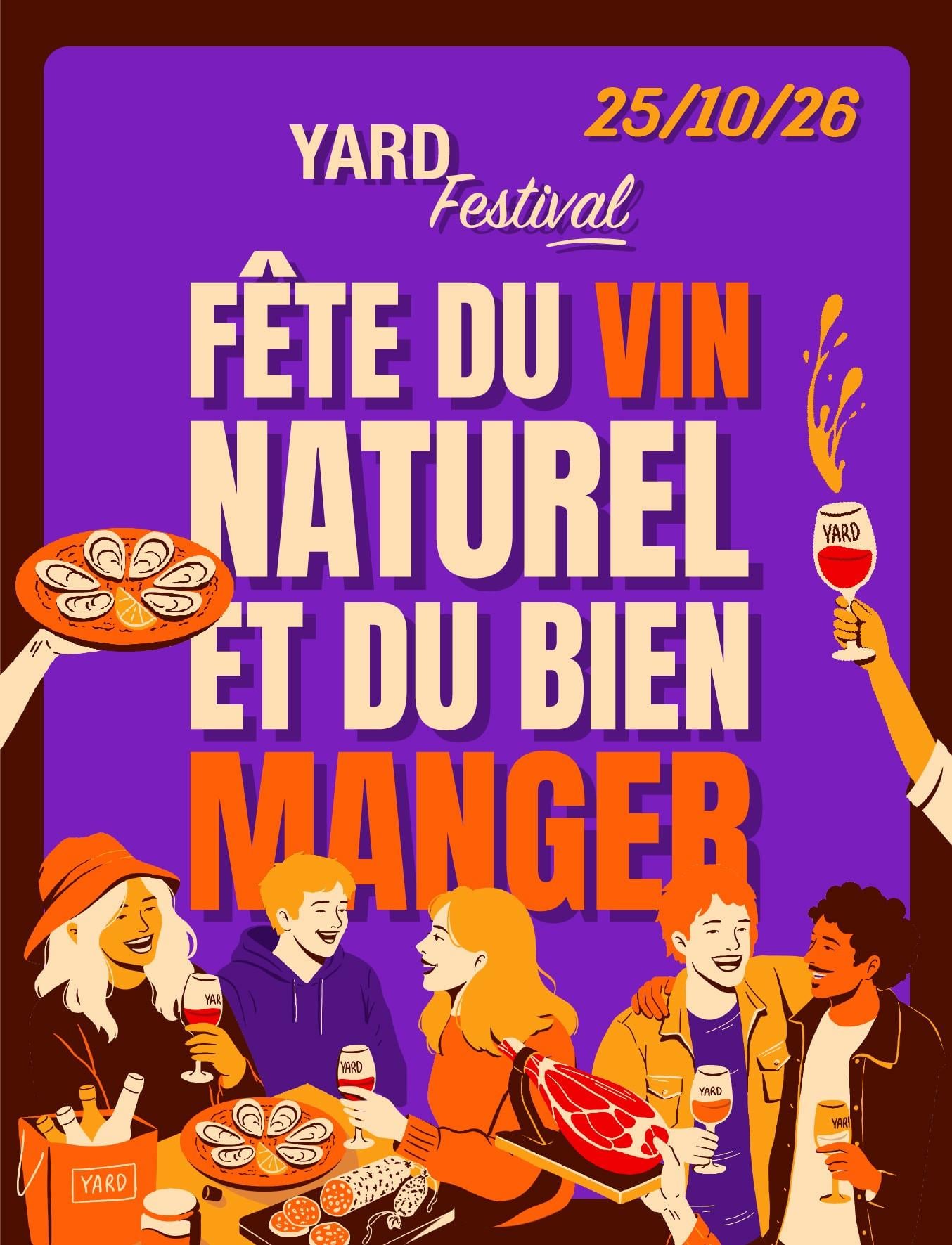
Sunday October 25
Paris
6492 KM
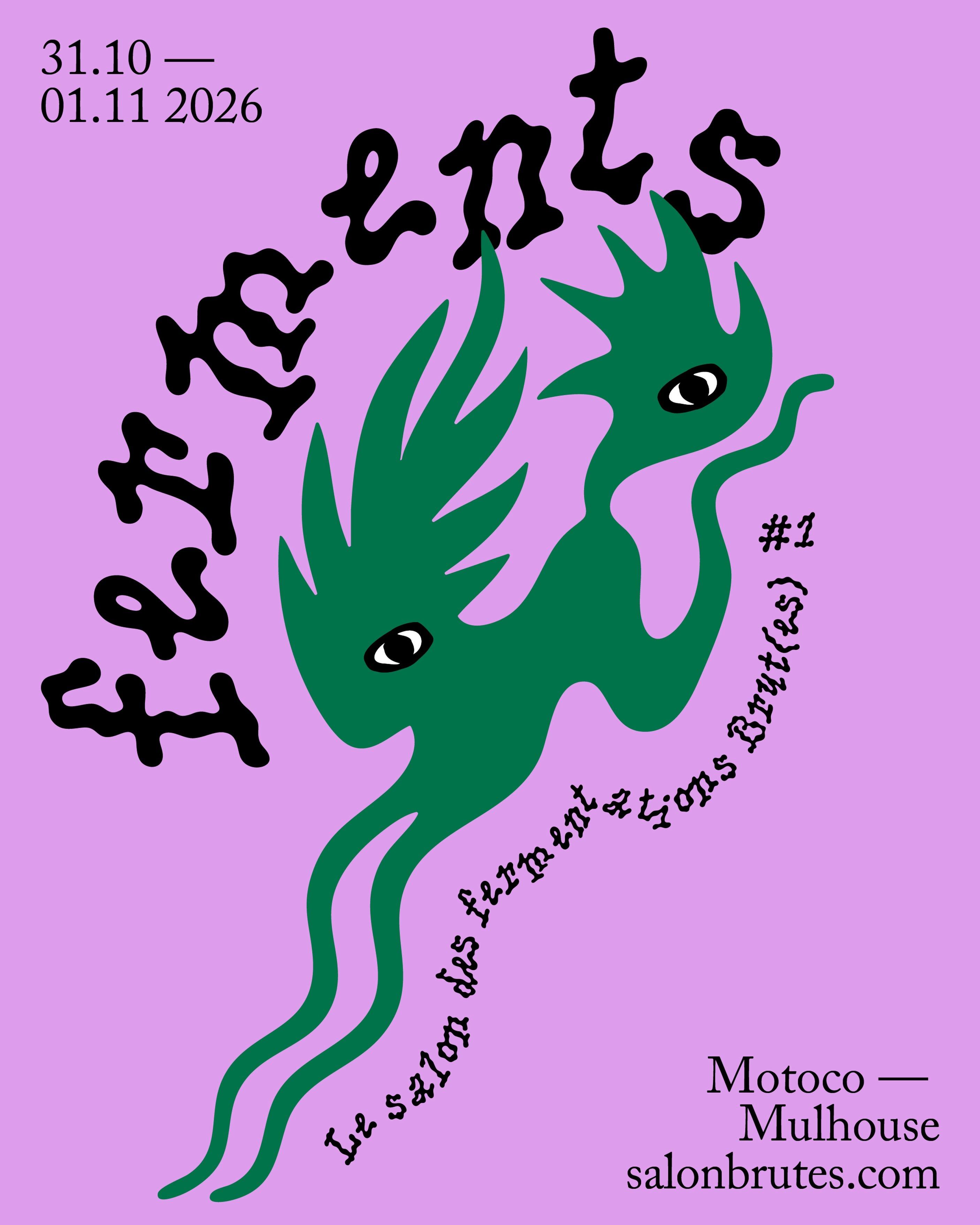
Saturday October 31 - Sunday November 01
Mulhouse
6872 KM
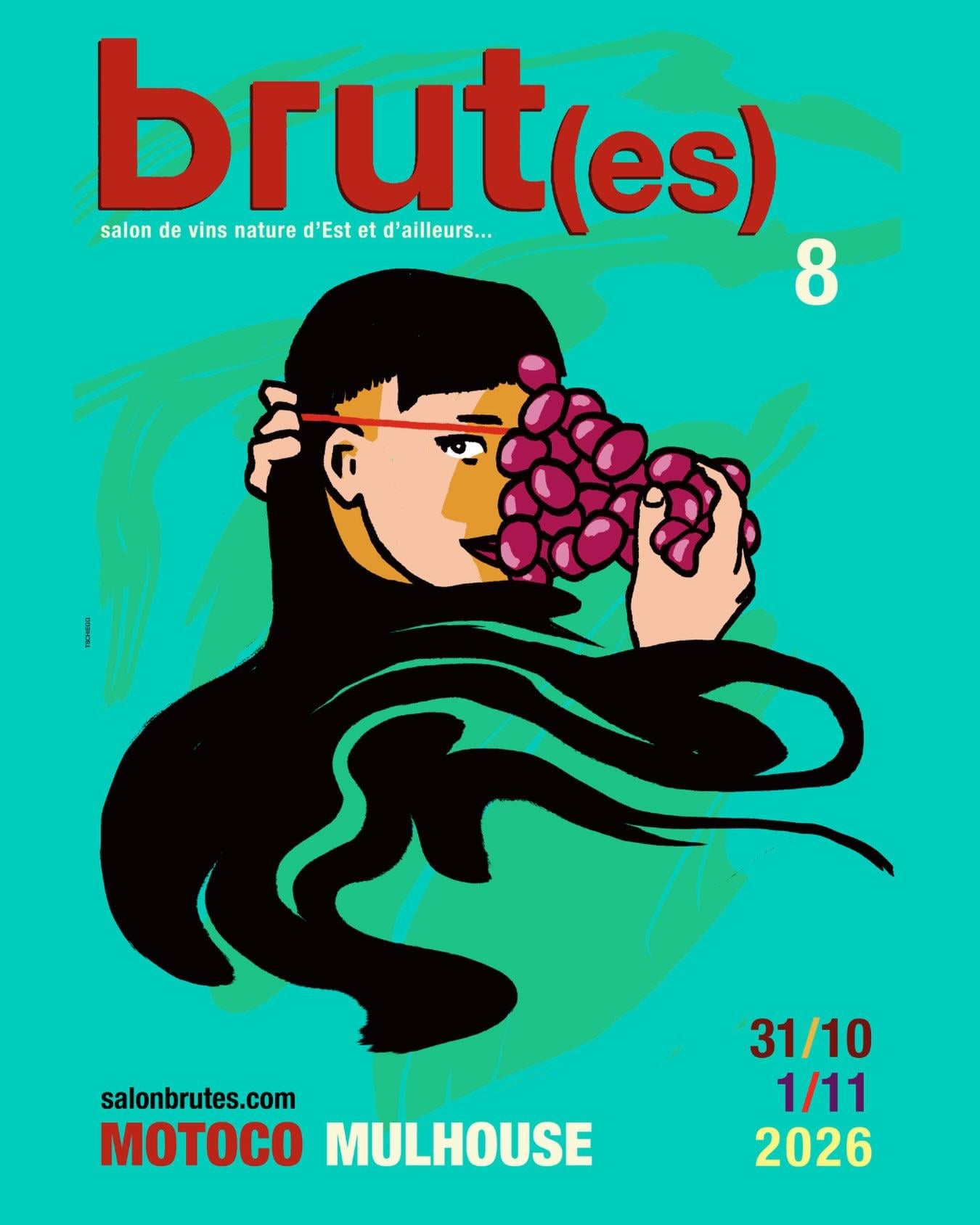
Saturday October 31 - Sunday November 01
Mulhouse
6872 KM

Sunday November 08 - Monday November 09
Turin
7047 KM
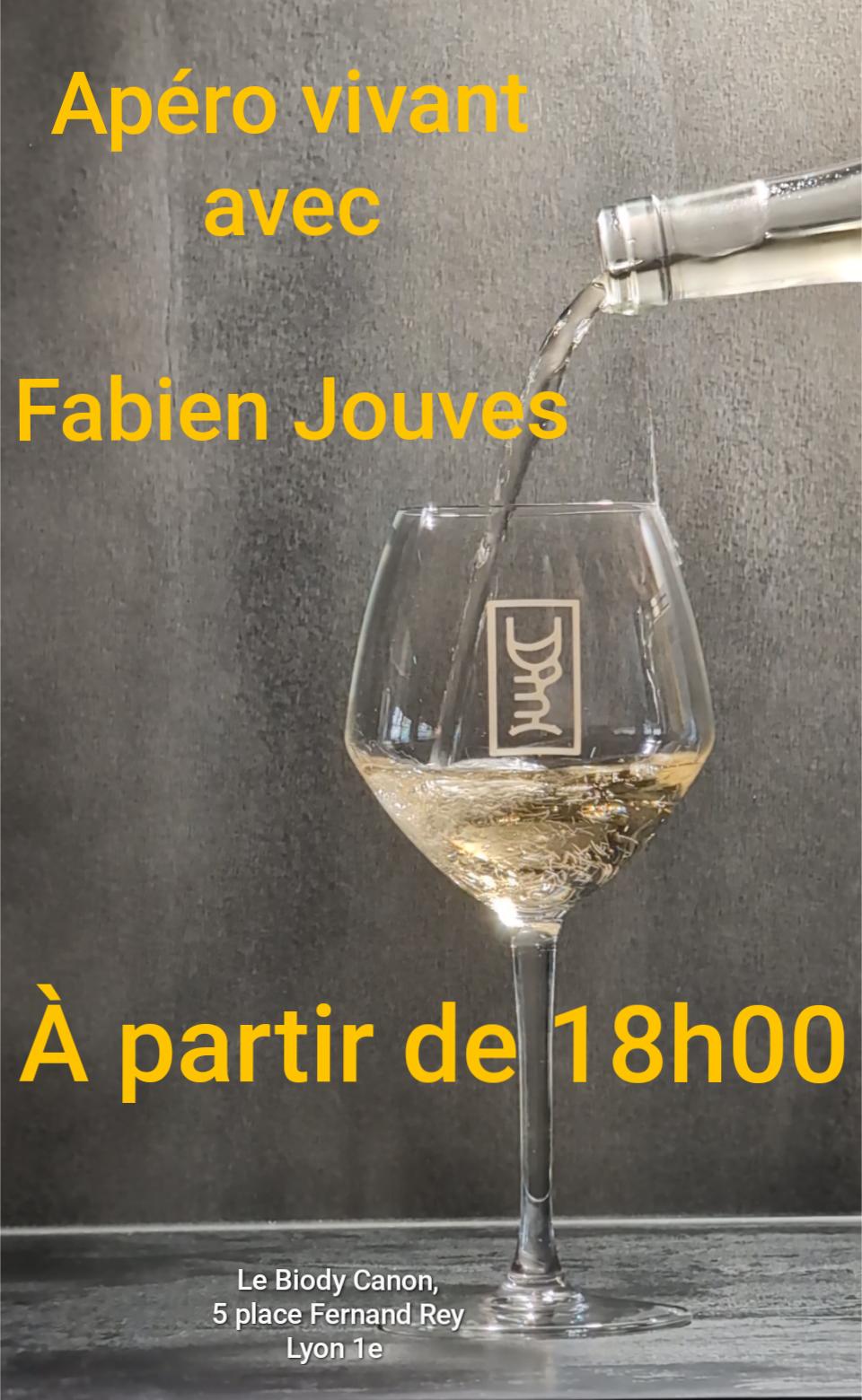
Wednesday September 23
LyonFrance
6814 KM
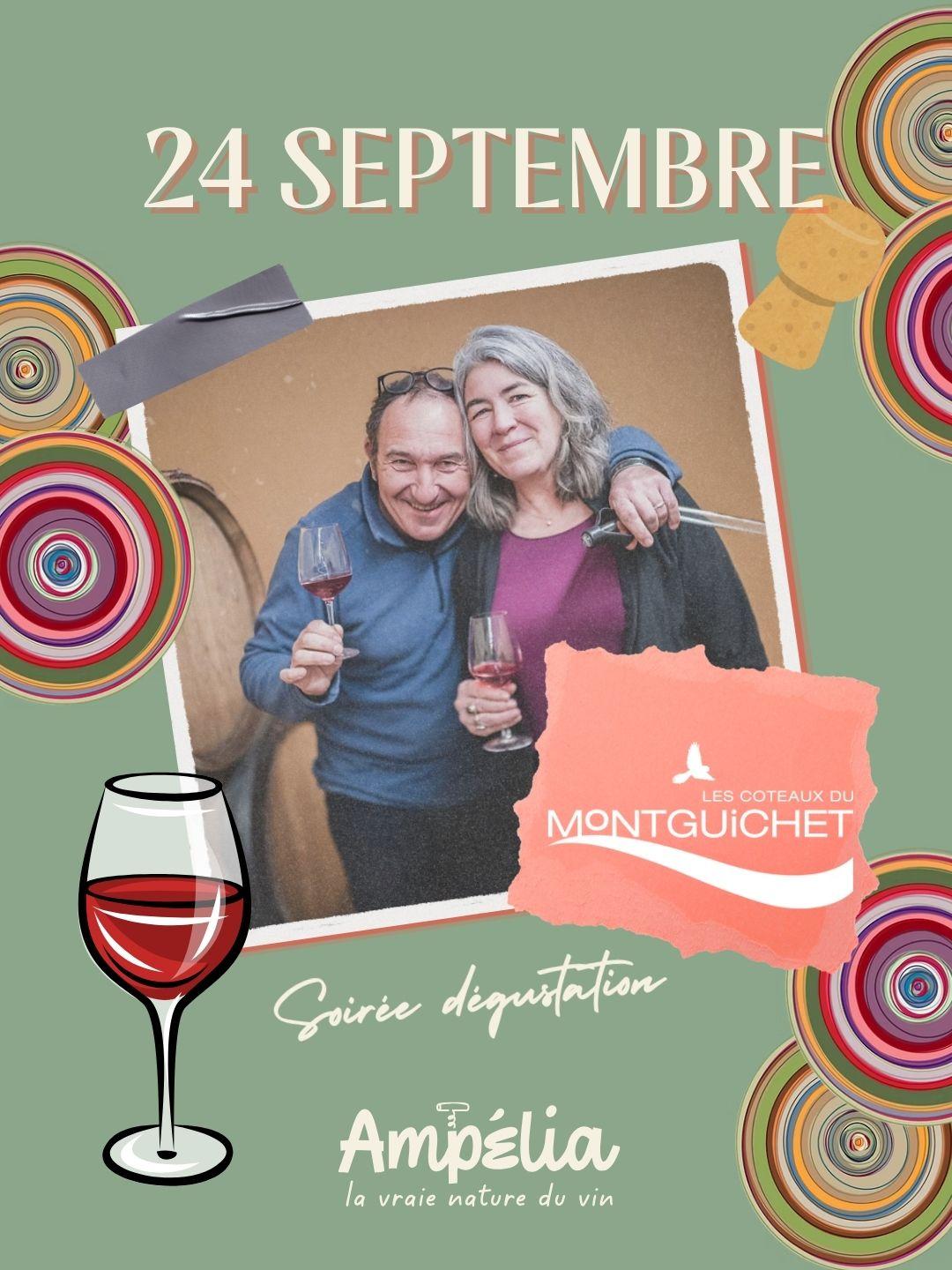
Thursday September 24
ParisFrance
6491 KM
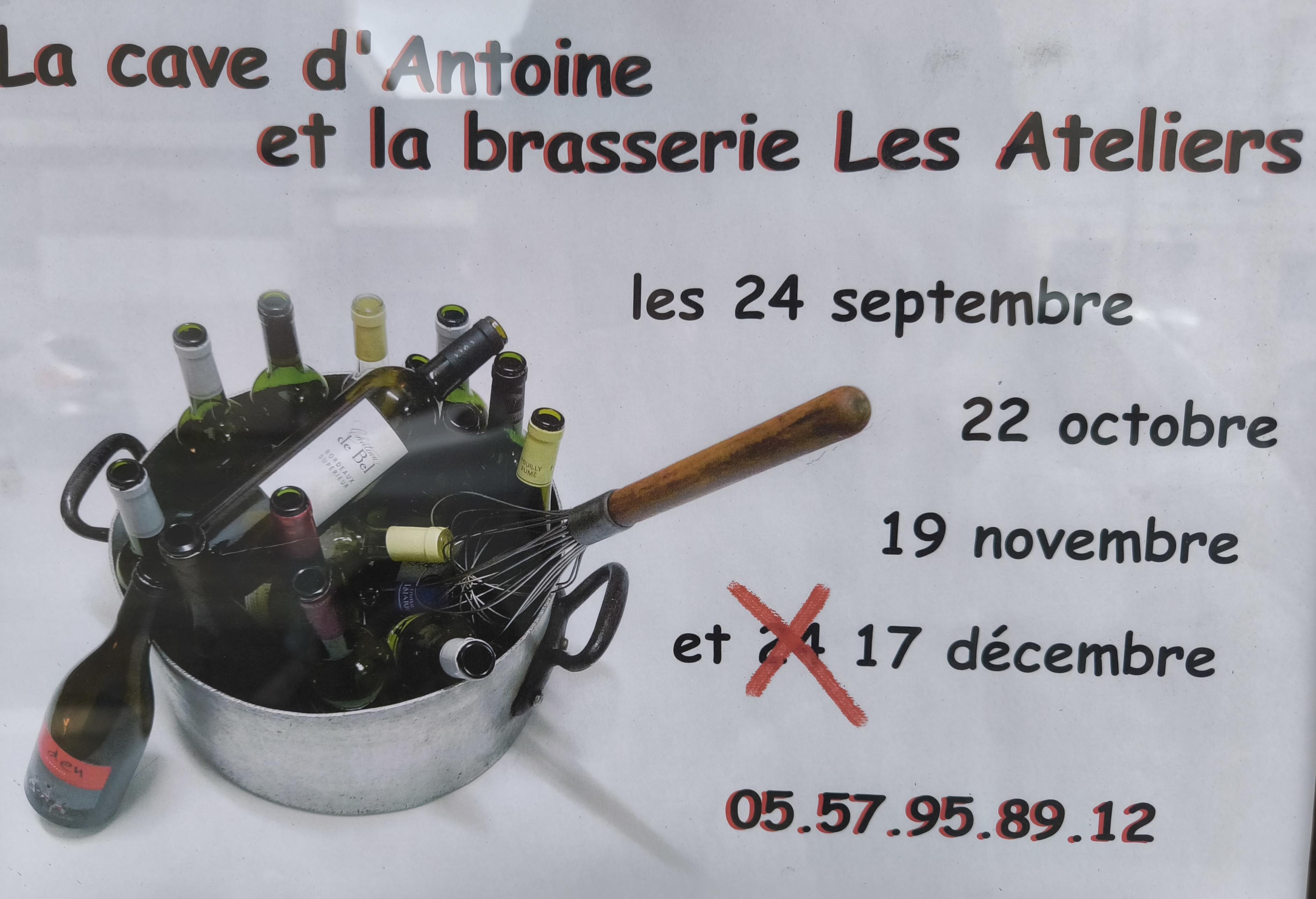
Thursday September 24
BordeauxFrance
6491 KM
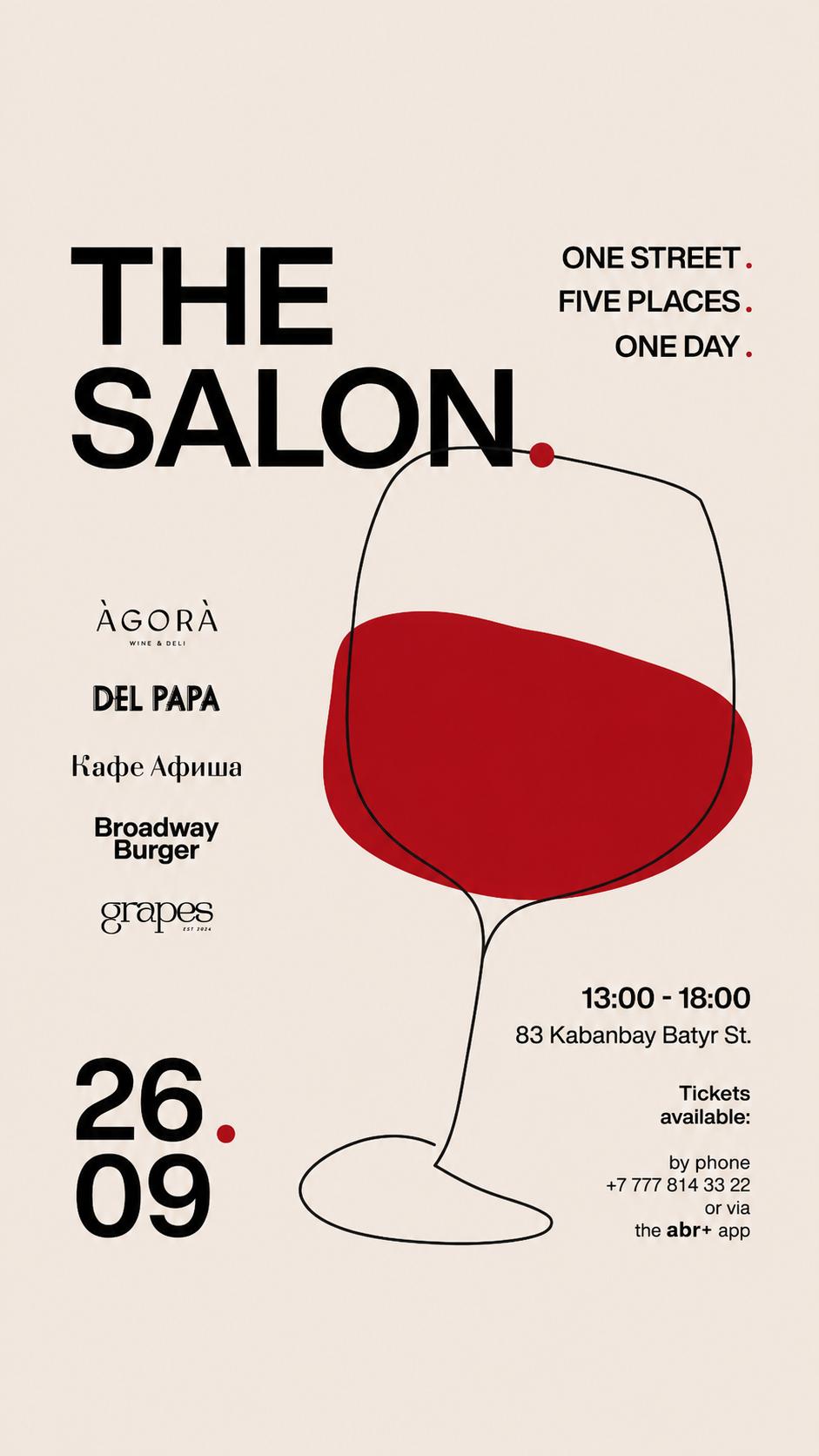
Saturday September 26
AlmatyKazakhstan
10546 KM
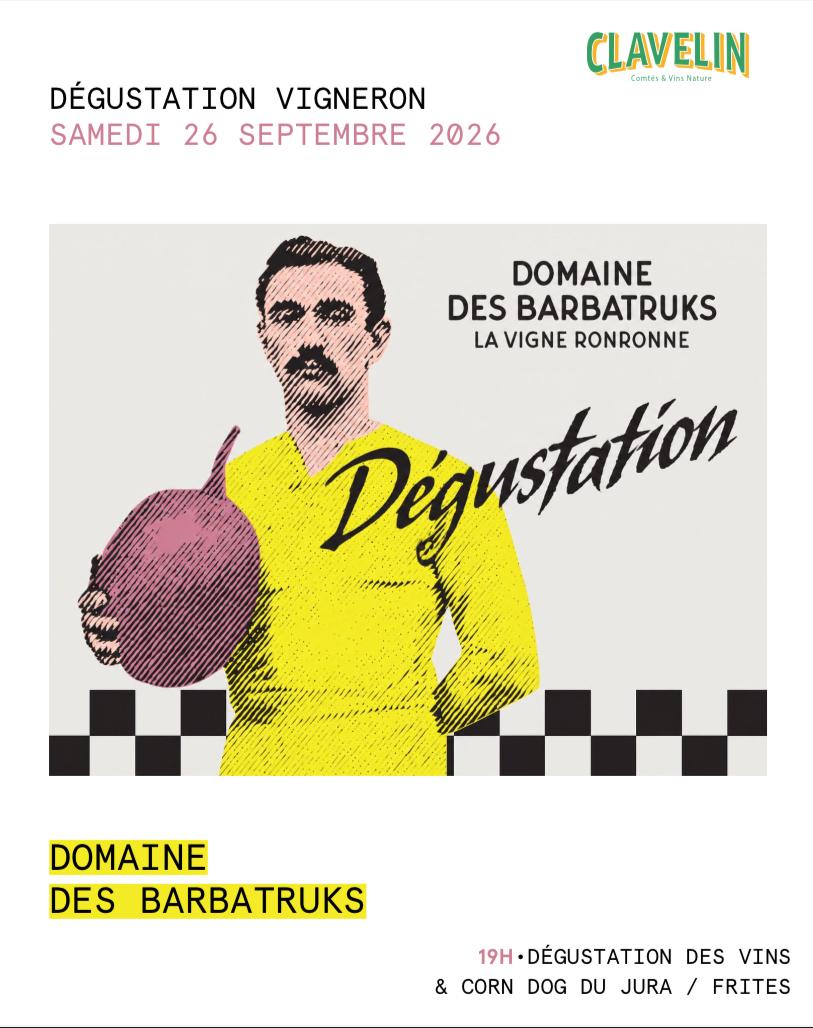
Saturday September 26
Paris
6488 KM
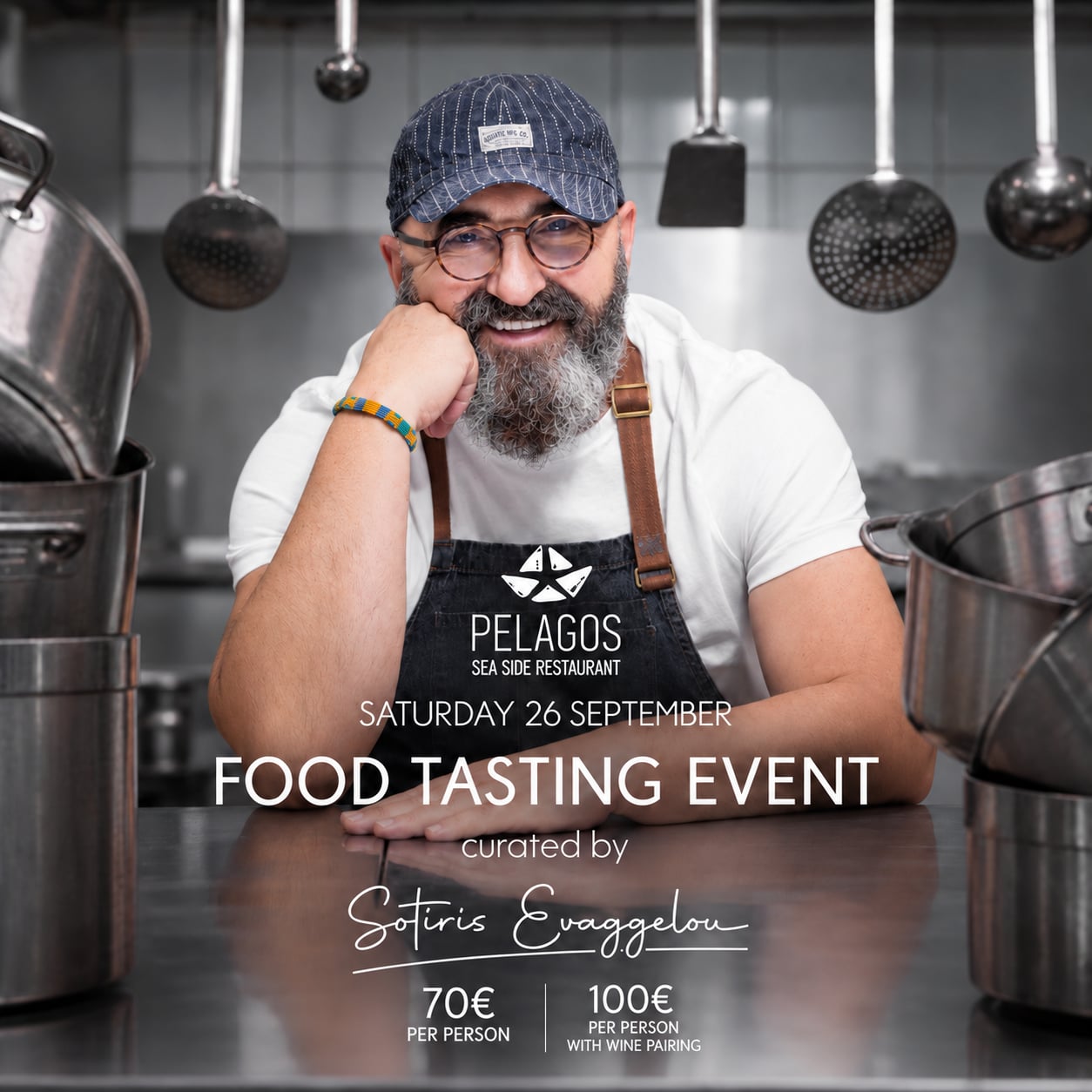
Saturday September 26
Ierapetra Municipal UnitGreece
8946 KM
13 2 6513 KM
Des vins vivants et des produits du terroir d'exception, 100% français, à déguster sur place (planches, sandwichs-minute...) o…15 0 6884 KM
Reflet D'Obione, restaurant gastronomique au cœur de Montpellier 1 étoile Michelin, étoile verte gastronomie et durabilité et …10 1 6884 KM
Artisanal wine bar and space offering a carefully curated selection of natural and small-producer wines, paired with delicious…87 7 6884 KM
Wine bar (natural), tapas, beer, champagne in Montpellier85 7 7115 KM
Maïdo: a Restaurant and a Bar in Nice with a selection of natural wines. Local, seasonal, organic food and natural wines. Winemakers
 Restaurants
 Bars
Bars Wine Shops
 Accommodations
 Events