8 52 9695 KM
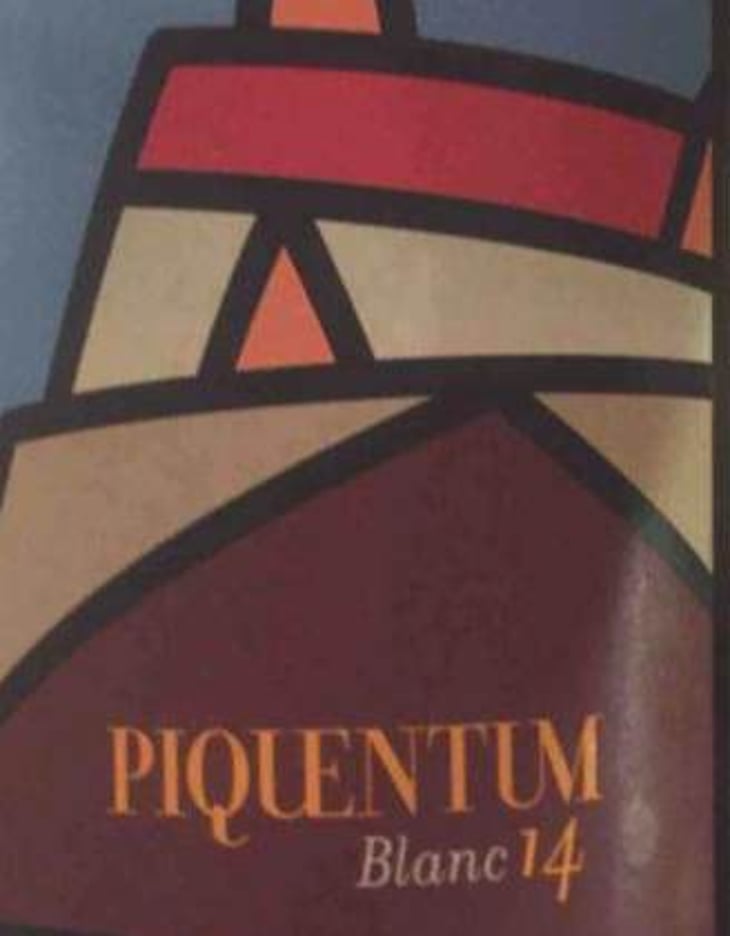
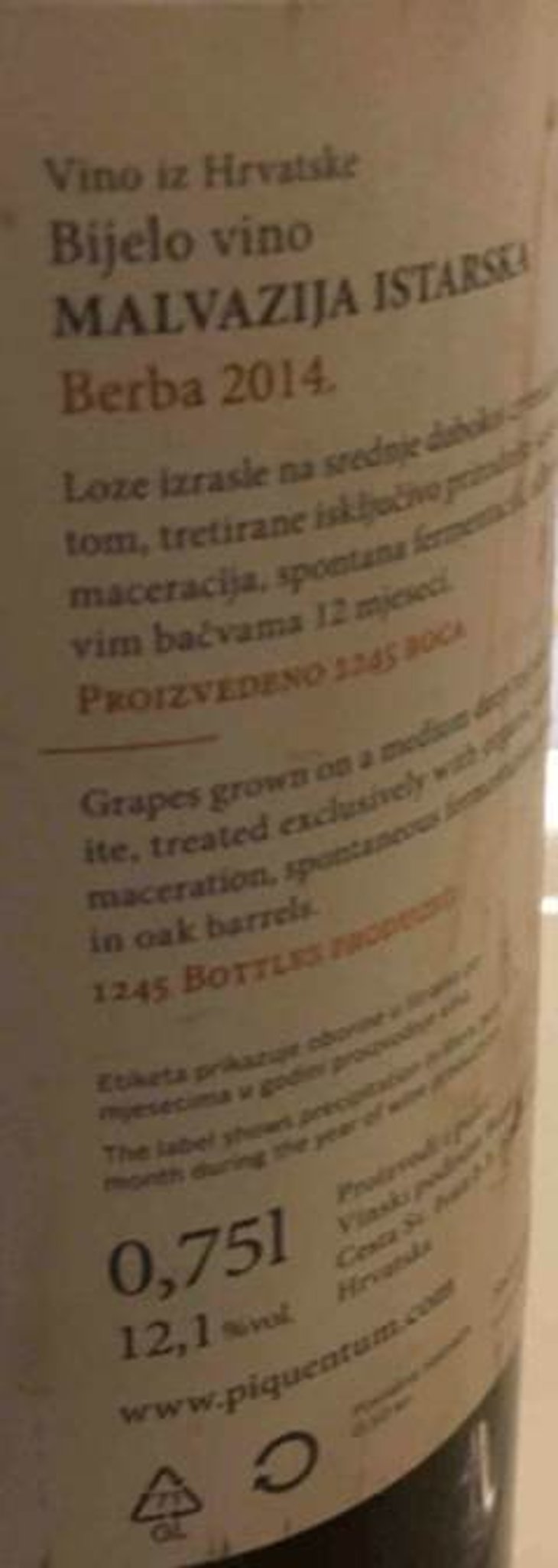
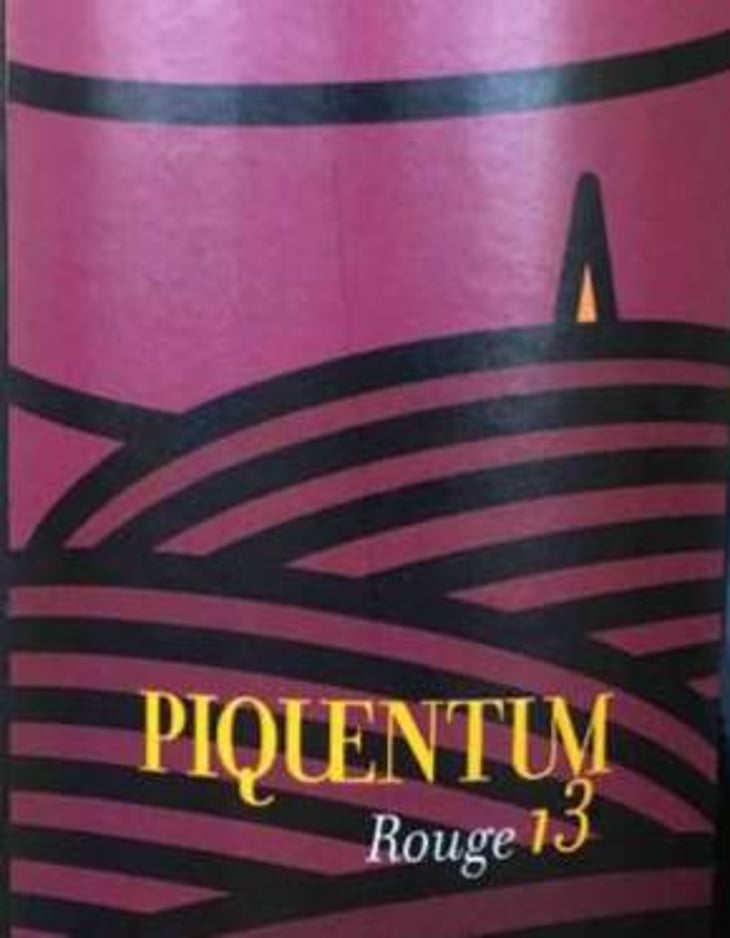
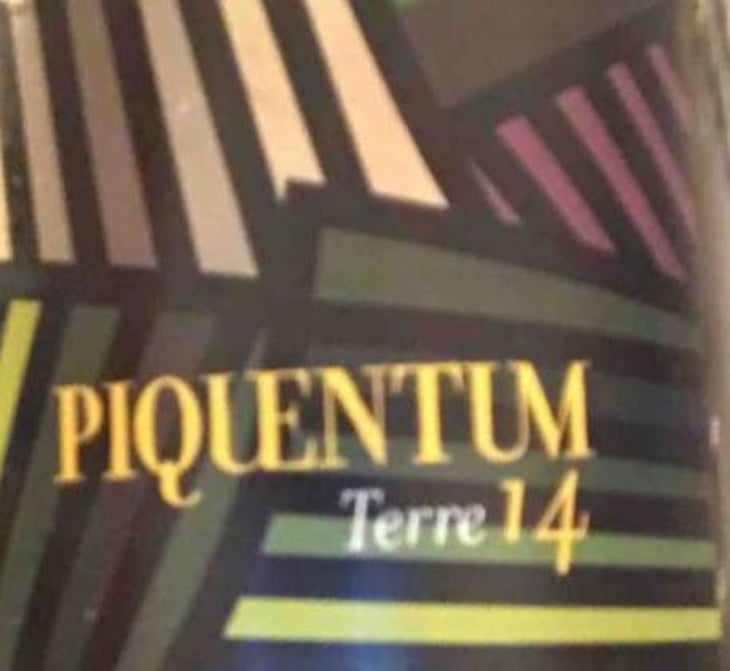
For Piquentum, grapes are hand picked and then slowly pressed into tank without temperature control. Since the winery is converted into concrete water tanks, the temperature is a constant 10-11ºC all year long. This is perfect for aging, but this is often too cold to get a native fermentation started. Using fans to draw in the warmer outside air to around 14ºC, our wines complete a wild ferment without the use of added yeast, bacteria, enzymes, or any additives. After a long and slow fermentation without stalling fermentation or cold soaks, the wines are bottled and ready to be enjoyed.
https://www.piquentum.com/#home
CROATIAN NATURAL WINEMAKER STORIES, by Šimun Župarić
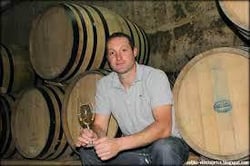
On these rainy days, we visited Dimitri Brečević at his Piquentum winery in Buzet. Dimitri is someone who has been written about extensively, both for his work at the Clai winery and for his major commitment to producing some of Croatia’s finest natural wines, and indeed some of its finest wines in general. His story of arriving in Croatia after studying in France is also compelling in its own right. His winery is housed in an old cistern built in the late 1920s. It is a fascinating structure, one in which Brečević invested to repair a vault that occasionally leaked, but which maintains a constant temperature throughout the year.
About ten years ago, Dimitri began planting entirely new vineyards, the first vineyards he had established himself. Until then, he had either bought grapes from vineyards or leased them. For these parcels on Istria’s white soils, he wanted to move to his own massal selection rather than buy vines from large nurseries. Massal selection means using cuttings taken from old vineyards instead of new clones, thus preserving genetic diversity within a variety. For several years, he travelled around Istria collecting scion wood from old vineyards. After a few years, once he had seen that everything was healthy, he produced his own vine material with the help of selected nurseries.
The aim was twofold: to create vineyards that would produce wines different from contemporary Istrian standards, and to save old clones that he considers far superior to what has been planted in Istria over the past twenty years. Standard selection, after all, has been reduced to only a few different clones produced by large nurseries. He planted one and a half hectares of Malvazija and slightly less than one hectare of Teran. The first substantial Teran harvest came in 2023, followed by Malvazija in 2024. These wines will be released this year.
We tasted them from several vessels: stainless steel tanks, which he uses to settle the wines before bottling, wooden casks and a concrete vessel, the newest addition to his cellar. The difference between these wines and Piquentum’s previous labels is striking. The Malvazija from the new vineyards is considerably fuller than before. This vineyard produces a dense, riper and more powerful wine, with firmer tannins. Dimitri’s previous Malvazija was fresher and more mineral, while this is its more full blooded sister, no less elegant.
The difference is even more impressive with Teran. While Brečević’s previous Teran is excellent, it is an everyday wine with lower alcohol and a lighter body. The new Teran from massal selection is quite different: more complex, fuller bodied and more aromatic. It has firm, crisp acidity and is full of tobacco, pepper, leather and cured meat. This is a Teran that demands attention, a wine for long ageing, a great wine. The low yielding 2024 Malvazija vintage will produce around 2,000 bottles. There will be around 1,000 to 1,500 bottles of the 2023 Teran.
We also spoke with Brečević about the state of natural winemaking in Croatia. He is encouraged by the growing number of festivals, but even more by the interest shown by young people and future oenologists. He told us that students of winemaking from Poreč visited him last year, and he was impressed by their knowledge of organic viticulture. For him, this is a sign that things are changing and that a new generation of winemakers is thinking differently. We also touched on biodynamics. Interestingly, Brečević does not boast about practising biodynamics. He uses biodynamic preparations and follows the lunar cycle, but he does not follow biodynamics dogmatically.
One of the most interesting projects we discussed was his Teran sparkling wine. In the natural wine world, there are opposing views on making sparkling wines using the traditional method. Some argue that selected yeasts are acceptable if they come from organic sources. A larger group of natural winemakers believes this is misguided because it takes wine away from its natural character. Dimitri Brečević is one of the few producers who carries out secondary fermentation entirely naturally. Instead of using a dosage with selected yeasts, he uses fresh Malvazija must from the following harvest to naturally trigger a second fermentation in an older Teran base wine. The result is a sparkling wine with gentle effervescence, distinctive yeasty aromas and a completely natural process from beginning to end.
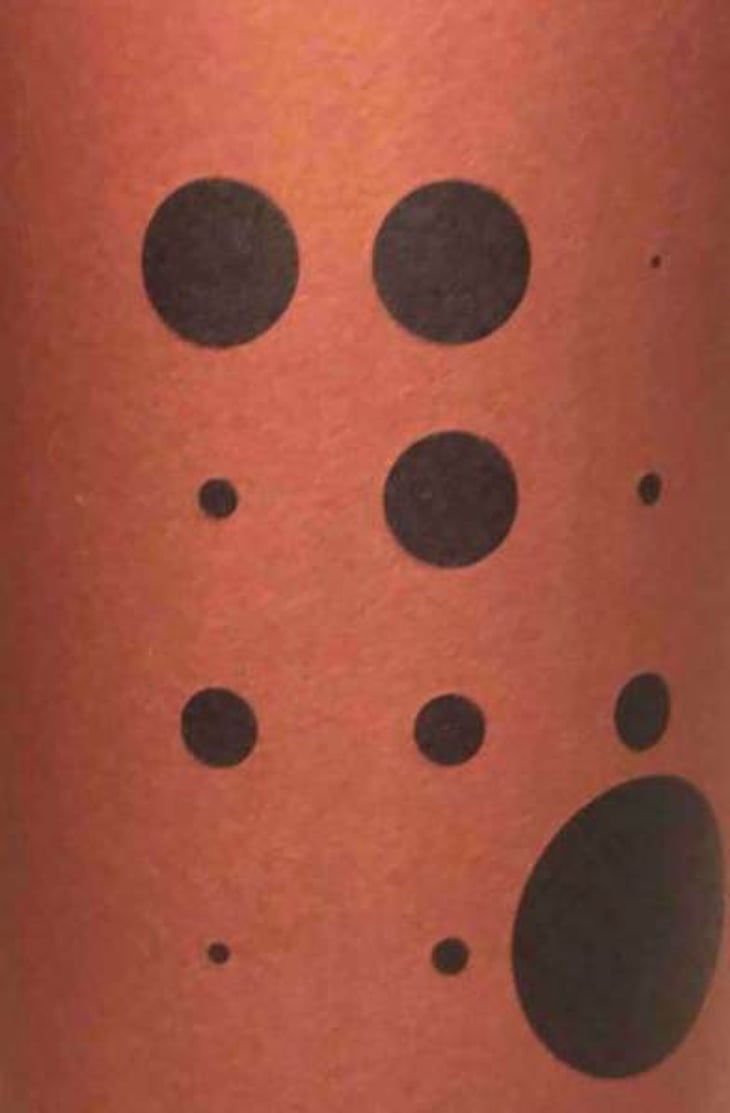
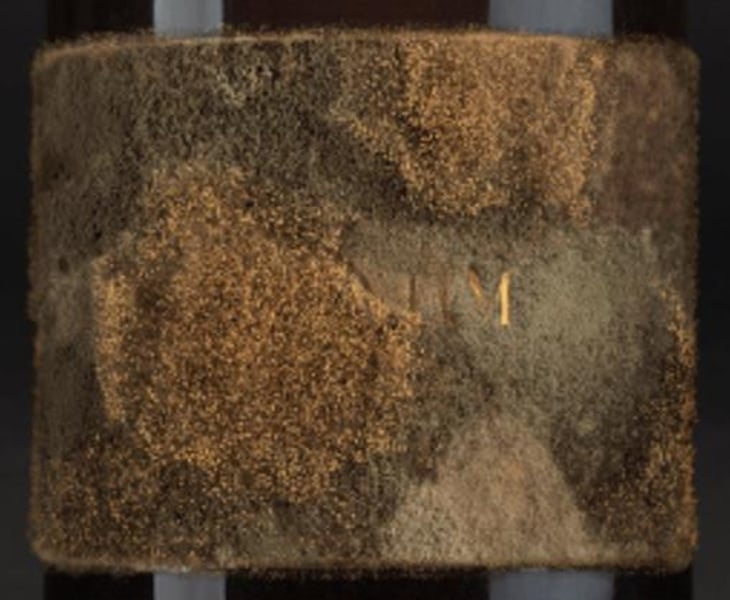
The label of this sparkling wine is unprecedented in Croatia, and probably beyond it. The idea came from Studio Sonda, with whom Brečević has worked for many years on the winery’s visual identity. Their collaboration always begins from the same starting point: finding something that fits Dimitri’s story of ecology and nature. During the production of sparkling wine, natural sediment forms as a result of fermentation and is usually discarded. Brečević and Sonda saw value in it. They collected the sediment and mixed it with recycled paper pulp from the winery itself. The result is the first label ever made from the wine itself, a living manifesto without compromise, as they call it, which continues to evolve over time. The bottle is not easy to understand at first glance. But that is precisely the point: a wine and a label that live and change, just like the nature from which they come.
We also had the opportunity to taste Brečević’s first Malvazija, from the 2006 vintage, made at a time when he did not even know the term maceration. Over the years in bottle, the wine underwent a slight refermentation and developed an extremely seductive petrol note. It shows just how exceptionally talented a winemaker he already was at the time.
Today, Dimitri Brečević and his wife Selena Vasiljević, who handles the winery’s social media and contemporary communications, run one of Croatia’s leading natural wineries. With the wines now entering the market, Malvazija and Teran from the new vineyards planted with his own massal selection, a new chapter in their story is beginning. Brečević is a man who has preserved old clones, who makes sparkling wine in the most natural way possible, and who builds the future of Istrian winemaking with respect for tradition. And he does it without boasting.
Brečević is one of the rare important winemakers who remains modest. Not once during our conversation did he invoke his own importance, though it is unquestionably considerable. In every conversation with smaller natural winemakers in Istria, his name comes up, both as an example and as someone who significantly helps smaller producers deal with new problems as they arise. That is the mark of a great winemaker, but above all of a great person. These are precisely the people who should represent our country to the world.
Šimun Župarić is a Zagreb-born journalist at Dobra Hrana, covering restaurants, gastronomy, wine, and the people behind them. For the past two years, he has focused on Croatia’s growing natural wine scene, following it through events, winery visits, and articles on the work of small natural producers, and wider significance of natural wine for the Croatian public.
No rose wines at the moment.
FIND THE EVENT YOU ATTEND
Sunday October 25
Paris
6492 KM

Saturday October 31 - Sunday November 01
Mulhouse
6872 KM

Saturday October 31 - Sunday November 01
Mulhouse
6872 KM

Sunday November 08 - Monday November 09
Turin
7047 KM
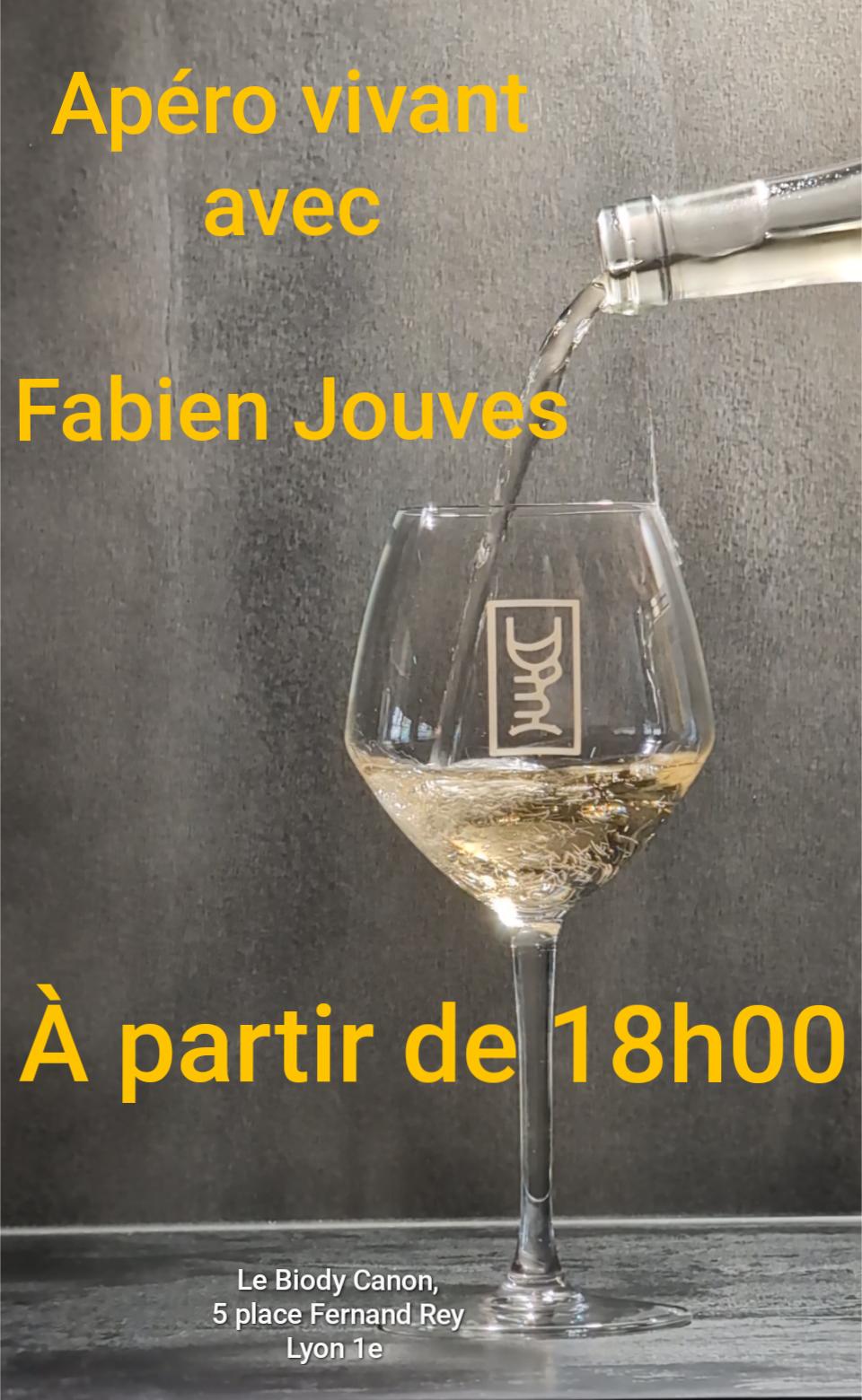
Wednesday September 23
LyonFrance
6814 KM
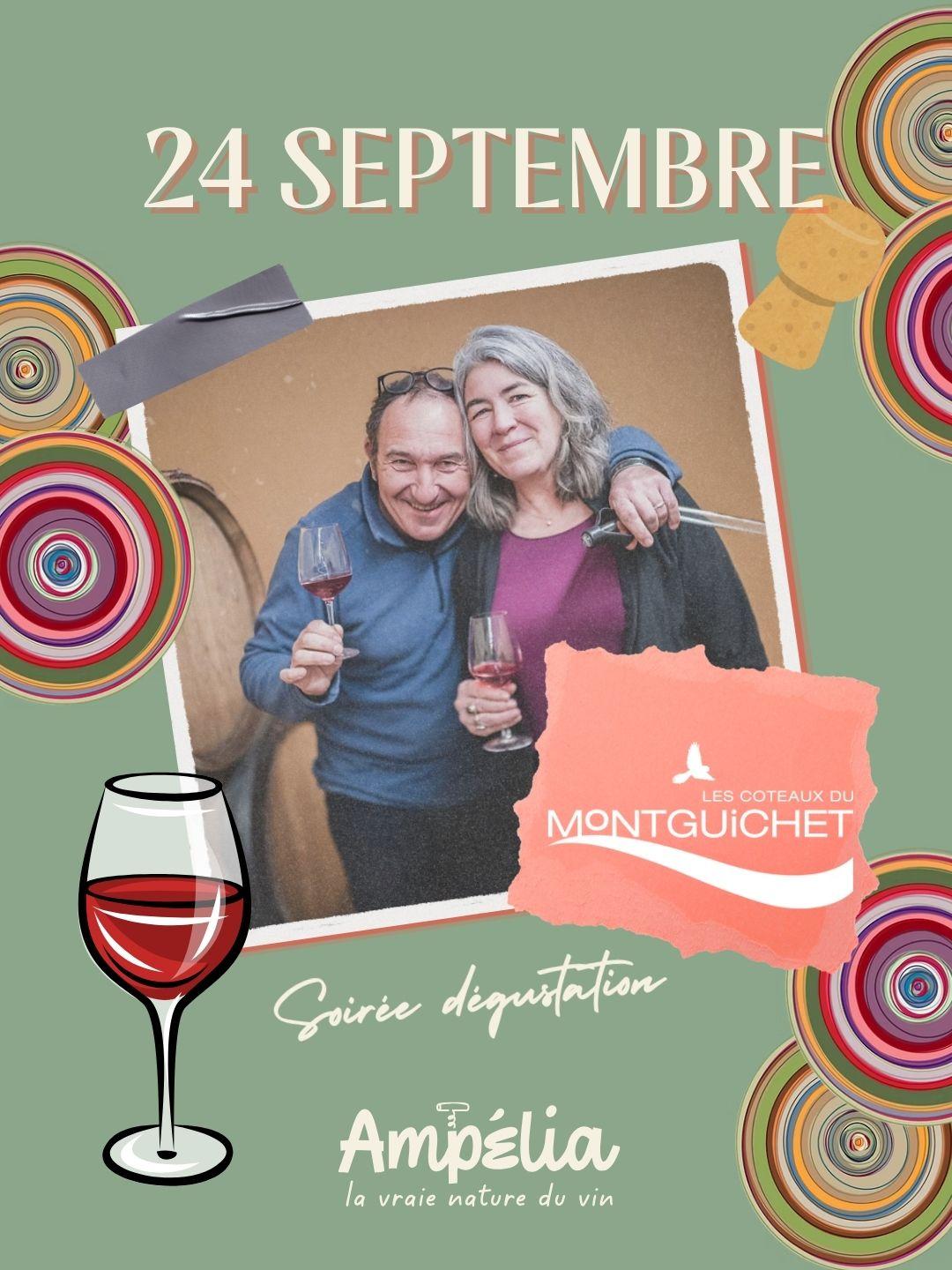
Thursday September 24
ParisFrance
6491 KM
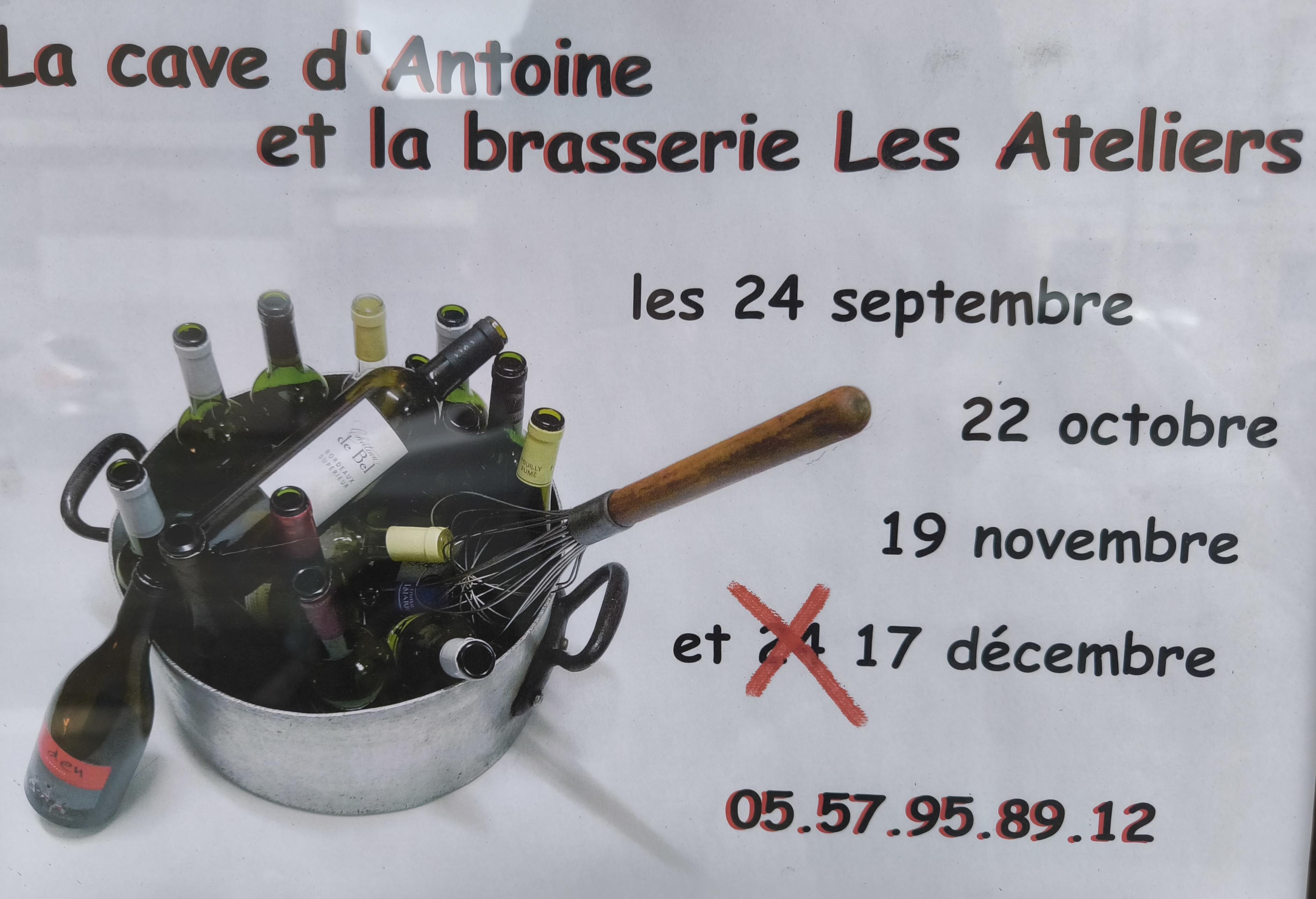
Thursday September 24
BordeauxFrance
6491 KM
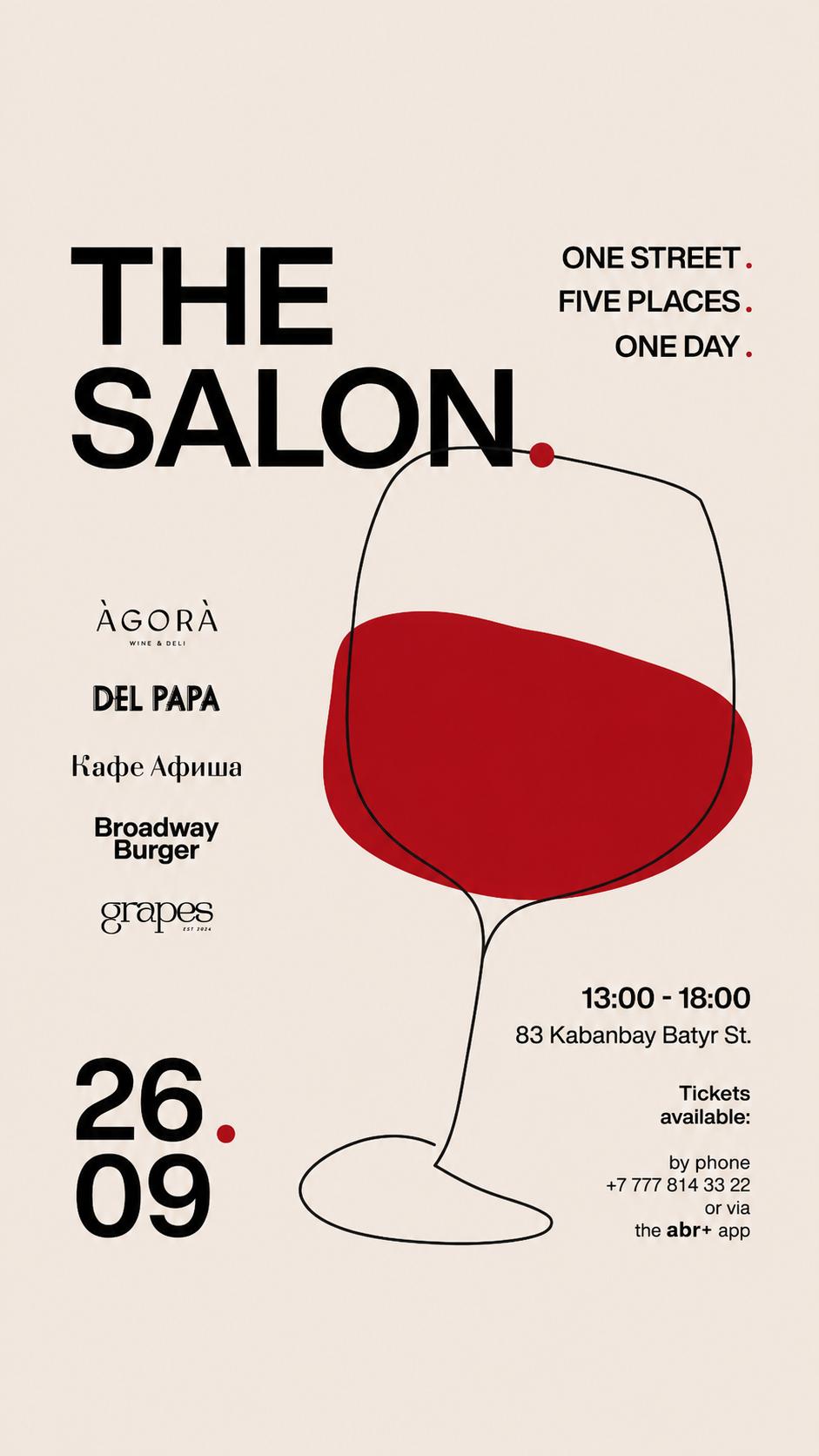
Saturday September 26
AlmatyKazakhstan
10546 KM
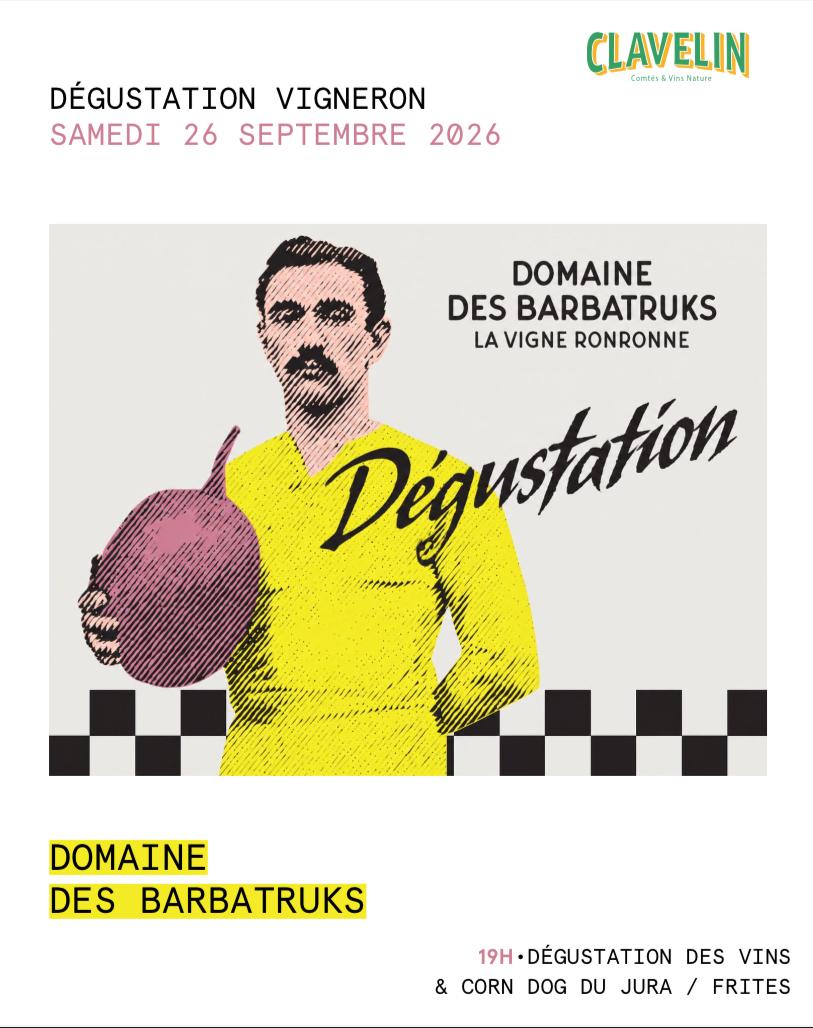
Saturday September 26
Paris
6488 KM

Saturday September 26
Ierapetra Municipal UnitGreece
8946 KM
 Winemakers
 Restaurants
 Bars
Bars Wine Shops
 Accommodations
 Events