September 24, 2026 - 0 comments
An Unexpected Upside to Climate Change in Germany: Alanna Lagamba Explains
For winegrowers, climate change is usually discussed in terms of risk. Earlier harvests, extreme heat, drought, unpredictable rainfall and increasingly volatile weather are already forcing producers to rethink how and where grapes can be grown.
But for Alanna Lagamba of Vin de LaGamba in Rheinhessen, Germany, the picture is a little more complicated.
“I can't say doing good things for Germany,” she says, “that's gonna sound really controversial to say, but it kind of is.”
Alanna is not dismissing the problems created by a changing climate. Quite the opposite. For her, one of the biggest challenges is the growing unpredictability of the weather.
“I would say the biggest negatives I have seen with climate change, and I feel like this is something that every winemaker will say, is just really extreme weather variations.”
For a farmer, uncertainty is nothing new. But the scale and intensity of that uncertainty can make planning increasingly difficult.
“You just don't know what's going to happen, like, tomorrow.”
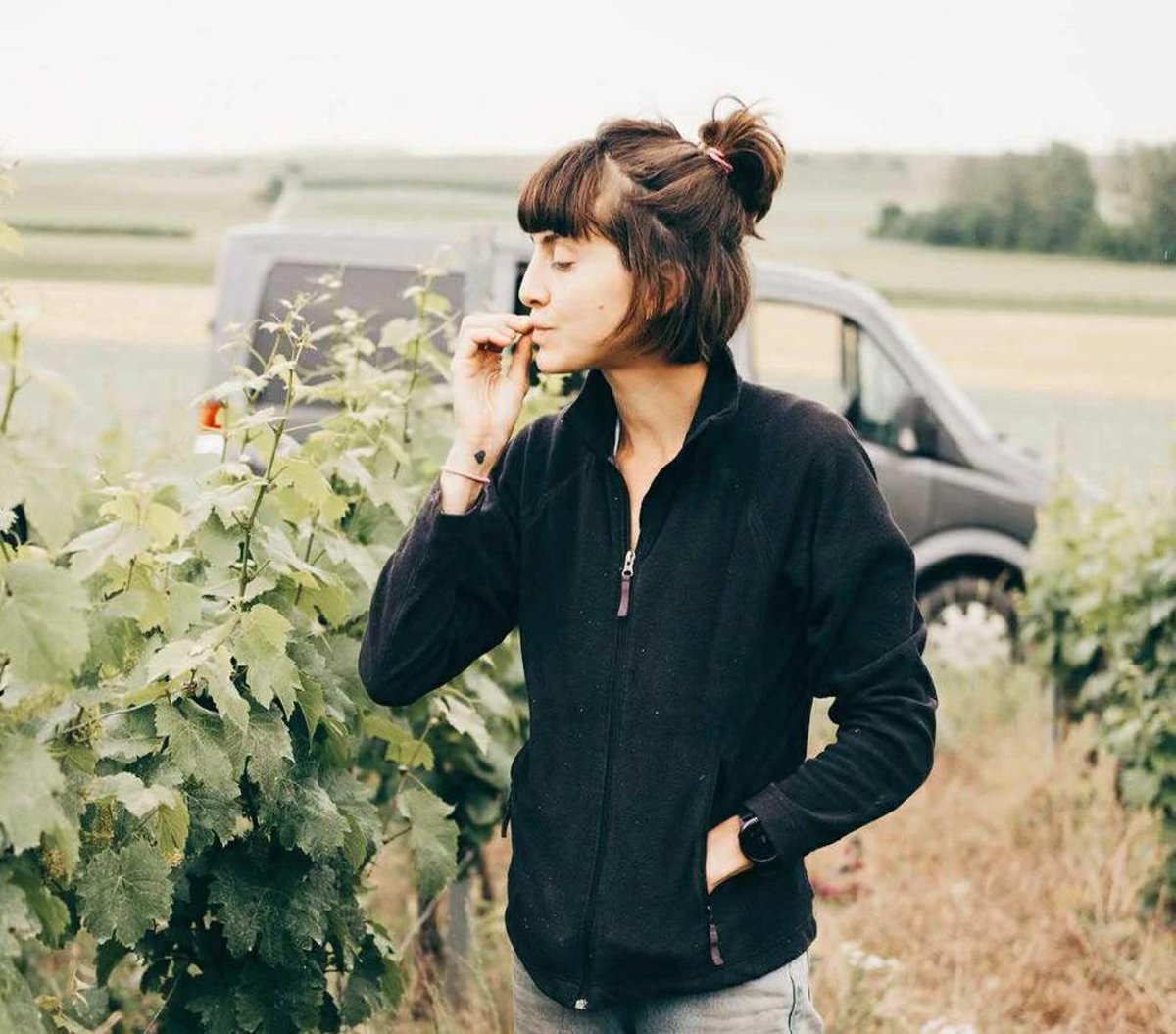
Alanna knows this firsthand in Rheinhessen, where she works alongside Martin Wörner and makes her own wines under the Vin de LaGamba label. Originally from Canada, she moved to Germany and eventually found her way into wine, first working with Martin before developing her own project. Her first Vin de LaGamba wine, FrauenPower, was made in 2019, beginning a range that has since become known for its playful, individual approach.
But it is the changing climate of her particular corner of Rheinhessen that has given her an unusual perspective.
Alanna explains that the vineyards are further inland, in an area where conditions were historically cooler. Traditionally, Riesling was not grown in their village because it was considered too cold for the grapes to ripen reliably.
“Traditionally in our village there was no Riesling,” she says. “Because it was too cold for Riesling to ripen.”
That has changed.
“Now where we are, Riesling ripens.”
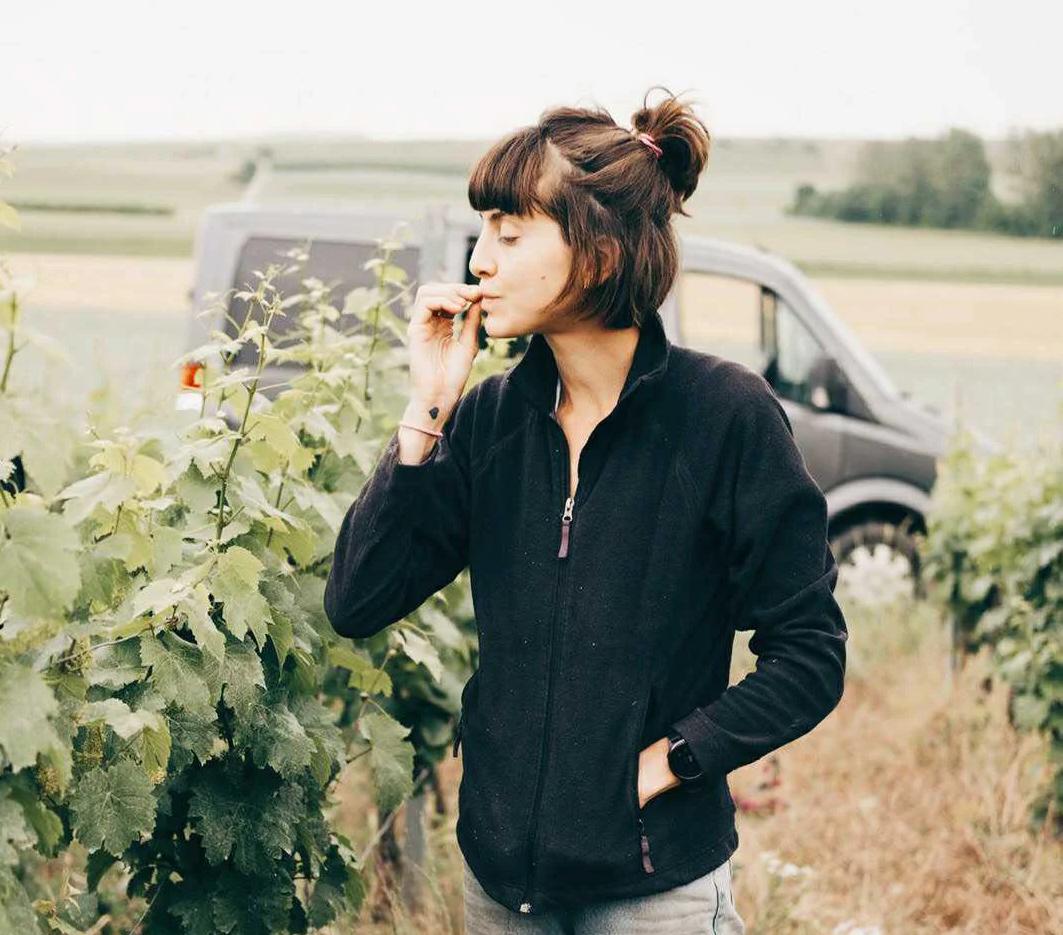
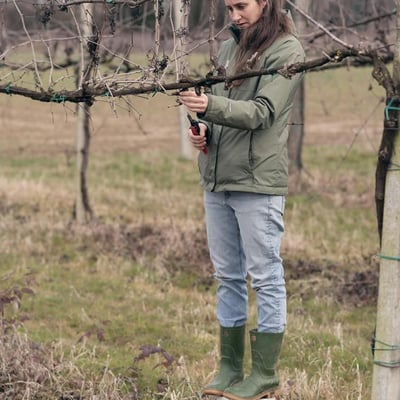
For Alanna, warmer winters have also made some vineyard work easier. “The winters are a lot warmer, so pruning is much easier,” she explains. More importantly, grapes are reaching ripeness in ways that were previously less predictable or even impossible in the area.
This doesn't mean she sees climate change as a positive development overall. Rather, it highlights one of the uncomfortable realities of a changing climate: the effects are not uniform. What creates serious challenges in one wine region can, at least temporarily, make new varieties or styles possible somewhere else.
And Germany may be one of the places where this is particularly visible.
For natural wine producers, ripening conditions are especially important when working with minimal intervention. Alanna points to direct-press white wines made without added sulfur as an example. In warmer regions, increasing temperatures can make this style more difficult to produce while retaining freshness and balance.
“In a lot of regions, I think it's getting harder and harder to do that with climate change,” she says. “But in Germany, I think it's becoming one of these regions where you can make world-class wine.”
It is an intriguing thought: while climate change is putting pressure on established wine regions, it is also changing the map of what is climatically possible.
Rheinhessen is already Germany's largest wine-growing region, and its newer generation of producers is experimenting with varieties, farming methods and cellar practices that look very different from the region's more conventional past. Alanna's own wines are part of that movement, from the sparkling FrauenPower, originally conceived as her take on a German Lambrusco, to other wines made from varieties including Riesling, Pinot Blanc, Pinot Gris, Pinot Noir, Siegerrebe, Dornfelder and Sylvaner.
The future of wine is becoming harder to predict. But in places like Rheinhessen, it is also opening possibilities that would have seemed unlikely a few decades ago.
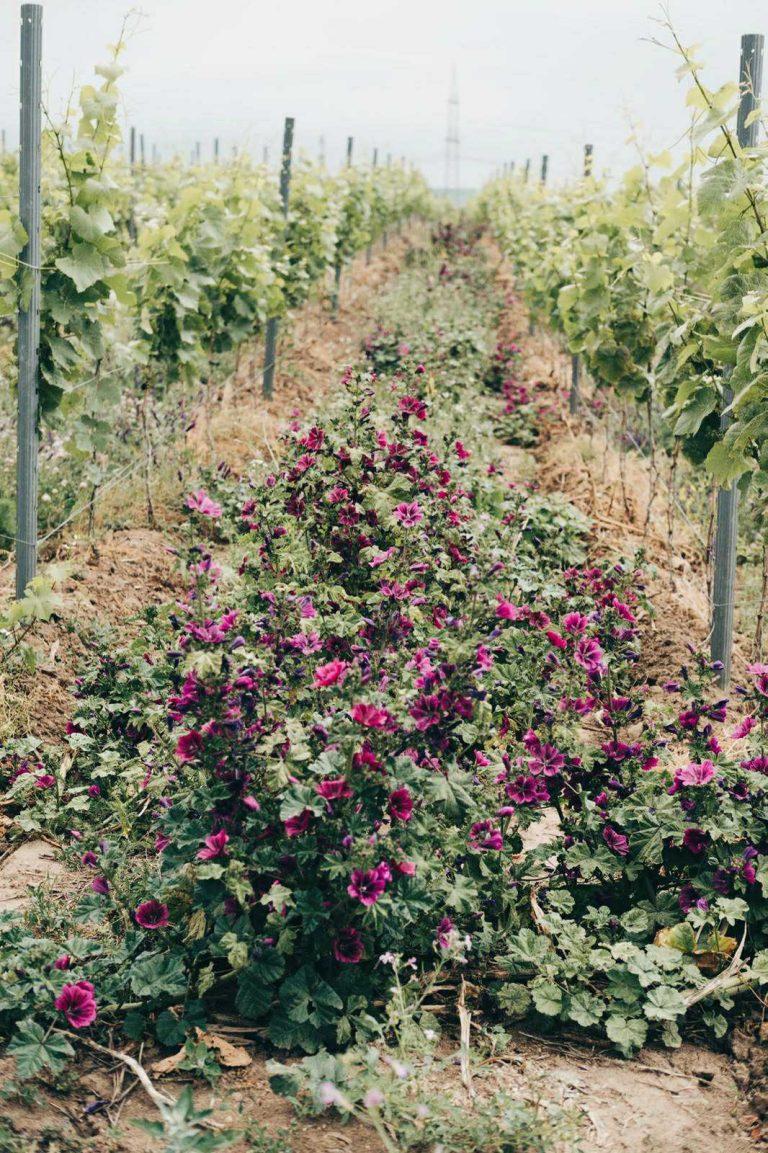
For Alanna, that makes climate change difficult to describe in simple terms. There are real challenges, but also changes that have made new varieties and new styles possible in her region.
“So I don't know,” she says. “Climate change is kind of doing... I can't say doing good things for Germany, that's gonna sound really controversial to say, but it kind of is.”
It may be controversial. But it is also a reminder that climate change is reshaping wine in ways that are far more complicated than simply making things hotter.
Related articles:
- Nicolas Reau: "Always trust Your Grapes"
- Domaine Adrien Berlioz: freshness built in the press
- Tiago Sampaio: Adapting to Climate Change in the Vineyards
- The Canopée: an umbrella over the vineyards of Domaine Henri Naudin-Ferrand
- Shoot Braiding: Backbreaking Work for a Season of Freedom
- Les Maisons Rouges: Nitrogen, the Key to Managing Volatile Acidity
- How Climate Change is Shaking Up Natural Winemaking