September 04, 2025 - 4 comments
Natural cider? It is the lesser-known cousin of natural wine. Same values, same philosophy, just a different fruit. Healthy fruit, zero additives, wild yeasts, natural fermentation... the rules are the same. Yet behind this apparent simplicity lies a fascinating tension: how do you reconcile respect for ancestral farming traditions with unbridled creativity?
Here are five producers reinventing cider by drawing inspiration from the codes of natural wine.
Respect for the Orchard and the Farmer’s Craft
Cidrerie du Golfe: when the sheep do the work
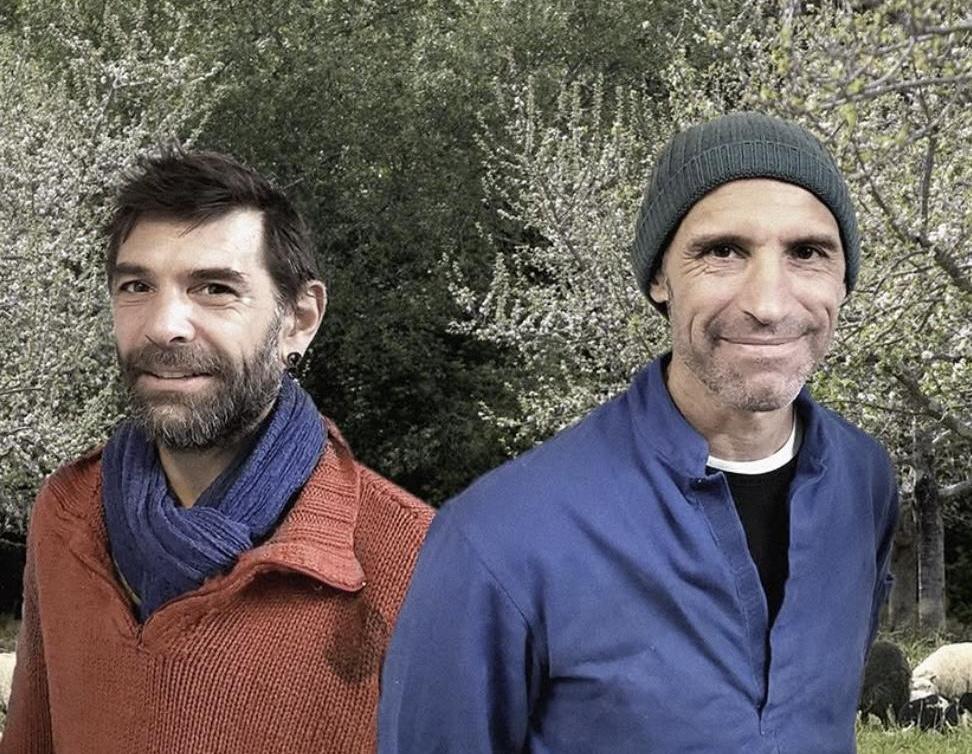
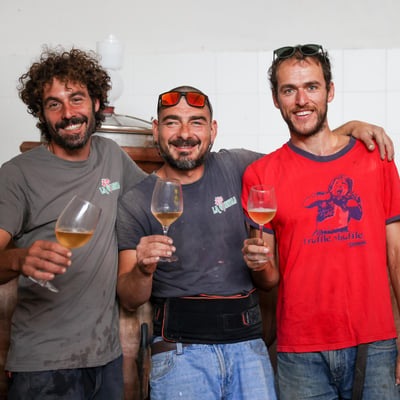
In Arradon, on the shores of the Gulf of Morbihan, Marc Abel and Max Brel have pushed the concept of “zero inputs” to the limit. Their six hectares of tall-stem orchards are certified organic, but they go further still: with almost no fossil fuels, their sheep mow the grass and fertilize the soil.
“Our passion for natural wine could only lead us to create vigneron-style ciders,” they explain. Manual harvesting at full ripeness, 80 percent of fruit from their own orchards, supplemented by small neighboring farms, and slow fermentations at 10°C to develop authentic aromas. The result? Organic cuvées, wild yeasts, no sulfites, and natural bottle fermentation.
Jacques Perritaz – Cidrerie du Vulcain: 20 years of experience
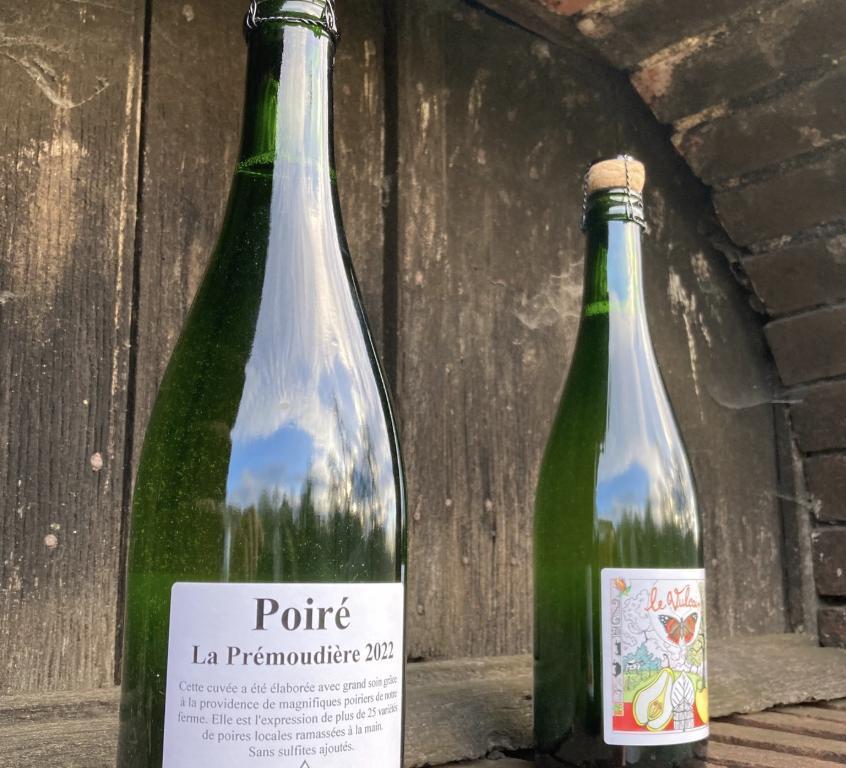
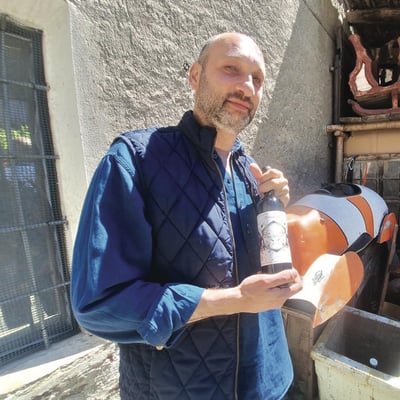
Jacques Perritaz began working with fruit in Switzerland in 2006, using local orchards of apples, pears, and quinces from old, untreated varieties grown on tall-stem trees. Today, based in Lower Normandy at La Prémoudière farm, he produces poiré, cider, and Calvados AOP.
His signature technique? “Guillage,” inspired by Clairette de Die, used for his naturally sparkling, partially fermented ciders. Pure juice, wild yeasts, rough filtration... and since 2022, his first Calvados AOP to complete the range.
Antoine Marois: reinventing Norman excellence

In the heart of the Pays d’Auge, Antoine Marois tends 7.5 hectares of tall-stem orchards with heritage varieties such as Fréquin Rouge, Mettais, Saint Aubin, and Binet Rouge. His estate overlooks Cambremer, the village tied to the “Cru de Cambremer,” part of the Cidre Pays d’Auge AOP.
Extensive farming, local varieties, no chemical treatments. His refined ciders and poirés highlight the richness of Normandy’s living heritage, balancing tradition with modern finesse.
Creativity with Fruit
Cidrerie de Reillon: Lorraine’s thousand flavors
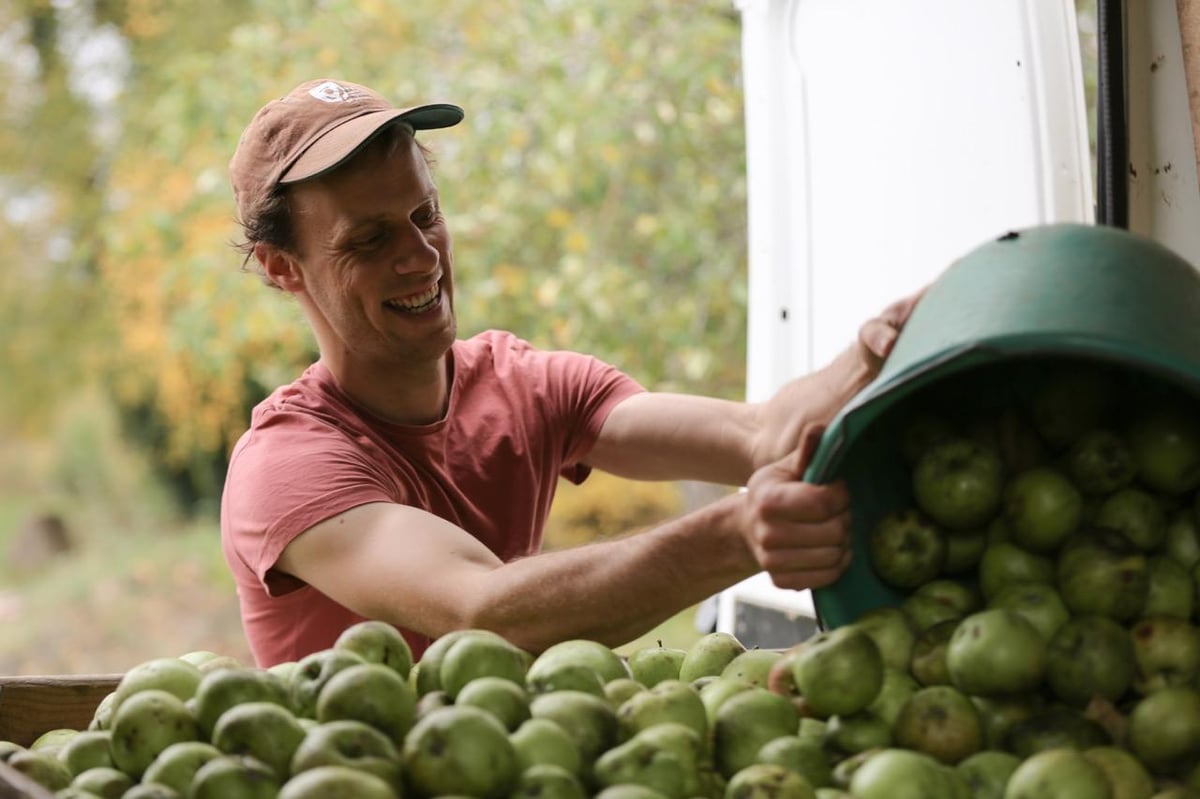
In Lorraine, Grégoire Jacquot has turned the village of Réillon into a laboratory for natural cider. He started by gleaning fruit from untreated orchards and now cultivates 6 hectares organically, including 4.5 hectares of newly planted tall-stem trees.
His specialty? A wide palette of cuvées that go far beyond apples. Pears, quinces, mirabelles, cherries, damsons... The tangy apples of Lorraine give fresh, crisp ciders, while the other fruits bring striking aromatic diversity. Manual harvesting, “presse à paquets” for pome fruits, maceration for the rest. No inputs, no sulfites.
When Winemakers Turn to Cider
La Minoterie: Alsatian expertise meets Norman apples

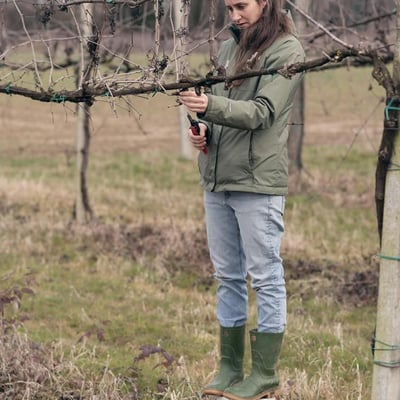
Laure Sourdin perfectly embodies the bridge between winegrowing and cider-making. Trained at Zind-Humbrecht in Alsace, she now applies her viticultural know-how to the apples of her native Manche.
A vertical press for clear must, fermentations managed by simple racking, natural bottle fermentation. Her natural ciders are made without additives or filtration. Production is intentionally limited to 25,000 bottles: four ciders, two poirés, with plans for ice cider and brandies.
The New Geography of Natural Cider
This movement is redesigning French cider’s map. Gone is the dominance of Brittany and Normandy: natural cider is breaking free from traditional borders.
All these producers share the same conviction: cider deserves the same attention as wine. The same respect for terroir, the same standards of quality, the same environmental values.
Beyond a Trend, a Return to the Roots
Natural cider is not a passing fad. It is where rural wisdom (tall-stem orchards, heirloom varieties, respectful practices) meets the innovation of natural wine (guided fermentations, creativity, vigneron mindset).
Whether from a traditional cidermaker moving toward natural methods, a winemaker diversifying into apples, or a multi-fruit artisan, natural cider has one thing in common: respect for life.
In contrast to industrial cider, with its concentrates, artificial flavors, and forced carbonation, these producers embody a delicious form of resistance. They show that between tradition and modernity, there is a third way: the way of authentic taste.
All these producers can be discovered on the Raisin app using the “Cidermaker” filter 🍎. Because the apple has its place in the taste revolution too.