October 14, 2026 - 0 comments
Les Pétavins take Lille by storm with their organic wines from Savoie and the Alps!
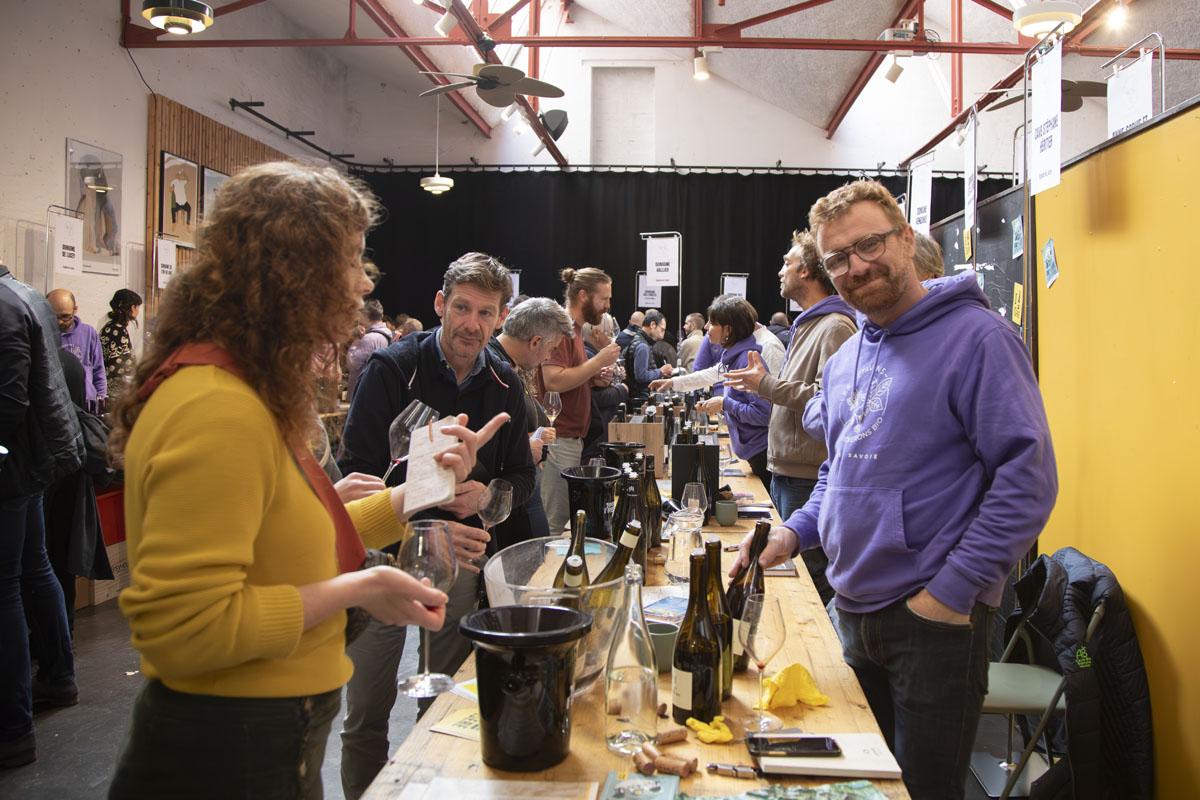
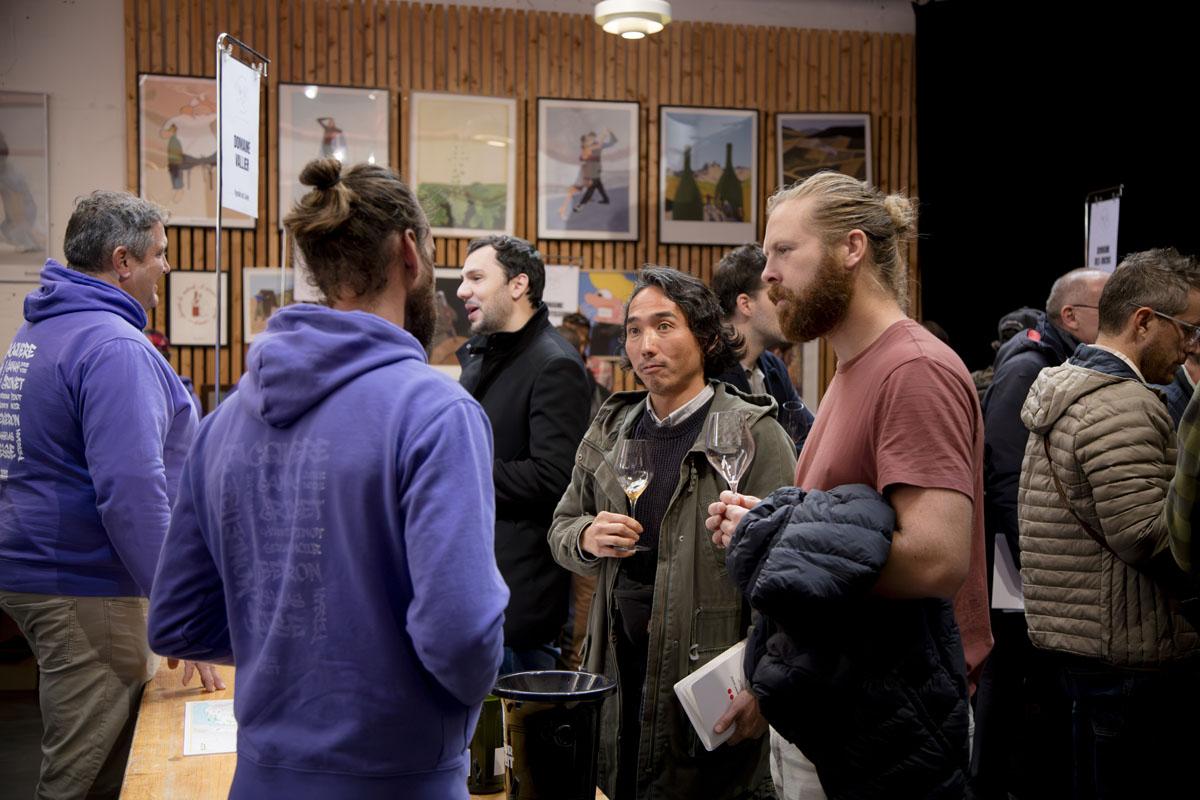
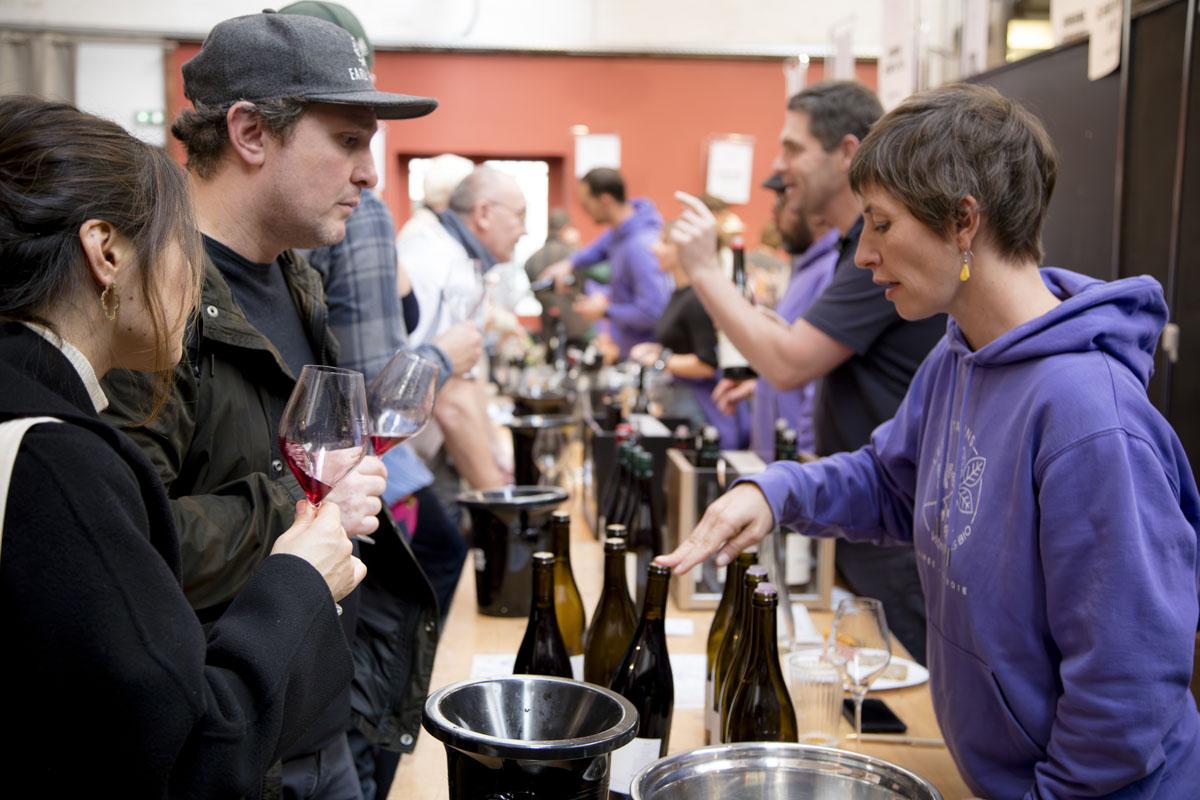
On 2 November 2026, Les Pétavins will bring that world north for the first time, gathering winegrowers in Lille for a day dedicated to wine professionals. At Bazaar St So, growers from Savoie, Haute-Savoie and Isère will come together to pour their wines, share their experiences and meet the people working with Alpine wines in a very different part of France.
Lille might seem a long way from the mountains, but its position as a crossroads between Paris, Belgium and Normandy makes it an interesting place to bring the wines of the Alps and Savoie. More than simply presenting bottles, the event offers an opportunity to discover the people and ideas behind a collective that has been building something quite different within the wine world.
A collective built around sharing
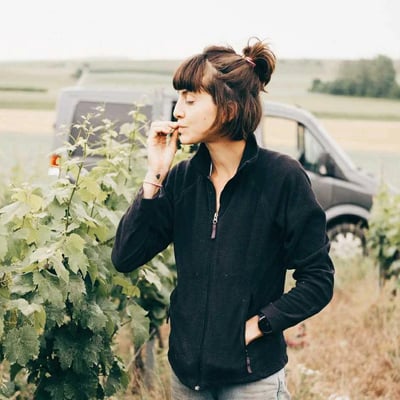
Les Pétavins is more than a group of growers who happen to work in the same region. The association has developed around the idea that small independent vineyards can be stronger when they share what they have.
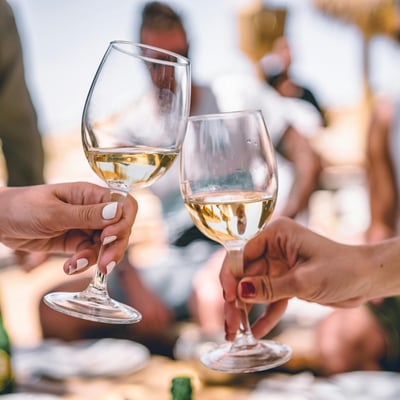
That can mean equipment, knowledge or even harvest workers. It can also mean practical support when one of their members is injured or facing difficulties. The collective's annual picnic is another expression of the same philosophy: winegrowers getting together not simply to taste each other's wines, but to maintain the relationships that make the group work.
That spirit of cooperation is particularly relevant at a time when small vineyards are facing pressures from several directions at once.
Organic wine meets a changing climate
Organic certification is a requirement among the growers represented by Les Pétavins, but for these producers, organic farming is only part of a much larger question about how vineyards can remain alive and resilient.
The French organic vineyard area fell by around 8% in 2025, while sales of organic wine also declined, by around 2.4%. At the same time, climate change is making the practical realities of farming increasingly difficult. Harvests are arriving earlier, water stress is becoming a greater concern, and growers are having to reconsider varieties, vineyard sites and farming techniques.
In the Alps, these questions take on a particular character. Traditional local varieties such as Persan, Mondeuse Grise and Douce Noire are part of the region's genetic and cultural heritage, while some growers are also experimenting with resistant varieties as they look for ways to adapt.
The underlying question is not simply whether a wine is certified organic. It is what kind of agriculture will allow these vineyards to continue to exist, and what diversity they can preserve along the way.
Domaine Giachino offers one example of how that philosophy can translate into practice.
The domaine has worked organically since 2006, and in 2015 it took over the vineyards of Grisard and Prieuré Saint-Christophe. That history is important because it shows that preserving Alpine wine culture does not necessarily mean leaving it untouched. It can mean taking on old vineyards, maintaining local varieties and finding ways to carry them forward.
For the growers involved, the landscape is not simply a backdrop to the wine. The steep vineyards, mountain climate and diversity of varieties all shape what ends up in the bottle.
That diversity is one of the most interesting things about the region today. There is no single definition of an Alpine wine, and no single response to the challenges facing the growers.
Bringing the Alps to Lille
That is ultimately what makes the Lille event interesting. It is not just an opportunity to taste wines from Savoie, Haute-Savoie and Isère without travelling to the mountains. It is a chance to meet the people working within those regions and understand some of the realities behind the bottles.
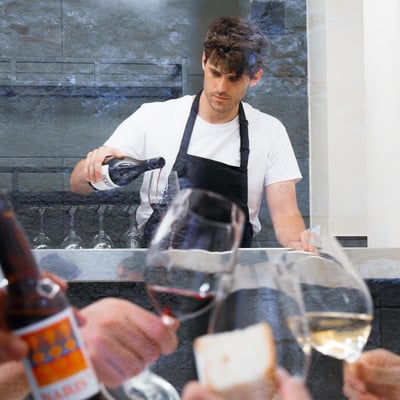
On 2 November, Les Pétavins will take over Bazaar St So for a day of tasting and conversation aimed at wine professionals. The event runs from 9am to 5pm, with a €10 day pass including entry, tasting and Savoyard snacks.
The underlying idea is simple: diversity creates options.
Different grape varieties, different vineyards, different approaches to farming and different ways of working together all give growers more possibilities as the climate and wine market continue to change.
For one day, the Alps are coming north. And the best way to discover what that means is probably one glass at a time.