June 19, 2025 - 2 comments
Are Natural Wine Lovers Turning Away from Bordeaux?
And why we need to change this!
In the conventional wine world, Bordeaux is king, synonymous with prestige, legacy, and class. But in the natural wine scene, that same name tends to raise eyebrows rather than glasses.
Despite a growing number of winemakers in Bordeaux embracing natural practices and striving to express the true terroir, natural wine bars, shops, and restaurants across Europe remain hesitant. “We don’t take Bordeaux, even if it’s natural,” said an anonymous German importer. “It’s a hard sell. People see the label and assume it’s just the usual Bordeaux style, heavy and commercial. They want something different.”
The challenge isn’t just the wines themselves, it’s the weight of Bordeaux’s reputation. For many natural wine enthusiasts, Bordeaux represents the establishment, a symbol of tradition and commercial success that clashes with the values of exploration and rebellion often celebrated in the natural wine community. “Bordeaux has become a victim of its own success,” said Ian Hocking, co-owner and winemaker at Shuette. “Artisan producers have been pushed out in favor of industrial producers making generic wine.”
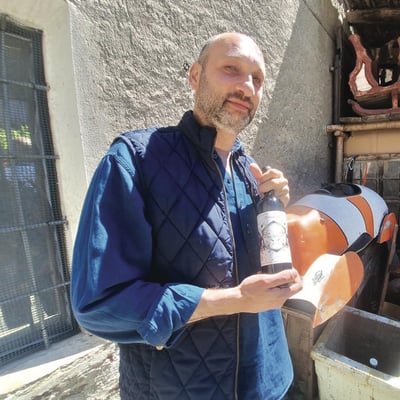
Hocking argues that the region’s strict A.O.C. rules and historic focus on classic red wines have made it difficult for natural winemakers to align with contemporary tastes. “Most natural producers here still make traditional styles that don’t always connect with modern wine bar culture,” he said. “But there’s a shift happening, more winemakers are breaking from the old mold, letting go of A.O.C. constraints to create wines that speak to climate realities, lighter styles, and real fruit expression. That’s what we’re doing at Shuette. It’s not your grandad’s Bordeaux.”
Bordeaux is also facing real structural challenges. Overproduction is a major issue. The region has more wine than it can sell, and the French government has responded by subsidizing large-scale uprooting of vines. It’s a striking image: one of the world’s most iconic wine regions pulling out vineyards because demand has dried up.
Decades of standardized production haven’t helped either. The legacy of the 1855 Classification and the long influence of critics shaped a narrow view of what Bordeaux should be. Many wines were made to meet expectations, not express individuality.
Add to that the dominance of traders and brokers in the region’s distribution system, and it becomes harder for independent natural producers to get noticed. Unlike winemakers in other regions who often sell directly, Bordeaux producers are usually tied to a more rigid, traditional network.
Price is also a factor. Bordeaux vineyards come with high costs, which translate into higher bottle prices. Natural wine isn’t necessarily cheap, but in this market, higher prices for unknown winemakers from lesser-known regions tend to generate more excitement than a pricey Bordeaux bottle.
Yet, if the natural wine movement truly wants to grow and promote wines that are better for the environment and more authentic in expression, there’s a need to keep an open mind. Dismissing Bordeaux outright overlooks the efforts of passionate producers working naturally in the region. Breaking free from stereotypes and giving these wines a chance could expand horizons, not just for Bordeaux, but for the entire natural wine community.
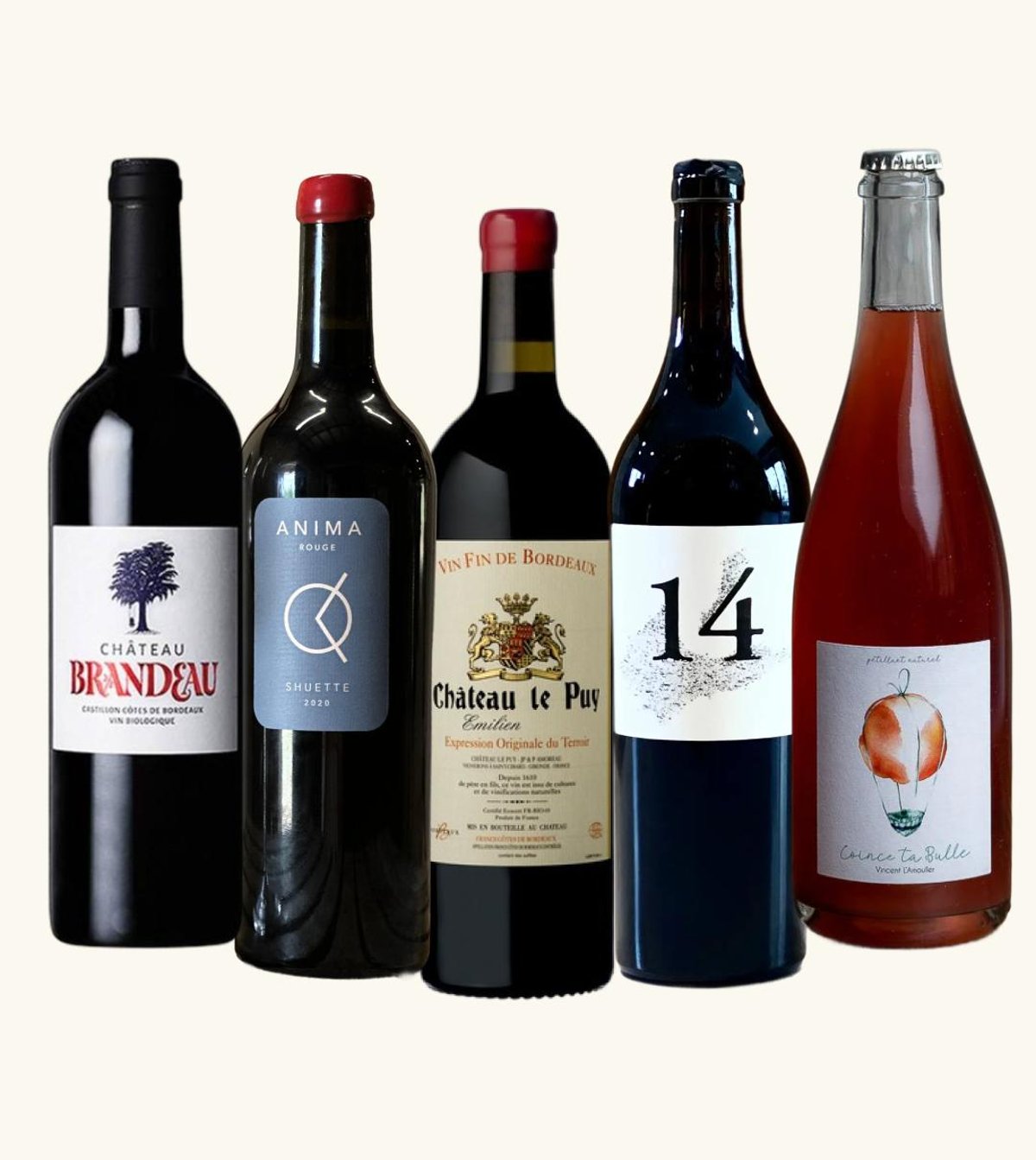
At Raisin, we list 50+ natural winemakers from the Bordeaux region. They’re there, breaking stereotypes and making beautiful wines. Take a look, take a taste, and help expand the boundaries of what natural wine can be.
Let’s keep building this movement together. 🍷