July 22, 2025 - 2 comments
Supermarket Orange Wine???
No Thank You!
Among natural wine lovers, few styles have become as iconic as orange wine. Its amber hues and textured flavors have long symbolized the natural wine movement, crafted by winemakers who let white grapes ferment on their skins without additives, often creating fresh wines with tannins and complexity.
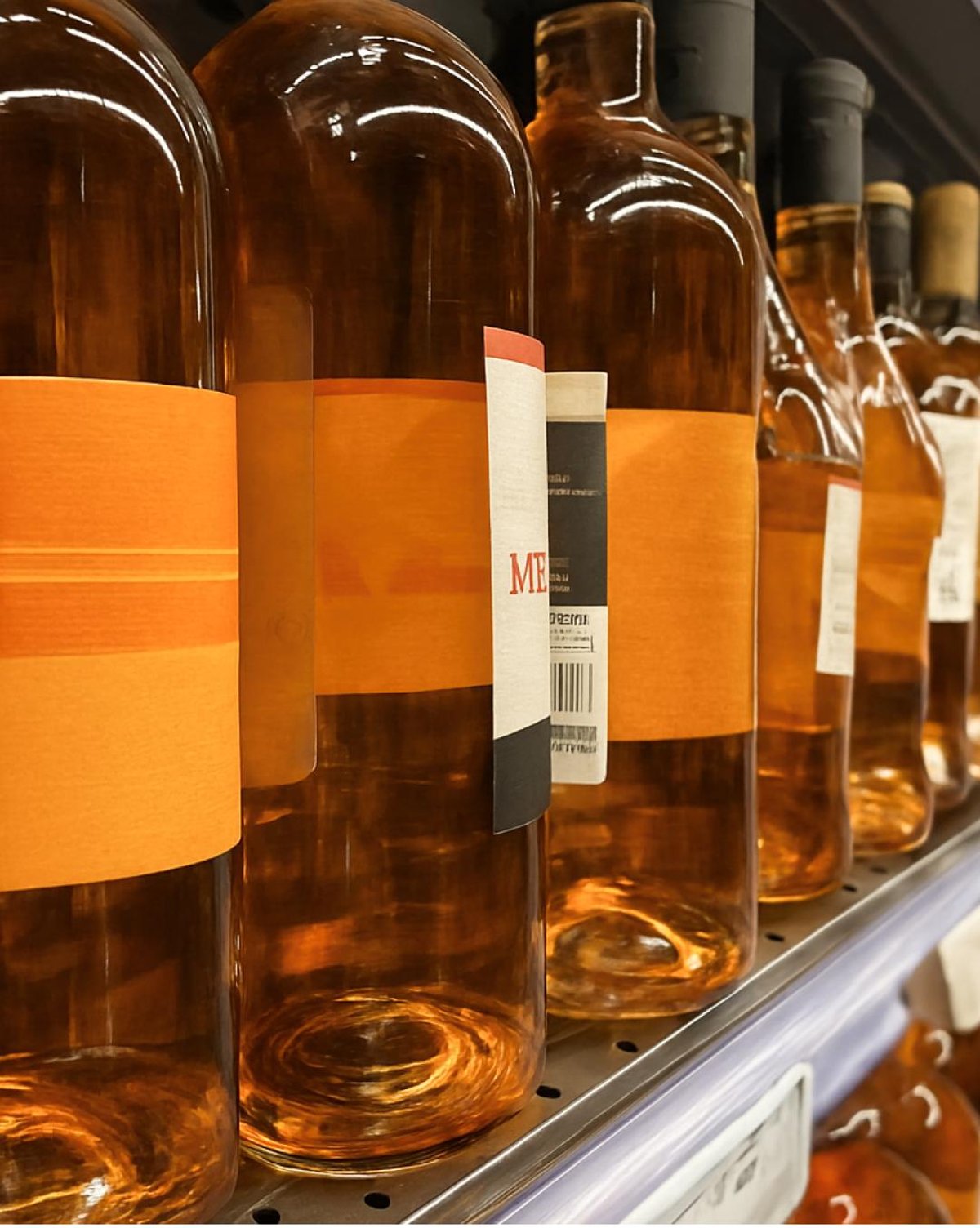
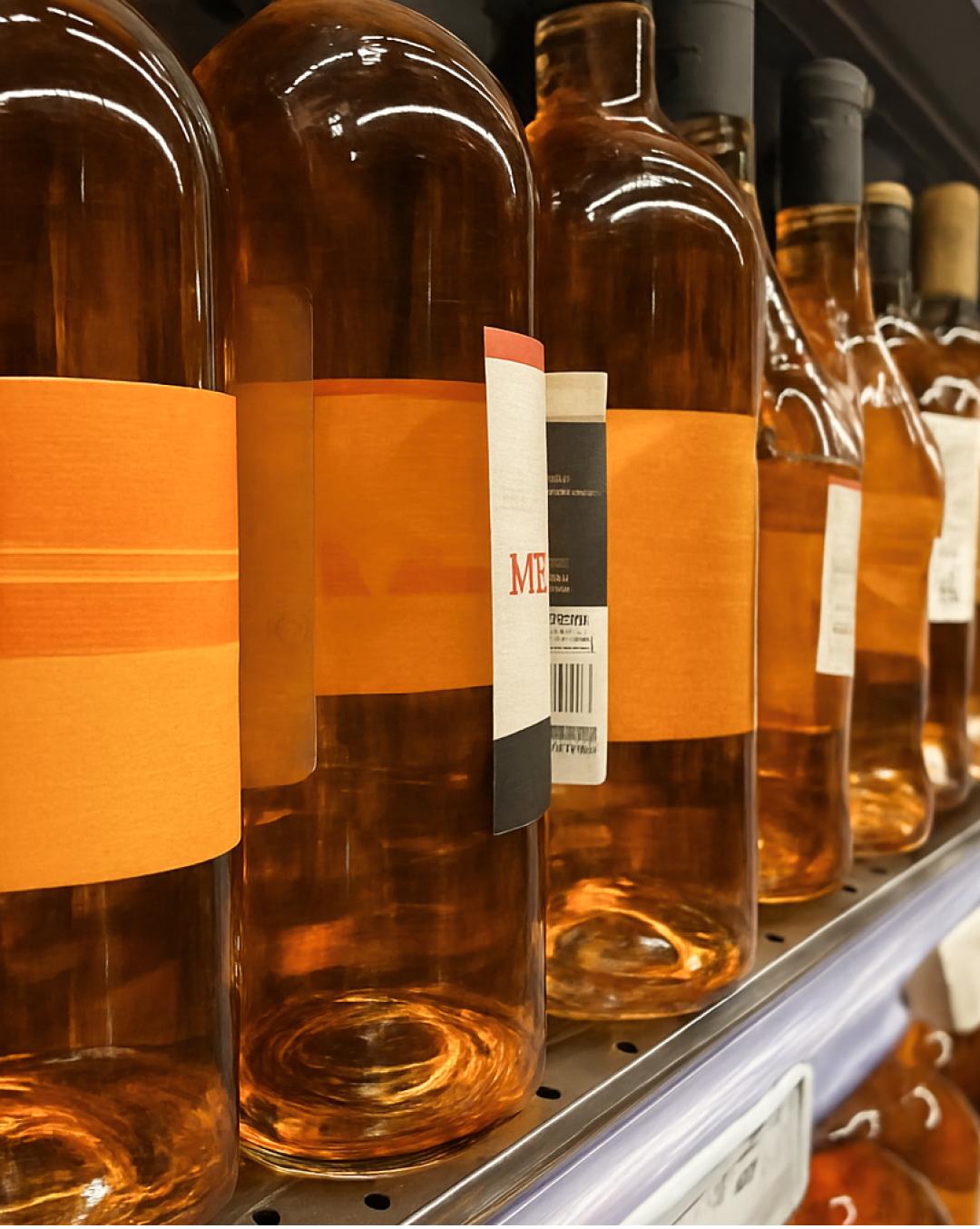
But with it’s popularity growing, Orange wine has crossed into the mainstream, and you’ll now find it stacked on European supermarket shelves like Lidl, Aldi, Carrefour for under €10. The catch? It’s almost never natural.
So, how’s orange wine made? Simply put, it’s a white wine fermented like a red. The juice stays in contact with the grape skins for days, weeks, or even months, extracting color, tannins, and layers of aroma, widely considered to originate in Georgia.
But here’s the key point: orange wine is a style, not a guarantee of natural practices. You can make orange wine completely conventionally, using cultured yeasts, enzymes, fining agents, heavy filtration, and plenty of sulfur. None of those are excluded just because the wine is orange.
Bottom line: Just because it’s orange doesn’t mean it’s natural. We recommend avoiding big chain supermarkets and instead, checking the producer’s philosophy. You can do this by using the Raisin app’s wine scanner, searching for the bottle or producer on Raisin, or, talking to a knowledgeable local natural wine shop owner.