June 02, 2026 - 1 comments
Claus Preisinger - Why Biodynamics Makes a Difference
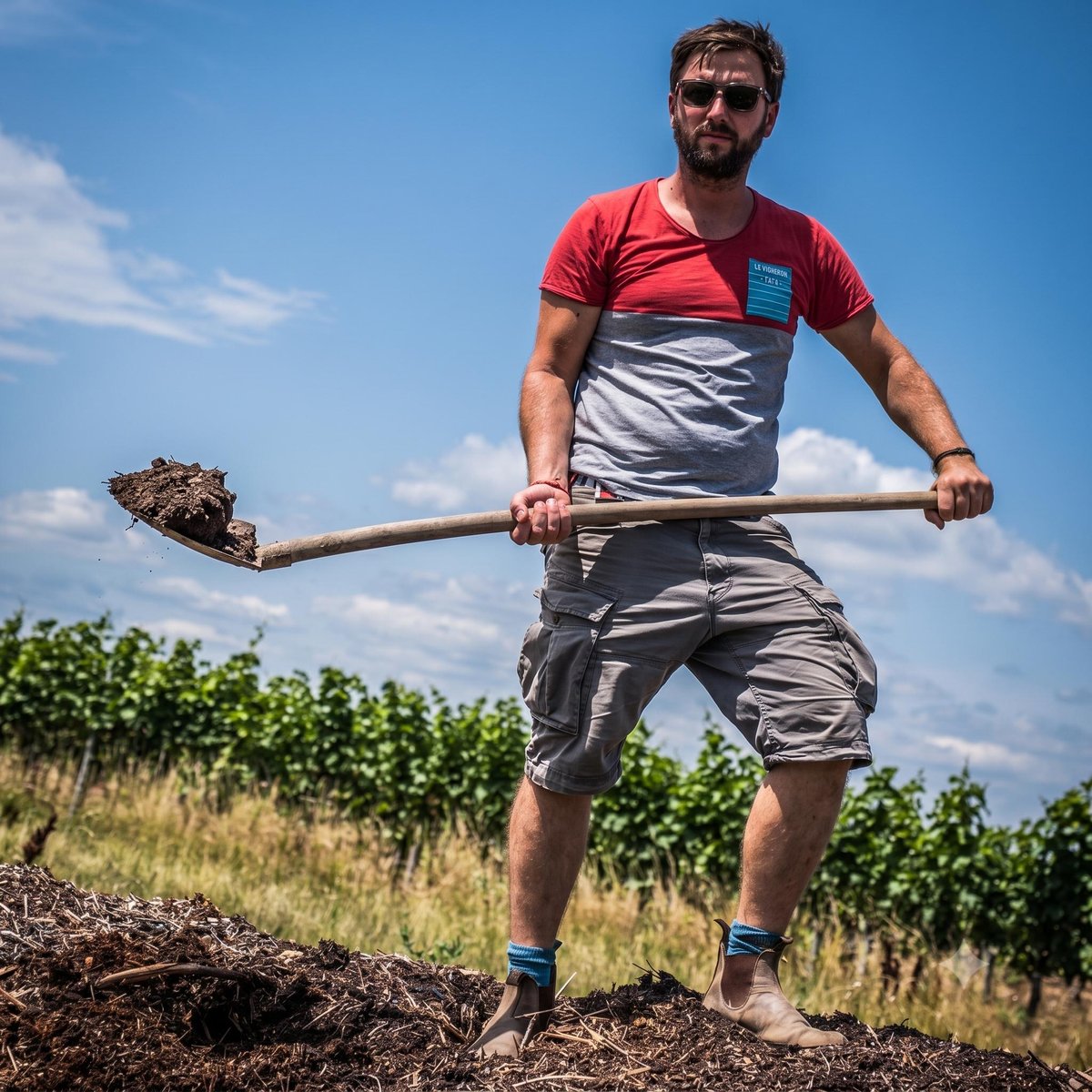
After more than twenty years of biodynamic farming, Claus Preisinger isn't interested in making big claims.
"It's hard to say if there's one thing," he says. "It's a lot of little details."
For the Austrian natural winemaker, biodynamics is less about a single preparation or practice than a different way of understanding the vineyard. The effects reveal themselves over time, especially in moments of stress.
"When you have a problem, like a stressful moment for your vineyards after a hailstorm," he explains, "with biodynamics, you have some tools in your hands."
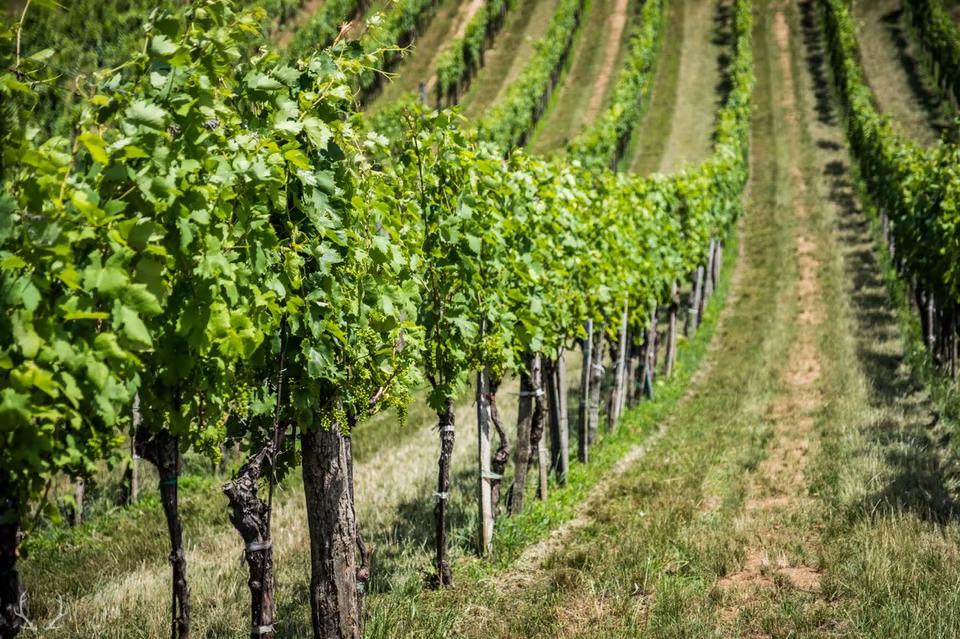
Those tools include natural preparations such as chamomile tea or valerian sprays, remedies biodynamic growers have long used to help vines recover after extreme weather. What matters to Preisinger is how the vines respond.
"When you go through the vineyards and see how they react compared to conventional vineyards, they react much faster."
According to Preisinger, biodynamically farmed vines regain their balance sooner, returning to growth more quickly after difficult conditions.
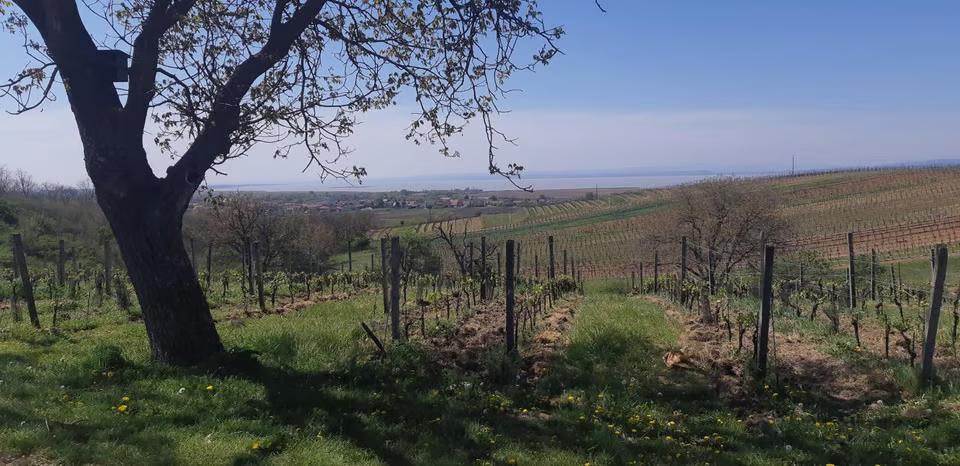
As growers across Europe face increasingly unpredictable weather, resilience has become one of the strongest arguments for farming this way. At his estate in Gols, near Lake Neusiedl in eastern Austria, biodynamics has been central to Preisinger's work since 2006 and forms the foundation of the wines that have made him one of natural wine's most influential figures.
Biodynamics also involves working with lunar and seasonal cycles, something Preisinger sees not as a new idea, but a forgotten one.
"People worked with the moon phases 150 years ago, for example," he says. "After the wars and the industrial revolution, this knowledge got lost."
For him, biodynamics is about bringing some of that awareness back into modern agriculture.
"When you see it in the ocean — high tide, low tide — this is all because of the moon."
Whether or not every aspect of biodynamics can be explained scientifically is almost beside the point. What matters to Preisinger is observation. Twenty years of walking the vineyards have convinced him that healthier, more balanced ecosystems produce healthier vines.
"We are very sensitive humans," he says. "Our wines and plants are even more sensitive."
For Preisinger, biodynamics begins with recognising that sensitivity and working with it rather than against it. The goal is not control, but balance.