November 24, 2026 - 0 comments
Bascule!: the cellar doesn’t create fermentation
Stéphane Morin, of SAS Bascule! (Roussillon), explains what really starts a fermentation. He also talks about what the cellar can, and shouldn’t, add to it.
Stéphane Morin, winemaker in Roussillon
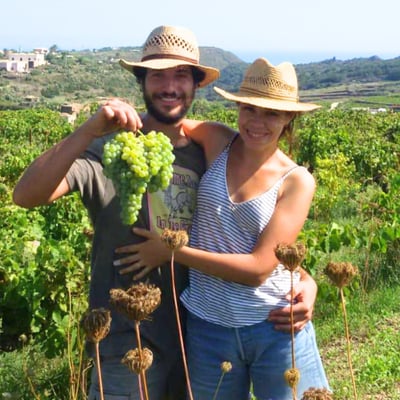
Stéphane Morin makes wine in Roussillon with his partner Caroline.
In 2005, they founded Domaine Léonine. In 2019, they launched SAS Bascule!, a winemaking négoce. They buy grapes and handle every stage of the winemaking themselves.
The rules are simple. No added yeasts. No fining or filtration. Sulphur only in homeopathic doses, and only if the wine needs it.
The idea: put as few barriers as possible between the grape and the glass. That’s where the name comes from. Drinking wine is a pleasure; making it is a joy. And the pleasure of sharing a glass with friends drives every cuvée.
The wines come from different terroirs across Roussillon, bottled as Roussillon or Vin de France. Grenache noir, gris and blanc, carignan, macabeu, muscat d’Alexandrie, syrah, mourvèdre, viognier… Each grape has its place.
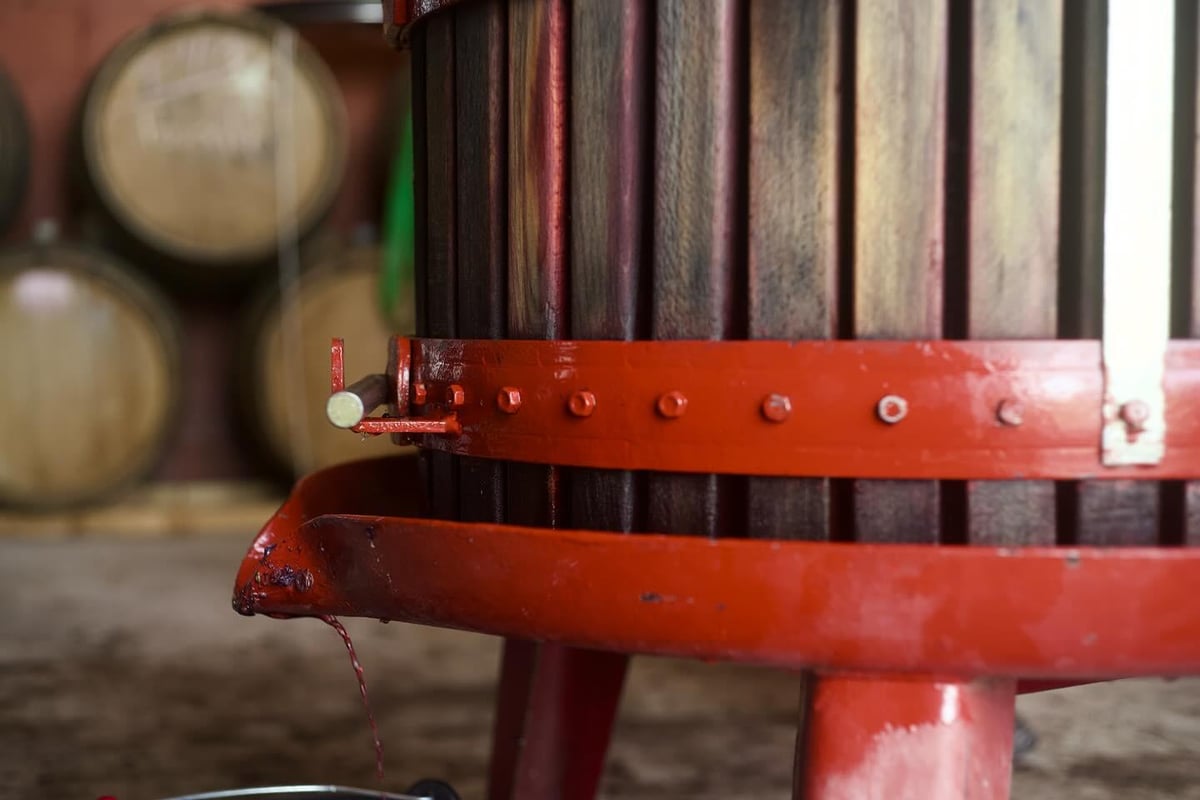
The yeasts are already on the grapes
For Stéphane, it all starts with the bloom. This thin waxy layer covers the grape skin.
The yeasts are there, inevitably.
That’s where fermentation begins. Not in a sachet. Not in a laboratory.
A new cellar with no history
Stéphane has been in a rare situation. He has had three new cellars: buildings either converted or built for his work.
No fermentation had ever taken place in them.
In the first year, the cellar had no indigenous yeast population. Nothing had settled on the walls, the tanks or the floor.
Everything came from the grapes.
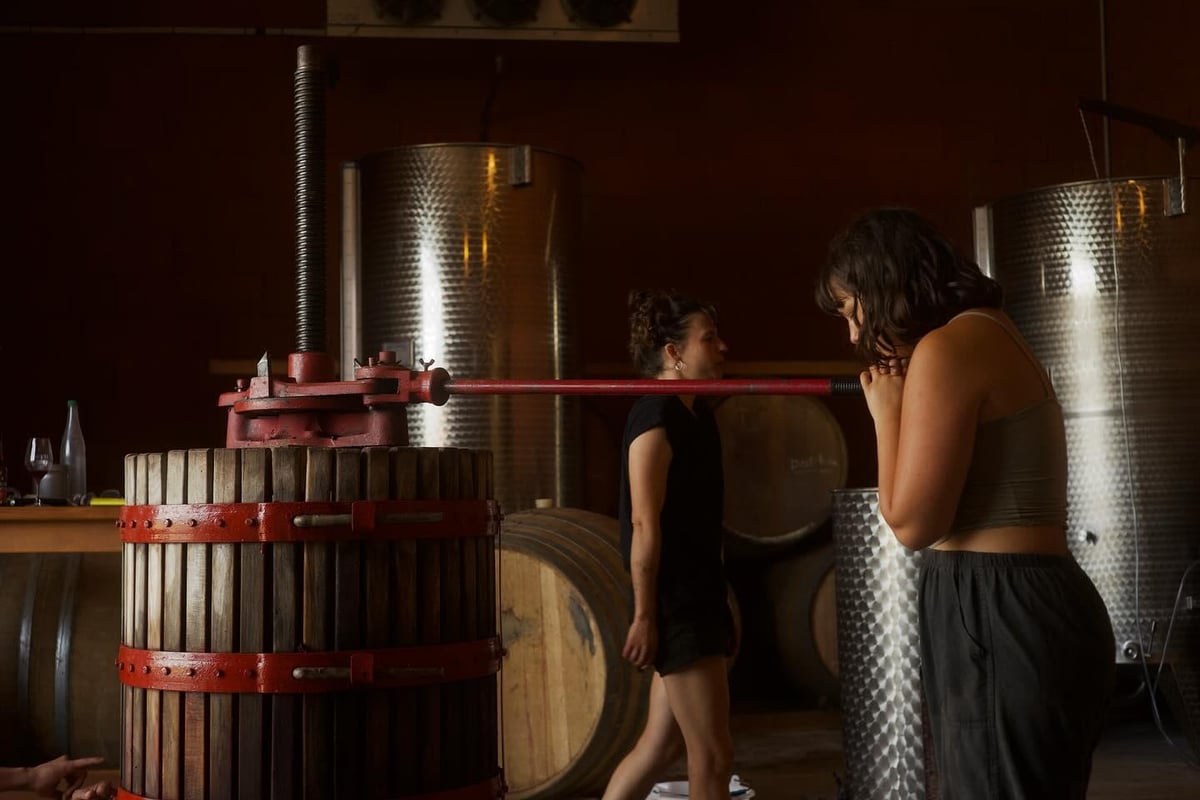
The grape first, the cellar second
Once the first fermentations are underway, the cellar becomes inoculated. It’s inevitable.
But for Stéphane, what matters lies elsewhere. He says it plainly: the yeasts naturally present on the grapes are what matter most.
The cellar supports. It doesn’t dictate.
Hygiene, the condition for trust
This choice comes at a price. The cellar must be clean, washed and disinfected regularly.
A neglected cellar has a cost. In a dirty space, unwanted strains of yeast or bacteria can develop.
Trusting the grape’s yeasts doesn’t mean skipping rigour. It demands it.
For Stéphane, letting the grape do its work doesn’t mean letting things go. A spontaneous fermentation rests on a balance: healthy grapes, a clean cellar, and an attentive natural winemaker.